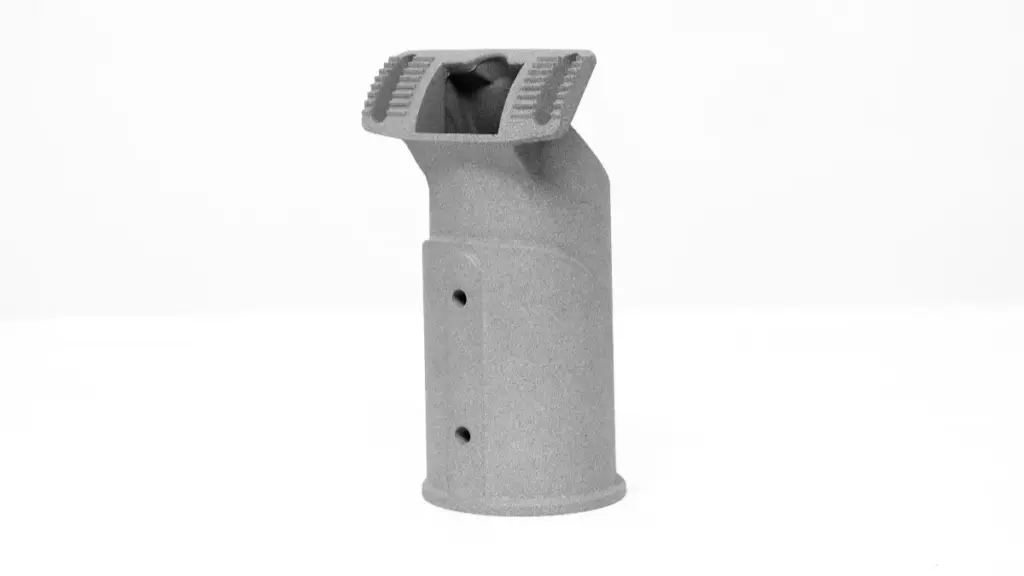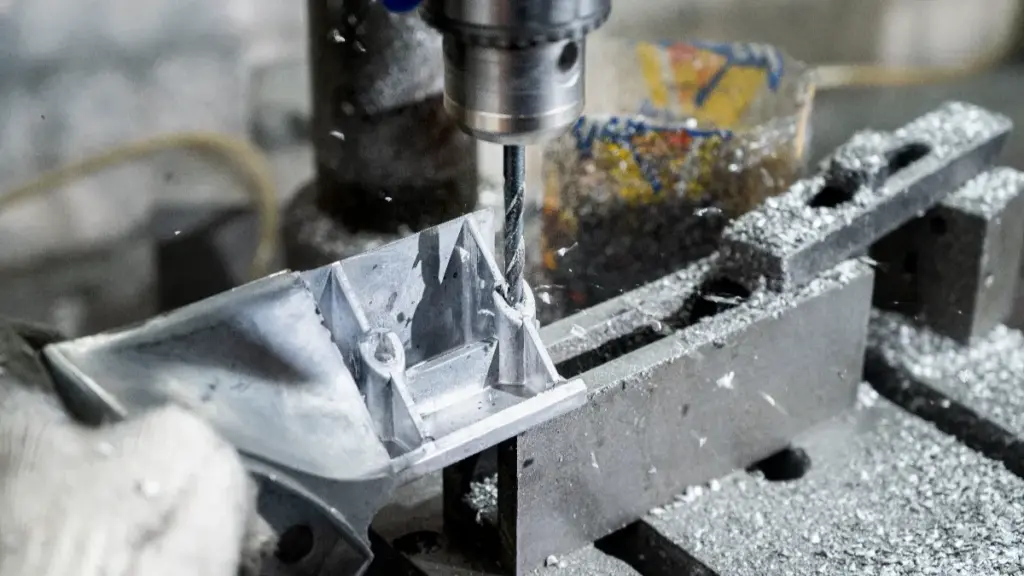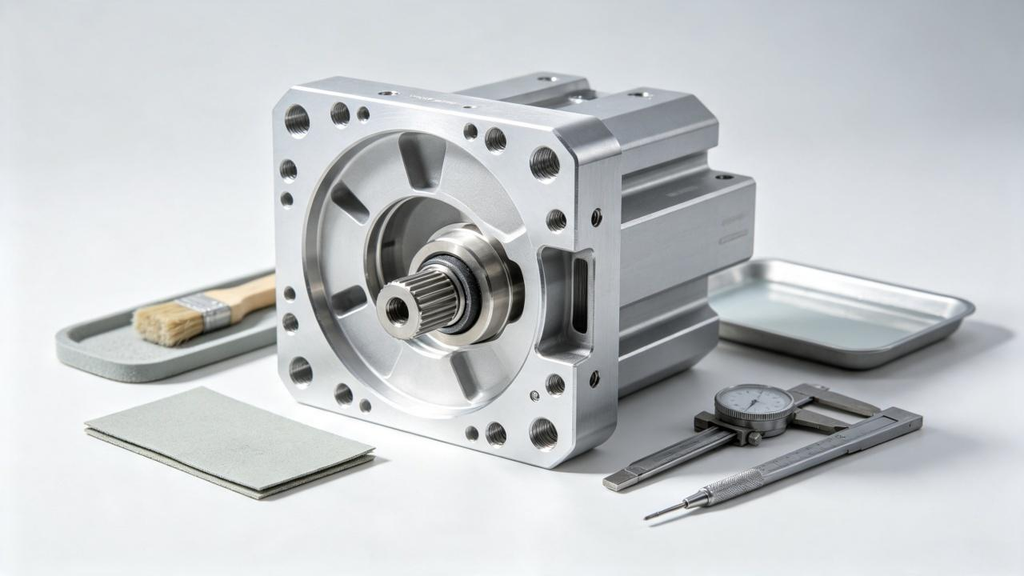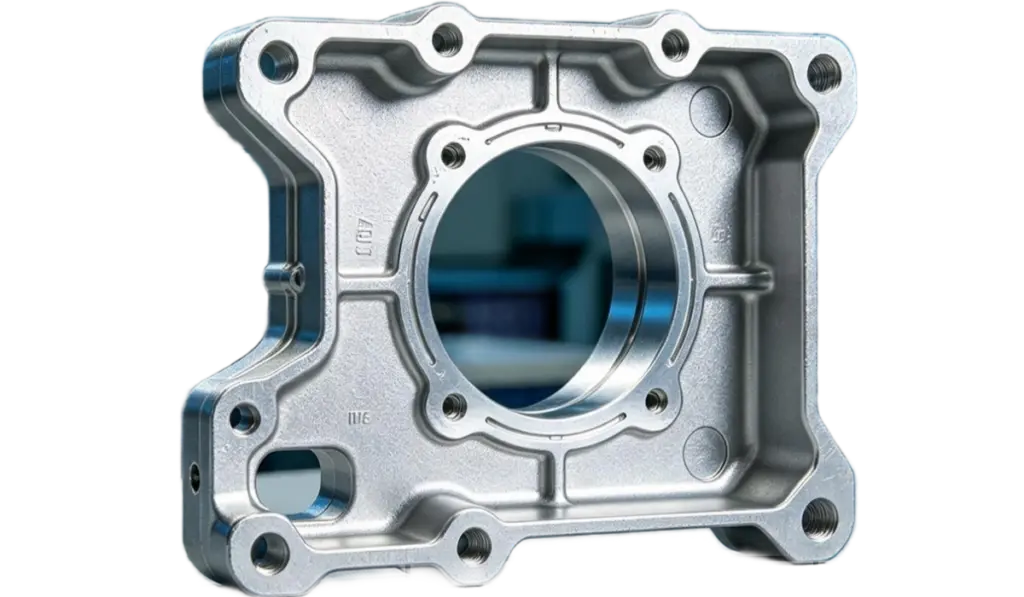
تحدد الإدارة الحرارية الآن حدود مصابيح LED وإلكترونيات الطاقة للمركبات الكهربائية. عندما ترتفع درجات الحرارة تقاطع, ينخفض إنتاج الضوء, مكثفات السائق تتقدم في العمر بشكل أسرع, وخلايا البطارية تتحلل بشكل غير متساو. وبالتالي فإن المادة التي تحمل تلك الحرارة خارج العبوة ليست مواصفات تفصيلية — إنه الخيار التمكيني. تشرح هذه المقالة المكان المناسب لسبائك الألومنيوم ذات الموصلية الحرارية العالية, كيف يموت الدرجات المصبوبة مثل AlSi8, LHB1, وHA7-S مقارنة مع المطاوع 6061, وما هي ضوابط العملية التي تحافظ على ادعاءات التوصيلية الكهربائية الخاصة بها صالحة في الإنتاج.
لماذا أصبحت الحرارة عنق الزجاجة في تصميم مصابيح LED والمركبات الكهربائية؟
تقوم شريحة LED بتحويل معظم طاقة الإدخال الخاصة بها إلى حرارة, وكل 10°يؤدي ارتفاع درجة حرارة الوصلة بشكل مستمر إلى تقصير عمر الخدمة بشكل واضح. تواجه حزم بطاريات السيارات الكهربائية وأجهزة الشحن المدمجة نفس المعادلة مع مخاطر أعلى, لأن التدرجات الحرارية تؤدي إلى عدم توازن الخلايا والشيخوخة المبكرة. في كلتا الحالتين، يكون السكن نفسه هو المسار الحراري الأساسي: يجب أن تنتقل الحرارة عبر جدار المبيت إلى الزعانف أو اللوحة الباردة قبل أن تصل إلى الهواء المحيط.
وهذا يجعل التوصيل الحراري لسبائك الإسكان معلمة على مستوى النظام. إن السكن الذي يوصل الحرارة بشكل سيئ يجبر المصممين على إضافة مساحة للزعانف, قوة المروحة, أو تخفيض الهوامش — وكلها تكلف أكثر من تكلفة ترقية السبائك. للحصول على سياق حول درجات الصب القياسية, ملكنا دليل إلى ADC12, A380, A360, وسبائك ENAC يغطي حيث تتصدر الكيمياء التقليدية.
ال 6061 المعيار: الموصلية ممتازة, عملية خاطئة
سبائك الألومنيوم 6061 الرقم الموصلية الحرارية تقريبا 167 ث / م·ك (مزاج T6) هو الرقم الذي نشأ عليه معظم المهندسين الحراريين, ولسبب وجيه: 6061 آلة الألواح إلى ألواح باردة وموزعات حرارة ممتازة. القيد هو التصنيع, ليس الأداء. 6061 عبارة عن سبيكة مشغولة ذات نطاق تصلب واسع, لذلك فهي تمزق بدلاً من أن تتدفق في آلة صب القوالب, ولا يمكنه ملء الجدار الرقيق, هندسة كثيفة الزعانف التي تتطلبها المساكن LED و EV.
تجهيز السكن من 6061 تشتري اللوحة أيضًا الموصلية بسعر القطعة الذي يكون منطقيًا فقط بكميات منخفضة, لأن معظم البليت يتحول إلى رقائق. للكميات السنوية التي تزيد عن بضعة آلاف من القطع, يتجه الاقتصاد بشكل حاسم نحو الاختيار.
السي8, LHB1, HA7-S: سبائك قابلة للصب مصممة للحرارة
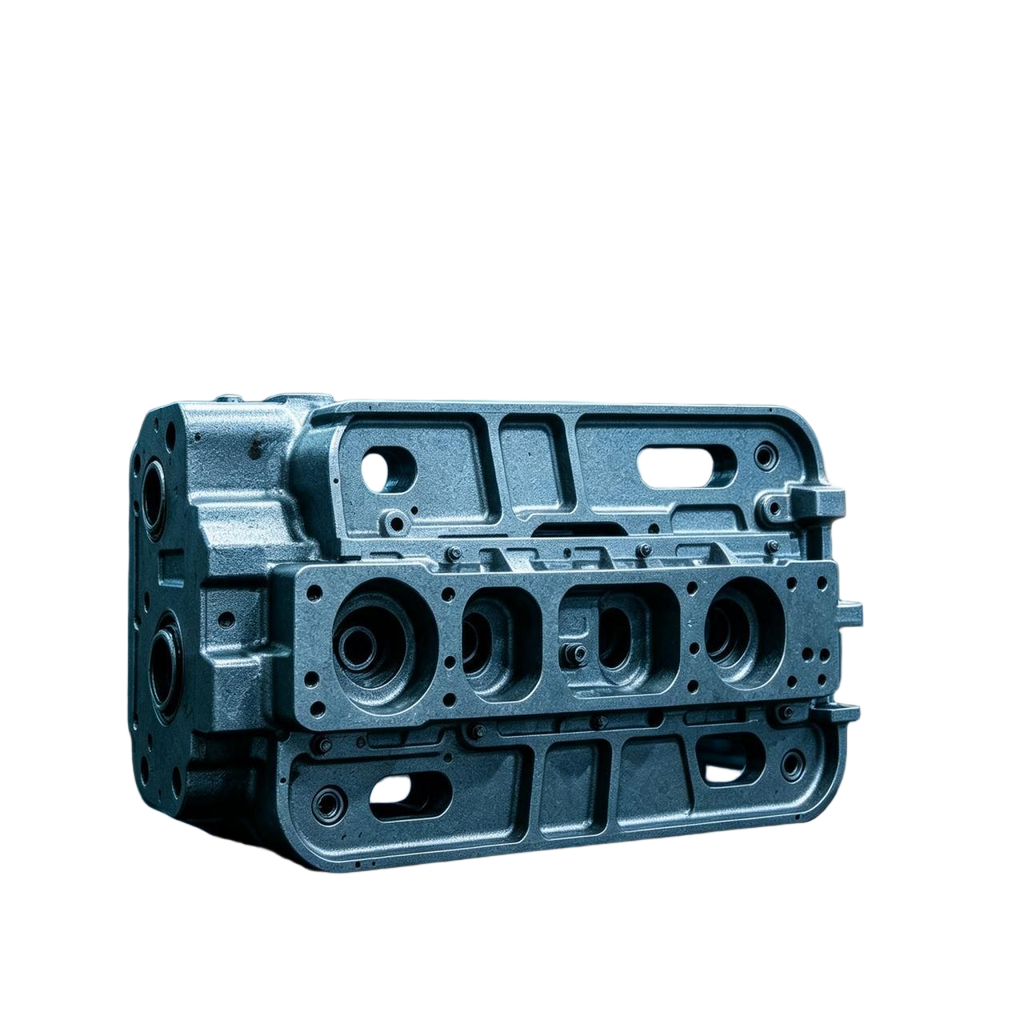
تهاجم سبائك الصب عالية الموصلية المشكلة من الجانب الكيميائي. تحمل سبائك الصب العادية 9–12% السيليكون للسيولة, لكن السيليكون المذاب في شبكة الألومنيوم يبعثر الإلكترونات التي تنقل الحرارة. تعمل درجات الموصلية العالية على قطع السيليكون إلى مستويات منخفضة جدًا وتحمل الشوائب مثل الحديد, النيكل, والزنك في النوافذ الضيقة, وهو ما يفتح أدائهم: المساكن يموت الصب في AlSi8, LHB1, وHA7-S تصل إلى الموصلية الحرارية التي تصل إلى 200 ث/(م·ك) — وهو رقم يطابق أو يتجاوز سبائك الألومنيوم 6061 معيار التوصيل الحراري مع البقاء قابلاً للصب بالكامل.
التجارة الهندسية حقيقية ويجب ذكرها بوضوح: مع كمية أقل من السيليكون, هذه السبائك أقل تسامحًا في القالب. إنهم يطالبون بتحكم أكثر صرامة في كيمياء الذوبان, درجات حرارة يموت منضبطة, ومحاكاة العملية أثناء تصميم الأدوات. يمكن للمسبك الذي يقوم بالفعل بإجراء فحوصات الطيف ومحاكاة التدفق أن يحافظ على إنتاج مستقر; الشخص الذي لا يستطيع أن يعاني من الإغلاق البارد على جدران الزعانف.
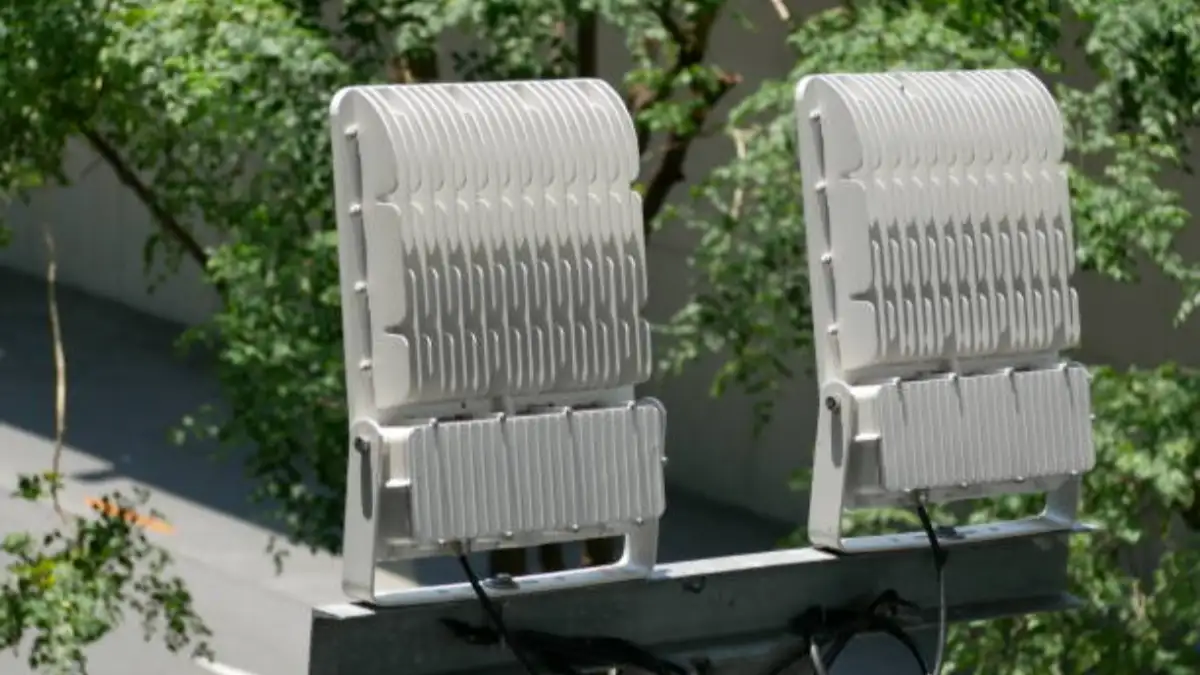
تطبيقات الإسكان LED: زعانف, ختم, وصيانة التجويف
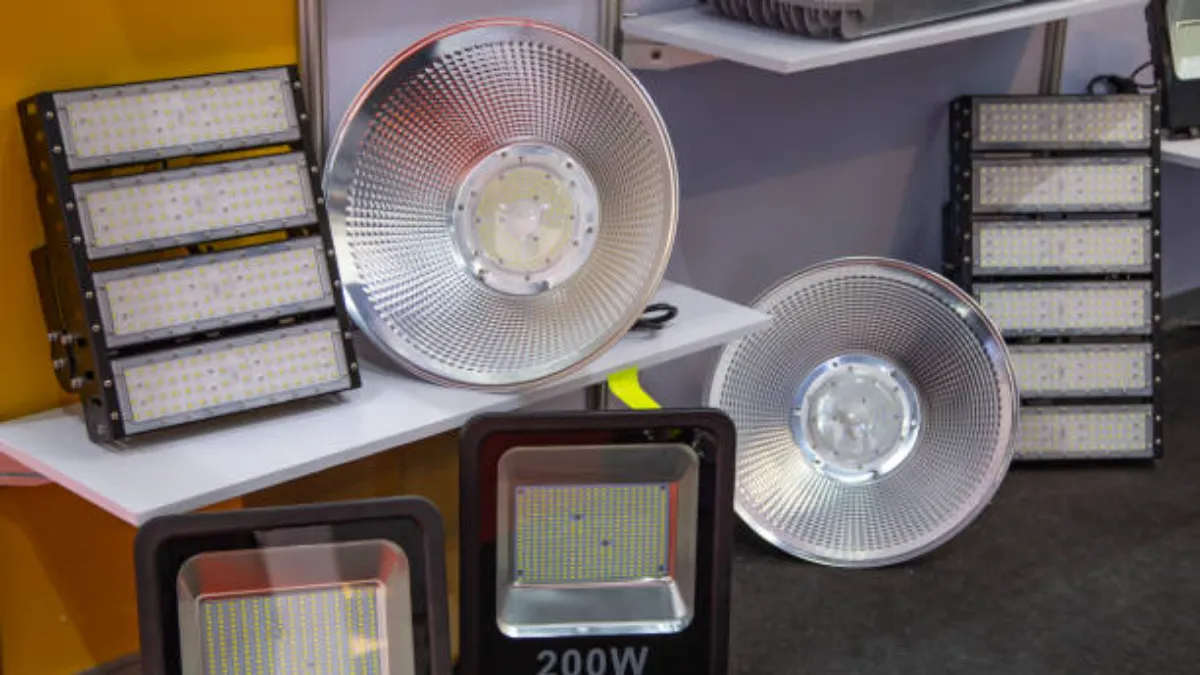
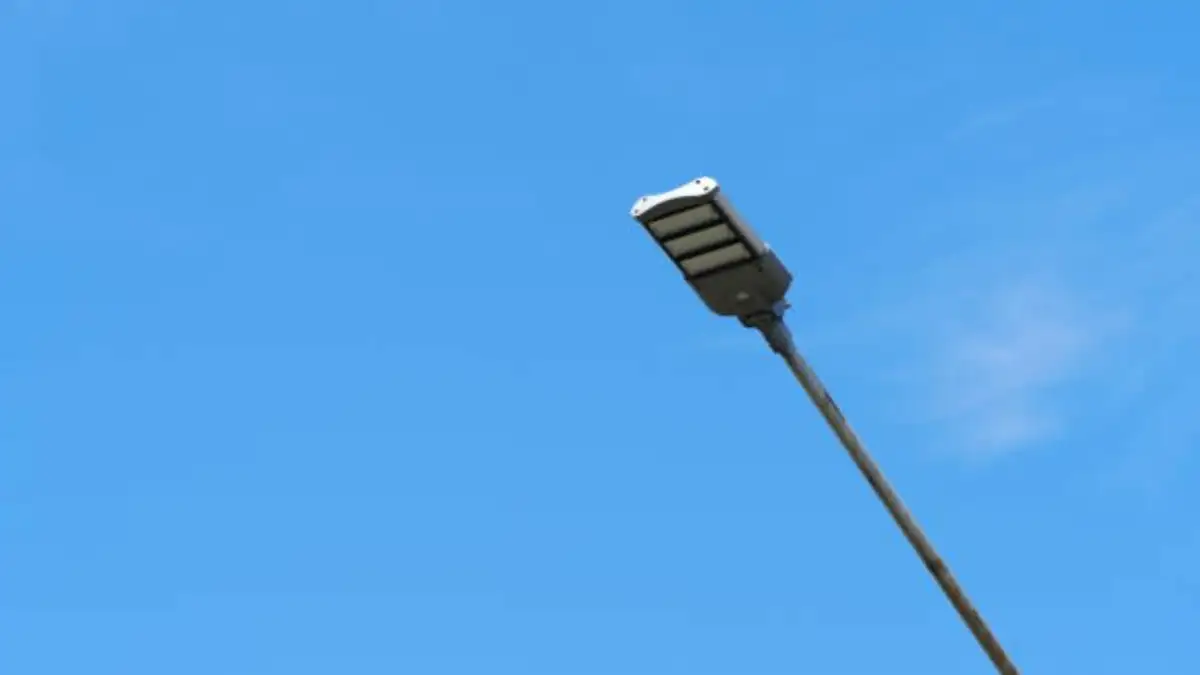
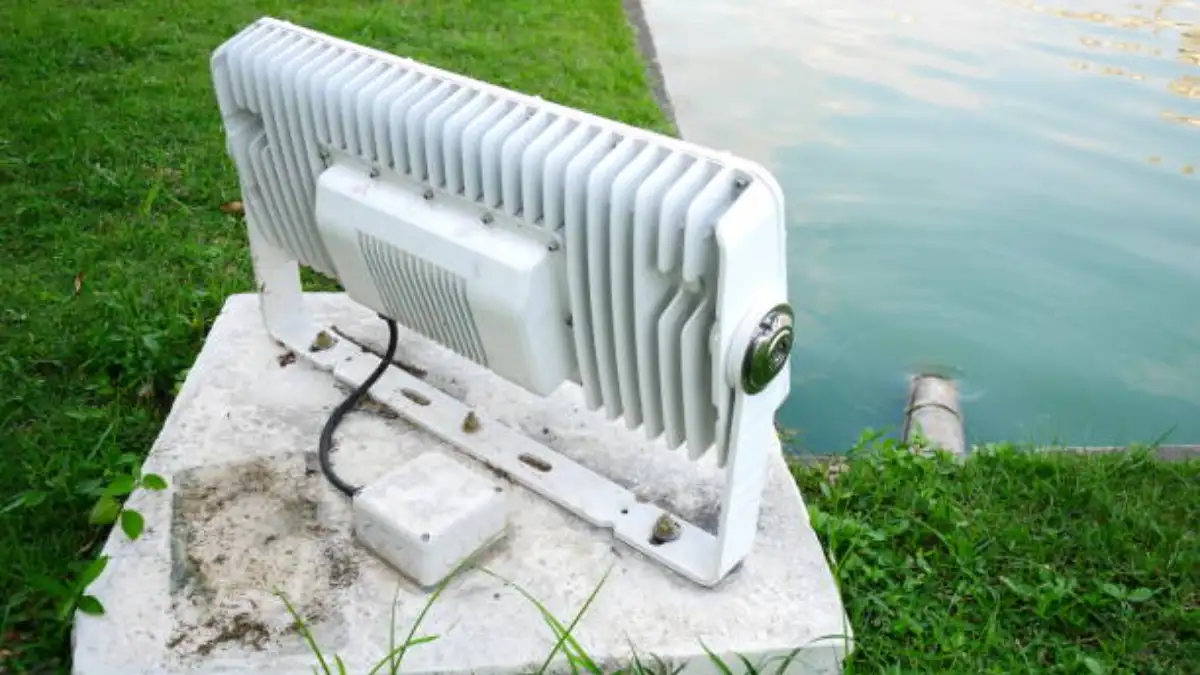
تعتبر مصابيح LED الخارجية هي التطبيق الرئيسي. يعمل غلاف LED المصبوب في سبيكة عالية الموصلية على نقل الحرارة من MCPCB عبر هيكل الزعنفة بشكل أسرع, الحفاظ على درجة حرارة الوصلة أقل عند نفس عدد الزعانف — أو السماح للمصممين بحذف الزعانف والوزن للوصول إلى التكلفة المستهدفة لوحدة الإنارة. تترجم درجة حرارة الوصلة المنخفضة مباشرة إلى انخفاض أبطأ في قيمة التجويف, وهو ما تشتريه محددات الإضاءة المترية بالفعل. يمكنك رؤية أمثلة الإنتاج في موقعنا محفظة أجزاء الإضاءة LED.
تضيف الخدمة الخارجية متطلبات الختم. يجب أن تجتاز أغلفة IP65 وIP67 اختبار تسرب الهواء وغمر الماء, ويجب أن يكون الصب نفسه خاليًا من المسامية التي من شأنها أن تخلق مسارًا للتسرب. يتحقق اكتشاف تسرب الهيليوم واختبار ضغط الهواء في صندوق التفريغ من كل عائلة من المساكن قبل إطلاقها, لأن السبائك المحسنة للتوصيل لا قيمة لها إذا بكى السكن في موسم الرياح الموسمية الأول.
تطبيقات المركبات الكهربائية والبطاريات: فرقة العمل الدولية 16949 حاجِز
برامج السيارات الكهربائية ترفع المستوى مرة أخرى. يغطي علبة البطارية, المساكن العاكس, ويجب أن تلبي الدروع الطرفية للمحرك المصنوعة من السبائك عالية الموصلية متطلبات نظام جودة السيارات — وهو ما يعني بالنسبة لمورد OEM المؤهل IATF 16949 التحكم المعتمد في العمليات من الذوبان إلى الشحن. متطلبان يسيطران على العمل اليومي:
النظافة والكثافة. يحدد عملاء السيارات حدود النظافة التي يجب أن تستوفيها الأجزاء الواردة, يتم التحقق منها بواسطة أنظمة استخلاص وتحليل النظافة الأوتوماتيكية, في حين أن اختبار كثافة الهيدروجين في الذوبان يبقي المسامية الداخلية أقل من المستويات التي من شأنها أن تقلل من الموصلية وضيق الضغط.
الانضمام والتتبع. يقوم اللحام بالاحتكاك بربط نصفي غلاف المصبوب دون إدخال الفراغات التي يتركها اللحام بالصهر في السبائك عالية السيليكون, ويؤكد فحص القسم المعدني تحت المجهر وجود المفصل. تربط الرموز المميزة بالليزر كل مسكن ببيانات الذوبان والمعالجة من خلال نظام MES, لذا فإن السؤال الميداني بعد ثلاث سنوات يعود بنافذة إنتاج محددة.
ضوابط العملية التي تحافظ على الموصلية العالية
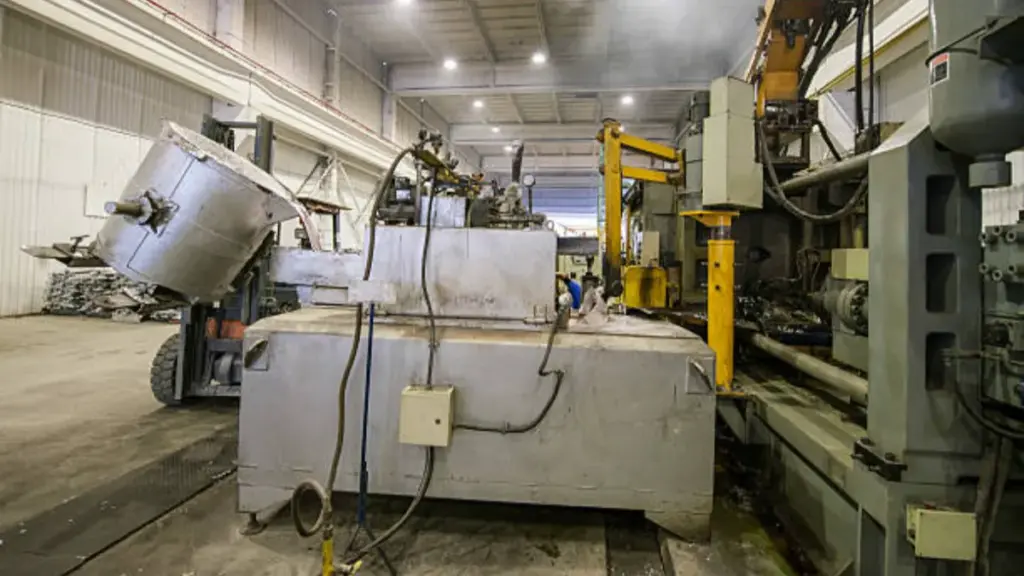
الموصلية ليست فقط الكيمياء; هذا ما يفعله المسبك بالذوبان بعد ذلك. يشكل الهيدروجين المذاب مسامًا تقطع مسارات الحرارة, لذلك يتم قياس كثافة الهيدروجين الذائب بدلاً من افتراضها. يتم صهر المواد المعاد تدويرها وتنقيتها في فرن مركزي بموجب كيمياء خاضعة للرقابة بدلاً من إعادة صهرها بشكل مجزأ في كل آلة. ولأن الهامش بين 190 و 200 ث / م·يعيش K في العناصر النزرة, يتم فحص كيمياء العملية كل ساعتين مقابل مقياس الطيف, ليس مرة واحدة لكل وردية.
يمكن للمشترين التحقق من كل هذا دون أخذه على محمل الجد: ترافق تقارير اختبار المواد الخام الشحنات مجانًا, يوضح الكيمياء الفعلية للحرارة التي جاءت منها أجزائك. العناصر ذات الصلة بالموصلية (السيليكون, حديد, نحاس) مدرجة, حتى يتمكن فريقك القادم من التحقق منها وفقًا للمواصفات المتفق عليها. ال نظرة عامة على ورشة العمل يظهر فرن الصهر المركزي, مختبر الطيف, ومركز التفتيش حيث يتم إجراء تلك الشيكات.
الاختيار بين 6061 والمسبوكات عالية الموصلية
يلخص الجدول أدناه متى يفوز كل مسار. يفترض أن هندسة السكن صديقة للصب; إذا كان الجزء عبارة عن لوحة بسيطة, الآلات 6061 يظل خيارًا مشروعًا بحجم منخفض. تعامل مع أي رقم ورقة بيانات الموصلية على أنه مؤقت حتى يتم تأكيده عند مستوى الذوبان: يتم التحقق من درجات التخصص لكل حرارة باستخدام سجلات مطياف, وليست عينات مخبرية.
| مادة / طريق | الموصلية الحرارية (تقريبا.) | الحرية الهندسية | التكلفة بالحجم | أفضل ملاءمة |
|---|---|---|---|---|
| 6061-T6 تشكيله | ~167 واط/م·ك | محدودة عن طريق الوصول إلى القاطع | عالي (فقدان الرقاقة) | ألواح باردة منخفضة الحجم, كتل بسيطة |
| قالب صب ADC12 | ~90–100 ث / م·ك | جدار رقيق ممتاز | قليل | المساكن المدفوعة بالتكلفة دون أهداف حرارية |
| AlSi8 المدلى بها | ~180 واط/م·ك | جدار رقيق ممتاز | منخفضة-متوسطة | برامج تشغيل LED, لوحات حرارية |
| LHB1 / قالب صب HA7-S | ما يصل إلى ~ 200 واط / م·ك | جدار رقيق ممتاز | منخفضة-متوسطة | مساكن الإنارة LED, المساكن EV |
إذا كان الرسم الخاص بك يحمل هدف المقاومة الحرارية, أسرع طريقة لاتخاذ القرار هي تبادل سوق دبي المالي مع المسبك الذي سيقوم بصبه — أرسل الرسم والهدف من خلال موقعنا صفحة الاتصال وتعود توصية السبائك مع الاقتباس.
التعليمات
ما هي الموصلية الحرارية لسبائك الألومنيوم 6061?
6061 في مزاج T6 يجري تقريبًا 167 ث / م·ك, مما جعله المعيار الافتراضي لأحواض الحرارة الآلية والألواح الباردة. القيد هو العملية, ليس الرقم: 6061 هي سبيكة مشغولة لا يمكن صبها بالضغط العالي, لذا فإن الوصول إليها في مبيت معقد يعني عادةً تصنيعها من اللوحة بتكلفة عالية للقطعة.
كيف يموت الصب AlSi8, الوصول إلى LHB1 وHA7-S 200 ث/(م·ك)?
لقد قطعوا السيليكون أقل بكثير من 9–12% من سبائك الصب القياسية وتحمل عناصر الشوائب في النوافذ الضيقة. لأن السيليكون المذاب ينثر الإلكترونات التي تحمل الحرارة, الكيمياء منخفضة السيليكون ترفع الموصلية نحو 200 ث/(م·ك) سقف. التجارة هي عملية صب أقل تسامحا, ولهذا السبب تتطلب هذه الدرجات إجراء فحوصات كيميائية بمقياس الطيف كل ساعتين ومعالجة منضبطة للذوبان.
هي علب عالية التوصيل متوافقة مع مانع التسرب IP65/IP67?
نعم, بشرط التحقق من المسبوكات, لا يفترض. المسامية هي خطر التسرب في أي قالب صب, لذلك يتم فحص عائلات وحدات الإنارة باستخدام أجهزة اختبار تسرب الهواء ومعدات الهيليوم ذات الصناديق المفرغة قبل إطلاقها. تتوافق تصميمات العلب التي تدمج أخاديد الحشيات وأوجه الغلق الآلية مع متطلبات الغمر IP65 وIP67 مع سبائك عالية الموصلية تمامًا كما تفعل المسبوكات التقليدية.
متى يجب أن يتحرك جزء EV من 6061 إلى سبيكة عالية الموصلية?
التحرك عند تكديس ثلاثة شروط: الهندسة لها جدران رقيقة أو زعانف معقدة, الحجم السنوي يتجاوز بضعة آلاف من القطع, ويقع الهدف الحراري بين ما يقدمه ADC12 وما يتم تصنيعه بالكامل 6061 سيكلف. درجات الصب مثل AlSi8, LHB1, ثم يوفر HA7-S توصيلًا قريبًا من 6061 مع اقتصاديات الصب, تحت IATF 16949 التحكم في العمليات لبرامج السيارات.