>

High Thermal Conductivity Aluminum Alloys: AlSi8, LHB1, HA7-S for LED and EV Applications

High Thermal Conductivity Aluminum Alloys: AlSi8, LHB1, HA7-S for LED and EV Applications

목차

Thermal management now decides the limits of LED luminaires and EV power electronics. When junction temperatures climb, light output drops, driver capacitors age faster, and battery cells degrade unevenly. The material that carries that heat out of the package is therefore not a detail specificationit is the enabling choice. This article explains where high thermal conductivity aluminum alloys fit, how die-cast grades such as AlSi8, LHB1, and HA7-S compare with wrought 6061, and which process controls keep their conductivity claims valid in production.

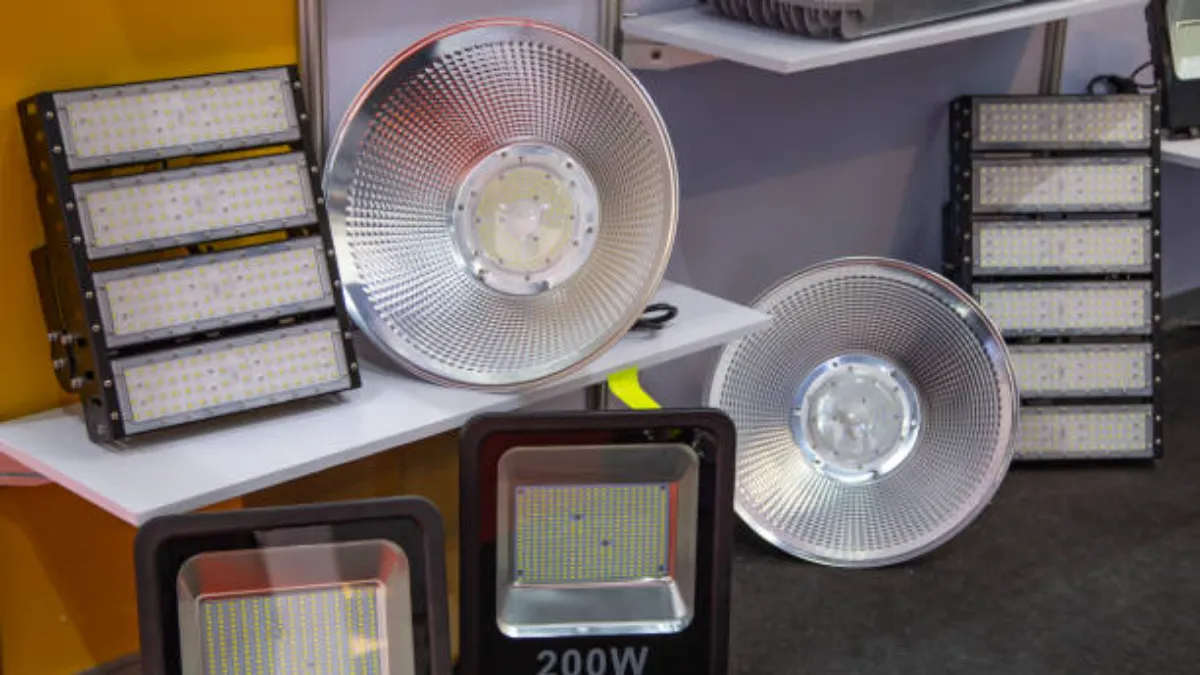
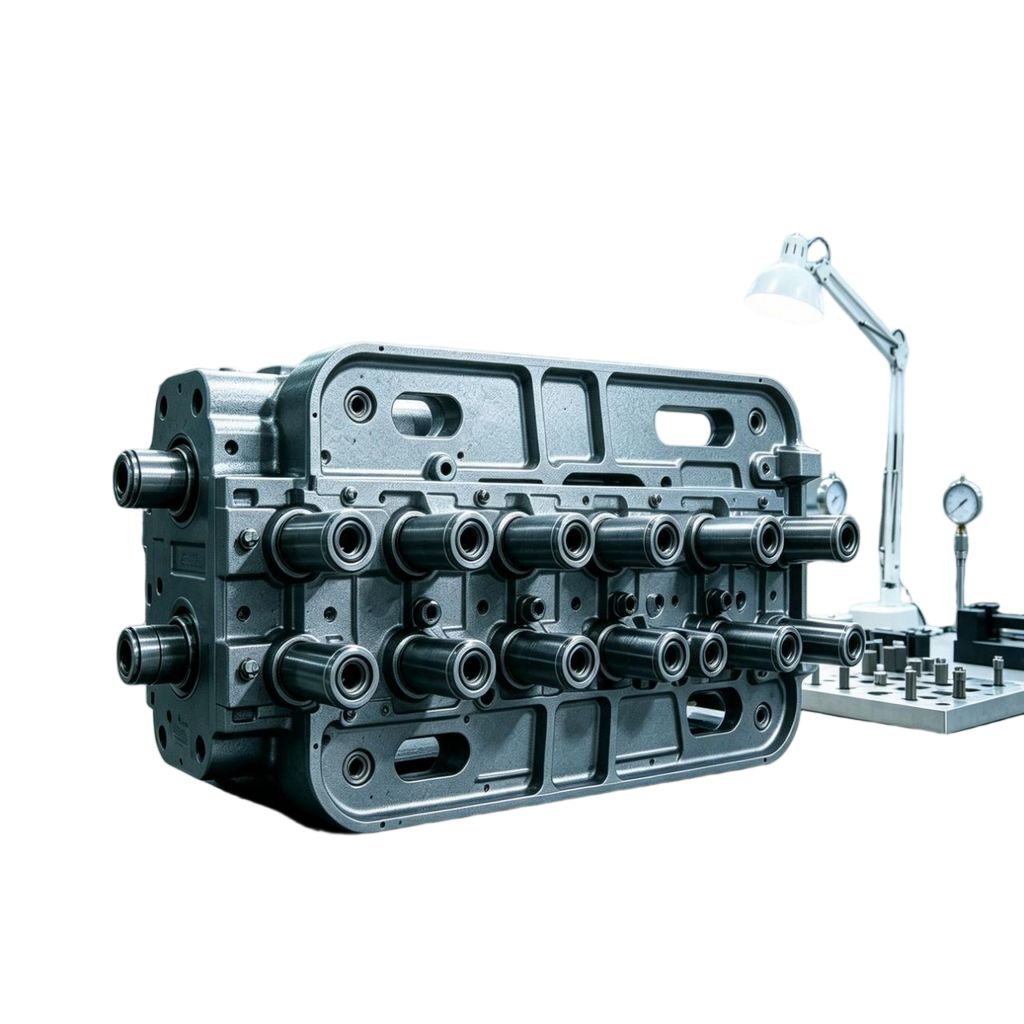
Die cast aluminum LED housing with integrated cooling fins

Why Heat Became the Bottleneck in LED and EV Design

An LED chip converts most of its input power into heat, and every 10°C of sustained junction temperature rise visibly shortens its service life. EV battery packs and onboard chargers face the same equation with higher stakes, because thermal gradients drive cell imbalance and premature aging. In both cases the housing itself is the primary heat path: heat must travel through the housing wall to fins or a cold plate before it ever reaches ambient air.

That makes the housing alloy’s thermal conductivity a system-level parameter. A housing that conducts heat poorly forces designers to add fin area, fan power, or derating marginsall of which cost more than the alloy upgrade would have. For context on the standard casting grades, 우리의 guide to ADC12, A380, A360, and ENAC alloys covers where conventional chemistry tops out.

그만큼 6061 Benchmark: Excellent Conductivity, Wrong Process

The aluminum alloy 6061 thermal conductivity figure of roughly 167 W/m·K (T6 temper) is the number most thermal engineers grew up with, 그리고 정당한 이유로: 6061 plates machine into excellent cold plates and heat spreaders. The limitation is manufacturing, not performance. 6061 is a wrought alloy with a wide solidification range, so it tears rather than flows in a die casting machine, and it cannot fill the thin-wall, fin-dense geometry that LED and EV housings demand.

Machining a housing from 6061 plate also buys conductivity at a piece-price that only makes sense in low volumes, because most of the billet becomes chips. For annual volumes above a few thousand pieces, the economics flip decisively toward casting.

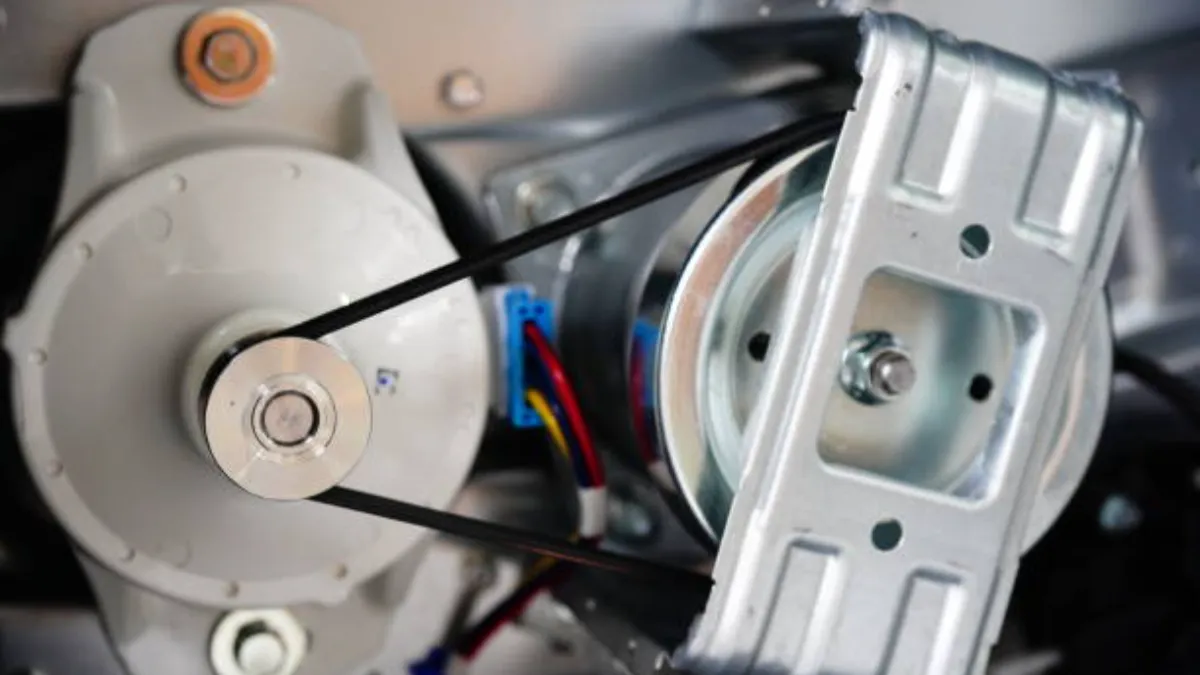
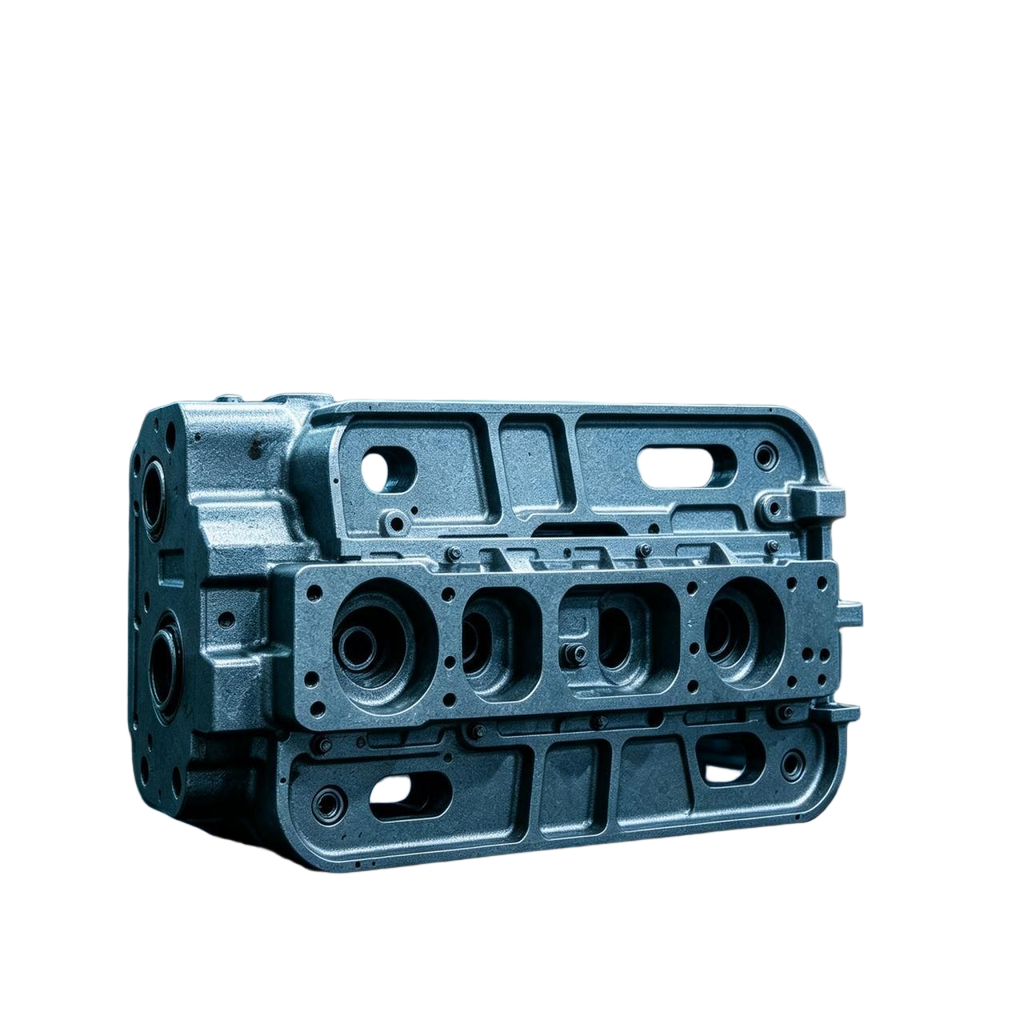
Electric motor housing cast in high conductivity aluminum alloy

AlSi8, LHB1, HA7-S: Die-Castable Alloys Built for Heat

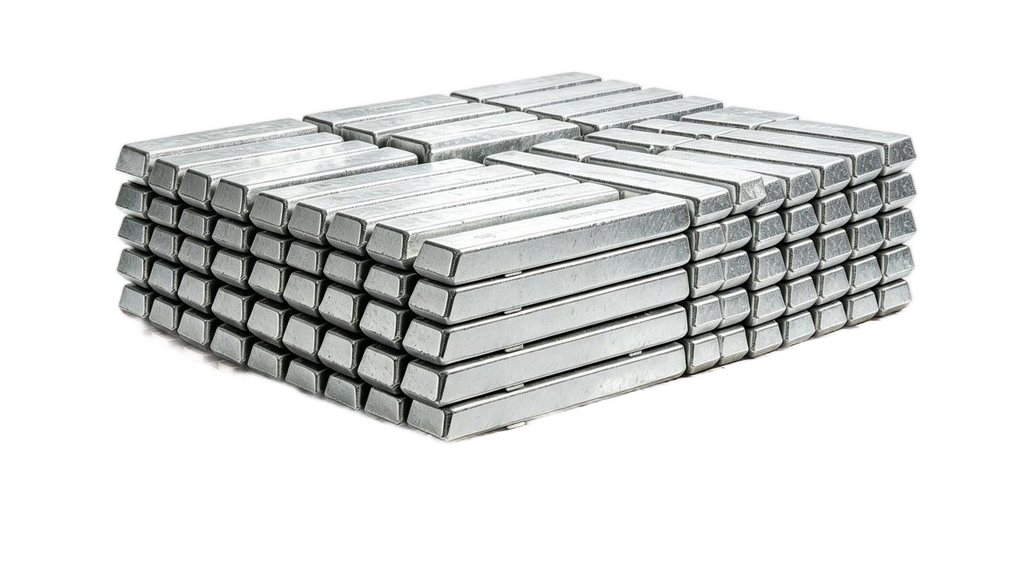
High-conductivity die casting alloys attack the problem from the chemistry side. Ordinary casting alloys carry 9–12% silicon for fluidity, but silicon dissolved in the aluminum lattice scatters the electrons that transport heat. The high-conductivity grades cut silicon to very low levels and hold impurities such as iron, 니켈, and zinc in tight windows, which is what unlocks their performance: die-cast housings in AlSi8, LHB1, and HA7-S reach thermal conductivity of up to 200 승/(중·K) — a figure that matches or exceeds the aluminum alloy 6061 thermal conductivity benchmark while remaining fully die castable.

The engineering trade is real and should be stated plainly: with less silicon, these alloys are less forgiving in the die. They demand tighter melt chemistry control, disciplined die temperatures, and process simulation during tooling design. A foundry that already runs spectrometer checks and flow simulation can hold them in stable production; one that cannot will struggle with cold shuts on fin walls.

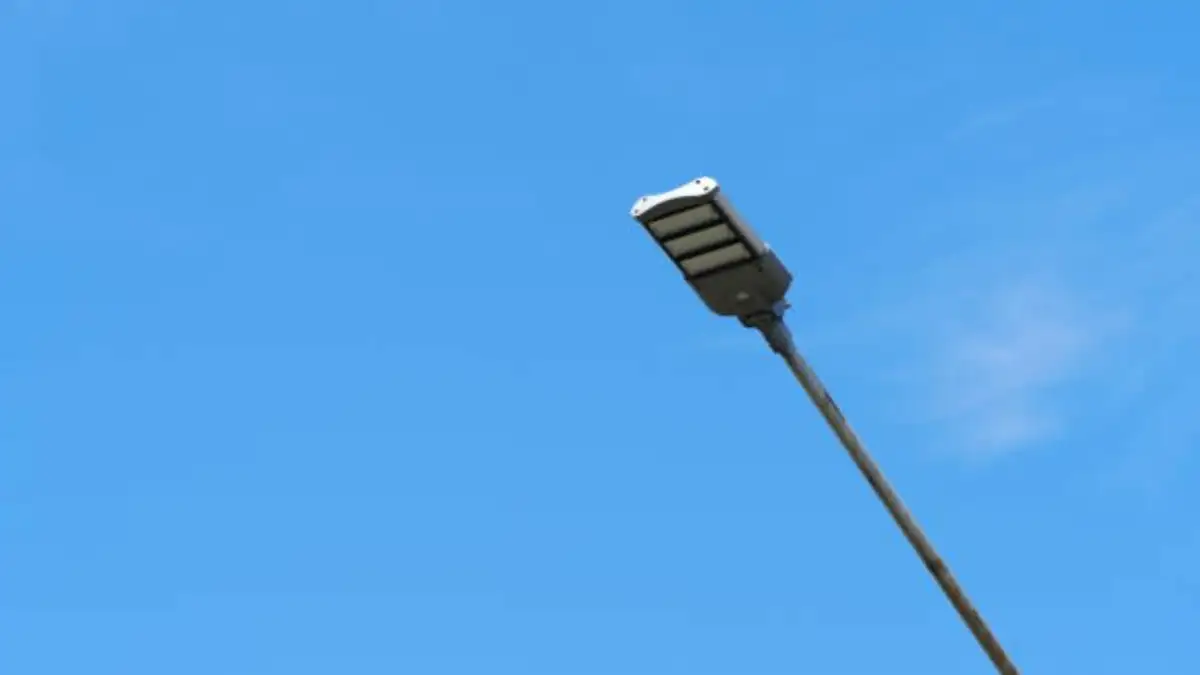
Modern street lamp housings die cast in high conductivity aluminum

LED Housing Applications: Fins, 씰링, and Lumen Maintenance

Outdoor LED luminaires are the flagship application. A die cast LED housing in a high-conductivity alloy moves heat from the MCPCB through the fin structure faster, keeping junction temperature lower at the same fin countor letting designers delete fins and weight to hit a luminaire cost target. Lower junction temperature directly translates into slower lumen depreciation, which is the metric lighting specifiers actually buy. You can see production examples in our LED lighting parts portfolio.

Outdoor service adds a sealing requirement. IP65 and IP67 housings must pass air-leak and water-immersion testing, and the casting itself must be free of through-porosity that would create a leak path. Helium leak detection and vacuum-box air pressure testing verify each family of housings before release, because a conductivity-optimized alloy is worthless if the housing weeps in the first monsoon season.

LED street lamp with energy saving technology using cast aluminum housing

EV and Battery Applications: The IATF 16949 Bar

EV programs raise the bar again. Battery tray covers, 인버터 하우징, and motor end shields in high-conductivity alloys must meet automotive quality system requirementswhich for a qualified OEM supplier means IATF 16949 certified process control from melt to shipment. Two requirements dominate the daily work:

Cleanliness and density. Automotive customers specify cleanliness limits that incoming parts must meet, verified by automatic cleanliness extraction and analysis systems, while hydrogen density testing of the melt keeps internal porosity below levels that would cut both conductivity and pressure-tightness.

Joining and traceability. Friction welding joins cast housing halves without introducing the voids that fusion welding leaves in high-silicon alloys, and metallurgical section inspection under a microscope confirms the joint. Laser-marked codes link every housing to its melt and process data through the MES system, so a field question three years later traces back to a specific production window.

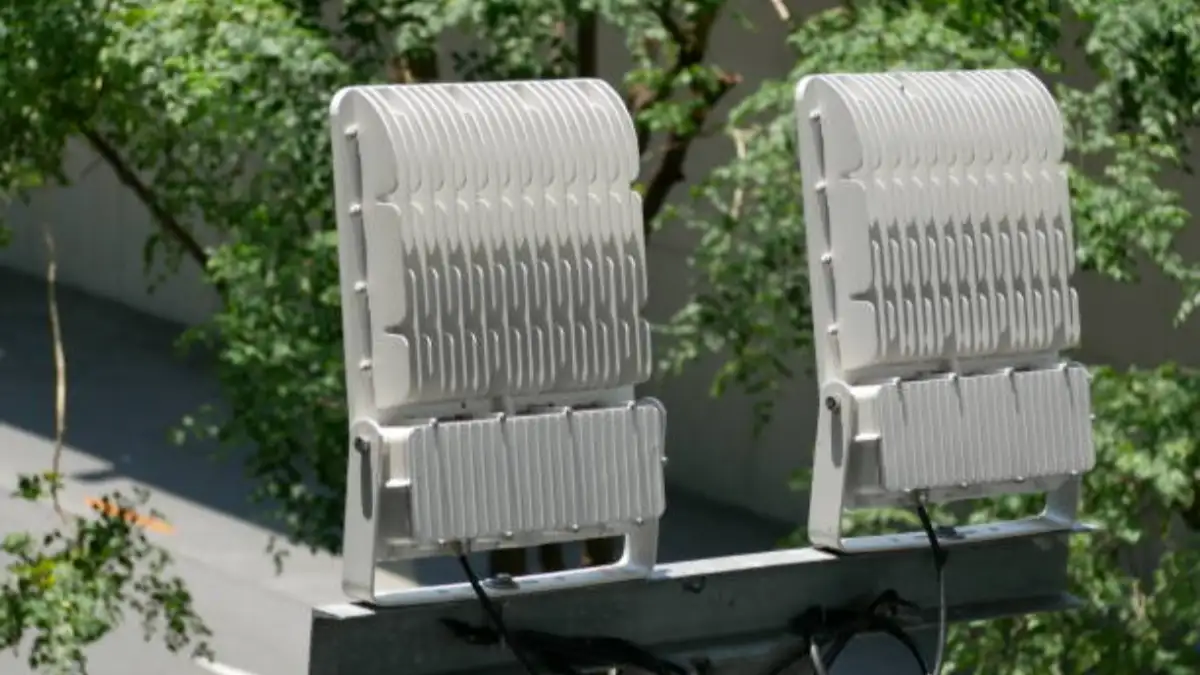
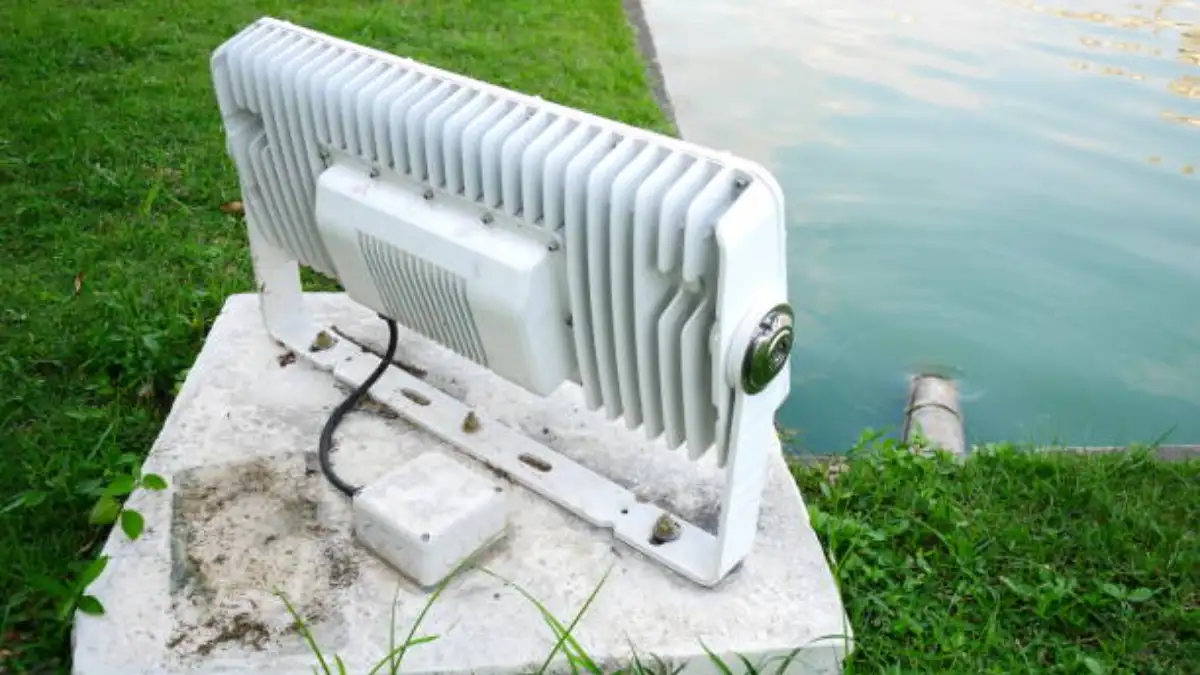
LED floor power light housings in die cast aluminum

Process Controls That Keep Conductivity High

Conductivity is not only chemistry; it is what the foundry does to the melt afterward. Dissolved hydrogen forms pores that interrupt heat paths, so melt hydrogen density is measured rather than assumed. Recycled returns are melted and refined in a central furnace under controlled chemistry instead of being remelted piecemeal at each machine. And because the margin between 190 그리고 200 W/m·K lives in trace elements, process chemistry is checked every two hours against the spectrometer, not once per shift.

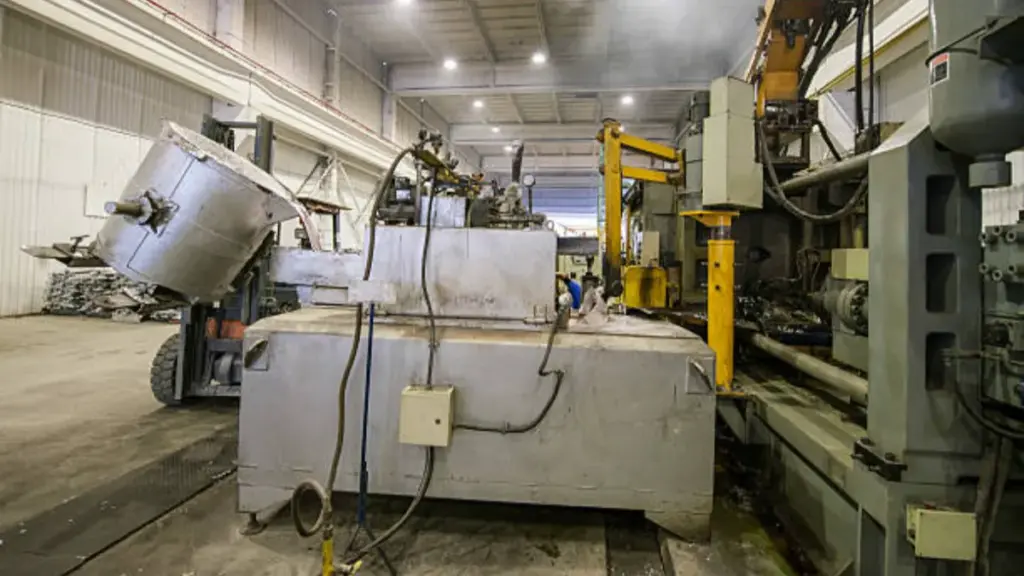
Buyers can verify all of this without taking it on faith: raw material test reports accompany shipments at no charge, stating the actual chemistry of the heat your parts came from. Conductivity-relevant elements (규소, 철, 구리) are listed, so your incoming team can check them against the agreed specification. 그만큼 workshop overview shows the central melting furnace, spectrometer lab, and inspection center where those checks run.

Choosing Between 6061 and High-Conductivity Castings

The table below summarizes when each route wins. It assumes the housing geometry is casting-friendly; if the part is a simple plate, 가공 6061 remains a legitimate choice at low volume. Treat any conductivity datasheet number as provisional until it is confirmed at melt level: the specialty grades are verified per heat with spectrometer logs, not laboratory samples.

재료 / Route 열전도율 (approx.) Geometry Freedom Cost at Volume Best Fit
6061-T6 machined ~167 W/m·K Limited by cutter access 높은 (chip loss) Low-volume cold plates, simple blocks
ADC12 die cast ~90–100 W/m·K Excellent thin-wall 낮은 Cost-driven housings without thermal targets
AlSi8 die cast ~180 W/m·K Excellent thin-wall Low-moderate LED 드라이버, thermal plates
LHB1 / HA7-S die cast up to ~200 W/m·K Excellent thin-wall Low-moderate LED luminaire housings, EV 하우징

If your drawing carries a thermal resistance target, the fastest way to a decision is a DFM exchange with the foundry that will pour itsend the drawing and target through our 연락처 페이지 and the alloy recommendation comes back with the quote.

자주하는 질문

What is the thermal conductivity of aluminum alloy 6061?

6061 in the T6 temper conducts roughly 167 W/m·K, which has made it the default benchmark for machined heat sinks and cold plates. The constraint is the process, not the number: 6061 is a wrought alloy that cannot be high-pressure die cast, so reaching it in a complex housing normally means machining from plate at high piece cost.

How do die-cast AlSi8, LHB1 and HA7-S reach 200 승/(m·K)?

They cut silicon far below the 9–12% of standard casting alloys and hold impurity elements in narrow windows. Since dissolved silicon scatters the electrons that carry heat, the low-silicon chemistry raises conductivity toward the 200 승/(중·K) ceiling. The trade is a less forgiving casting process, which is why these grades require spectrometer chemistry checks every two hours and disciplined melt handling.

Are high-conductivity housings compatible with IP65/IP67 sealing?

예, provided the castings are verified, not assumed. Through-porosity is the leak risk in any die casting, so luminaire families are checked with air-leak testers and vacuum-box helium equipment before release. Housing designs that integrate gasket grooves and machined sealing faces pass IP65 and IP67 immersion requirements with high-conductivity alloys just as conventional castings do.

When should an EV part move from 6061 to a cast high-conductivity alloy?

Move when three conditions stack: the geometry has thin walls or complex fins, annual volume exceeds a few thousand pieces, and the thermal target sits between what ADC12 delivers and what fully machined 6061 would cost. Die-cast grades such as AlSi8, LHB1, and HA7-S then provide near-6061 conduction with casting economics, under IATF 16949 process control for automotive programs.

공유하다:

사이먼 푸

나는 Bian Diecast의 창립자입니다., 고성능 금형과 고품질 알루미늄 다이캐스트 부품을 전문으로 하는 정밀 다이캐스팅 솔루션 제공업체. 오버 100 성공적인 프로젝트 제공 15+ 국가, 저는 금형 설계 및 최적화부터 대규모 주조 생산에 이르기까지 전체 가치 사슬에 걸쳐 심층적인 전문 지식을 제공합니다.. 오늘, 우리는 중국 최고 수준의 전략적 공급업체 역할을 자랑스럽게 수행하고 있습니다. 5 전기차 브랜드, DC/DCC/OBC/PTC/EVCC 컨버터 하우징 및 구조 부품과 같은 중요한 다이캐스트 부품 생산. 더 스마트하게 만드는 데 도움이 되는 실무적인 공장 통찰력을 공유합니다., 보다 확실한 소싱 결정 - 맞춤형 금형이 필요한지, 즉시 설치 가능한 주물이 필요한지 여부. 다음 프로젝트를 위한 전문 제조 지원이 필요합니다.? 얘기하자.

메시지 보내기

목차

왓츠앱
×