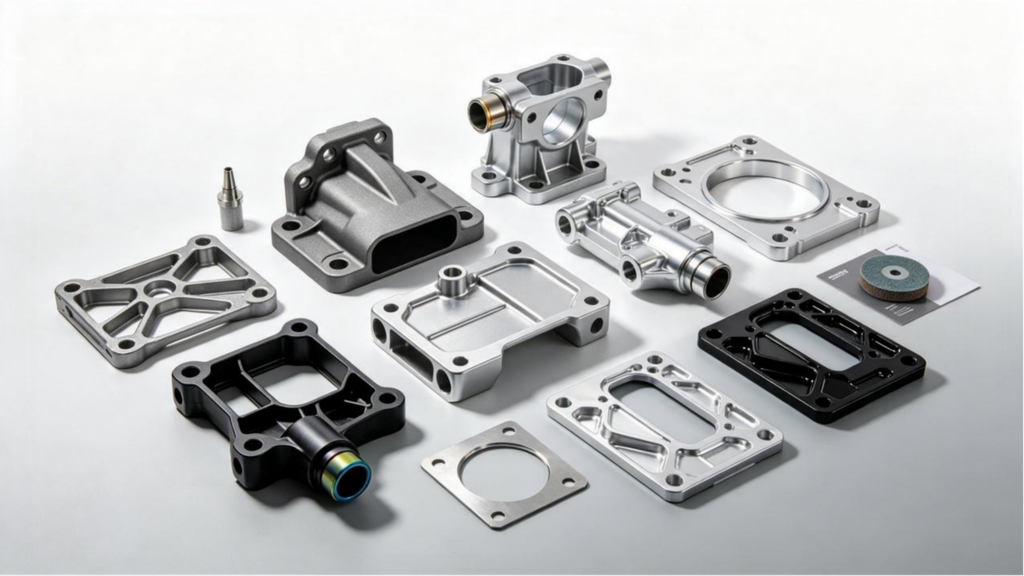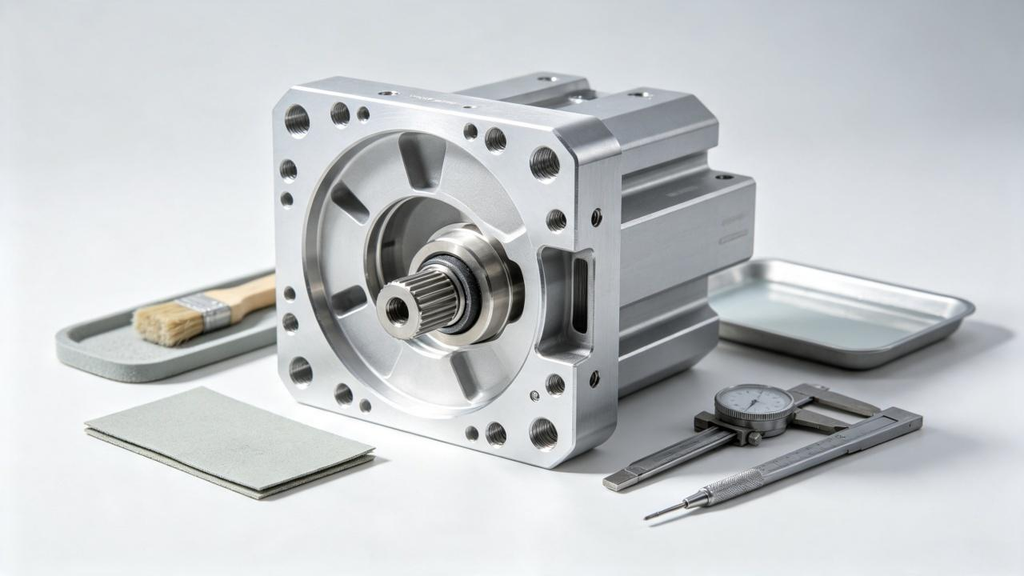
La gestion thermique détermine désormais les limites des luminaires LED et de l'électronique de puissance EV. Quand les températures de jonction grimpent, le rendement lumineux diminue, les condensateurs du pilote vieillissent plus vite, et les cellules de la batterie se dégradent de manière inégale. Le matériau qui transporte cette chaleur hors de l'emballage ne constitue donc pas une spécification détaillée. — c'est le choix permettant. Cet article explique où s'intègrent les alliages d'aluminium à haute conductivité thermique, comment les nuances moulées sous pression telles que AlSi8, LHB1, et HA7-S comparer avec forgé 6061, et quels contrôles de processus maintiennent leurs allégations de conductivité valides en production.
Pourquoi la chaleur est devenue le goulot d'étranglement dans la conception des LED et des véhicules électriques
Une puce LED convertit la majeure partie de sa puissance d'entrée en chaleur, et tous les 10°C d'une augmentation soutenue de la température de jonction raccourcit visiblement sa durée de vie. Les batteries de véhicules électriques et les chargeurs embarqués sont confrontés à la même équation avec des enjeux plus élevés, parce que les gradients thermiques entraînent un déséquilibre cellulaire et un vieillissement prématuré. Dans les deux cas, le boîtier lui-même constitue le principal chemin de chaleur.: la chaleur doit traverser la paroi du boîtier jusqu'aux ailettes ou à une plaque froide avant d'atteindre l'air ambiant.
Cela fait de la conductivité thermique de l’alliage du boîtier un paramètre au niveau du système. Un boîtier qui conduit mal la chaleur oblige les concepteurs à ajouter une surface d'aileron, puissance du ventilateur, ou marges de déclassement — qui coûtent tous plus cher que ce que la mise à niveau de l'alliage aurait eu. Pour le contexte sur les qualités de moulage standard, notre guide de l'ADC12, A380, A360, et alliages ENAC couvre les domaines où la chimie conventionnelle atteint son maximum.
Le 6061 Référence: Excellente conductivité, Mauvais processus
L'alliage d'aluminium 6061 chiffre de conductivité thermique d'environ 167 F/m·K (Trempe T6) est le chiffre avec lequel la plupart des ingénieurs thermiques ont grandi, et pour cause: 6061 les plaques sont transformées en d'excellentes plaques froides et dissipateurs de chaleur. La limitation est la fabrication, pas de performances. 6061 est un alliage corroyé avec une large plage de solidification, donc ça se déchire plutôt que de couler dans une machine de moulage sous pression, et il ne peut pas remplir la paroi mince, géométrie dense en ailettes exigée par les boîtiers LED et EV.
Usinage d'un boîtier à partir de 6061 la plaque achète également de la conductivité à un prix à la pièce qui n'a de sens que dans de faibles volumes, parce que la majeure partie de la billette devient des copeaux. Pour des volumes annuels supérieurs à quelques milliers de pièces, l'économie s'oriente résolument vers le casting.
AlSi8, LHB1, HA7-S: Alliages moulés sous pression conçus pour la chaleur
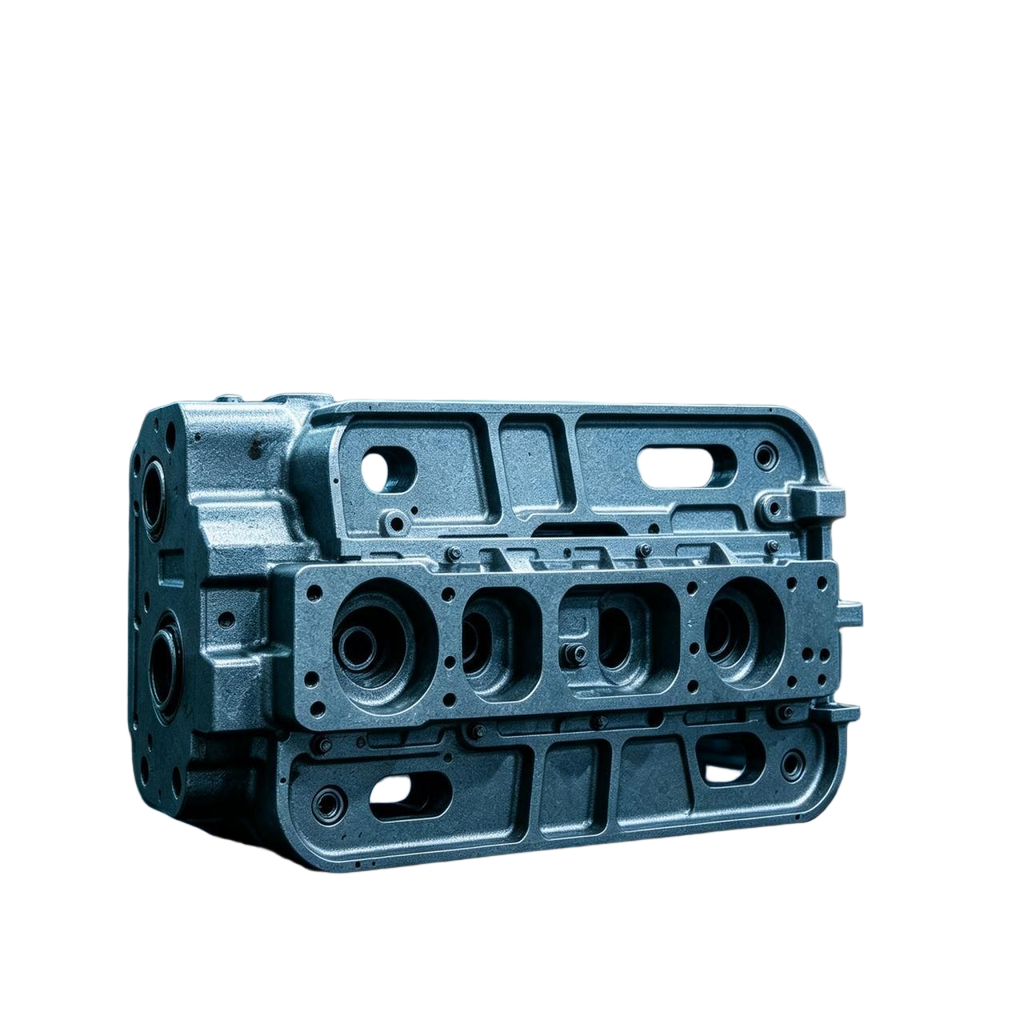
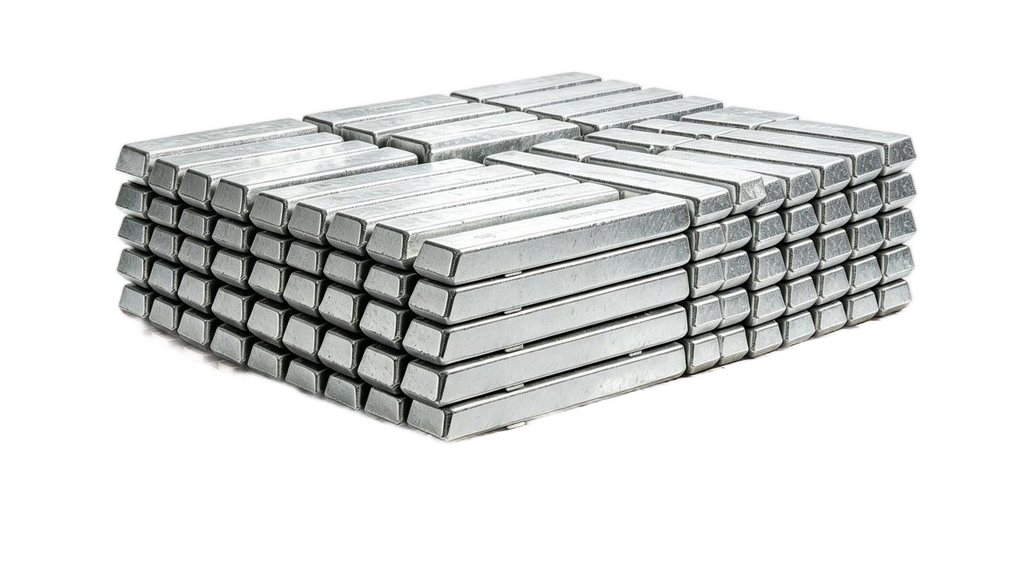
Les alliages de moulage sous pression à haute conductivité attaquent le problème du point de vue chimique. Les alliages de coulée ordinaires portent 9–12% du silicium pour la fluidité, mais le silicium dissous dans le réseau d'aluminium disperse les électrons qui transportent la chaleur. Les qualités à haute conductivité réduisent le silicium à des niveaux très bas et retiennent les impuretés telles que le fer., nickel, et du zinc dans les fenêtres étroites, c'est ce qui débloque leur performance: boîtiers moulés sous pression en AlSi8, LHB1, et HA7-S atteignent une conductivité thermique allant jusqu'à 200 Avec(m·K) — un chiffre qui correspond ou dépasse l'alliage d'aluminium 6061 référence de conductivité thermique tout en restant entièrement coulable sous pression.
Le métier d’ingénieur est réel et doit être clairement énoncé: avec moins de silicium, ces alliages pardonnent moins dans la matrice. Ils exigent un contrôle plus strict de la chimie des matières fondues, températures de matrice disciplinées, et simulation de processus lors de la conception d'outillage. Une fonderie qui effectue déjà des contrôles spectrométriques et une simulation de flux peut les maintenir en production stable; celui qui ne peut pas avoir du mal avec les fermetures à froid sur les murs à ailettes.
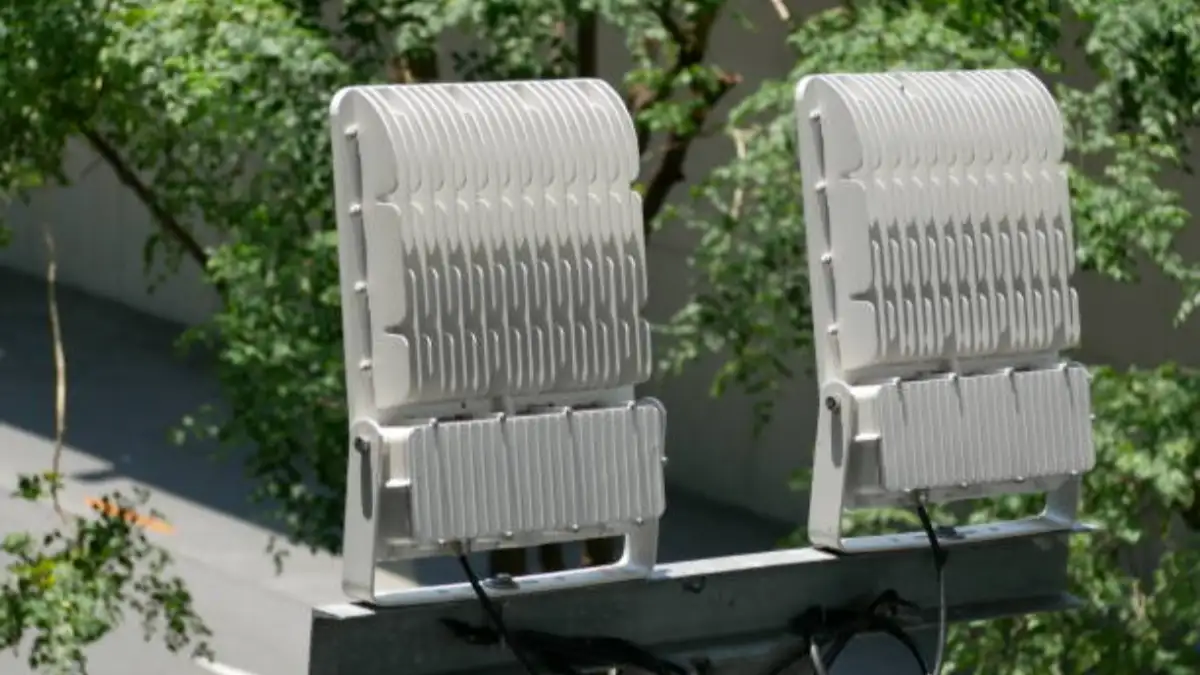
Applications de boîtier LED: Palmes, Scellage, et entretien de la lumière
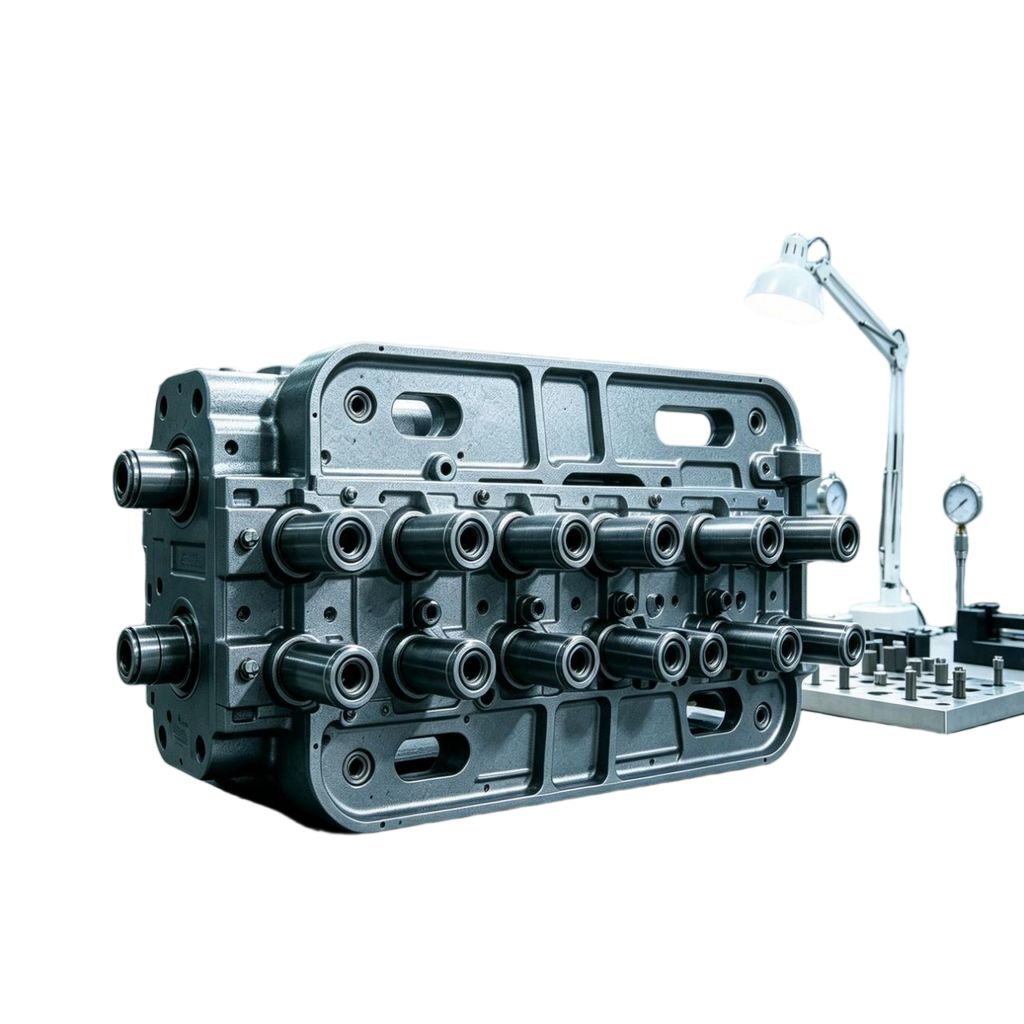
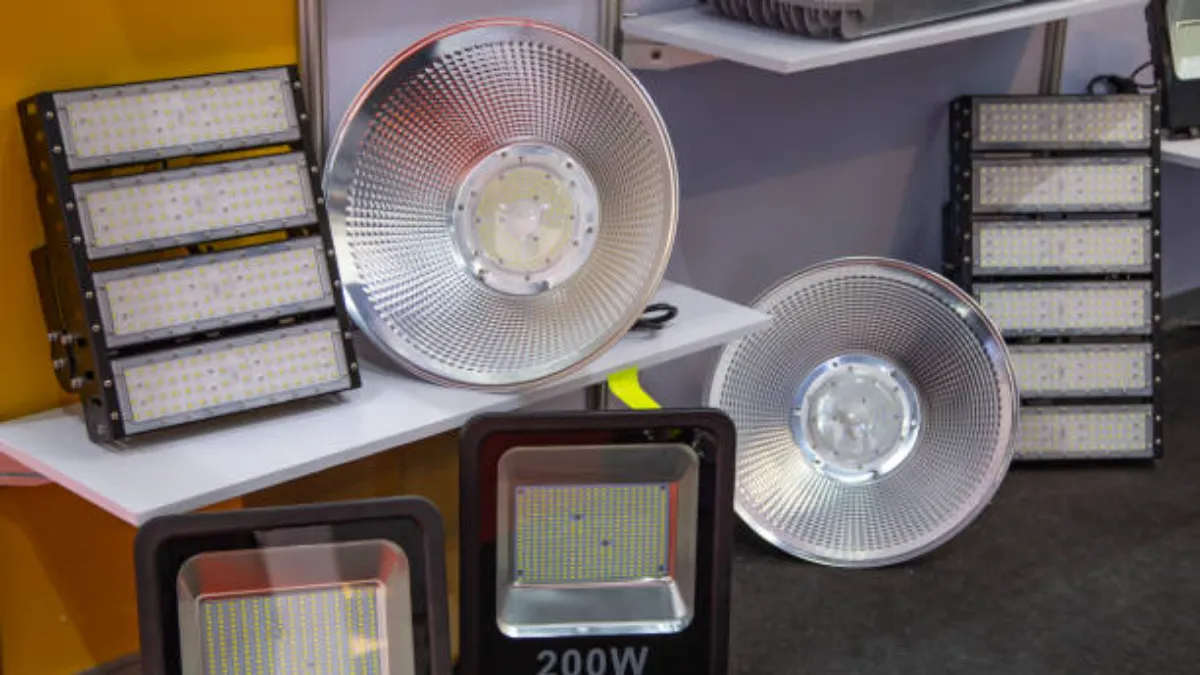
Les luminaires extérieurs LED sont l’application phare. Un boîtier LED moulé sous pression dans un alliage à haute conductivité déplace plus rapidement la chaleur du MCPCB à travers la structure des ailettes., maintenir la température de jonction plus basse avec le même nombre d'ailettes — ou laisser les concepteurs supprimer les ailettes et le poids pour atteindre un objectif de coût du luminaire. Une température de jonction plus basse se traduit directement par une dépréciation plus lente de la lumière, quelle est la mesure métrique que les prescripteurs d'éclairage achètent réellement. Vous pouvez voir des exemples de production dans notre Gamme de pièces d'éclairage LED.
Le service extérieur ajoute une exigence d’étanchéité. Les boîtiers IP65 et IP67 doivent réussir les tests de fuite d'air et d'immersion dans l'eau, et le moulage lui-même doit être exempt de porosité traversante qui créerait un chemin de fuite. La détection des fuites d'hélium et les tests de pression d'air dans les boîtes à vide vérifient chaque famille de boîtiers avant leur sortie., car un alliage à conductivité optimisée ne vaut rien si le boîtier pleure pendant la première saison de mousson.
Applications pour véhicules électriques et batteries: L'IATF 16949 Bar
Les programmes EV placent encore la barre plus haut. Couvercles du bac à batterie, boîtiers d'onduleur, et les flasques de moteur en alliages à haute conductivité doivent répondre aux exigences du système qualité automobile — ce qui pour un fournisseur OEM qualifié signifie IATF 16949 contrôle certifié du processus, de la fusion à l'expédition. Deux exigences dominent le travail quotidien:
Propreté et densité. Les clients du secteur automobile précisent les limites de propreté que les pièces entrantes doivent respecter, vérifié par des systèmes automatiques d’extraction et d’analyse de la propreté, tandis que les tests de densité d'hydrogène de la matière fondue maintiennent la porosité interne en dessous des niveaux qui réduiraient à la fois la conductivité et l'étanchéité à la pression..
Adhésion et traçabilité. Le soudage par friction joint les moitiés de boîtier moulées sans introduire les vides que laisse le soudage par fusion dans les alliages à haute teneur en silicium., et l'inspection de la section métallurgique au microscope confirme le joint. Des codes marqués au laser relient chaque boîtier à ses données de fusion et de traitement via le système MES, donc une question de terrain trois ans plus tard remonte à une fenêtre de production spécifique.
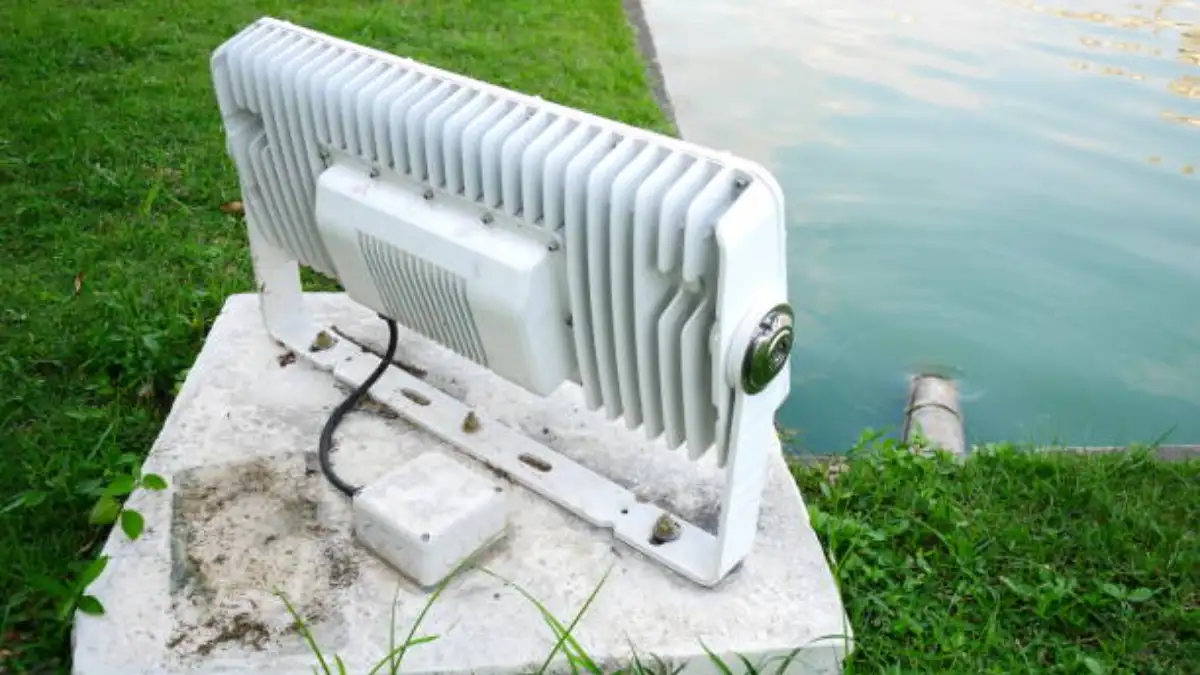
Des contrôles de processus qui maintiennent une conductivité élevée
La conductivité n'est pas seulement une chimie; c'est ce que la fonderie fait ensuite à la fonte. L'hydrogène dissous forme des pores qui interrompent les chemins thermiques, la densité de l'hydrogène fondu est donc mesurée plutôt que supposée. Les retours recyclés sont fondus et raffinés dans un four central selon une chimie contrôlée au lieu d'être refondus au coup par coup dans chaque machine.. Et parce que la marge entre 190 et 200 F/m·K vit dans les oligo-éléments, la chimie du procédé est vérifiée toutes les deux heures par rapport au spectromètre, pas une fois par quart de travail.
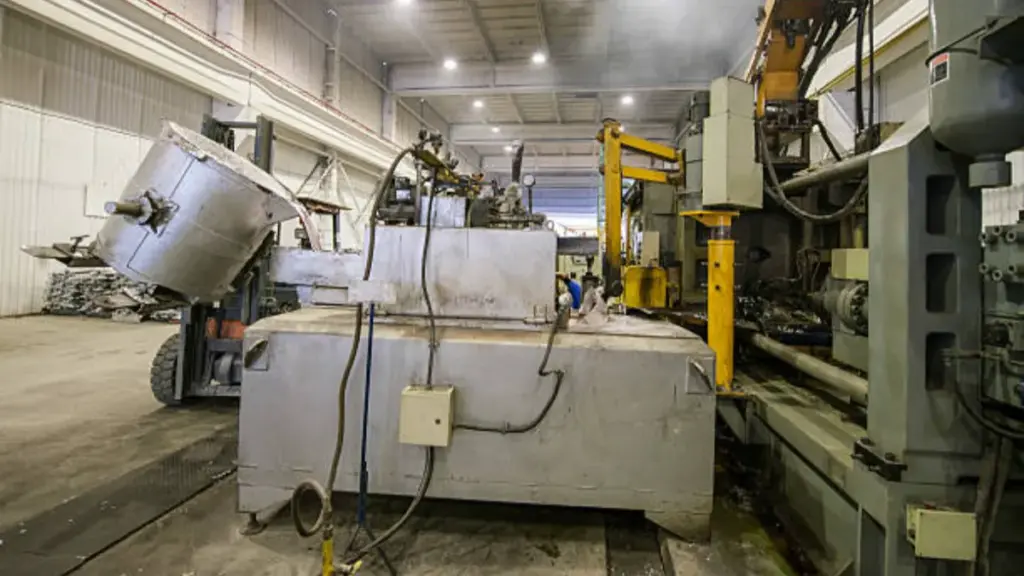
Les acheteurs peuvent vérifier tout cela sans se tromper: les rapports d'essais sur les matières premières accompagnent gratuitement les expéditions, indiquant la chimie réelle de la chaleur d'où proviennent vos pièces. Éléments pertinents pour la conductivité (silicium, fer, cuivre) sont répertoriés, afin que votre équipe entrante puisse les vérifier par rapport aux spécifications convenues. Le aperçu de l'atelier montre le four de fusion central, laboratoire de spectrométrie, et centre d'inspection où s'effectuent ces contrôles.
Choisir entre 6061 et pièces moulées à haute conductivité
Le tableau ci-dessous résume quand chaque itinéraire gagne. Cela suppose que la géométrie du boîtier est adaptée au moulage; si la pièce est une simple plaque, usinage 6061 reste un choix légitime à faible volume. Traitez tout numéro de fiche technique de conductivité comme provisoire jusqu'à ce qu'il soit confirmé au niveau de fusion.: les qualités spéciales sont vérifiées par chaleur avec des journaux de spectromètre, pas d'échantillons de laboratoire.
| Matériel / Itinéraire | Conductivité thermique (env.) | Liberté de géométrie | Coût au volume | Meilleur ajustement |
|---|---|---|---|---|
| 6061-T6 usiné | ~167 W/m·K | Limité par l'accès au coupeur | Haut (perte de copeaux) | Plaques froides à faible volume, blocs simples |
| ADC12 moulé sous pression | ~90–100 F/m·K | Excellente paroi mince | Faible | Des logements axés sur les coûts et sans objectifs thermiques |
| AlSi8 le casting | ~180 W/m·K | Excellente paroi mince | Faible-modéré | Pilotes de LED, plaques thermiques |
| LHB1 / HA7-S moulé sous pression | jusqu'à ~200 W/m·K | Excellente paroi mince | Faible-modéré | Boîtiers pour luminaires LED, Boîtiers pour véhicules électriques |
Si votre dessin porte une cible de résistance thermique, le moyen le plus rapide de prendre une décision est un échange DFM avec la fonderie qui le coulera — envoyer le dessin et la cible via notre page de contact et la recommandation d'alliage revient avec le devis.
FAQ
Quelle est la conductivité thermique de l'alliage d'aluminium 6061?
6061 dans l'humeur T6 conduit à peu près 167 F/m·K, ce qui en a fait la référence par défaut pour les dissipateurs thermiques et les plaques froides usinés. La contrainte est le processus, pas le numéro: 6061 est un alliage corroyé qui ne peut pas être moulé sous haute pression, donc l'atteindre dans un boîtier complexe signifie normalement l'usinage à partir de plaques à un coût à la pièce élevé.
Comment fabriquer de l'AlSi8 moulé sous pression, Portée LHB1 et HA7-S 200 Avec(m·K)?
Ils ont coupé le silicium bien en dessous du 9–12% d'alliages de coulée standard et retiennent les éléments d'impuretés dans des fenêtres étroites. Puisque le silicium dissous disperse les électrons qui transportent la chaleur, la chimie à faible teneur en silicium augmente la conductivité vers le 200 Avec(m·K) plafond. Le métier est un processus de casting moins indulgent, c'est pourquoi ces qualités nécessitent des contrôles chimiques au spectromètre toutes les deux heures et une manipulation disciplinée de la matière fondue..
Les boîtiers à haute conductivité sont-ils compatibles avec l'étanchéité IP65/IP67?
Oui, à condition que les pièces moulées soient vérifiées, pas supposé. La porosité traversante est le risque de fuite dans tout moulage sous pression, les familles de luminaires sont donc vérifiées avec des testeurs d'étanchéité à l'air et des équipements à hélium sous vide avant leur sortie. Les conceptions de boîtiers qui intègrent des rainures de joint et des faces d'étanchéité usinées répondent aux exigences d'immersion IP65 et IP67 avec des alliages à haute conductivité, tout comme le font les pièces moulées conventionnelles..
Quand une pièce de VE doit-elle passer de 6061 à un alliage coulé à haute conductivité?
Se déplacer lorsque trois conditions se cumulent: la géométrie a des parois minces ou des ailettes complexes, le volume annuel dépasse quelques milliers de pièces, et la cible thermique se situe entre ce que l'ADC12 offre et ce qui est entièrement usiné 6061 coûterait. Nuances moulées sous pression telles que AlSi8, LHB1, et HA7-S fournissent alors une conduction proche de 6061 avec une économie de coulée, dans le cadre de l'IATF 16949 contrôle de processus pour les programmes automobiles.