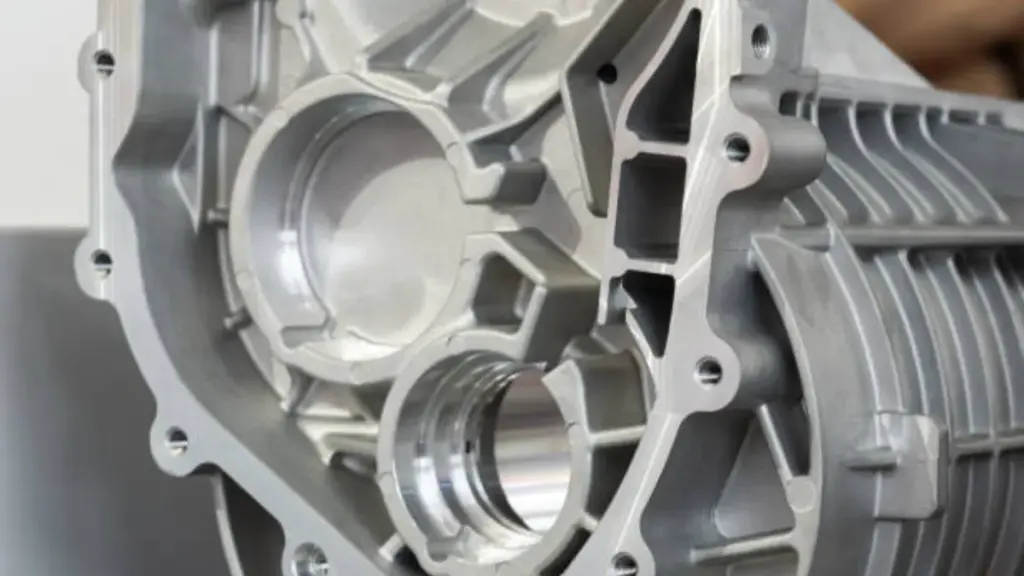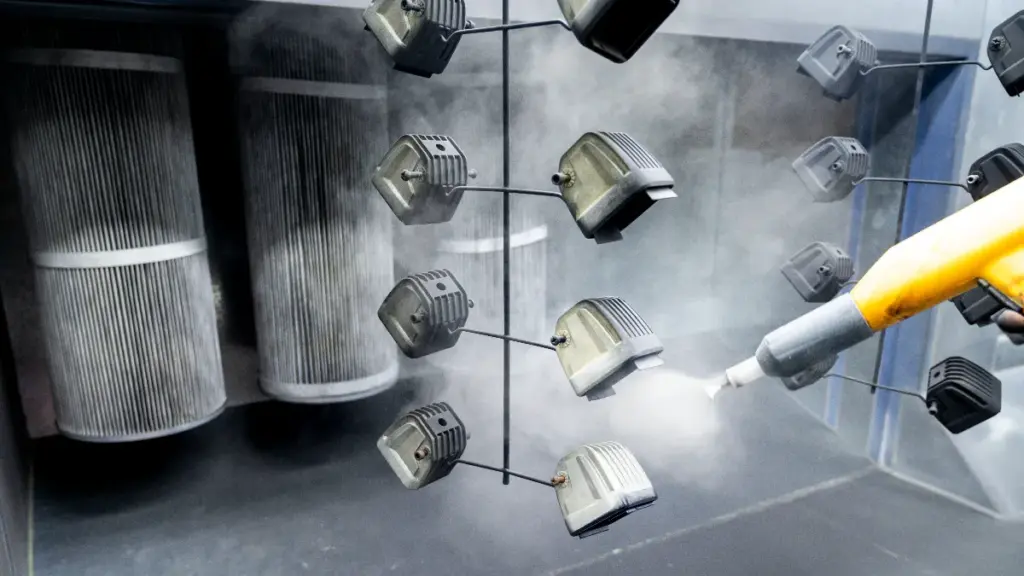
Die erste Frage eines jeden Käufers zur Sicherheit von Magnesium-Druckguss ist die falsche. “Ist Magnesium brennbar??” hat eine Lehrbuchantwort – ja, unter bestimmten Bedingungen, die das Teil in Ihrer Hand fast nie betreffen – und diese Antwort ist für die Lieferantenauswahl nutzlos. Die richtige Frage ist operativ: Führt die Gießerei, die Sie prüfen möchten, ein Brandschutzprogramm durch, das dem Metall entspricht, das sie schmilzt?, und kann es das beweisen?? Denn das Magnesiumrisiko ist keine Eigenschaft Ihrer Halterung; es ist eine Eigenschaft von geschmolzenem Metall, Bearbeitungsspäne, und Schlacke, wird dreimal täglich von der Person Ihrer Wahl bearbeitet.
Fertige Magnesiumdruckgussteile sind genauso sicher wie fertige Aluminiumdruckgussteile: Um ein festes Teil zu entzünden, muss die gesamte Masse über ihren Zündpunkt hinaus erhitzt werden, was in keiner Serviceumgebung der Fall ist. Die Gefahr besteht flussaufwärts, im Werk des Lieferanten – und die Beschaffungs- und EHS-Teams haben das Recht, es zu inspizieren. In diesem Leitfaden wird dargelegt, wo das tatsächliche Risiko liegt, wie ein kompetenter Magnesiumbetrieb aussieht, und was bei einem Lieferantenaudit vor der Unterzeichnung überprüft werden muss.
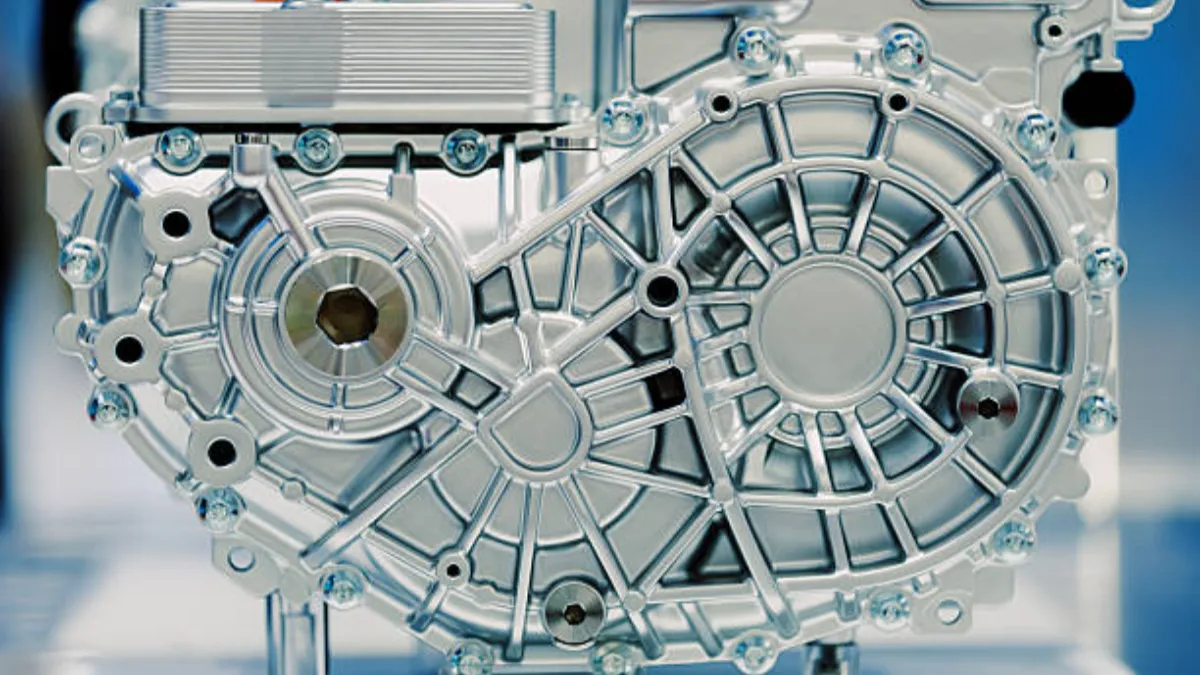
Wo tatsächlich das Brandrisiko von Magnesium besteht
Magnesium verbrennt nicht in großen Mengen, sondern verbrennt leicht in kleinen Stücken, und die Kluft zwischen diesen Staaten ist alles. Die drei wirklichen Gefahrenformen in einer Druckgussanlage sind:: geschmolzenes Metall, das oxidiert und sich an der Luft entzünden kann, wenn es ungeschützt ist oder verschüttet wird; Bearbeitungsspäne und -späne, deren große Oberfläche sich durch Reibungswärme entzündet und, schlechter, reagiert mit Wasser; und Schlacken oder Feinstoffe aus der Ofenreinigung und -mahlung, die sich selbst erhitzen, wenn sie oxidieren. Der fertige Guss – und damit auch das fertige Produkt vor Ort – steht nicht auf dieser Liste. Eine Lieferantenbewertung, die Magnesium als ein inhärent gefährliches Metall und nicht als spezifische Handhabungsprozesse behandelt, hat das Risiko falsch eingeschätzt; Wer die Handhabungsprozesse beiläufig behandelt, hat es fatal falsch verstanden.
Zwei Fakten zur Chemie bestimmen das ganze Programm. Erste, Wasser löscht brennendes Magnesium nicht – es spaltet sich bei der Temperatur des Feuers, der Flamme Wasserstoff zuzuführen, und ein Wasserstrahl auf geschmolzenem Magnesium kann zu einer Dampfexplosion werden, die brennendes Metall ausbreitet. Zweite, Gewöhnliche Feuerlöscher werden für die falschen Brandklassen gebaut: Magnesium muss durch Trockenheit erstickt werden, nicht reaktive Mittel. Aus diesen beiden Sätzen ergibt sich alles, was ein Käufer überprüfen sollte.
Steuerungen für Schmelzbetriebe: Der erste Audit-Stopp
Geschmolzenes Magnesium wird durch Abdecksysteme vor der Luft geschützt, und was du findest (oder nicht finden) Auf dem Ofenboden verrät mehr über einen Lieferanten als jedes Zertifikat an der Wand. Der traditionelle Industriestandard ist ein dosiertes SF₆-Luft-Gemisch, das die Schmelzoberfläche bedeckt, wo ein paar kontrollierte Prozent SF₆ die Oxidation unter Kontrolle halten; denn SF₆ ist ein starkes Treibhausgas, Ernsthafte Anlagen sind auf SO₂-basierte oder vollständig SF₆-freie Schutzchemikalien umgestiegen. So oder so, Die Prüfungsfragen sind die gleichen: Wird der Schutz kontinuierlich bereitgestellt und überwacht?, mit Alarmen für Durchfluss und Konzentration? Was passiert bei einem Gasausfall? Gibt es eine praktizierte Vorgehensweise?, oder ein Gerangel? Sind Ofenabdeckungen, Ladewerkzeuge, und Schmelzübertragungswege trocken, Denn der Kontakt von Feuchtigkeit mit geschmolzenem Metall ist das klassische Explosionsszenario? Wird Schlacke in dedizierte abgeschöpft, versiegelt, Entsorgen Sie sie in nicht brennbaren Behältern und werfen Sie sie nicht in den Restmüll?
Die Chemiekontrolle gehört in die gleiche Richtung. Eisen- und Nickelverunreinigungen – durch korrodierte Tiegel, falscher Schrott, oder rostiges Werkzeug – beeinträchtigt sowohl die mechanischen Eigenschaften als auch die Korrosionsbeständigkeit, Aus diesem Grund enthalten hochreine Magnesiumlegierungen Eisenanteile von Bruchteilen eines Prozents. Eine Anlage, die sich ernsthaft mit Magnesium befasst, führt eine spektrografische Überprüfung von Schmelzchargen durch; Bei uns wird die Chemie in der Produktion alle zwei Stunden mit einem direkt ablesbaren Spektrometer vor Ort überprüft, und behandelt das wie den Boden, nicht die Decke, der Schmelzdisziplin.
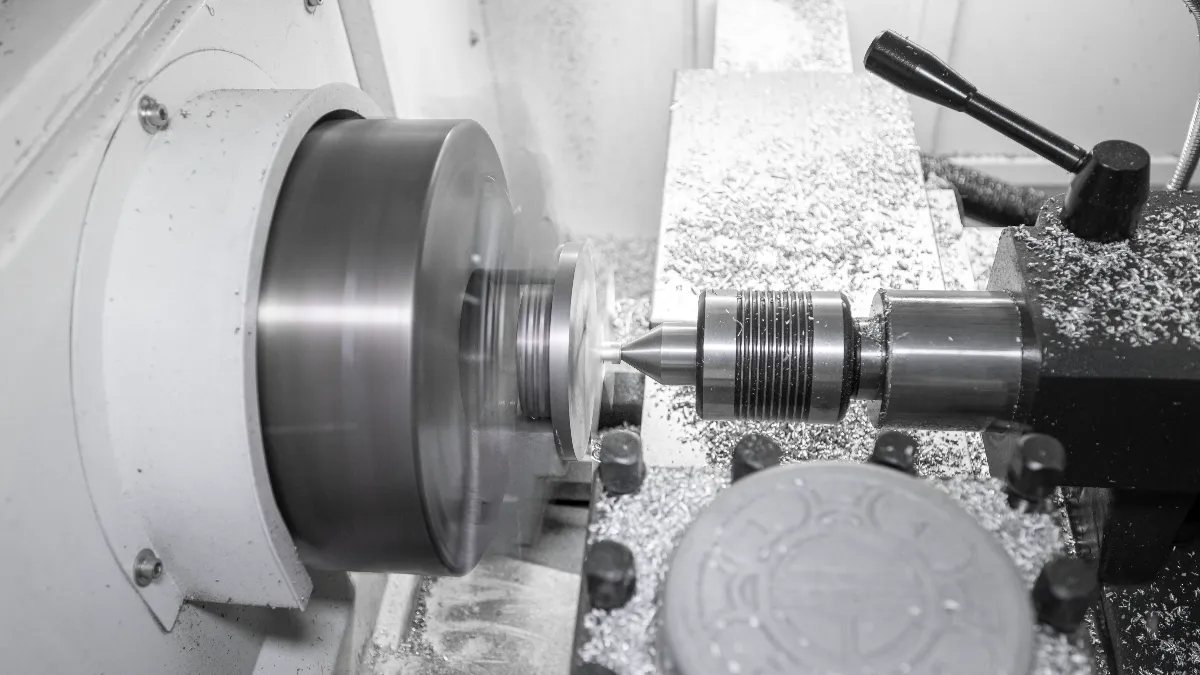
Chips, Späne, und Staub: Die am wenigsten bewältigte Gefahr
Wenn Magnesiumbrände in der Schmelzerei verhindert werden, Im Bearbeitungsbereich entstehen sie am häufigsten – gerade weil Magnesium so sanft bearbeitet, dass Pflanzen sich entspannen. Mit Öl und Kühlmittel sammeln sich Späne und Späne an, und nasse Magnesiumspäne sind schlechter als trockene: Wasser reagiert langsam mit der frischen Metalloberfläche, Erzeugung von Wasserstoff und Wärme in einem geschlossenen Behälter, das ist, wie a “sicher” Der feuchte Spänebehälter erwärmt sich über Nacht selbst bis zur Entzündung. Kompetente Praxis ist eindeutig und überprüfbar: Trockenspäne werden in der Entlüftung gesammelt, nicht brennbare Behälter, getrennt von anderen Metallspänen (Gemischte Behälter aus Stahl oder Aluminium erschweren die Brandbekämpfung und das Recycling gleichermaßen); Nasse Späne werden in offenen, belüfteten Behältern im Freien unter Wasser gehalten, wo der Wasserstoff entweichen kann, niemals in verschlossenen Behältern trocknen; Schleiffeinstoffe werden als die Form mit der höchsten Reaktivität behandelt, die sie haben; und Behälter niemals in der Nähe von Zündquellen stapeln oder lagern. Bitten Sie einen Lieferanten, Sie zu den Chipsbehältern zu begleiten. Das Housekeeping, das Sie in einer zweiundneunzigsten Tour sehen, ist das eigentliche Sicherheitsmanagementsystem, nicht der Ordner im Konferenzraum.
Feuerreaktionsfähigkeit: Was “Klasse D” Eigentlich Mittel auf dem Boden
Prävention scheitert irgendwann, Die zweite Verifizierungsschicht ist also die Antwort. Für Magnesium, Eine wirksame Unterdrückung erfolgt durch Ersticken mit Trockenheit, nicht brennbare Stoffe: Spezielle Magnesiumbeschichtungen und Flussmittel, die über flüssigem Metall zu einer abdichtenden Kruste schmelzen, trockener Sand oder trockene Gusseisenspäne für feste Brände, und Feuerlöscher der Klasse D – NaCl-Pulver- oder schonend aufgetragene Mittel auf Graphitbasis, da ein unter Druck stehender Strahl brennende Späne zerstreuen und das Feuer ausweiten kann. Beachten Sie die operativen Feinheiten, auf die ein echtes Programm trainiert: Siliziumhaltiger Sand darf nicht auf einem Becken mit geschmolzenem Magnesium aufgehäuft werden (Die Mg-Si-Reaktion fügt Wärme hinzu), und Wasser, Schaum, und CO₂ – die ersten drei Dinge, nach denen ein ungeschulter Mensch greift – verschlimmern Magnesiumbrände. Stellen Sie sicher, dass die Wirkstoffe am Risikoort und nicht in einem zentralen Käfig gelagert werden, dass Klasse-D-Einheiten und Deckmaterial nach einem Zeitplan überprüft werden, und dass Übungen protokolliert werden. Wenn die Antwort auf “Wann haben die Mitarbeiter zum letzten Mal eine verschüttete Metallschmelze gebohrt?” ist ein Achselzucken, Die Farbkennzeichnung des Feuerlöschers ist Dekoration.
In der Audit-Checkliste zu benennende Standards
Um der Prüfung neue Impulse zu geben, muss man sich eher auf Rahmenbedingungen als auf Vibes berufen. NFPA 484, der Standard für brennbare Metalle, ist das Referenzdokument für Verarbeitungs- und Veredelungsvorgänge mit Metallen wie Magnesium – es deckt die Sammlung ab, Lagerung, und Umgang mit Feinteilen und Spänen, Staubkontrolle, und Brandschutzbestimmungen. Die OSHA-Richtlinie für brennbaren Metallstaub gilt überall dort, wo beim Schleifen Feinstaub in der Luft entsteht. In Automobillieferketten, Die EHS-Schicht ist innerhalb der IATF angesiedelt 16949 Audit-Ökosystem, aber ein Käufer, der sich speziell auf Magnesium konzentriert, sollte dennoch die physischen Kontrollen befolgen, weil ein Zertifikatsbereich selten sagt “chip bin.” Und wenn es sich bei Ihrem Teil um eine Batterie oder einen Fahrgastraum handelt, Fügen Sie die Fragen auf Produktebene hinzu: Umgang des Lieferanten mit galvanischer Korrosion, wenn Magnesium Stahl oder Aluminium verbindet, und dokumentierte Teilnahme an Unfall- und thermischen Ereignisbewertungen. Die folgende Tabelle fasst den Rundgang zusammen.
| Auditbereich | Wie gut sieht aus | Rote Fahne |
|---|---|---|
| Schmelzschutz | Dosiert, Überwachtes Schutzgas mit Alarmen; schriftliches Gasausfallverfahren | Unüberwachter Durchfluss, keine Alarmhistorie, Bediener sind sich der Bohrmaschine nicht sicher |
| Schlacken und Rückstände | Verschlossene, nicht brennbare Behälter, vor der Lagerung abgekühlt werden, getrennter Abfallstrom | Abfall in offenen Behältern in der Nähe von brennbaren Stoffen entsorgen |
| Chip-Management | Trockene, belüftete Stahlbehälter, Metalle getrennt, Nasse Späne unter Wasser im Freien | Gemischte Späne, versiegelte Nassbehälter, Trocknen feuchter Späne |
| Unterdrückungsbestand | Einheiten der Klasse D plus Mg-zertifizierte Abdeckung/Sand an der Gefahrenstelle, geprüft und gebohrt | Nur ABC-Feuerlöscher in einer Magnesiumbucht; kein Bohrprotokoll |
| Chemiekontrolle | Spektrometrische Überprüfung pro Charge mit Eisen und Nickel in Legierungskappen | Beim Umschmelzmaterial verlassen wir uns ausschließlich auf Mühlenzertifikate |
| Training und Übungen | Geplante Übungen zum Schmelzen von Metall und zum Abfeuern von Spänen, Aufzeichnungen für die Schichten, die Sie besuchen | Der Schulungsordner wurde zuletzt vor Eintreffen Ihrer Angebotsanfrage aktualisiert |
Was der Serviceteil vom Lieferanten benötigt
Die feuersichere Herstellung ist die Pflicht des Lieferanten gegenüber seinem eigenen Personal; Das besondere Interesse eines Käufers besteht darin, ob die Sicherheitsdisziplin im Produkt zum Ausdruck kommt. Das tut es, auf drei übertragbare Arten. Die Schmelze- und Chemiekontrolle, die das Risiko einer Entzündung verhindert, ist das gleiche System, das das Kriechen von Eisen und die damit verbundenen Korrosionsfolgen in Ihrem Gehäuse verhindert. Die Parameterdisziplin, die dafür sorgt, dass ein Ofen abgedeckt bleibt, ist die Disziplin, die dafür sorgt, dass die Schussprofile dokumentiert und die Röntgenergebnisse stabil bleiben. Und die Rückverfolgbarkeitskultur – MES-verfolgte Chargen, Rückstellproben, Änderungskontrolle – ermöglicht die Eingrenzung eines Feldproblems auf eine Wärmecharge statt auf ein Produktionsjahr. Wenn wir Magnesium zitieren, wirken wir, Die Sicherheitsdokumentation, die das EHS-Team eines Kunden verlangt, ist ein Nebenprodukt der Funktionsweise der Zelle, Das ist die richtige Reihenfolge der Operationen.
Sicherheitsüberprüfung in die Beschaffungsentscheidung einbeziehen
Die praktische Zusammenfassung für Beschaffung und EHS: Behandeln Sie die Minderung des Magnesium-Brandrisikos als Einzelposten für die Standortprüfung mit benannten Nachweisen – Aufzeichnungen zur Abdeckung der Gasüberwachung, Fotos zum Aufbau von Chipsbehältern, Bohrprotokolle, spektrometrische Chargenzertifikate – statt einer Ja/Nein-Frage in einem Lieferantenfragebogen. Bitten Sie um einen Spaziergang, nicht der Binder. Wenn ein Lieferant am Schmelzboden oder an den Spänebehältern zögert, Sie haben Ihre Antwort, bevor das Preisblatt geöffnet wird. Unser Seite zum Qualitätskontrollservice dokumentiert die Verifizierungssysteme, die neben unserem Sicherheitsprogramm laufen, und die Blog-Index enthält den Rest unserer Käuferratgeber-Reihe. Um ein Magnesiumteil einer echten DFM- und Sicherheitsdokumentationsprüfung zu unterziehen, Beginnen Sie das Gespräch mit einer Zeichnung auf unserem Kontaktseite.
FAQ
Stellen Magnesiumdruckgussteile im fertigen Produkt ein Brandrisiko dar??
Nein – nicht in einem normalen Betriebszustand. Ein festes Magnesiumteil muss als Masse über seinen Zündpunkt hinaus erhitzt werden, damit es brennt, welche Serviceumgebungen dies nicht tun. Die tatsächlichen Gefahren beschränken sich auf die Herstellungsphase: geschmolzenes Metall, Bearbeitungsspäne und Feinanteile, und Schlacke, Genau aus diesem Grund zielen Lieferantenaudits auf diese drei Streams ab und nicht auf das Casting selbst.
Warum darf bei einem Magnesiumfeuer niemals Wasser verwendet werden??
Beim Verbrennen von Magnesium wird Wasser in Wasserstoff und Sauerstoff gespalten, Das Feuer wird mit mehr Brennstoff versorgt, als es entfernt, und Wasser, das mit geschmolzenem Magnesium in Berührung kommt, verdampft explosionsartig, brennendes Metall verstreuen. Schaum und CO₂ sind bei Metallbränden gleichermaßen wirkungslos. Richtige Agenten ersticken: Magnesiumhaltige Beschichtungen, die sich über flüssigem Metall verkrusten, trockener Sand oder trockene Gussspäne auf Feststoffen, und Pulver der Klasse D, die mit niedriger Geschwindigkeit aufgetragen werden.
Welche Norm regelt die Sicherheit beim Umgang mit Magnesium in einer Gießerei??
NFPA 484, der Standard für brennbare Metalle, ist die primäre Referenz für die Verarbeitung, Abschluss, und Spanbearbeitungsvorgänge mit Magnesium, umfasst die Erhebung und Lagerung von Geldbußen, Staubkontrolle, und Brandschutz. Für Schleifvorgänge gelten die OSHA-Richtlinien zu brennbarem Metallstaub, und Automobilzulieferer werden zusätzlich im Rahmen der IATF geprüft 16949 Rahmen.
Wie überprüfe ich das Magnesiumsicherheitsprogramm eines Lieferanten während eines Audits??
Gehen Sie durch die drei Gefahrenzonen und verlangen Sie benannte Beweise: Schutzgasfluss und Alarmaufzeichnungen an den Schmelzöfen, Spänebehältertrennung und Behältertyp bei der Bearbeitung, und Löschmaterial am Risikopunkt – Einheiten der Klasse D plus Mg-bewertete Abdeckung oder trockener Sand – mit dahinter liegenden Bohrblöcken. Ein Programm, das Aufzeichnungen für die von Ihnen besuchten Schichten erstellt, ist real; Einer, der einen für Ihre Anfrage zusammengestellten Ordner herstellt, ist dies nicht der Fall.