집

>

마그네슘 다이캐스팅 안전: 화재 위험 완화 구매자는 공급업체에서 확인해야 합니다

마그네슘 다이캐스팅 안전: 화재 위험 완화 구매자는 공급업체에서 확인해야 합니다

목차

Every buyer’s first question about magnesium die casting safety is the wrong one. “Is magnesium flammable?” has a textbook answer — yes, under specific conditions that almost never involve the part in your hand — and that answer is useless for supplier selection. The right question is operational: does the foundry you are about to audit run a fire-prevention program proportionate to the metal it melts, and can it prove it? Because magnesium risk is not a property of your bracket; it is a property of molten metal, machining chips, and dross, handled three times a day by whoever you choose.

Finished magnesium die castings are as safe as finished aluminum ones: igniting a solid part requires heating the whole mass past its ignition point, which no service environment does. The hazard lives upstream, in the supplier’s plant — and procurement and EHS teams have every standing to inspect it. This guide sets out where the real risk sits, what a competent magnesium operation looks like, and what to verify on a supplier audit before signing.

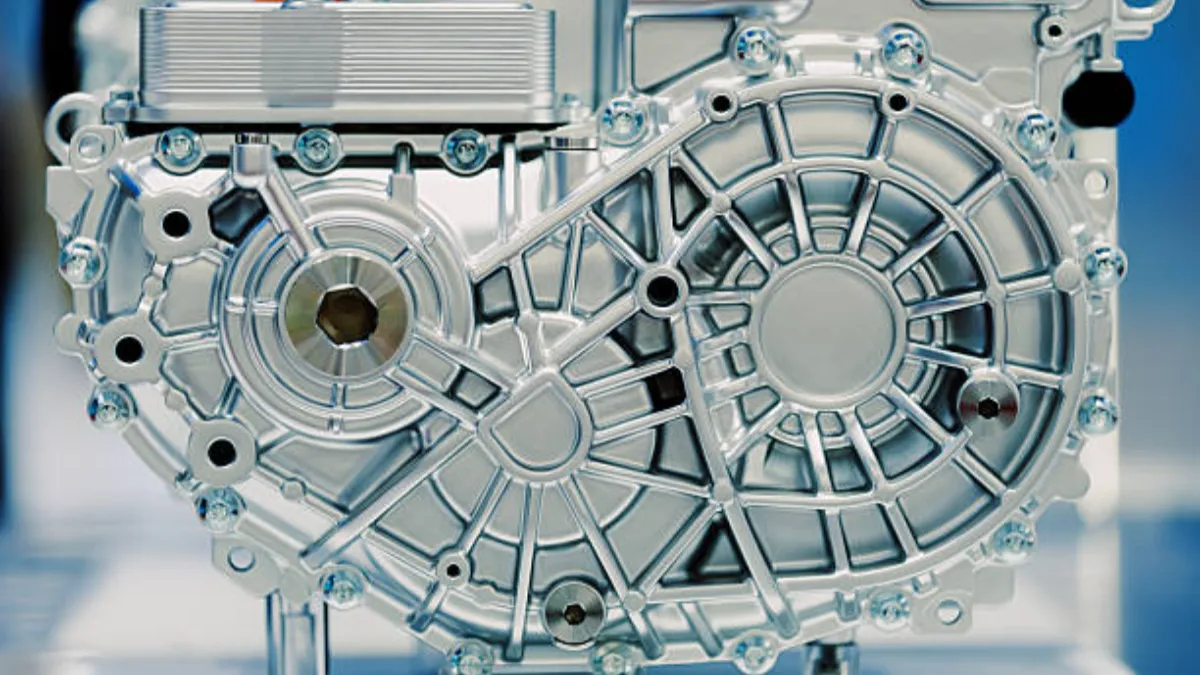
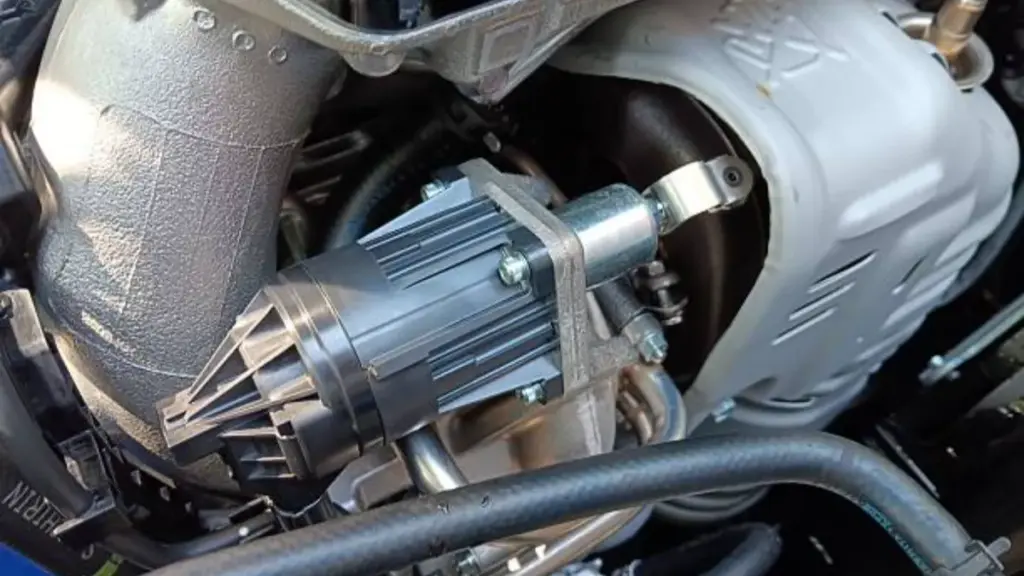
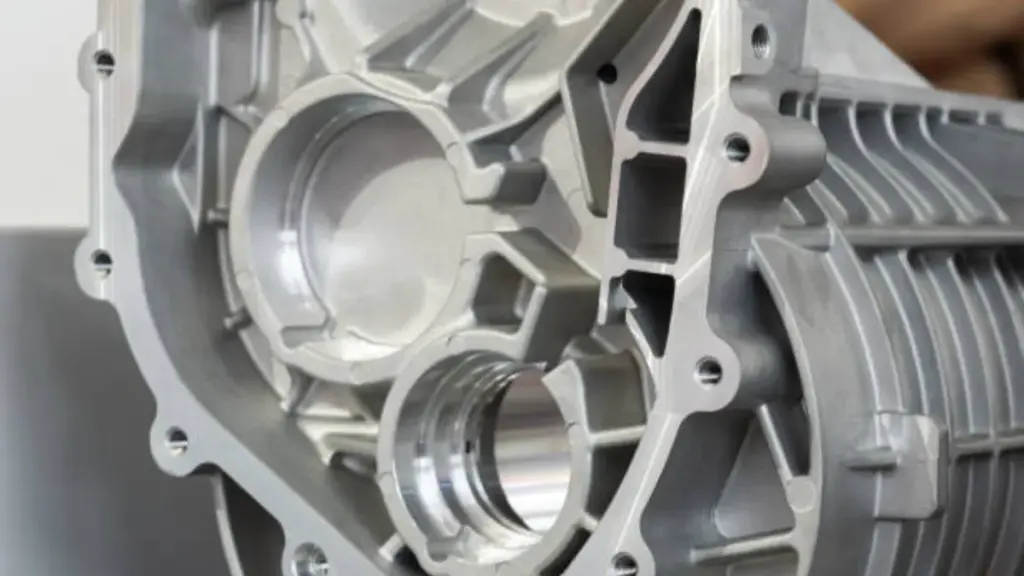
Die cast automotive components produced under a magnesium safety program

Where Magnesium Fire Risk Actually Lives

Magnesium fails to burn in bulk and burns readily in small pieces, and the gap between those states is everything. The three real hazard forms in a die casting plant are: 녹은 금속, which oxidizes and can ignite in air if unprotected or spilled; machining chips and swarf, whose high surface area ignites from friction heat and, 더 나쁜, reacts with water; and dross or fines from furnace cleaning and grinding, which self-heat as they oxidize. The finished casting — and by extension the finished product in the field — is not on that list. A supplier evaluation that treats magnesium as an inherently dangerous metal rather than a specific set of handling processes has misread the risk; one that treats the handling processes casually has misread it fatally.

Two chemistry facts drive the whole program. 첫 번째, water does not extinguish burning magnesium — it splits at the fire’s temperature, feeding hydrogen to the flame, and a water stream on molten magnesium can flash into a steam explosion that spreads burning metal. 두번째, ordinary extinguishers are built for the wrong fire classes: magnesium needs smothering by dry, non-reactive agents. Everything a buyer should verify follows from these two sentences.

Melt Shop Controls: The First Audit Stop

Molten magnesium is protected from air by cover systems, and what you find (or do not find) on the furnace floor tells you more about a supplier than any certificate on the wall. The traditional industrial standard is a metered SF₆-air mixture blanketing the melt surface, where a controlled few percent of SF₆ holds oxidation in check; because SF₆ is a potent greenhouse gas, serious plants have moved to SO₂-based or fully SF₆-free protective chemistries. Either way, the audit questions are the same: Is protection continuously supplied and monitored, with alarms on flow and concentration? What happens on gas failure — is there a practiced procedure, or a scramble? Are furnace covers, charging tools, and melt-transfer paths dry, because moisture contacting molten metal is the classic explosion scenario? Is dross skimmed into dedicated, sealed, non-combustible containers rather than swept into general waste?

Chemistry control belongs in the same stop. Iron and nickel contamination — from corroded crucibles, wrong scrap, or rusty tooling — degrades both mechanical properties and corrosion resistance, which is why high-purity magnesium alloys cap iron at fractions of a percent. A plant serious about magnesium runs spectrographic verification on melt lots; ours checks chemistry every two hours in production with a direct-reading spectrometer on site, and treats that as the floor, not the ceiling, of melt discipline.

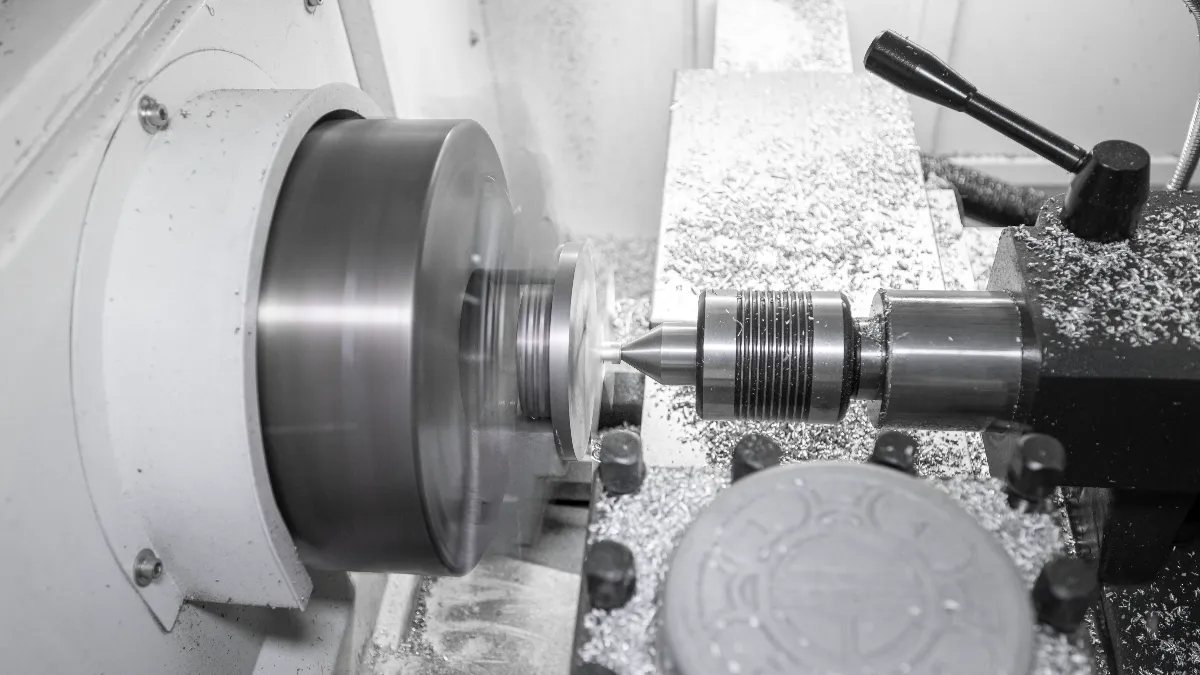
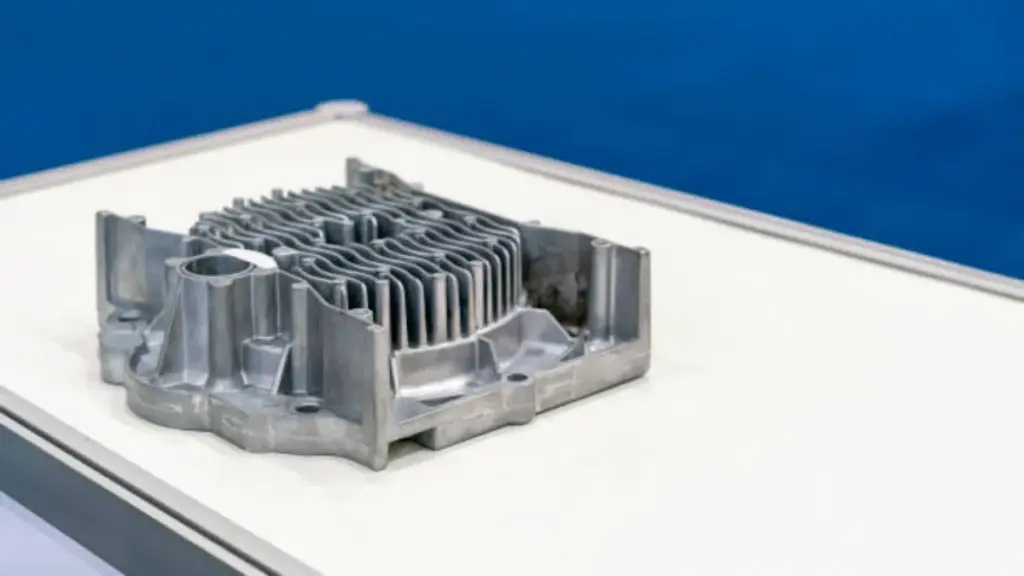
Machining station where magnesium chip handling discipline begins

Chips, Swarf, and Dust: The Most Under-Managed Hazard

If the melt shop is where magnesium fires are prevented, the machining area is where they are most often caused — precisely because magnesium machines so sweetly that plants relax. Chips and swarf accumulate with oil and coolant, and wet magnesium chips are worse than dry ones: water slowly reacts with the fresh metal surface, generating hydrogen and heat inside a closed bin, which is how a “안전한” damp swarf container self-heats to ignition overnight. Competent practice is unambiguous and auditable: dry chips collected in vented, non-combustible containers, segregated from other metal swarf (mixed steel-or-aluminum bins complicate firefighting and recycling alike); wet chips held under water in open-vented containers outdoors where the hydrogen can leave, never dried in sealed bins; grinding fines treated as the highest-reactivity form they are; and containers never stacked or stored near ignition sources. Ask a supplier to walk you to the chip bins. The housekeeping you see in a ninety-second tour is the real safety management system, not the binder in the conference room.

Fire Response Capability: What “Class D” Actually Means on the Floor

Prevention fails eventually, so the second verification layer is response. For magnesium, effective suppression works by smothering with dry, non-combustible agents: dedicated magnesium coverings and fluxes that melt into a sealing crust over liquid metal, dry sand or dry cast-iron turnings for solid fires, and Class D extinguishers — powdered NaCl- or graphite-based agents applied gently, since a pressurized stream can scatter burning chips and widen the fire. Note the operational subtleties a real program trains for: silicon-containing sand must not be heaped on a pool of molten magnesium (the Mg-Si reaction adds heat), 그리고 물, foam, and CO₂ — the first three things an untrained person reaches for — all make magnesium fires worse. Check that agents are stocked at the point of risk rather than in a central cage, that Class D units and cover stock are inspected on a schedule, and that drills are logged. If the answer to “when did staff last drill a molten-metal spill” is a shrug, the extinguisher color coding is decoration.

Standards to Name in the Audit Checklist

Giving the audit teeth means citing frameworks rather than vibes. NFPA 484, the Standard for Combustible Metals, is the reference document for processing and finishing operations involving metals like magnesium — it covers collection, storage, and handling of fines and chips, dust control, and fire protection provisions. OSHA’s combustible-metal dust guidance applies wherever grinding produces airborne fines. In automotive supply chains, the EHS layer rides inside the IATF 16949 audit ecosystem, but a buyer focused specifically on magnesium should still walk the physical controls, because a certificate scope rarely says “chip bin.” And if your part is for a battery or passenger compartment, add the product-level questions: supplier handling of galvanic corrosion when magnesium joins steel or aluminum, and documented participation in crash and thermal event reviews. The table below condenses the walk-through.

Audit area What good looks like Red flag
Melt protection Metered, monitored cover gas with alarms; written gas-failure procedure Unmonitored flow, no alarm history, operators unsure of the drill
Dross and residues Sealed non-combustible containers, cooled before storage, segregated waste stream Dross in open bins near combustibles
Chip management Dry vented steel bins, metals segregated, wet chips under water outdoors Mixed swarf, sealed wet bins, drying of damp chips
Suppression stock Class D units plus Mg-rated cover/sand at point of risk, inspected and drilled Only ABC extinguishers in a magnesium bay; no drill log
Chemistry control Per-lot spectrometric verification with iron and nickel within alloy caps Reliance on mill certificates alone for remelt material
Training and drills Scheduled molten-metal and chip-fire drills, records for the shifts you visit Training binder last updated before your RFQ arrived

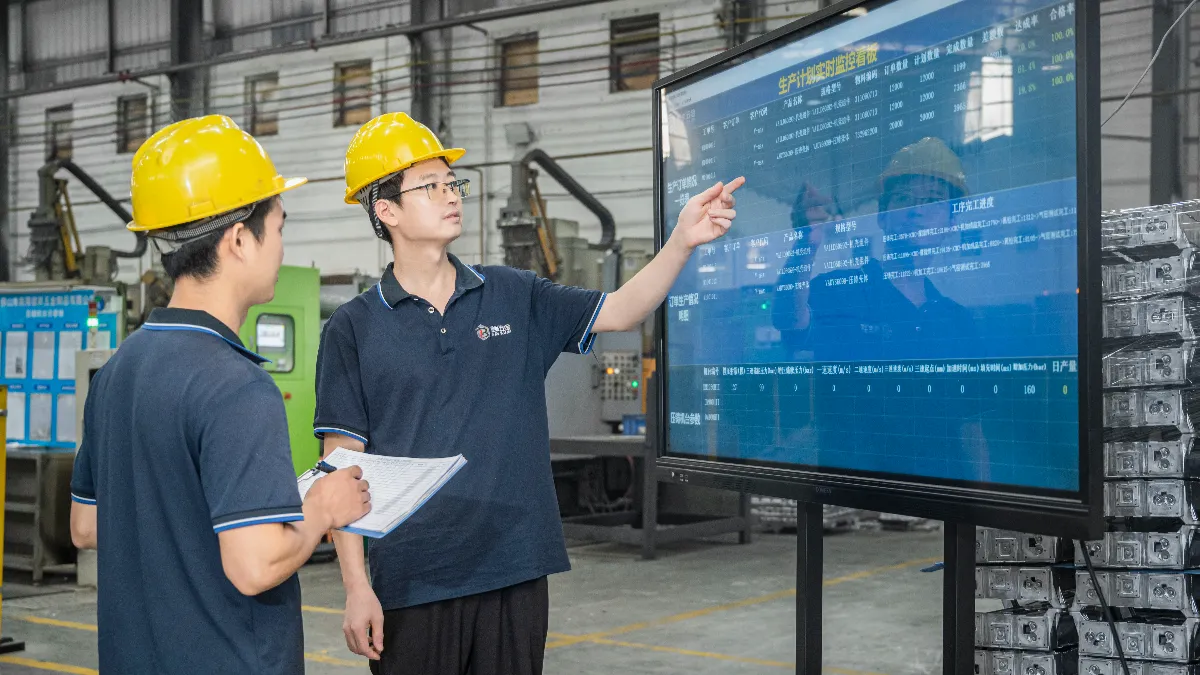
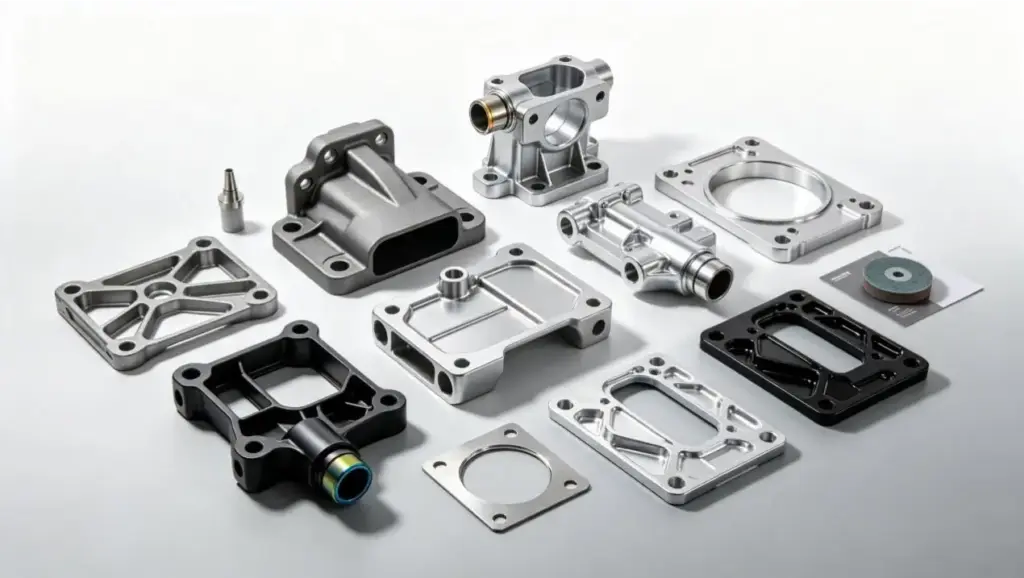
Supplier audit walk-through with production records at the cell

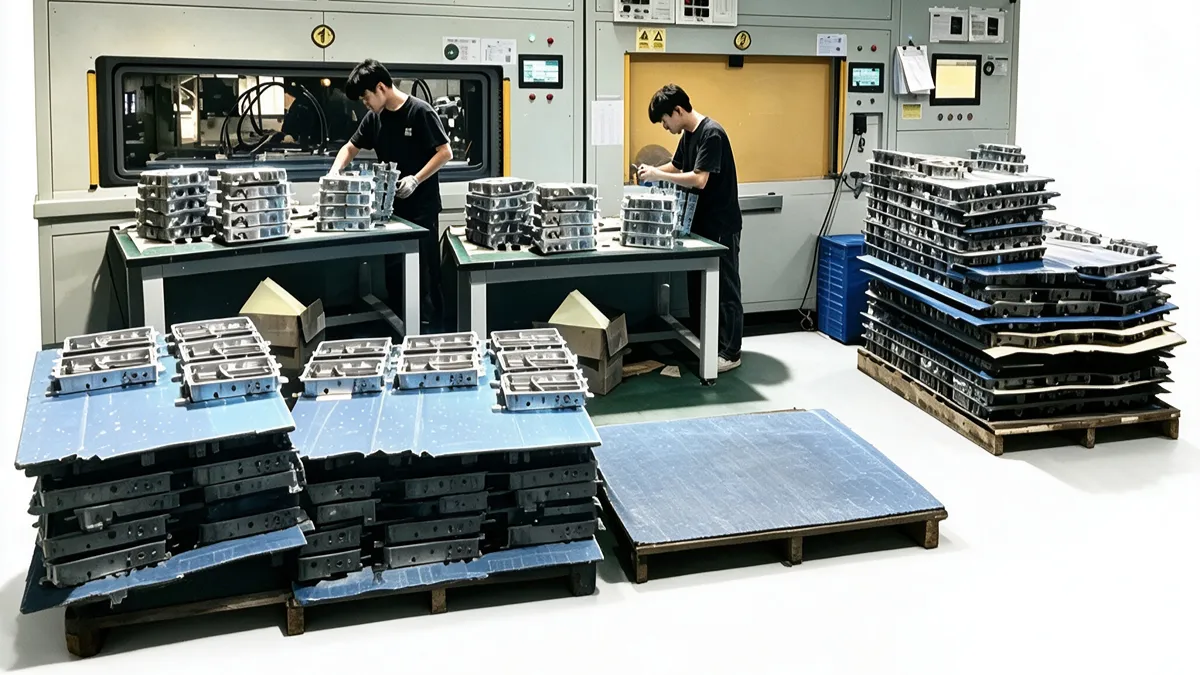
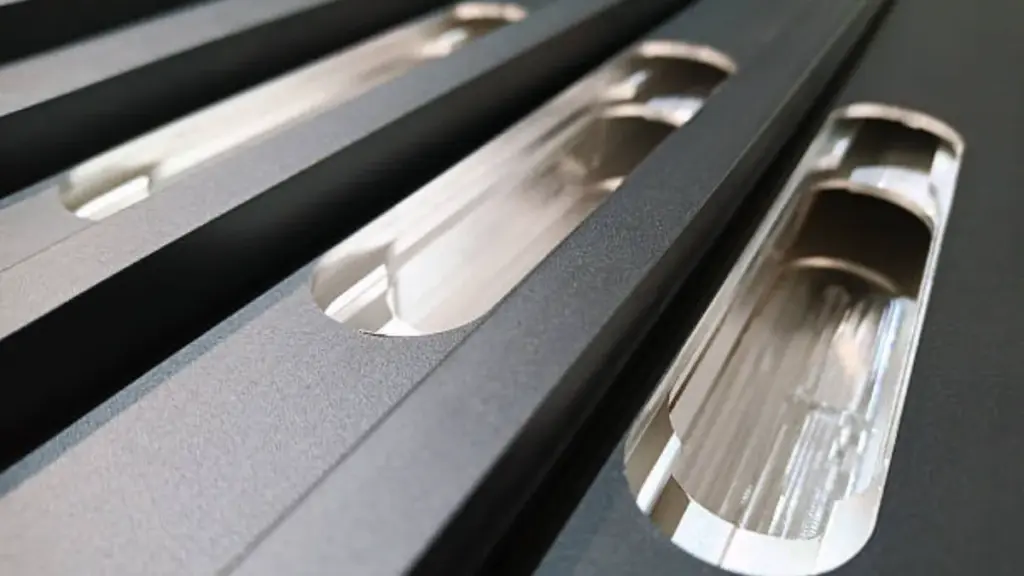
Inspection and verification discipline that parallels safety discipline in a magnesium plant

What the Part in Service Needs From the Supplier

Fire-safe manufacturing is the supplier’s duty to its own staff; a buyer’s separate interest is whether the safety discipline shows up in the product. It does, in three transferable ways. Melt and chemistry control that prevents ignition risk is the same system that prevents iron creep and its corrosion consequences in your housing. Parameter discipline that keeps a furnace covered is the discipline that keeps shot profiles documented and X-ray results stable. And the traceability culture — MES-tracked lots, retention samples, change control — is what lets a field problem be narrowed to a heat lot instead of a production year. When we quote magnesium work, the safety documentation a customer’s EHS team asks for is a byproduct of how the cell already runs, which is the correct order of operations.

Writing Safety Verification Into the Sourcing Decision

The practical summary for procurement and EHS: treat magnesium fire-risk mitigation as a site-audit line item with named evidence — cover-gas monitoring records, chip container layout photographs, drill logs, spectrometric lot certificates — rather than a yes/no question on a supplier questionnaire. Ask for the walk, not the binder. If a supplier hesitates at the melt floor or the chip bins, you have your answer before the price sheet opens. 우리의 quality control service page documents the verification systems that run alongside our safety program, and the blog index carries the rest of our buyer-guide series. To put a magnesium part through a real DFM and safety-documentation review, start the conversation with a drawing on our 연락처 페이지.

자주하는 질문

Are magnesium die castings a fire risk in the finished product?

No — not in any normal service condition. A solid magnesium part must be heated past its ignition point as a mass to burn, which service environments do not do. The genuine hazards are confined to the manufacturing stage: 녹은 금속, machining chips and fines, and dross, which is exactly why supplier audits target those three streams rather than the casting itself.

Why must water never be used on a magnesium fire?

Burning magnesium splits water into hydrogen and oxygen, feeding the fire with more fuel than it removes, and water contacting molten magnesium flashes to steam explosively, scattering burning metal. Foam and CO₂ are equally ineffective on metal fires. Correct agents smother: magnesium-rated coverings that crust over liquid metal, dry sand or dry cast-iron turnings on solids, and Class D powders applied at low velocity.

What standard governs magnesium handling safety in a foundry?

NFPA 484, the Standard for Combustible Metals, is the primary reference for processing, 마무리 손질, and chip-handling operations involving magnesium, covering collection and storage of fines, dust control, and fire protection. OSHA combustible-metal dust guidance applies to grinding operations, and automotive supplier EHS expectations are additionally audited within the IATF 16949 framework.

How do I verify a supplier’s magnesium safety program during an audit?

Walk the three hazard zones and ask for named evidence: cover-gas flow and alarm records at the melting furnaces, chip bin segregation and container type in machining, and suppression stock at point of risk — Class D units plus Mg-rated cover or dry sand — with drill logs behind them. A program that produces records for the shifts you visit is real; one that produces a binder assembled for your RFQ is not.

공유하다:

사이먼 푸

나는 Bian Diecast의 창립자입니다., 고성능 금형과 고품질 알루미늄 다이캐스트 부품을 전문으로 하는 정밀 다이캐스팅 솔루션 제공업체. 오버 100 성공적인 프로젝트 제공 15+ 국가, 저는 금형 설계 및 최적화부터 대규모 주조 생산에 이르기까지 전체 가치 사슬에 걸쳐 심층적인 전문 지식을 제공합니다.. 오늘, 우리는 중국 최고 수준의 전략적 공급업체 역할을 자랑스럽게 수행하고 있습니다. 5 전기차 브랜드, DC/DCC/OBC/PTC/EVCC 컨버터 하우징 및 구조 부품과 같은 중요한 다이캐스트 부품 생산. 더 스마트하게 만드는 데 도움이 되는 실무적인 공장 통찰력을 공유합니다., 보다 확실한 소싱 결정 - 맞춤형 금형이 필요한지, 즉시 설치 가능한 주물이 필요한지 여부. 다음 프로젝트를 위한 전문 제조 지원이 필요합니다.? 얘기하자.

메시지 보내기

목차

왓츠앱
×