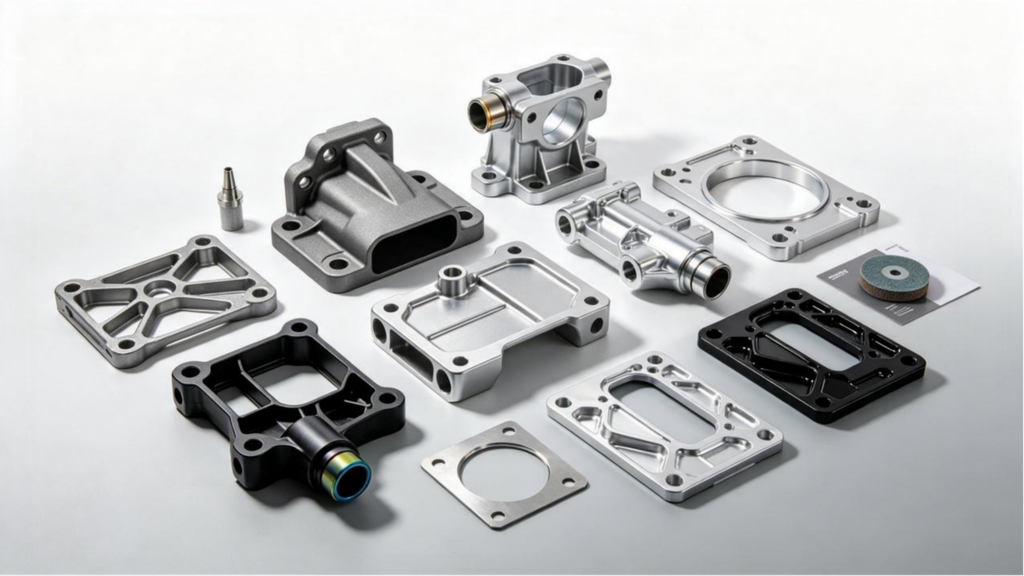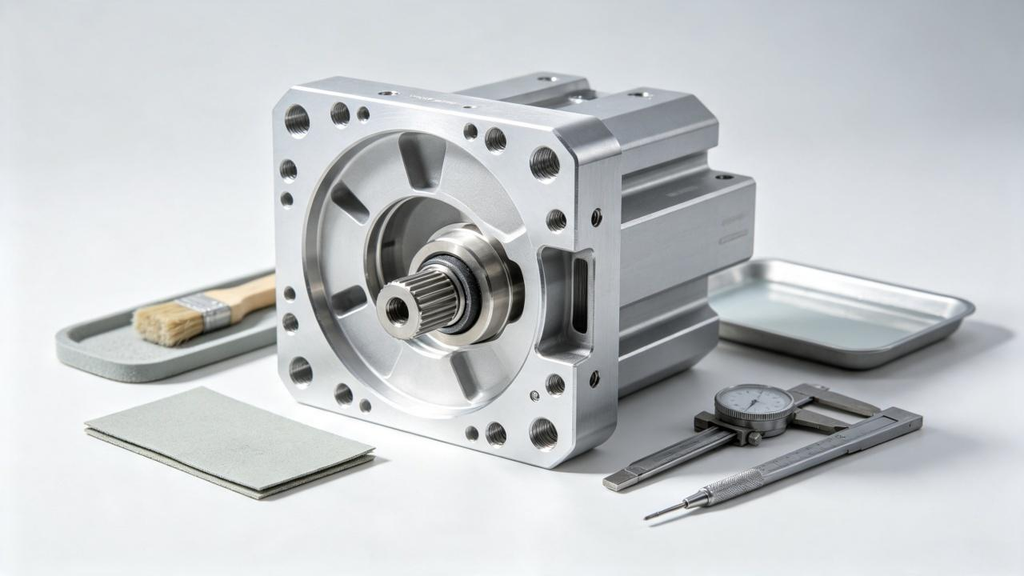
El aluminio es uno de los pocos metales estructurales que se recicla sin perder rendimiento: se puede refundir y refundir indefinidamente, y al refundirlo se consume sólo alrededor 5% de la energía necesaria para producir aluminio primario a partir de bauxita. En el casting, que la física se convierte en un argumento de adquisición. Una fundición que recupera sus propias puertas, corredores, y los rechazos en un circuito controlado compran menos metal primario, y pasa parte de esa diferencia a su precio unitario. Este artículo explica cómo funciona el reciclaje dentro de una fábrica de fundición a presión., cómo los químicos amigables con el contenido reciclado, como el aleación de aluminio a319 encajar, y qué pruebas solicitar a su proveedor.
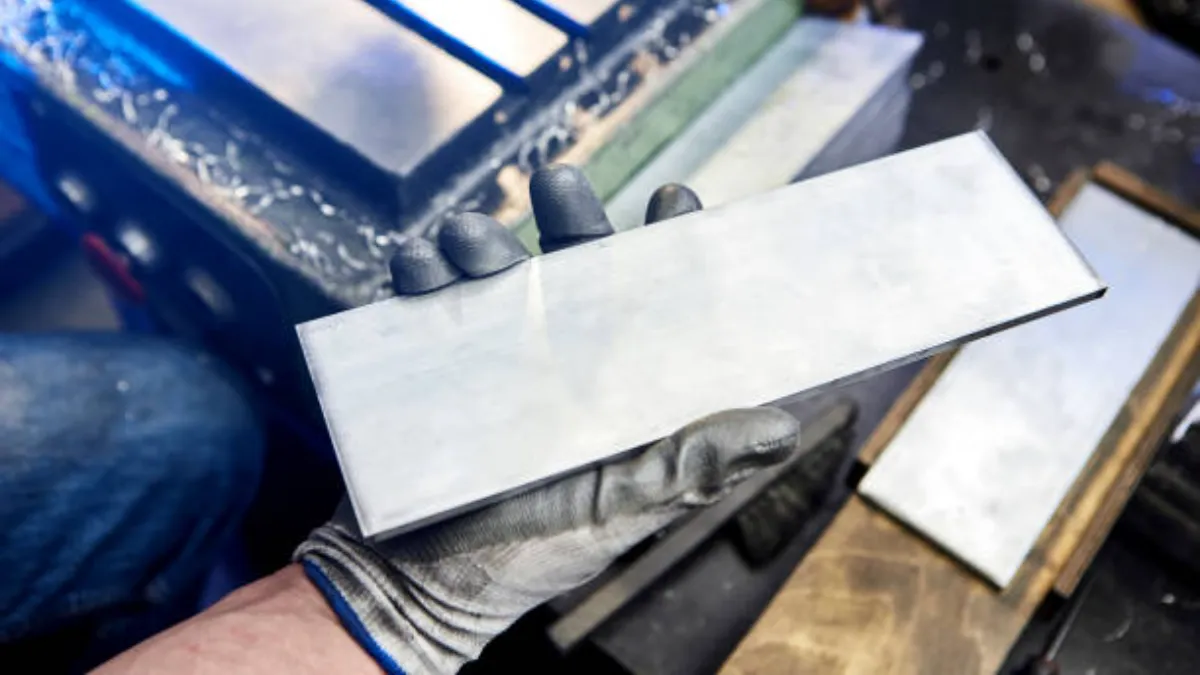
El reciclaje es la ventaja de costos estructurales de la industria del aluminio
Cada celda de fundición a presión de alta presión produce material de retorno por diseño. Puertas, se desborda, corredores, y los tiros cortos dejan la máquina pegada a la parte buena, y normalmente representan una gran parte del peso de cada disparo.. In a foundry without melt discipline, that material is a disposal problem. En una fundición con uno, es inventario: segregado por aleación, limpiado, and remelted to produce the next shot.
The economics compound at volume. El metal suele ser el mayor coste variable en una pieza fundida a presión., por lo tanto, cada punto porcentual de material de carga reemplazado por retornos internos regulados influye directamente en el costo de fusión por kilogramo.. En última instancia, los clientes ven esto como cotizaciones más competitivas en lugar de una línea de pedido., Por eso vale la pena preguntar cómo se controla el circuito en lugar de limitarse a comparar precios..
El material que regresa a través de ese circuito cae en algunas corrientes predecibles., cada uno con un nivel diferente de manejo:
| Corriente de retorno | Donde se origina | Requisito de manejo | Valor de reciclaje |
|---|---|---|---|
| Puertas y corredores | cada disparo, a propósito | Cortar, segregado por aleación | más alto (limpio, aleación conocida) |
| Desbordes y galleta | cada disparo | Segregado con puertas | más alto |
| Tomas cortas y partes de configuración. | Puestas en marcha de máquinas, cambios de troquel | Inspeccionado antes de volver a fundir | Alto |
| virutas de mecanizado | Células de acabado CNC | limpiado, desengrasado, comprimido | Moderado (riesgo de contaminación) |
| Devoluciones de clientes / rechaza | Campo o inspección | Causado por la raíz, luego se volvió a derretir | Moderado |
Cuanto más limpio y mejor identificado esté un arroyo, cuanto más pueda volver a entrar en la masa fundida sin corrección — Por eso la disciplina de segregación en la celda de casting, no tecnología de horno, es donde se gana o se pierde el valor del reciclaje.
A319 y la química del aluminio reciclado
El reciclaje modifica la elección de las aleaciones y su coste. La aleación de aluminio a319 pertenece a la familia aluminio-silicio-cobre., y su nivel moderado de silicio con un contenido significativo de cobre le otorga una amplia tolerancia a los aportes de material fundido., lo que lo ha convertido en un pilar en los programas de fundición en arena y en moldes permanentes que funcionan con metal secundario.. Familias como esta absorben contenido reciclado controlado sin salirse de las especificaciones, siempre que la masa fundida se analice y corrija en lugar de asumirse.
Los grados de fundición a presión de alta presión cuentan una historia similar con números diferentes. ADC12, el caballo de batalla de las viviendas de consumo y telecomunicaciones, se especifica con amplias ventanas de impurezas precisamente porque funciona de manera económica con contenido secundario bien administrado. Lo que importa por su parte no es si hay metal reciclado, pero si el proveedor puede probar, calor por calor, que la química que llega a la máquina coincide con la especificación que usted calificó. Nuestro descripción general de la familia de aleaciones cubre cómo se comparan los grados principales.
Dentro de una fundición de circuito cerrado: Central de Fusión y Refinación
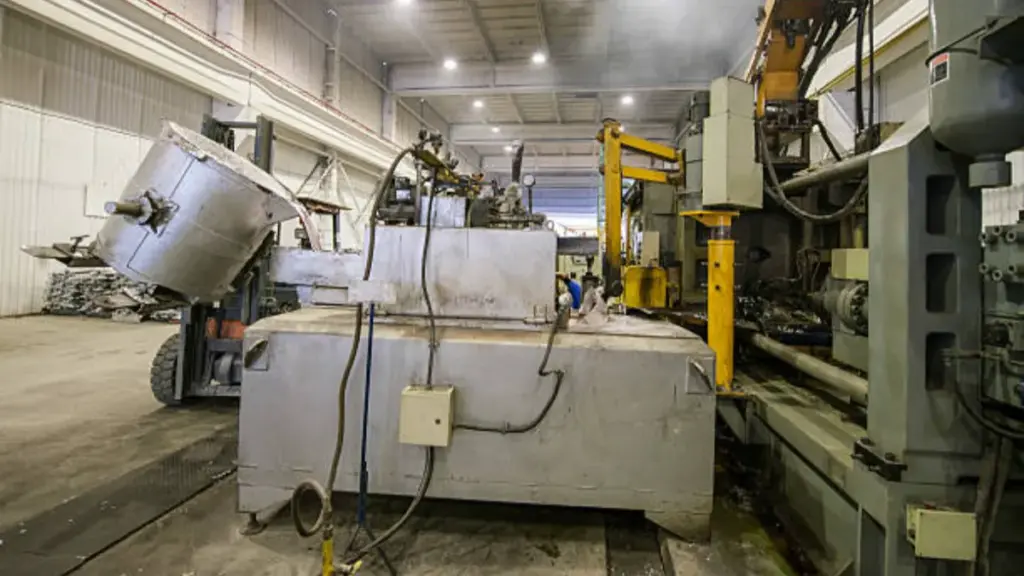
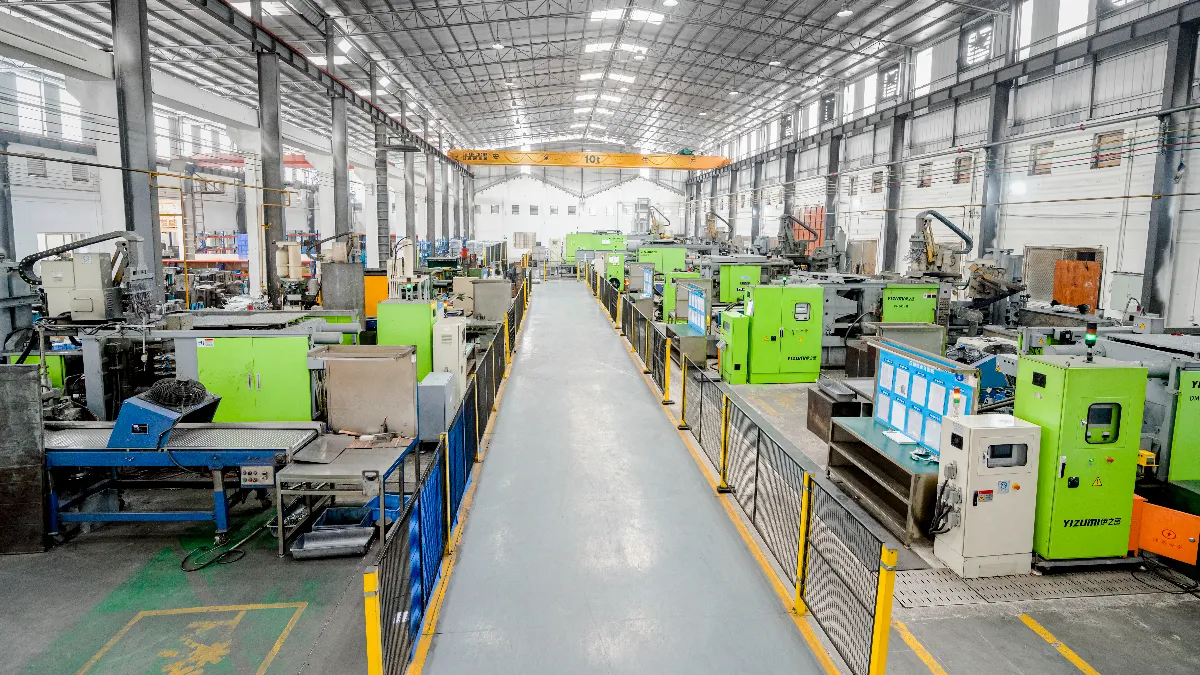
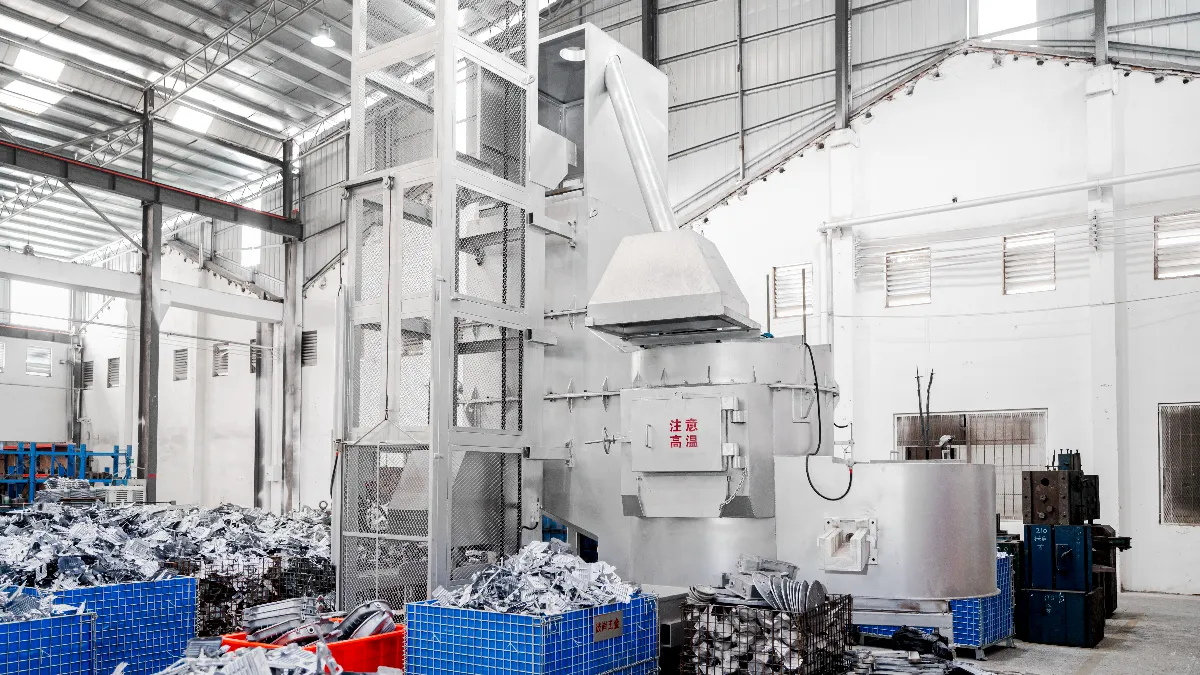
El principio organizador de un circuito disciplinado es la centralización.. Los retornos recolectados en cada celda de fundición a presión van a un horno central de fusión y refinación en lugar de ser refundidos ad hoc junto a máquinas individuales.. Allí la masa fundida alcanza la temperatura, desgasificado, refinado, y corregido contra la química objetivo antes de ser entregado a las celdas de fundición como un suministro constante de metal líquido..
La centralización es importante por dos razones. Primero, refinar en un solo lugar es verificable: fluir, desgasificación, y el desnatado se realizan bajo un solo procedimiento con un solo conjunto de registros, en lugar de depender de los hábitos de cada turno. Segundo, Estabiliza la calidad de la masa fundida para cada máquina a la vez., que es lo que mantiene las piezas sensibles a la porosidad, como las carcasas de LED y los componentes automotrices, en tolerancia en todo el taller., no sólo en una celda favorita.
Control de calidad para fundidos reciclados
El contenido reciclado aumenta las apuestas en el análisis de masa fundida, porque cada impureza que entró por retornos tiene que ser vista y gestionada. Los instrumentos que hacen que esto sea honesto son fáciles de enumerar.: un espectrómetro de lectura directa que informa la química completa, una prueba de densidad de hidrógeno que atrapa el gas disuelto antes de que se vuelva poroso, y verificaciones químicas del proceso repetidas cada dos horas para que la deriva se detecte dentro de un turno en lugar de en la inspección final..
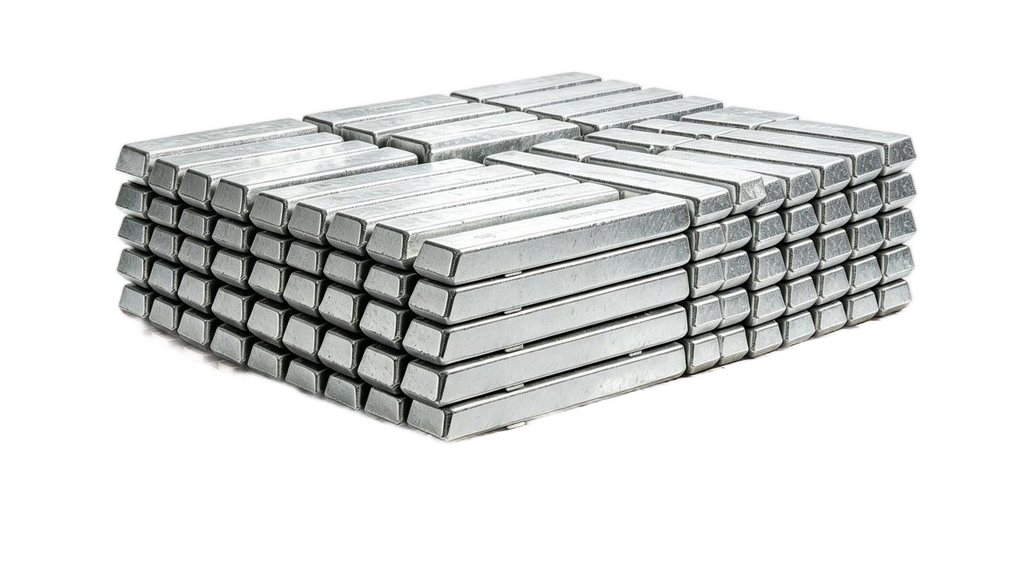
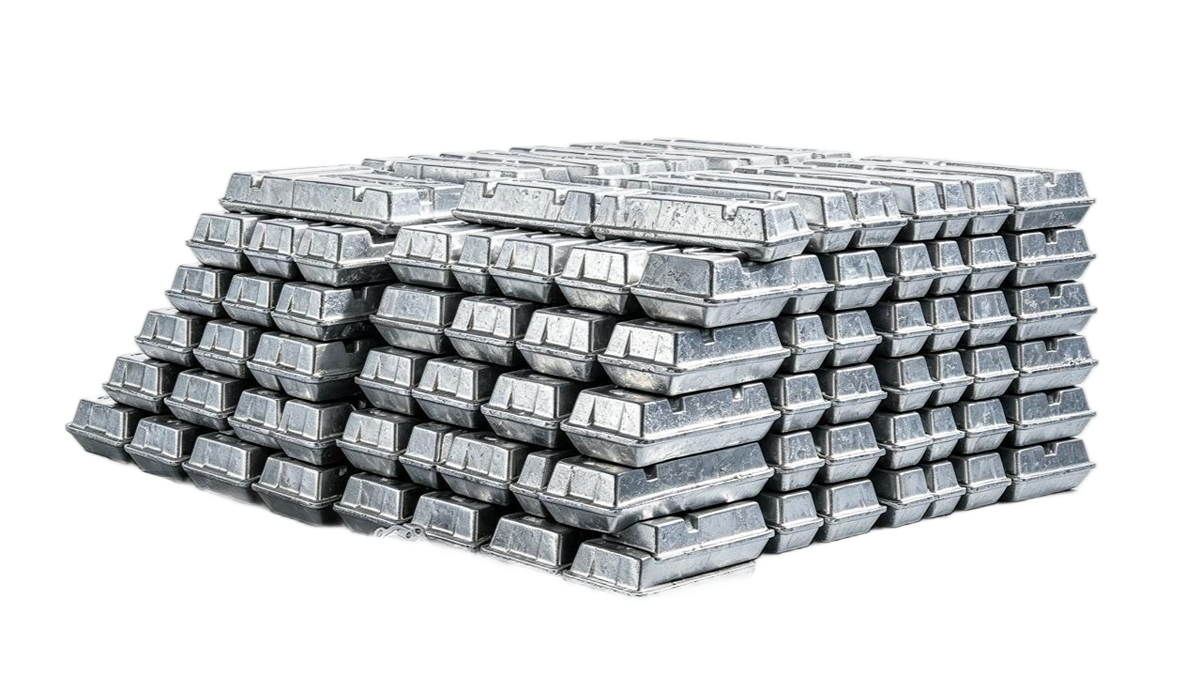
El material entrante se controla con el mismo rigor, ya que un circuito de reciclaje es tan limpio como lo que admite. El metal entrante certificado y las devoluciones totalmente documentadas son las únicas entradas permitidas al horno central.. El resultado que le importa a su inspección entrante es el papel., no promesas: Los informes de prueba de materias primas se envían con las piezas sin cargo., para que su equipo de calidad pueda presentar la química térmica real junto con el certificado. Puedes ver cómo estos controles se ubican dentro del más amplio sistema de control de calidad, desde la detección de porosidad con rayos X hasta las pruebas de niebla salina.
Dónde residen los ahorros en su costo unitario
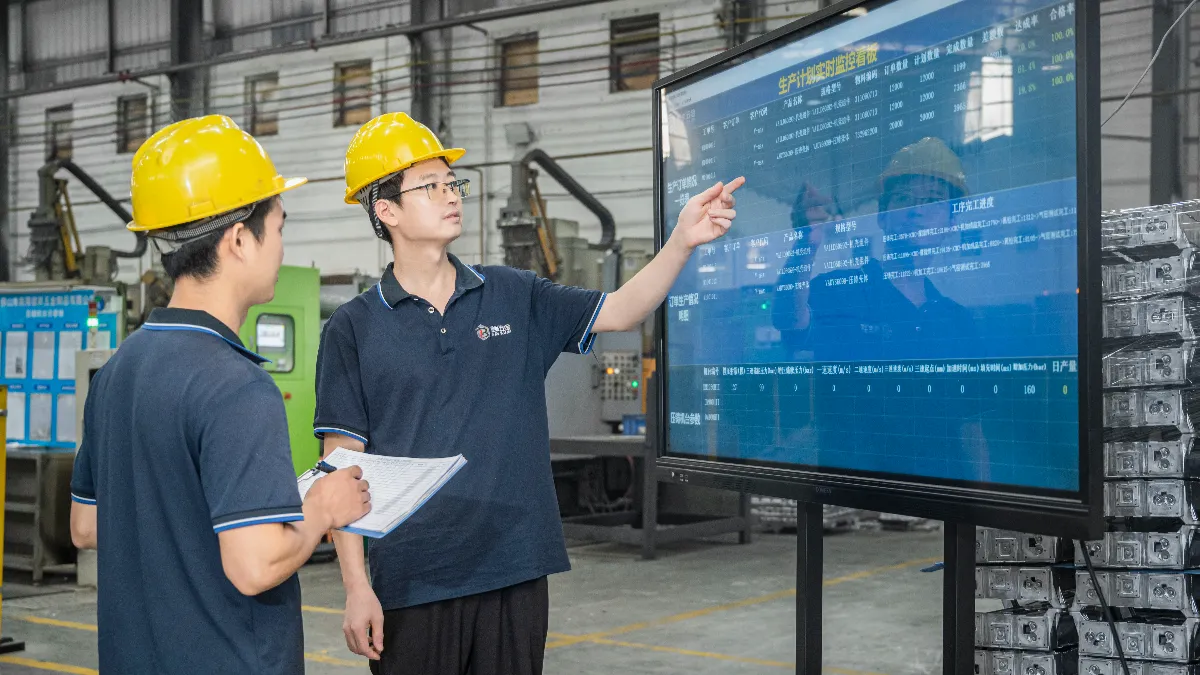
El circuito de reciclaje llega a tu cotización a través de tres canales. El coste del material es lo primero: Las devoluciones internas reguladas desplazan las compras de lingotes., y la balanza de ahorro con la parte metálica de la pieza.. El rendimiento ocupa el segundo lugar: cuando vale la pena recuperar los rendimientos, Las fundiciones tienen una razón económica para mantener niveles bajos de chatarra., y la reducción de la chatarra se manifiesta en plazos de entrega más cortos y menos renegociaciones de precios cuando los volúmenes cambian.
La previsibilidad ocupa el tercer lugar, y es el que los compradores subestiman. Una masa fundida controlada por un espectrómetro y comprobaciones de dos horas mantiene las propiedades estables durante toda la producción., lo que significa menos sorpresas en la inspección entrante y un menor costo total de calidad de su parte. Nada de esto aparece como una línea de descuento., pero todo aparece en el total que usted paga durante la vida de un programa.
Evidencia de sostenibilidad que su programa ESG puede utilizar
Los equipos de adquisiciones necesitan cada vez más narrativas sobre energía y contenido reciclado que sobrevivan a una auditoría.. La ventaja energética de la refundición del aluminio es el titular, pero los auditores quieren evidencia del sistema detrás de esto: gestión de calidad certificada (la fábrica opera bajo ISO 9001 con IATF 16949 para programas automotrices), registros de fusión respaldados por instrumentos, y trazabilidad que vincula las piezas terminadas con sus datos de producción. Los códigos de piezas marcados con láser vinculados al sistema MES de fábrica proporcionan ese último enlace, por lo que una conversación sobre contenido reciclado puede hacer referencia a calores reales en lugar de promedios anuales.
La amplitud de la aplicación también ayuda. El mismo circuito cerrado sirve para la iluminación., automotor, telecomunicaciones, y programas de hardware doméstico, lo que significa que una visita al proveedor puede cubrir varias categorías en su alcance: el descripción general de las soluciones de la industria muestra dónde la fundición a presión ya reemplaza a los conjuntos mecanizados o de acero en cada.
Preguntas para hacerle a un proveedor de fundición a presión sobre el reciclaje
Cinco preguntas separan un bucle controlado de un reclamo de marketing. Pregunte cómo se segregan las devoluciones y qué previene la contaminación por aleaciones cruzadas.. Pregunte qué informes de instrumentos derriten la química y con qué frecuencia se realizan verificaciones de procesos.. Pregunte si el contenido reciclado se corrige según las especificaciones en un horno central o se gestiona celda por celda.. Solicite un informe de prueba de materia prima de muestra, ya que un proveedor que confía en sus fundidos los proporciona gratuitamente. Y pregunte cómo se rastrean las piezas hasta su estado fundido después del envío., porque la trazabilidad es lo que convierte cualquier otra respuesta de una promesa a un registro.
Si quieres esas respuestas para tu programa, póngase en contacto con nuestro equipo de ingeniería con su dibujo y aleación objetivo; Le devolveremos la documentación de control de fusión junto con la cotización..
Preguntas más frecuentes
¿Qué es una aleación de aluminio 319?, ¿Y contiene metal reciclado??
A319 es una aleación de fundición de aluminio, silicio y cobre cuya química tolera secundaria controlada (reciclado) contenido bien, Es por eso que se usa ampliamente en programas de fundición que funden retornos regulados junto con lingotes certificados.. Lo que determina la calidad no es la presencia de metal reciclado sino la verificación del estado fundido.: Las comprobaciones de hidrógeno y química del espectrómetro confirman que cada calor se mantiene dentro de la especificación que usted calificó..
¿El contenido reciclado debilita las piezas fundidas de aluminio??
No cuando el bucle está controlado.. El aluminio se recicla sin perder sus propiedades intrínsecas, y las impurezas introducidas por los retornos se miden y corrigen en el punto de fusión.. Los problemas surgen sólo en talleres que refunden devoluciones sin control químico.; por eso los controles del espectrómetro durante dos horas, prueba de densidad de hidrógeno, y los informes de prueba de materia prima gratuitos son la evidencia que debe solicitar a un proveedor.
¿Cuánta energía se ahorra reciclando aluminio en comparación con la producción primaria??
La chatarra de aluminio de refundición consume aproximadamente 5% de la energía necesaria para producir la misma masa de aluminio primario a partir del mineral de bauxita. Para un comprador de fundición a presión, esto se traduce en costos de fundición más bajos y más estables., y para un programa ESG, proporciona el número principal detrás de una narrativa de contenido reciclado., respaldado por los registros de fundición de la fundición y los sistemas de calidad certificados.
¿Qué documentación debo exigir para las piezas fundidas a presión con contenido reciclado??
Requiere tres cosas: química del nivel de calor de un espectrómetro (enviado como informe de prueba de materia prima sin cargo), evidencia de higiene de la masa fundida, como registros de densidad de hidrógeno, y trazabilidad a nivel de piezas que vincula las piezas fundidas enviadas con sus datos de producción, por ejemplo, códigos marcados con láser vinculados al MES del proveedor. Juntos demuestran que el contenido reciclado está controlado, no simplemente reclamado.