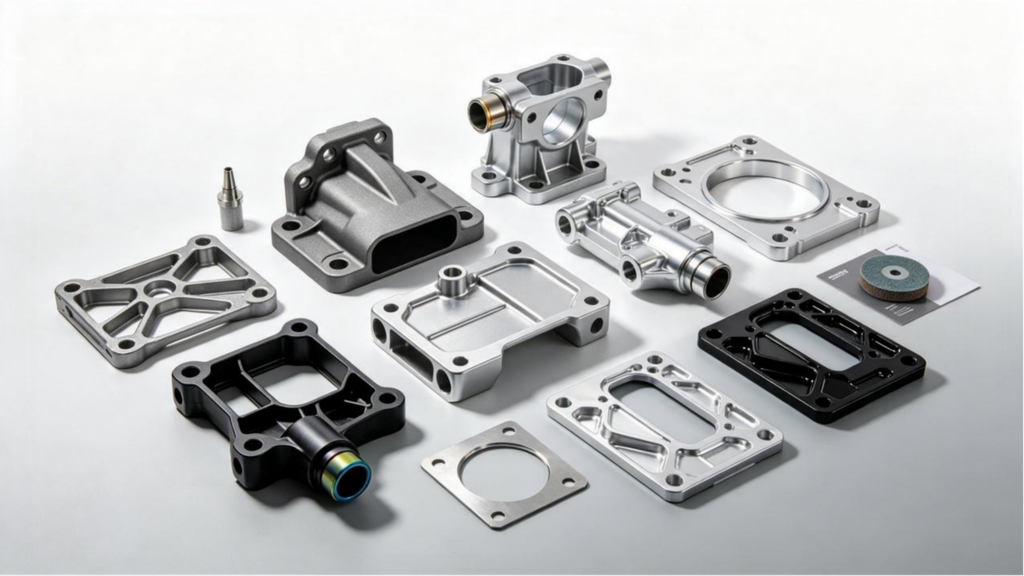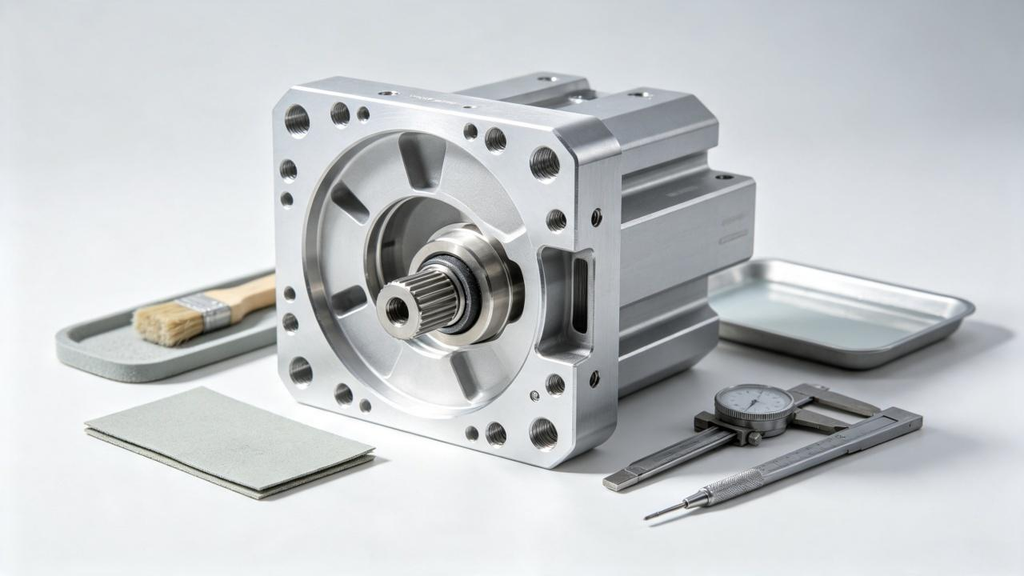
La plupart des devis de moulage sous pression d'aluminium sont opaques, ce n'est pas parce que les fournisseurs cachent quoi que ce soit., mais parce que les acheteurs voient rarement comment le numéro est assemblé. Un prix par pièce est la somme de quatre blocs — métal, amortissement des outillages, conversion, et finition — et chaque bloc répond à différents leviers de conception et de volume. Comprendre l'anatomie d'un service de moulage sous pression d'aluminium un devis vous transforme de preneur de prix en négociateur: vous saurez quel coût est fixe, ce qui est négociable, et lequel ton propre dessin gonfle.
Voici la carte que nous allons parcourir, avec la flexibilité qu'offre chaque bloc une fois la production lancée:
| Bloc de coûts | Principaux moteurs | Pouvez-vous le déplacer plus tard? |
|---|---|---|
| Matériel | Prix de l'alliage, poids tiré, récupération de ferraille | En partie — grâce à la conception et à l'ajustement en alliage |
| Outillage | Taille, acier, cavités, noyaux coulissants | Une fois; structure négociable |
| Conversion | Temps de cycle, tonnage de serrage, taux de machine | Oui — les murs et la géométrie agissent directement |
| Finition & logistique | Nombre d'opérations, tolérances, spécification d'emballage | Oui — les économies les plus négligées |
Coût du matériel: Le poids du tir n'est pas un poids partiel
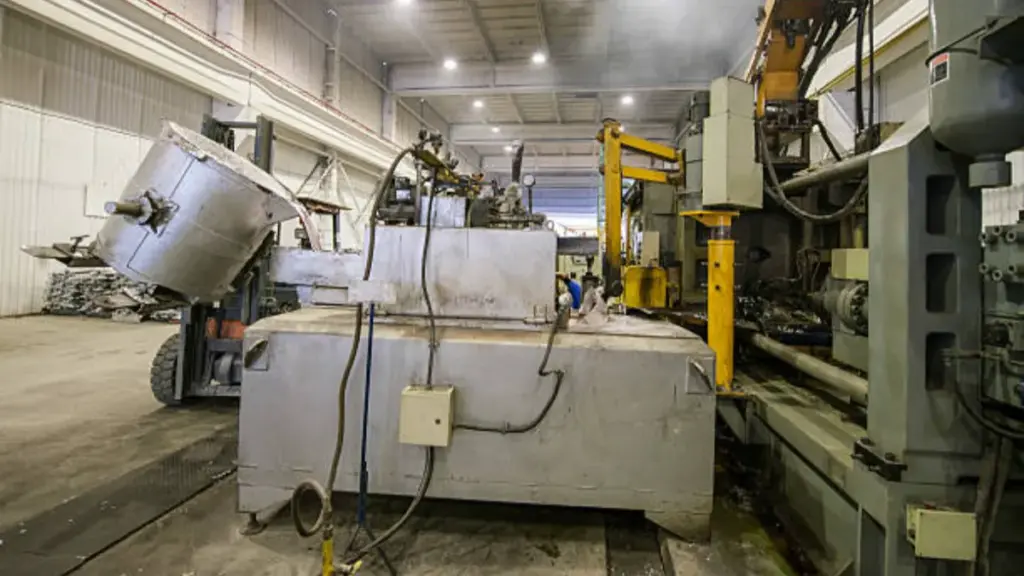
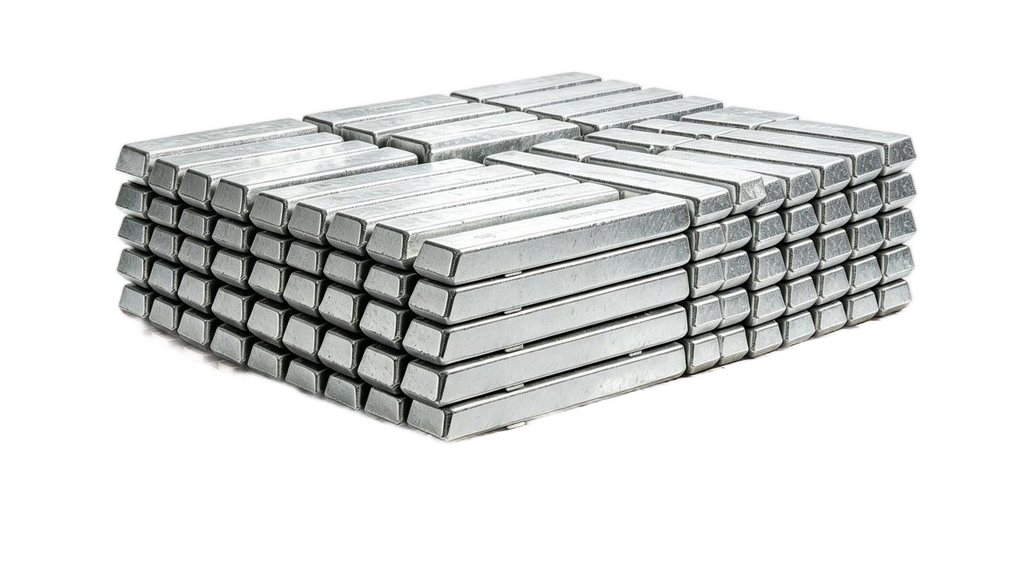
La première surprise dans la plupart des pannes est que vous payez plus de métal que la pièce n'en contient.. Chaque plan comprend la pièce plus le biscuit, portes, et les trop-pleins qui font fonctionner le remplissage à haute pression, et ce coup de poids — pas le poids fini — c'est ce que distribue le four. Dans une fonderie disciplinée, ces retours sont récupérés via une boucle de recyclage centrale et recrédités dans le coût de fusion., c'est pourquoi deux fournisseurs utilisant le même alliage peuvent proposer des gammes de matériaux visiblement différentes.
Le choix de l’alliage déplace également la ligne des matériaux. Prix ADC12 inférieurs aux qualités spécialisées, et les alliages à haute conductivité comportent des fenêtres chimiques plus étroites qui coûtent plus cher à maintenir. La manière honnête de comparer les devis est par kilogramme fini expédié, avec l'alliage spécifié sur le devis, pas par coup.
Outillage: L'investissement ponctuel et comment il s'amortit
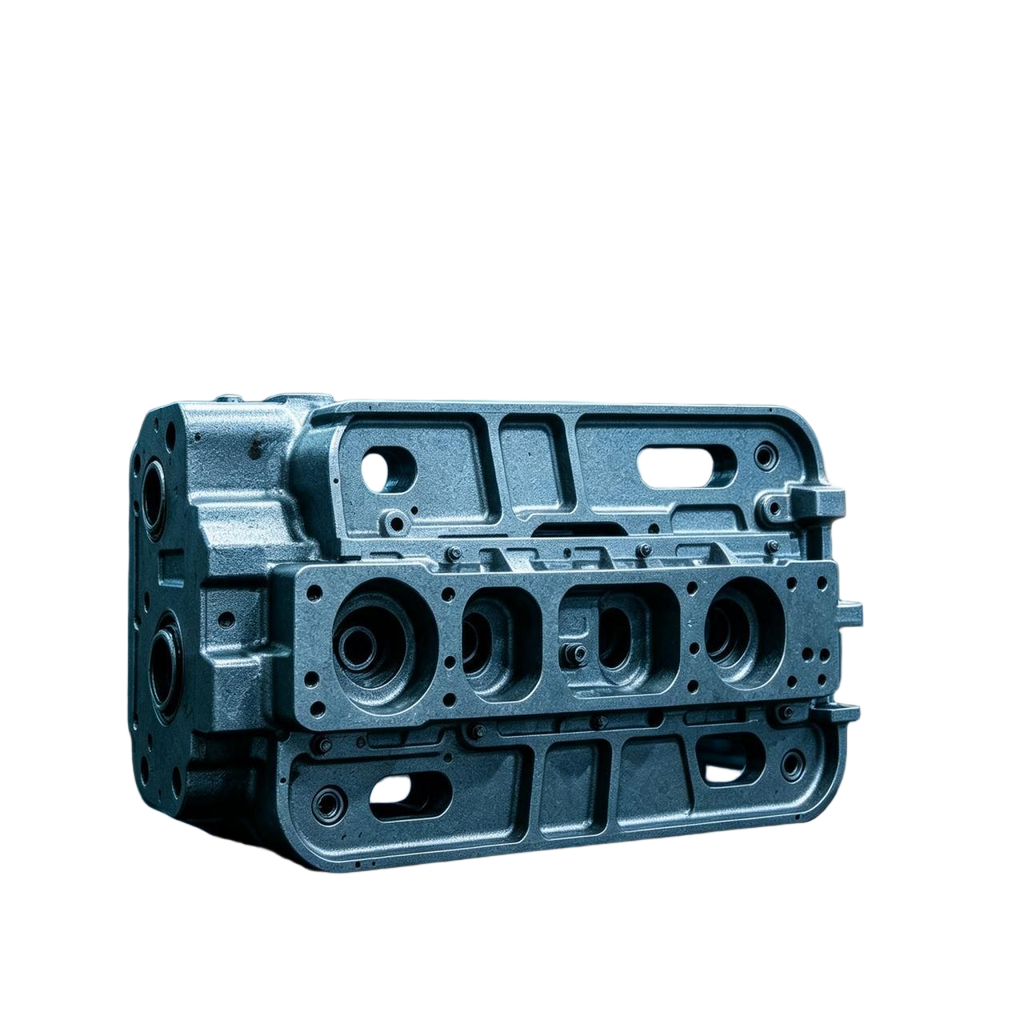
La matrice constitue le plus gros investissement dans un nouveau programme, et son prix dépend d'une poignée de facteurs compréhensibles: taille de la pièce, nuance d'acier, nombre de cavités, noyaux coulissants, et la durée de vie prévue de l'outil. Un outil simple à une seule cavité pour un support a un coût totalement différent d'un outil à quatre cavités avec glissières hydrauliques pour un boîtier complexe.. Les outils complexes coûtent plus cher mais produisent plus de pièces par cycle, la question pertinente n'est donc jamais uniquement le prix de l'outil — c'est le prix de l'outil divisé par le volume total du programme.
L'amortissement de l'outillage est également un point où la structure du contrat est importante. Certains acheteurs paient l'outil directement et en sont propriétaires; d'autres laissent la fonderie l'amortir sur le prix à la pièce sur une quantité convenue. Les deux peuvent être économiques, mais ils récompensent des comportements différents: posséder l'outil vous donne la liberté de déplacer la production, tandis que l'outillage amorti réduit votre engagement initial. Demandez quelle structure prend votre devis avant de le comparer à un autre. Une troisième structure qui mérite d’être interrogée: crédits de frais d'outillage, où les frais d'outillage sont partiellement ou totalement restitués une fois que le volume de production atteint un seuil convenu — le coût effectif de l'outil suit ensuite le succès du programme au lieu de rester un coût irrécupérable.

Coût de conversion: Temps machine, Faire du vélo, et tonnage
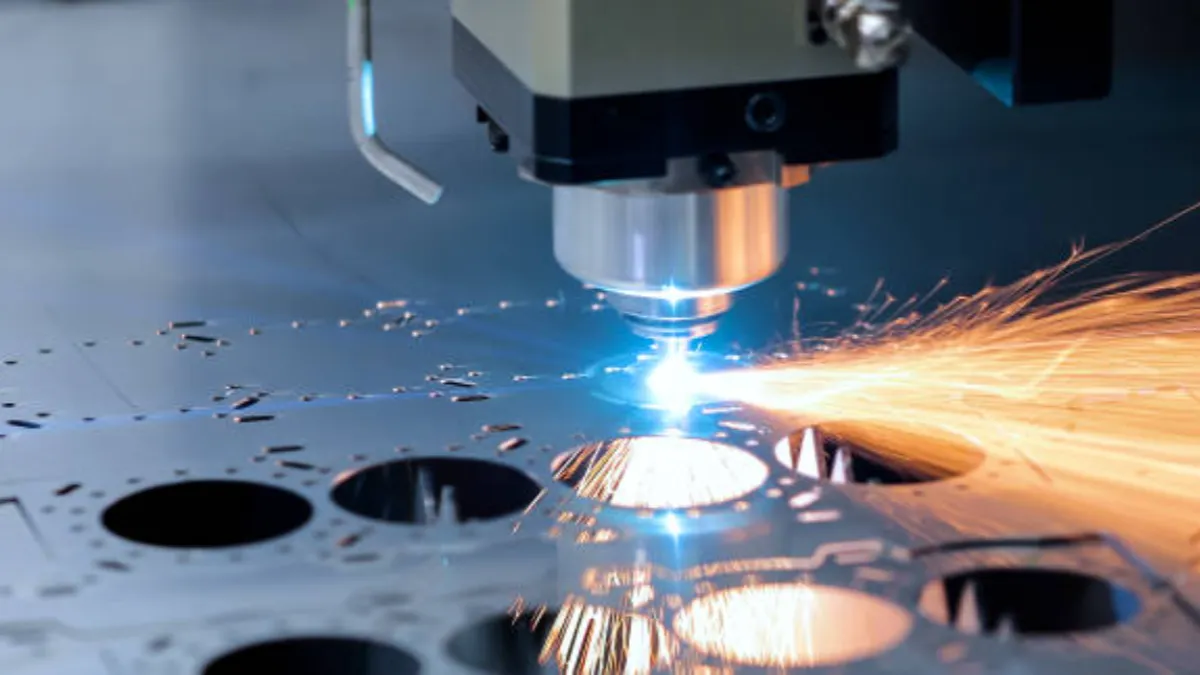
Le bloc de conversion est la machine elle-même: ce que vous payez pour les secondes où votre pièce occupe une cellule de moulage sous pression. Trois variables le définissent. Le temps de cycle est le plus grand — les murs plus épais nécessitent une solidification plus longue, et chaque seconde se multiplie à travers le programme. Le tonnage de serrage est le deuxième: La surface projetée de la pièce multipliée par la pression de coulée détermine la taille de la machine, et les machines plus grosses coûtent plus cher par heure. Le poids du tir est le troisième, puisque la manipulation et la fusion de plus grandes doses de métal consomment de l'énergie et du temps de cycle du four.
C'est là que les retours d'expérience en ingénierie rapportent directement. Une nervure ajoutée pour remplacer une section épaisse raccourcit le cycle. Une pièce réorientée dans la matrice peut perdre une classe de tonnage. Un acheteur qui demande “qu'est-ce qui, dans ma conception, détermine le temps de votre machine” pose la question du meilleur coût en matière de moulage sous pression.
Opérations secondaires: Où les budgets augmentent tranquillement
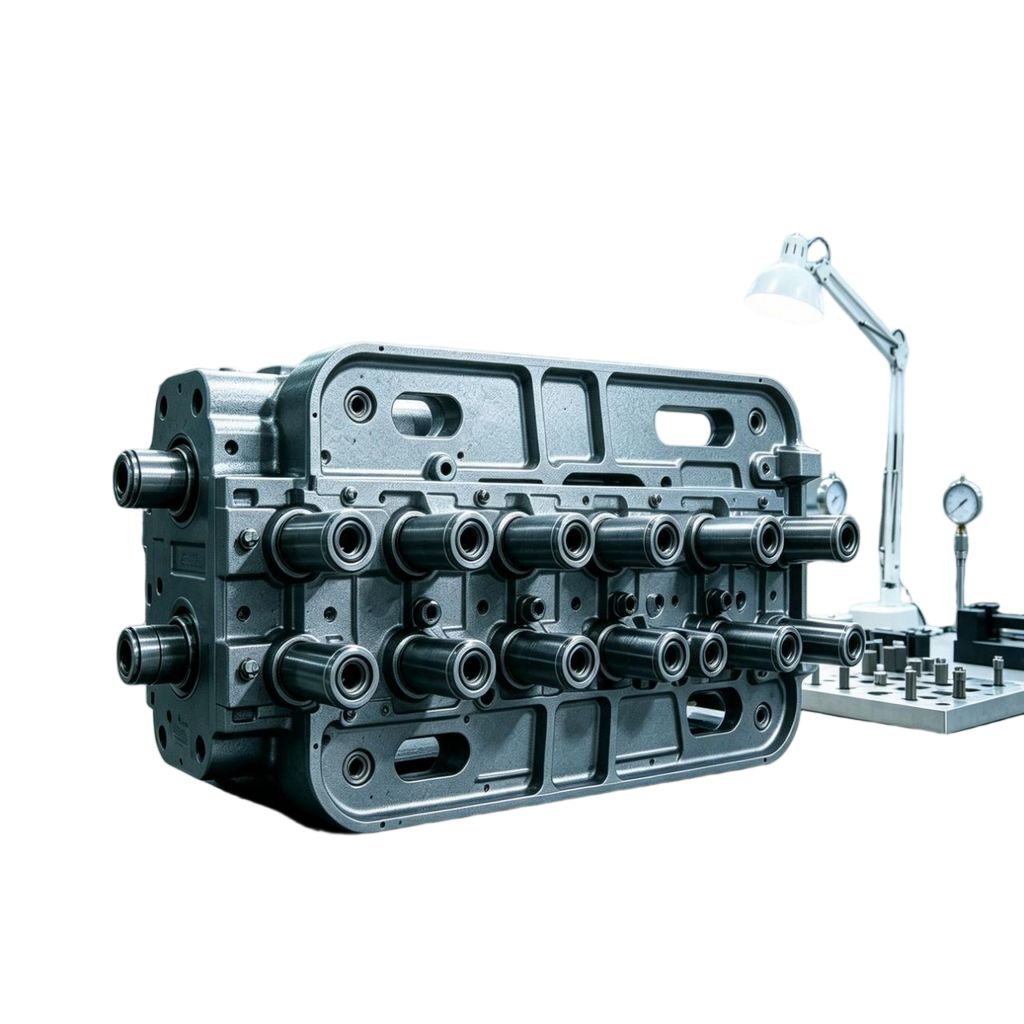
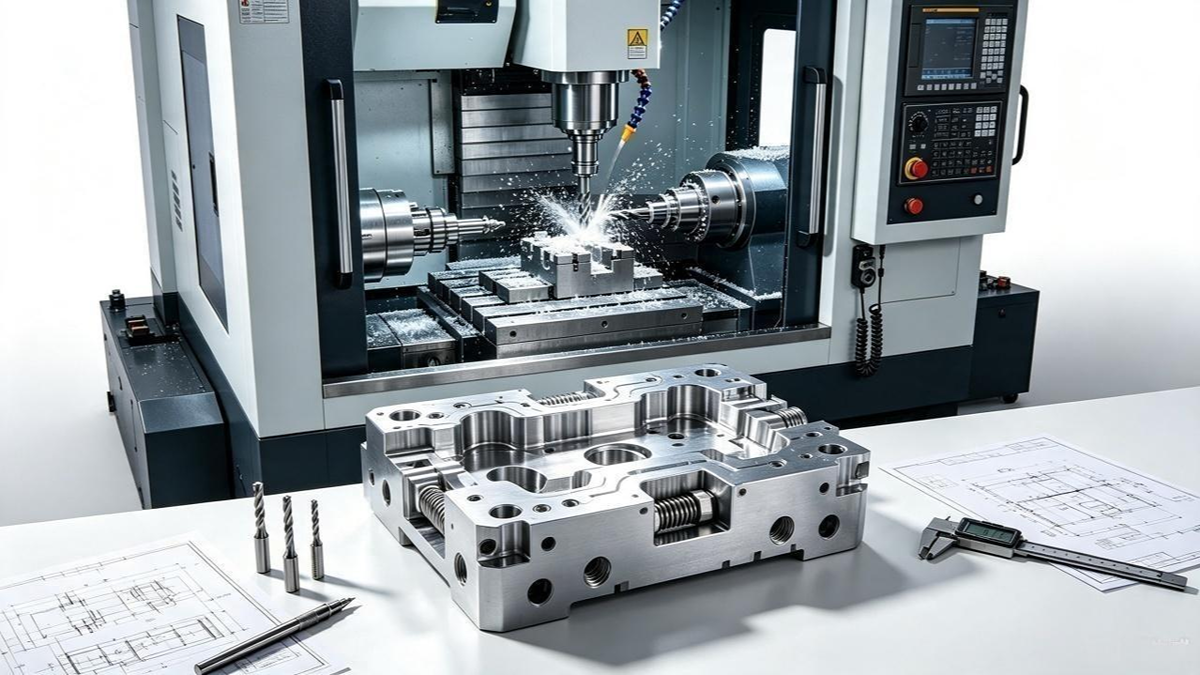
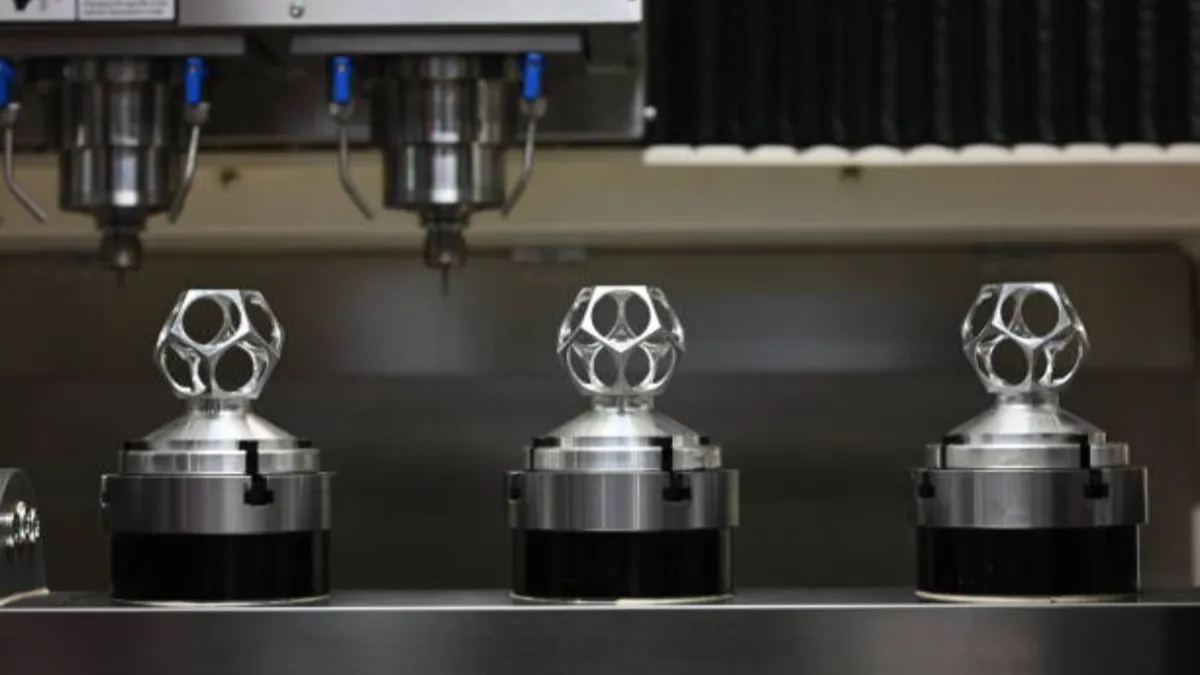
Tel que moulé n'est presque jamais tel qu'expédié. Garniture, perçage et taraudage, Usinage CNC des faces critiques, test d'étanchéité, traitement de surface, et l'emballage ajoutent chacun une ligne de coût réelle, et ensemble, ils peuvent rivaliser avec le casting lui-même. Le modèle qui se répète dans tous les programmes: une poignée de tolérances exigées sur les faces non fonctionnelles entraînent des sections entières de la pièce dans un usinage CNC dont la précision de moulage n'a jamais été requise.
Chaque opération mérite un test de finalité. Est-ce que ce visage s'accouple avec une autre partie? Ensuite, il faut un usinage selon les spécifications. Est-ce cosmétique et visible? Ensuite, il faut le finir. Est-ce que ce n'est ni l'un ni l'autre? Ensuite, chaque point décimal de tolérance représente un petit don à votre propre structure de coûts.. Notre Capacité d'usinage CNC existe justement pour les visages qui en ont besoin — la compétence en matière de coûts consiste à maintenir cet ensemble aussi petit que la conception le permet.
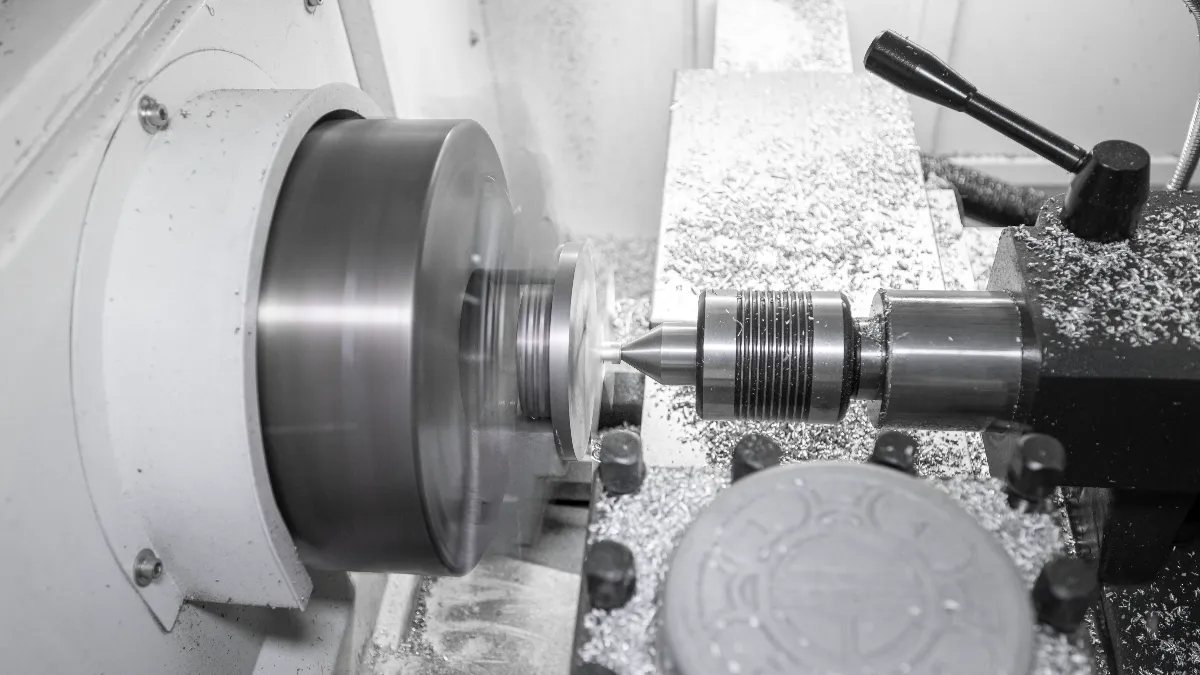
Volume et courbe de prix
Le moulage sous pression est une technologie de volume: outillage et configuration répartis sur plus de pièces, et le prix par pièce suit une courbe raide au début et plate à la fin.. Le volume débloque également des options structurelles — plus de cavités, luminaires dédiés, et une automatisation qu'une exécution à faible volume ne peut pas amortir. Les quantités minimales de commande reflètent cette réalité plutôt qu'une politique arbitraire; ils existent car en dessous d'une certaine quantité, l'économie par pièce n'a plus de sens pour les deux parties.
À des fins de planification, les bandes pratiques sont simples: petites pièces jusqu'à environ 1 kg sont généralement viables à partir d'environ 2,000 pièces, pièces de taille moyenne jusqu'à 3 kg à partir d'environ 1,000 pièces, et des pièces plus lourdes d'environ 500 pièces. En dessous de ces seuils, l'usinage à partir de billettes ou d'une alternative de moulage est souvent plus efficace — une bonne fonderie le dira plutôt que de citer un moulage que personne ne devrait acheter. Le timing compte aussi: un dessin d'exécution avec l'alliage et le volume doit justifier une citation détaillée dans 24 heures, et si un fournisseur a besoin d'une semaine pour fixer le prix d'une pièce standard, Il est peu probable que le numéro par pièce soit précis non plus.
Des leviers pratiques pour réduire votre prix par pièce
Sept leviers font bouger le nombre, à peu près par ordre d'impact. D'abord, consolider les pièces: une pièce moulée qui remplace trois pièces assemblées supprime deux opérations de fixation et deux piles de tolérances. Deuxième, murs uniformes: ils raccourcissent les cycles et réduisent simultanément les risques d'évier et de porosité. Troisième, discipline de tolérance: placer l'usinage uniquement là où la fonction l'exige. Quatrième, nombre de cavités adapté au volume réel. Cinquième, ajustement en alliage — l'alliage le moins cher qui répond à l'exigence, pas le plus familier. Sixième, terminer la sélection: revêtement en poudre là où il fonctionne, et évitez les finitions haut de gamme sur les faces invisibles. Septième, emballage spécifié pour la réalité du transport plutôt que pour le pire des cas.
La transparence compose les sept. Un devis avec une ventilation visible des coûts invite au dialogue technique, et un fournisseur qui propose des suggestions d'optimisation des coûts dans le devis vous indique où votre dessin est plus cher que nécessaire. Notre service d'emballage et de logistique applique la même logique au dernier bloc de coûts, concevoir des emballages d'exportation pour le mode de fret réel au lieu d'utiliser par défaut des caisses hors spécifications.
Prêt à voir la répartition par vous-même? Demandez un devis via notre page de contact avec le dessin et le volume annuel, et la réponse montrera les blocs de coûts ligne par ligne, ainsi que les suggestions d'optimisation sur lesquelles nous agirions en premier.
FAQ
Combien coûte l'outillage de moulage sous pression en aluminium?
Barèmes de prix d'outillage avec taille de pièce, nuance d'acier, nombre de cavités, et noyaux coulissants, ainsi, une simple matrice à cavité unique et une matrice à boîtier multi-cavité peuvent différer d'un ordre de grandeur. Le nombre qui compte pour votre programme est le prix de l'outil divisé par les prises de vue à vie., et la structure compte aussi: payé directement et détenu, ou amorti sur le prix à la pièce sur une quantité convenue.
Qu'est-ce qui détermine le prix par pièce dans le moulage sous pression d'aluminium?
Quatre blocs: métal (poids tiré, pas seulement le poids partiel), amortissement des outillages, conversion (temps machine, faire du vélo, et tonnage), et opérations secondaires telles que l'usinage, finition, et tester. Dans les programmes matures, l'épaisseur de la paroi et la discipline de tolérance influencent généralement le total plus que le prix de l'alliage, car ils agissent simultanément sur le temps de cycle et l'usinage.
Pourquoi les fournisseurs fixent-ils des quantités minimales de commande?
Parce que l'outillage, installation, et le travail de qualité du premier article doit être amorti tout au long du tirage. Les bandes viables typiques commencent autour 2,000 pièces pour pièces sous 1 kilos, 1,000 morceaux jusqu'à 3 kilos, et en gros 500 morceaux au dessus de ça. En dessous de ces volumes, le prix par pièce augmente fortement, et des alternatives telles que l'usinage à partir de billettes sont généralement la meilleure recommandation..
Comment puis-je réduire le coût de mon unité de moulage sous pression sans nuire à la qualité?
Actionnez les leviers de conception dans l'ordre: consolider les assemblages en une seule coulée, maintenir une épaisseur de paroi uniforme pour des cycles plus rapides, limiter les tolérances serrées et l'usinage aux faces fonctionnelles, faire correspondre le nombre de cavités au volume réel, et sélectionnez l'alliage et la finition conformes les moins chers. Un devis fournisseur qui montre la répartition des coûts ligne par ligne révélera généralement quel levier rembourse en premier.