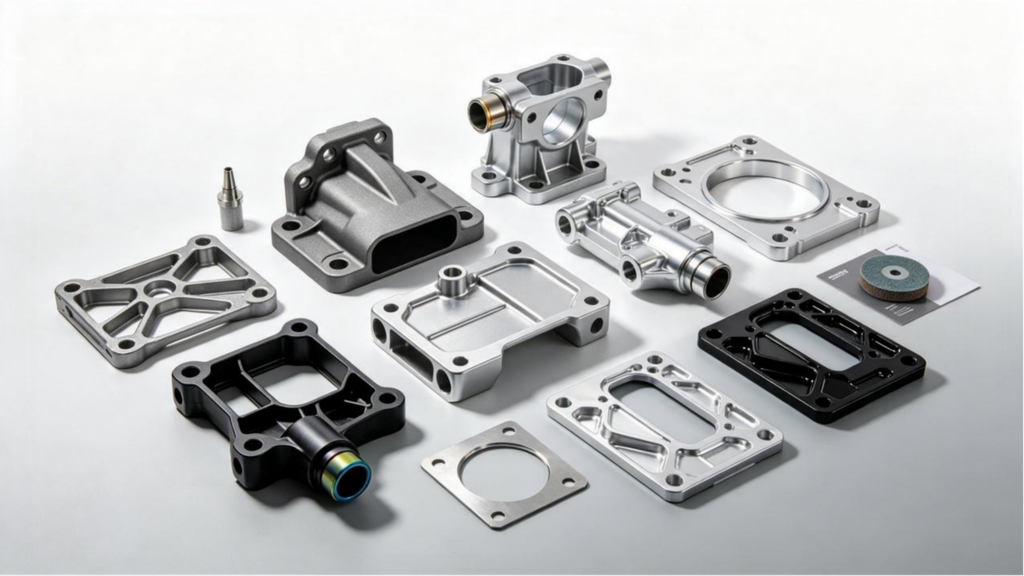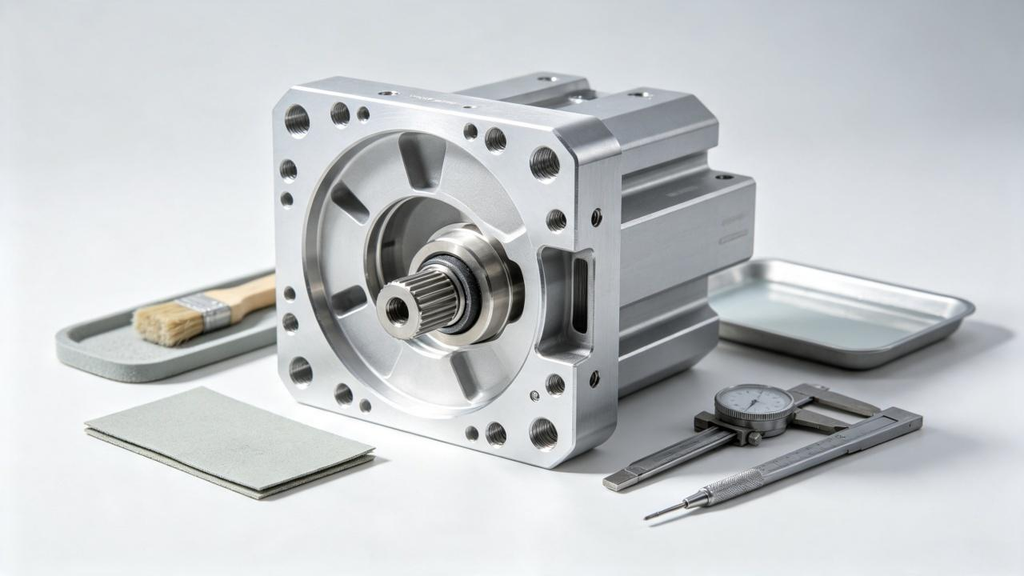
अधिकांश एल्यूमीनियम डाई कास्टिंग कोटेशन अपारदर्शी हैं, इसलिए नहीं कि आपूर्तिकर्ता कुछ भी छिपाते हैं, लेकिन क्योंकि खरीदारों को शायद ही कभी दिखाया जाता है कि नंबर कैसे इकट्ठा किया जाता है. प्रति-भाग कीमत चार ब्लॉकों का योग है — धातु, टूलींग परिशोधन, परिवर्तन, और समापन — और प्रत्येक ब्लॉक अलग-अलग डिज़ाइन और वॉल्यूम लीवर पर प्रतिक्रिया करता है. ए की शारीरिक रचना को समझना एल्यूमीनियम डाई कास्टिंग सेवा उद्धरण आपको कीमत लेने वाले से वार्ताकार में बदल देता है: आपको पता चल जाएगा कि कौन सी लागत तय है, जो समझौता योग्य है, और आपका अपना चित्र कौन सा फुला रहा है.

यहां वह मानचित्र है जिसके माध्यम से हम चलेंगे, उत्पादन चालू होने पर प्रत्येक ब्लॉक लचीलेपन की पेशकश करता है:
| लागत ब्लॉक | मुख्य चालक | क्या आप इसे बाद में स्थानांतरित कर सकते हैं?? |
|---|---|---|
| सामग्री | मिश्र धातु की कीमत, गोली का वजन, स्क्रैप वसूली | आंशिक रूप में — डिजाइन और मिश्र धातु फिट के माध्यम से |
| टूलींग | आकार, इस्पात, ऐस्पेक्ट, स्लाइडिंग कोर | वन टाइम; संरचना परक्राम्य |
| परिवर्तन | समय चक्र, क्लैम्पिंग टनभार, मशीन दर | हाँ — दीवारें और ज्यामिति सीधे कार्य करती हैं |
| परिष्करण & रसद | ऑपरेशन गिनती, सहिष्णुता, पैकेजिंग विशिष्टता | हाँ — सबसे अधिक अनदेखी बचत |
सामग्री लागत: शॉट का वजन आंशिक वजन नहीं है
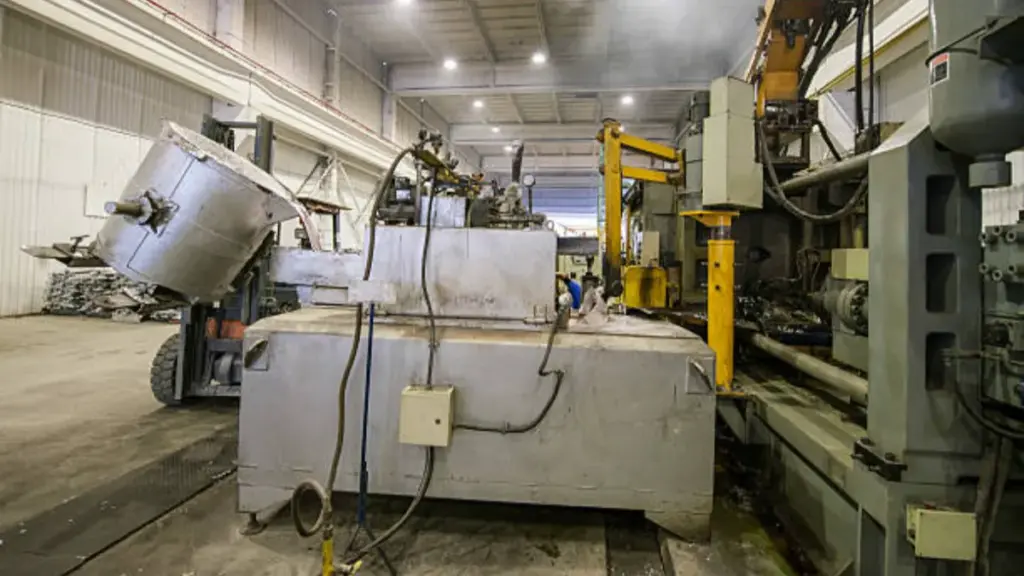
अधिकांश ब्रेकडाउन में पहला आश्चर्य यह है कि आप भाग में मौजूद धातु से अधिक धातु के लिए भुगतान करते हैं. प्रत्येक शॉट में भाग के साथ-साथ बिस्किट भी शामिल है, द्वार, और अतिप्रवाह जो उच्च दबाव भरने का काम करते हैं, और वह शॉट वजन — पूरा वजन नहीं — भट्ठी क्या वितरित करती है. एक अनुशासित फाउंड्री में उन रिटर्न को एक केंद्रीय रीसाइक्लिंग लूप के माध्यम से पुनर्प्राप्त किया जाता है और पिघल लागत में वापस जमा किया जाता है, यही कारण है कि एक ही मिश्र धातु चलाने वाले दो आपूर्तिकर्ता स्पष्ट रूप से भिन्न सामग्री लाइनें उद्धृत कर सकते हैं.
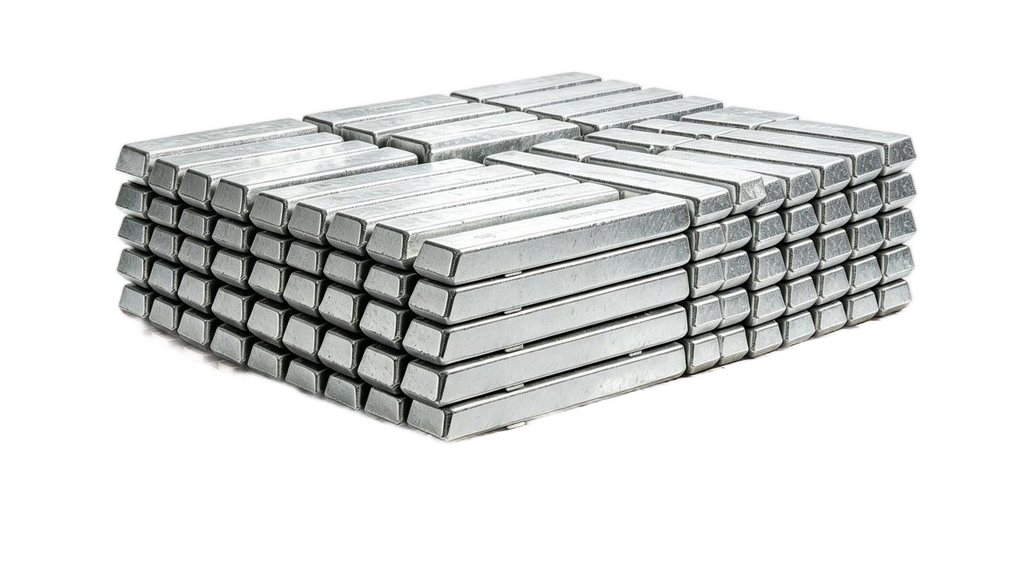
मिश्र धातु का चयन सामग्री रेखा को भी आगे बढ़ाता है. ADC12 की कीमतें विशेष ग्रेड से नीचे हैं, और उच्च-चालकता वाली मिश्र धातुएं सख्त रसायन वाली खिड़कियां रखती हैं जिन्हें पकड़ने में अधिक लागत आती है. उद्धरणों की तुलना करने का ईमानदार तरीका प्रति तैयार किलोग्राम भेजा गया है, उद्धरण पर निर्दिष्ट मिश्र धातु के साथ, प्रति शॉट नहीं.
टूलींग: एकमुश्त निवेश और इसका परिशोधन कैसे होता है
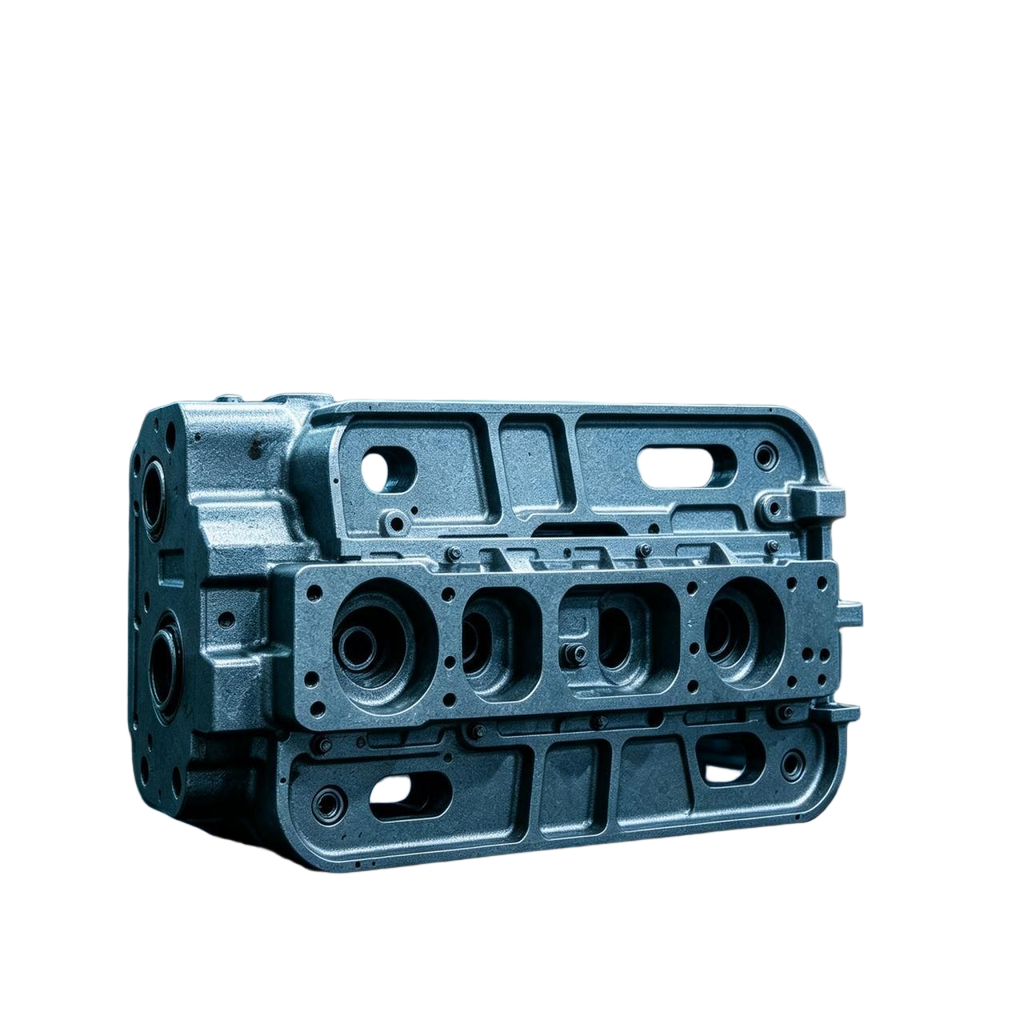
यह डाई किसी नए कार्यक्रम में सबसे बड़ा एकल निवेश है, और इसकी कीमत कुछ समझने योग्य कारकों द्वारा संचालित होती है: भाग का आकार, इस्पात श्रेणी, गुहाओं की संख्या, स्लाइडिंग कोर, और अपेक्षित उपकरण जीवन. ब्रैकेट के लिए एक सरल एकल-गुहा उपकरण एक जटिल आवास के लिए हाइड्रोलिक स्लाइड वाले चार-गुहा उपकरण से पूरी तरह से अलग लागत ब्रैकेट में रहता है।. जटिल उपकरणों की लागत अधिक होती है लेकिन वे प्रति चक्र अधिक भागों का उत्पादन करते हैं, इसलिए प्रासंगिक प्रश्न कभी भी केवल उपकरण की कीमत का नहीं होता है — यह टूल की कीमत को कुल प्रोग्राम वॉल्यूम से विभाजित किया जाता है.
टूलींग परिशोधन भी वह जगह है जहां अनुबंध संरचना मायने रखती है. कुछ खरीदार उपकरण का एकमुश्त भुगतान करते हैं और उसके मालिक होते हैं; दूसरों ने फाउंड्री को एक सहमत मात्रा से अधिक कीमत पर इसका परिशोधन करने दिया. दोनों किफायती हो सकते हैं, लेकिन वे अलग-अलग व्यवहारों को पुरस्कृत करते हैं: उपकरण का स्वामित्व आपको उत्पादन को स्थानांतरित करने की स्वतंत्रता देता है, जबकि परिशोधन टूलींग आपकी अग्रिम प्रतिबद्धता को कम करती है. किसी अन्य से तुलना करने से पहले पूछें कि आपका उद्धरण किस संरचना को अपनाता है. पूछने लायक तीसरी संरचना: टूलींग शुल्क क्रेडिट, जहां उत्पादन की मात्रा एक सहमत सीमा तक पहुंचने पर टूल चार्ज आंशिक रूप से या पूरी तरह से वापस कर दिया जाता है — प्रभावी उपकरण लागत तब डूबी हुई लागत के बजाय कार्यक्रम की सफलता को ट्रैक करती है.

रूपांतरण लागत: मशीन का समय, चक्र, और टन भार
रूपांतरण ब्लॉक मशीन ही है: आप उन सेकंड के लिए कितना भुगतान करते हैं जब आपका हिस्सा डाई कास्टिंग सेल पर कब्जा कर लेता है. तीन चर इसे सेट करते हैं. चक्र का समय सबसे बड़ा है — मोटी दीवारों को लंबे समय तक जमने की जरूरत होती है, और प्रत्येक सेकंड प्रोग्राम में कई गुना बढ़ जाता है. क्लैम्पिंग टन भार दूसरा है: अनुमानित भाग क्षेत्र समय कास्टिंग दबाव मशीन का आकार निर्धारित करता है, और बड़ी मशीनों की लागत प्रति घंटा अधिक होती है. शॉट का वजन तीसरा है, चूँकि धातु की बड़ी मात्रा को संभालने और पिघलाने में भट्ठी की ऊर्जा और चक्र समय की खपत होती है.
यह वह जगह है जहां इंजीनियरिंग फीडबैक सीधे भुगतान करता है. मोटे हिस्से को बदलने के लिए जोड़ी गई एक पसली चक्र को छोटा कर देती है. पासे में पुनः उन्मुख एक हिस्सा एक टन भार वर्ग को गिरा सकता है. एक खरीदार जो पूछता है “मेरे डिज़ाइन में क्या है जो आपकी मशीन का समय निर्धारित करता है” डाई कास्टिंग में एकल सर्वोत्तम लागत वाला प्रश्न पूछ रहा है.
द्वितीयक संचालन: जहां बजट चुपचाप बढ़ता है
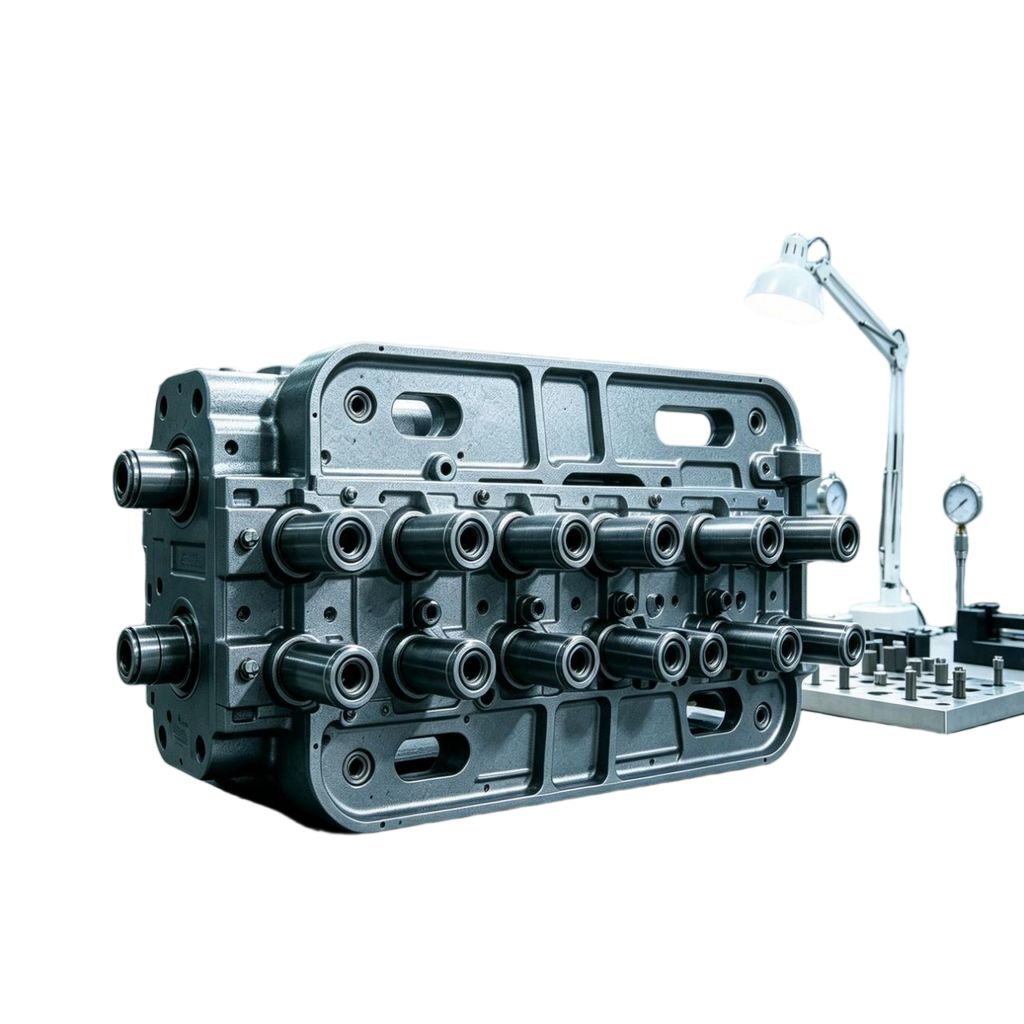
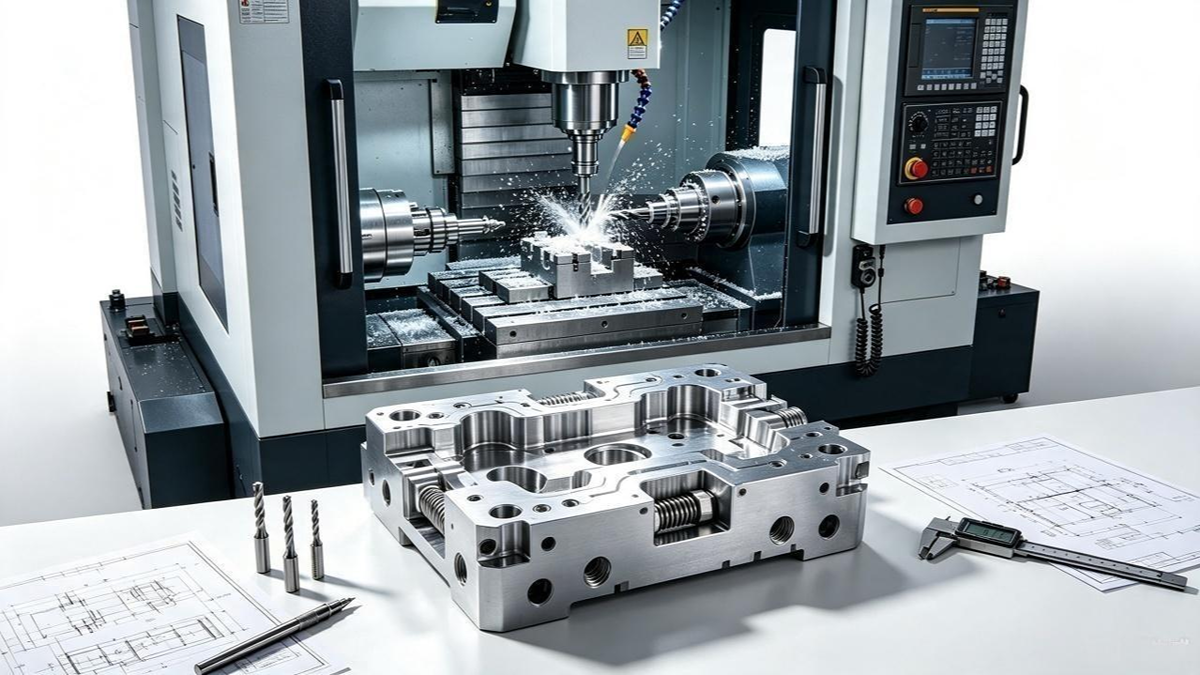
यथा-कास्ट लगभग कभी भी यथा-शिप नहीं किया जाता. ट्रिमिंग, ड्रिलिंग और टैपिंग, महत्वपूर्ण चेहरों की सीएनसी मशीनिंग, रिसाव परीक्षण, सतह का उपचार, और पैकेजिंग प्रत्येक एक वास्तविक लागत रेखा जोड़ती है, और साथ मिलकर वे कास्टिंग में ही प्रतिस्पर्धा कर सकते हैं. वह पैटर्न जो सभी प्रोग्रामों में दोहराया जाता है: गैर-कार्यात्मक चेहरों पर मांग की गई मुट्ठी भर सहनशीलता, भाग के पूरे खंड को सीएनसी मशीनिंग में खींच लेती है, जिसकी कास्टिंग सटीकता की कभी आवश्यकता नहीं होती है.
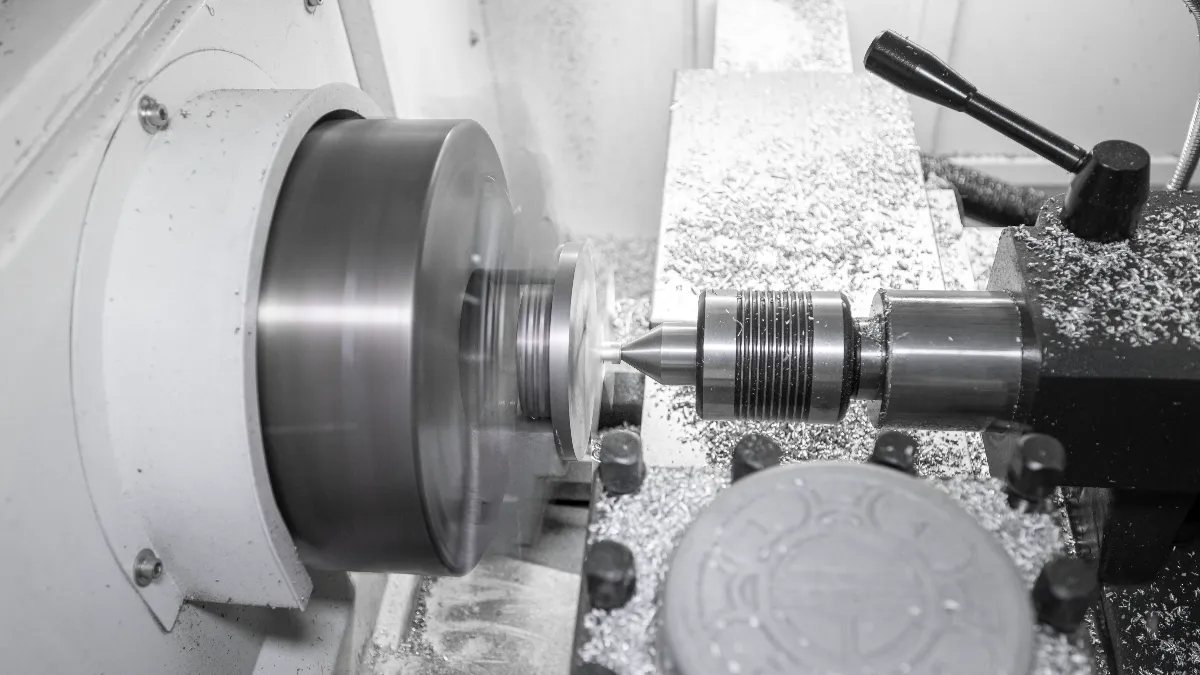
प्रत्येक ऑपरेशन एक उद्देश्य परीक्षण का हकदार है. क्या यह चेहरा दूसरे हिस्से से मेल खाता है?? फिर इसे निर्दिष्ट करने के लिए मशीनिंग की आवश्यकता होती है. क्या यह कॉस्मेटिक और दृश्यमान है? फिर इसे फिनिशिंग की जरूरत है. क्या ऐसा भी नहीं है? फिर उस पर सहनशीलता का प्रत्येक दशमलव बिंदु आपकी अपनी लागत संरचना के लिए एक छोटा सा दान है. हमारा सीएनसी मशीनिंग क्षमता यह बिल्कुल उन चेहरों के लिए मौजूद है जिन्हें इसकी आवश्यकता है — लागत कौशल उस सेट को उतना छोटा रखना है जितना डिज़ाइन अनुमति देता है.
मात्रा और कीमत वक्र
डाई कास्टिंग एक वॉल्यूम तकनीक है: टूलींग और सेटअप अधिक भागों में फैला हुआ है, और प्रत्येक भाग की कीमत एक ऐसे वक्र के साथ गिरती है जो शुरुआत में तीव्र और अंत में सपाट होती है. वॉल्यूम संरचनात्मक विकल्पों को भी अनलॉक करता है — अधिक गुहाएँ, समर्पित फिक्स्चर, और स्वचालन जिसे कम मात्रा में चलाने से परिशोधन नहीं किया जा सकता. न्यूनतम ऑर्डर मात्राएँ मनमानी नीति के बजाय इस वास्तविकता को दर्शाती हैं; वे एक निश्चित मात्रा से नीचे मौजूद हैं, प्रति-भाग अर्थशास्त्र दोनों पक्षों के लिए समझ में आना बंद कर देता है.
योजना प्रयोजनों के लिए, व्यावहारिक बैंड सीधे हैं: मोटे तौर पर छोटे हिस्से तक 1 किलो आमतौर पर लगभग से व्यवहार्य होते हैं 2,000 टुकड़े, तक के मध्य आकार के हिस्से 3 लगभग से किलो 1,000 टुकड़े, और चारों ओर से भारी हिस्से 500 टुकड़े. उन सीमाओं से नीचे, बिलेट या कास्टिंग विकल्प से मशीनिंग अक्सर बेहतर काम करती है — एक अच्छी फाउंड्री ऐसी कास्टिंग उद्धृत करने के बजाय ऐसा कहेगी जिसे किसी को नहीं खरीदना चाहिए. समय भी मायने रखता है: मिश्र धातु और आयतन के साथ एक कार्यशील ड्राइंग को विस्तृत उद्धरण का समर्थन करना चाहिए 24 घंटे, और यदि किसी आपूर्तिकर्ता को एक मानक हिस्से की कीमत तय करने के लिए एक सप्ताह की आवश्यकता होती है, प्रति-भाग संख्या भी तीव्र होने की संभावना नहीं है.
आपके प्रति-पार्ट मूल्य को कम करने के लिए व्यावहारिक लीवर
सात लीवर संख्या को आगे बढ़ाते हैं, मोटे तौर पर प्रभाव के क्रम में. पहला, भागों को समेकित करें: एक कास्टिंग जो तीन इकट्ठे टुकड़ों को प्रतिस्थापित करती है, दो बन्धन संचालन और दो सहनशीलता स्टैक को हटा देती है. दूसरा, एकसमान दीवारें: वे चक्र को छोटा करते हैं और सिंक और सरंध्रता के जोखिम को तुरंत कम कर देते हैं. तीसरा, सहनशीलता अनुशासन: मशीनिंग केवल वहीं लगाएं जहां फ़ंक्शन इसकी मांग करता है. चौथी, गुहा गणना वास्तविक मात्रा से मेल खाती है. पांचवां, मिश्रधातु फिट — सबसे सस्ता मिश्र धातु जो आवश्यकता को पूरा करता है, सबसे परिचित नहीं. छठा, चयन समाप्त करें: जहां यह कार्य करता है वहां पाउडर कोट करें, और अदृश्य चेहरों पर प्रीमियम फिनिश छोड़ें. सातवीं, सबसे खराब स्थिति के बजाय परिवहन वास्तविकता के लिए निर्दिष्ट पैकेजिंग.
पारदर्शिता सभी सातों को जोड़ती है. दृश्यमान लागत विवरण वाला एक उद्धरण इंजीनियरिंग संवाद को आमंत्रित करता है, और एक आपूर्तिकर्ता जो उद्धरण में लागत-अनुकूलन सुझाव प्रदान करता है वह आपको बता रहा है कि आपकी ड्राइंग आवश्यकता से अधिक महंगी कहां है. हमारा पैकेजिंग और रसद सेवा अंतिम लागत ब्लॉक पर भी यही तर्क लागू होता है, ओवर-स्पेक क्रेट्स को डिफ़ॉल्ट करने के बजाय वास्तविक माल ढुलाई मोड के लिए निर्यात पैकेजिंग डिजाइन करना.
अपने हिस्से का नुकसान देखने के लिए तैयार हैं? हमारे माध्यम से एक कोटेशन का अनुरोध करें संपर्क पृष्ठ ड्राइंग और वार्षिक मात्रा के साथ, और उत्तर लागत ब्लॉकों को पंक्ति दर पंक्ति दिखाएगा, अनुकूलन सुझावों के साथ हम पहले उन पर कार्य करेंगे.
सामान्य प्रश्न
एल्यूमीनियम डाई कास्टिंग टूलींग की लागत कितनी है??
भाग के आकार के साथ टूलींग मूल्य स्केल, इस्पात श्रेणी, गुहा गिनती, और स्लाइडिंग कोर, इसलिए एक साधारण एकल-गुहा डाई और एक बहु-गुहा आवास डाई परिमाण के क्रम से भिन्न हो सकते हैं. आपके प्रोग्राम के लिए जो संख्या मायने रखती है वह उपकरण की कीमत को आजीवन शॉट्स से विभाजित करने पर प्राप्त होती है, और संरचना भी मायने रखती है: एकमुश्त भुगतान किया गया और स्वामित्व प्राप्त हुआ, या एक सहमत मात्रा में टुकड़े की कीमत में परिशोधन किया गया.
एल्युमीनियम डाई कास्टिंग में प्रति-भाग मूल्य क्या संचालित करता है?
चार ब्लॉक: धातु (गोली का वजन, सिर्फ आंशिक वजन नहीं), टूलींग परिशोधन, परिवर्तन (मशीन का समय, चक्र, और टनभार), और मशीनिंग जैसे माध्यमिक संचालन, परिष्करण, और परीक्षण. परिपक्व कार्यक्रमों में, दीवार की मोटाई और सहनशीलता अनुशासन आमतौर पर मिश्र धातु की कीमत की तुलना में कुल को अधिक प्रभावित करते हैं, क्योंकि वे चक्र समय और मशीनिंग पर एक साथ कार्य करते हैं.
आपूर्तिकर्ता न्यूनतम ऑर्डर मात्रा क्यों निर्धारित करते हैं??
क्योंकि टूलींग, स्थापित करना, और प्रथम-अनुच्छेद गुणवत्ता वाले कार्य को समय-समय पर परिशोधित किया जाना चाहिए. विशिष्ट व्यवहार्य बैंड चारों ओर से शुरू होते हैं 2,000 नीचे के हिस्सों के लिए टुकड़े 1 किग्रा, 1,000 तक के टुकड़े 3 किग्रा, और मोटे तौर पर 500 उसके ऊपर के टुकड़े. इन संस्करणों के नीचे प्रति-भाग की कीमत तेजी से बढ़ती है, और बिलेट से मशीनिंग जैसे विकल्प आमतौर पर बेहतर अनुशंसा होते हैं.
मैं गुणवत्ता को नुकसान पहुंचाए बिना अपनी डाई कास्टिंग यूनिट की लागत कैसे कम कर सकता हूं??
डिज़ाइन लीवर को क्रम में काम करें: असेंबलियों को एक कास्टिंग में समेकित करें, तेज़ चक्र के लिए दीवार की मोटाई एक समान रखें, कड़ी सहनशीलता और मशीनिंग को कार्यात्मक चेहरों तक सीमित रखें, कैविटी गिनती को सही मात्रा से मिलाएं, और सबसे सस्ता अनुरूप मिश्रधातु और फिनिश चुनें. एक आपूर्तिकर्ता उद्धरण जो लाइन दर लाइन लागत विवरण दिखाता है, आमतौर पर यह बताएगा कि कौन सा लीवर पहले भुगतान करता है.