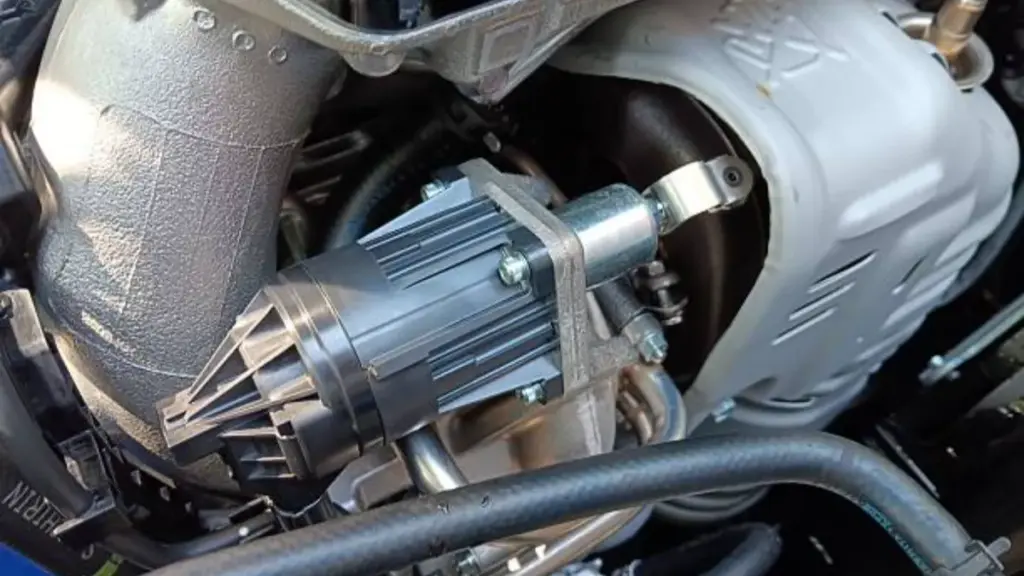
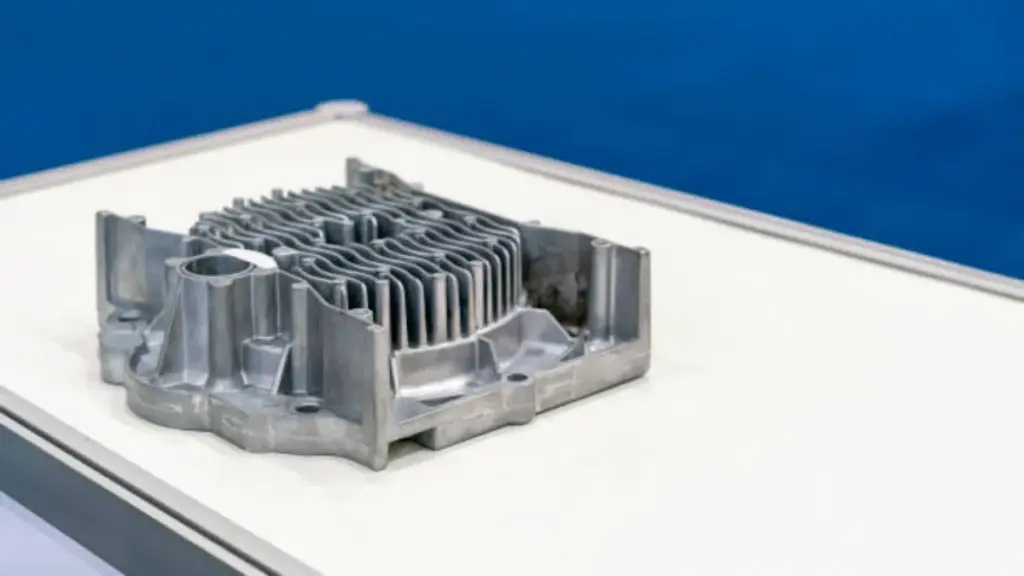
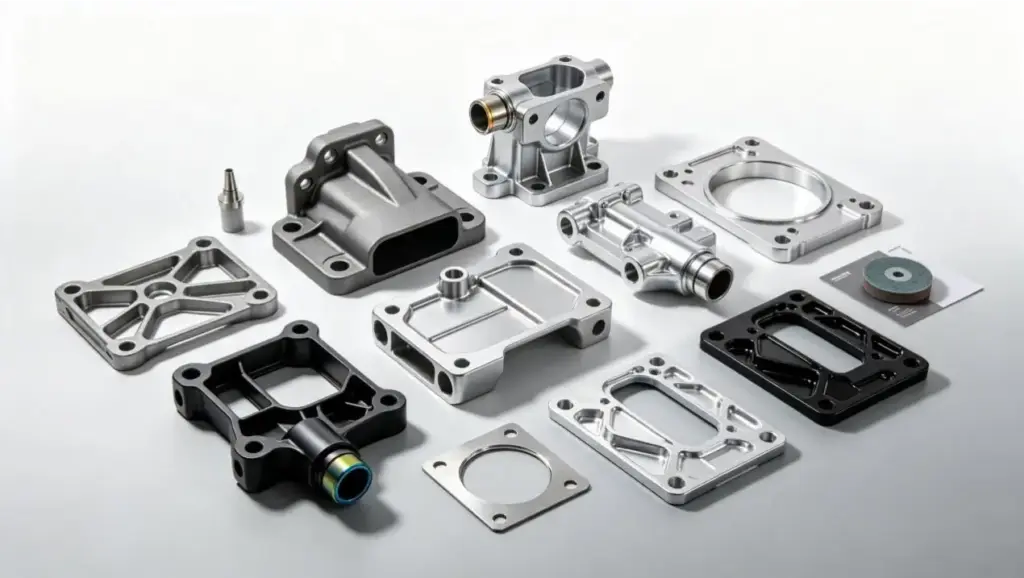
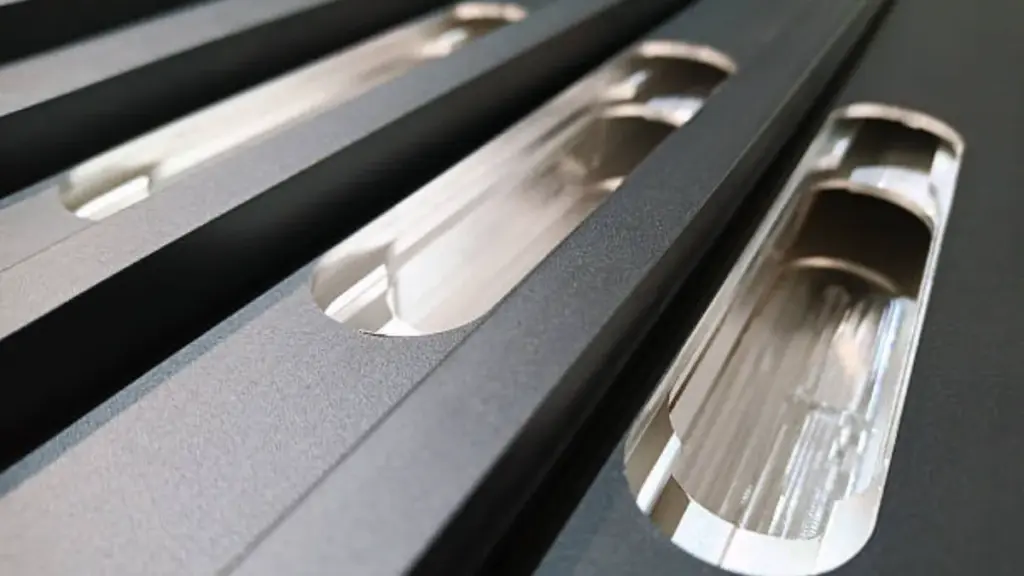
An automotive program specifies a finish for one reason above all others. A named test with a named pass criteria has to survive the customer’s audit. That reframes the automotive e-coating conversation. Nobody at a Tier 1 asks whether the coating looks good. They ask whether the primer covers the inside of a cored housing. They ask whether it holds a micron band without closing a machined fit. They ask whether it survives a scribe test after 240 ou 600 hours of fog. And they ask whether it arrives with process evidence their SQE can file. Cathodic electrodeposition has done exactly that job on vehicles since body shops moved off anodic chemistry for corrosion performance. This guide walks the automotive e-coating selection decision, the geometry problems, and the evidence pack a buyer should expect before the first dip.
Why Automotive Programs Spec E-Coat
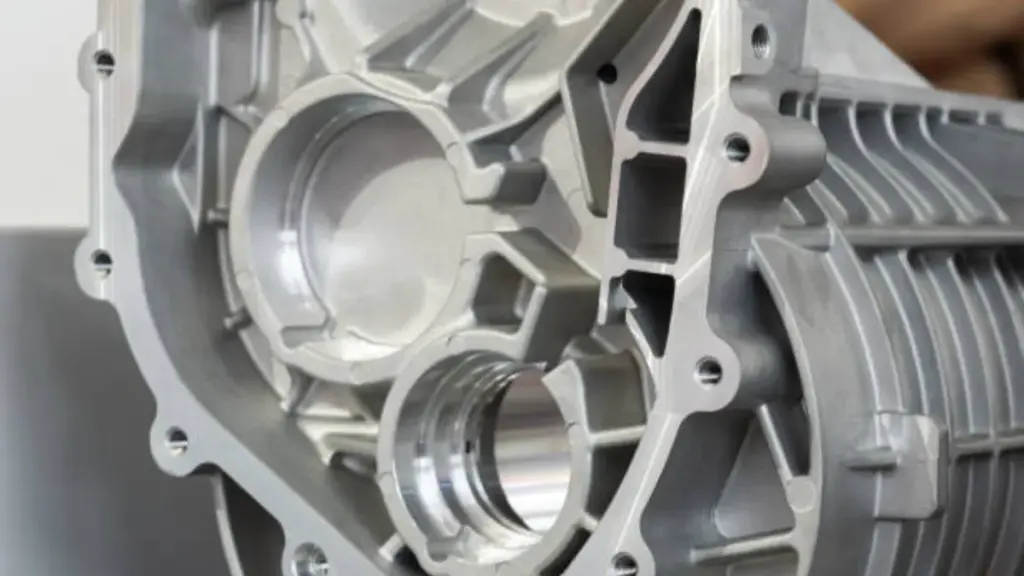
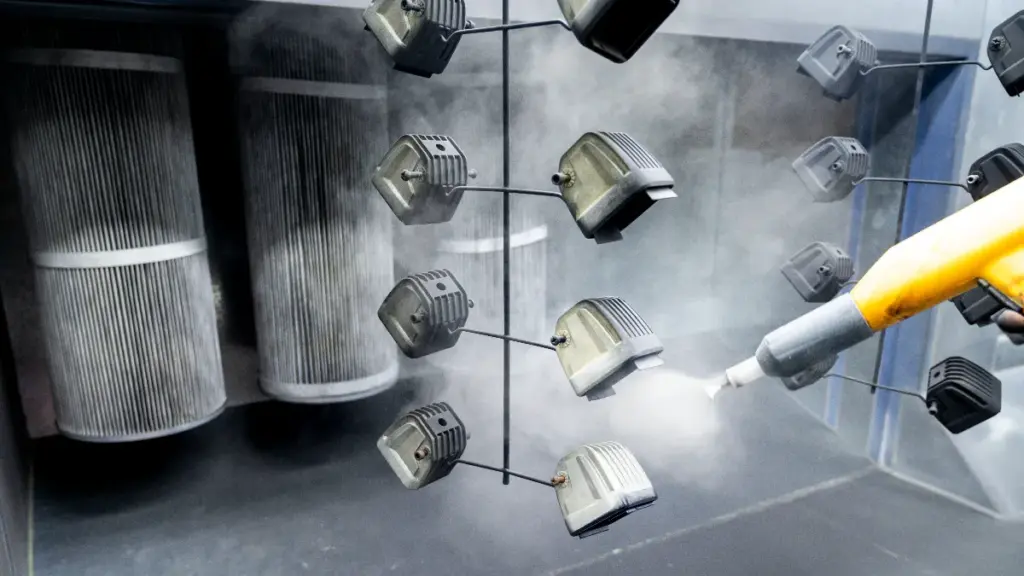
Three properties make electrodeposition the default primer on complex castings. Coverage follows current rather than line of sight, so blind bores and internal walls get coated where a spray gun cannot reach. Film build is self-limiting, since a thickening layer resists further deposition. Production dry film holds around 15–25 microns with a uniformity no hand-aimed process matches. That keeps threads, faces de vedação, and press-fit diameters inside tolerance after finishing. The bath is a recirculating system with ultrafiltration rinse recovery, so transfer efficiency is high.
ScienceDirect’s overview of the process notes that electrocoating produces uniform, low-porosity films that coat complicated shapes, which is why it became a key primer technology for the automotive industry. Read the electrophoretic coating overview. The framing matters because these parts live inside a quality system. A coating step on an EV housing, a bracket, or a compressor component inherits that paperwork load, whether the line is in-house or a partner’s.
Cathodic or Anodic Process Choice
When a finishing partner quotes e-coat for a die cast automotive part, the first clarification should be polarity. The two families are different products. In anodic deposition the part is the anode, and a small amount of metal migrates into the growing film. That historically capped corrosion performance. Anodic systems survive where color and gloss control matter more than salt-spray hours. Cathodic deposition reverses the polarity, so the part is the cathode. It minimizes metal uptake and delivers the corrosion resistance that made it the automotive body-primer standard.
Within cathodic chemistry, the second fork is epoxy versus acrylic. Cathodic epoxy primers are the workhorse: dark, tough, and chemically crosslinked, and meant to be a primer. Cathodic acrylics can carry color and gloss for a decorative film in a single dip. Pale colors remain genuinely difficult in a recirculating bath. A quote that says only “e-coat, black” leaves the family unnamed. Ask whether it is anodic or cathodic, epoxy or acrylic, and what the intended duty is.
Pretreatment Decides Adhesion on Cast Skin
Automotive castings arrive at the tank with a surface chemistry that wrought aluminum does not. The high-silicon skin of a die-cast alloy like ADC12 behaves differently to conversion chemistry. Adhesion, not the paint bag, decides whether the system passes. A production line runs degrease, rinse, then a conversion or phosphate-type layer. That layer gives the coating something to bond to and adds a corrosion floor of its own. Match the aluminum pretreatment to the casting skin rather than copying a steel manual.
What happens before the line matters just as much. Blasting and polishing define the profile the film will clone. An e-coat is thin and honest, so a blast mark you could bury under powder stays visible under 20 microns of primer. Cleanliness is not a hygiene nicety on automotive work either. Rust-inhibiting residues, drawing compounds, and cavity-trapped chips all become coating defects if they reach the dip. O post-processing guide covers the deburring and blasting steps that set this profile.
Managing Edges, Drainage, and Masking
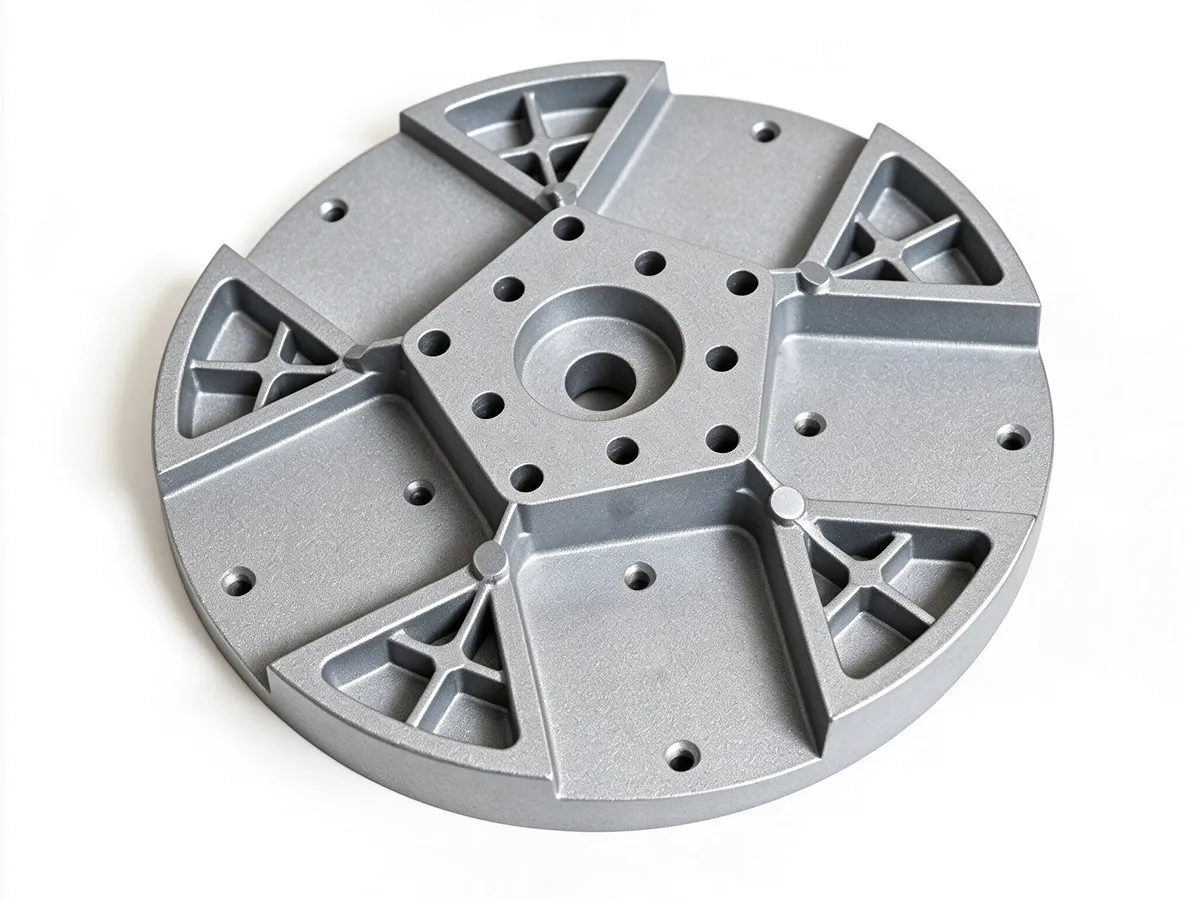
Electrodeposition is electrical, so part geometry behaves like a circuit. Sharp edges thin the deposit. Areas of high current density can overbuild, mark, or blister. Deep cavities drain slowly and carry drag-out into the oven if they are not positioned to break surface cleanly. Each of these is solvable with racking design, anode placement, and a masking list agreed before the first article, not caught in the second dip.
The drawing should say, explicitly, which surfaces must stay bare. Vedação de faces, furos de rolamento, ground mating surfaces, grounding points, and thread crests all need a decision. Two ways to protect them exist: masking applied per part, or designing the part so functional surfaces sit in natural shadow. The cost gap between them is significant at production volume. O CNC machining service covers the tolerance logic on machined faces, since post-coat dimensional change is a machining conversation as much as a finishing one.
The Bake Window Constrains Design
E-coat film is crosslinked by heat, commonly in the 140–200°C region. A bare aluminum or magnesium casting shrugs that off. A part that arrives with seals installed, plastic inserts, or sensitive fasteners does not. The oven becomes the process’s hidden bill of materials. On automotive programs this decision comes earlier than buyers expect. Either the coating is sequenced before assembly, or the chemistry moves to a lower-cure system with its own trade-off, or e-coat gets scoped out for a spray option.
The bake also interacts with dimensional control. Thin films move fits little, which is e-coat’s advantage over a thick powder coat. But castings with residual porosity can outgas during cure and produce pinholes. That is a defect that traces back to the casting, not the tank. If pinning shows up on first articles, the right question is whether the die, the venting, or the preheat profile is at fault. O porosity guide explains where that gas is trapped and how it is controlled.
What the Evidence Pack Contains
Automotive acceptance is documentary before it is visual. Below is the minimum file structure that makes an e-coat leg auditable on a die-cast component. The table is a checklist, not a suggestion.
| Exigência | Typical callout | Verification instrument | Trap to avoid |
|---|---|---|---|
| Resistência à corrosão | ASTM B117 hours with scribe-creep limit | Salt-spray cabinet | Hours quoted without pass criteria |
| Film build | Band plus single-point floor | Film-thickness gauge | Average hides thin edges |
| Adhesion | ISO 2409 or ASTM D3359 class | Cross-cut and tape kit | Scales run in opposite directions |
| Appearance | Color delta-E against master | Color comparator | Visual sign-off without a standard |
| Cleanliness | Particle mass and size class | Extraction and analysis system | Checked after coating, not before |
Two notes on reading that table. Salt-spray hours predict little on their own. ASTM B117 standardizes the fog apparatus, and its own guidance cautions that results correlate poorly with field life when the test is used alone. Cyclic sequences such as ASTM G85 Annex A5, or acetic salt fog per ISO 9227, track real weathering better. Ninety-six hours is a common commercial tier, while 240–600 hour asks are standard engineering territory. And the adhesion scales invert. ISO 2409 runs 0 (melhor) para 5, while ASTM D3359 runs 5B (melhor) to 0B. A spec that names no standard is an argument waiting to happen at PPAP.
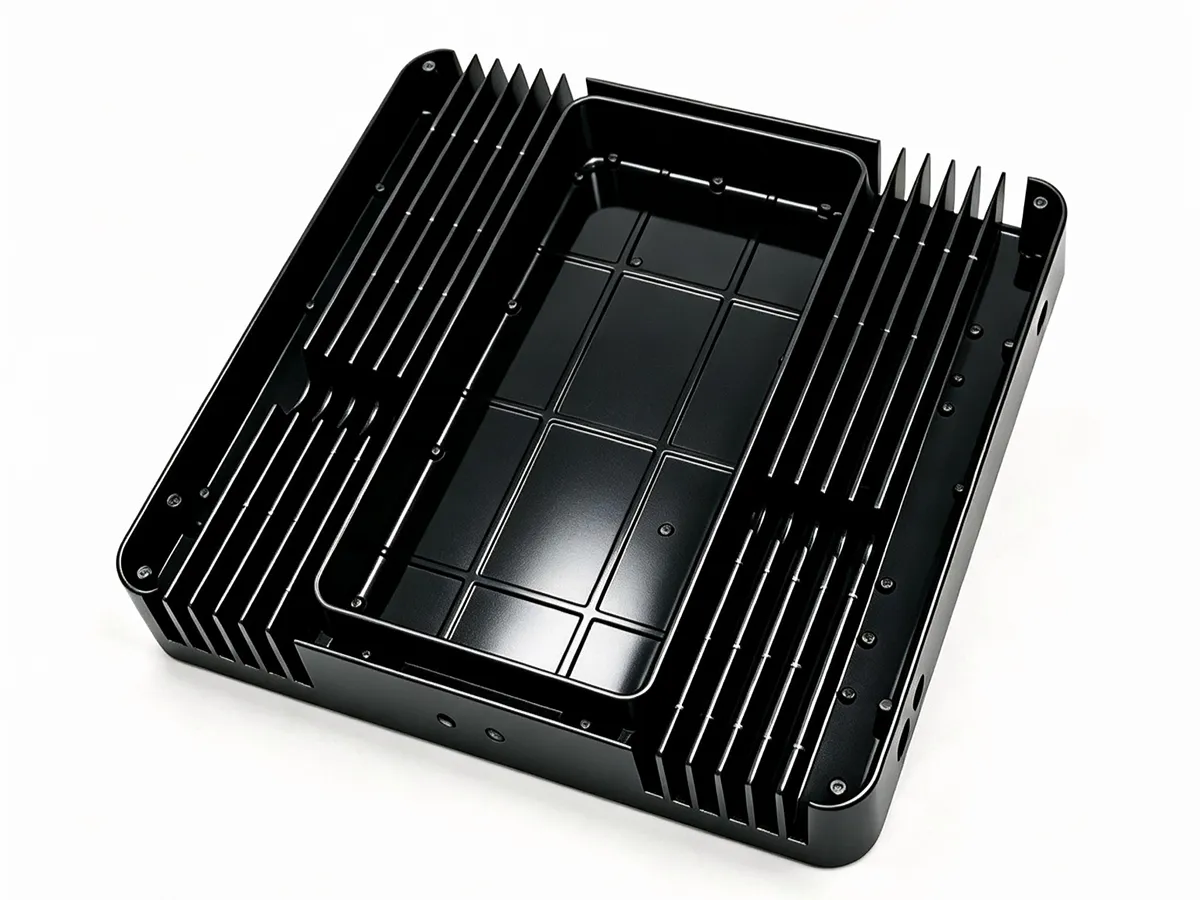
The Outsourced Leg Still Needs Evidence
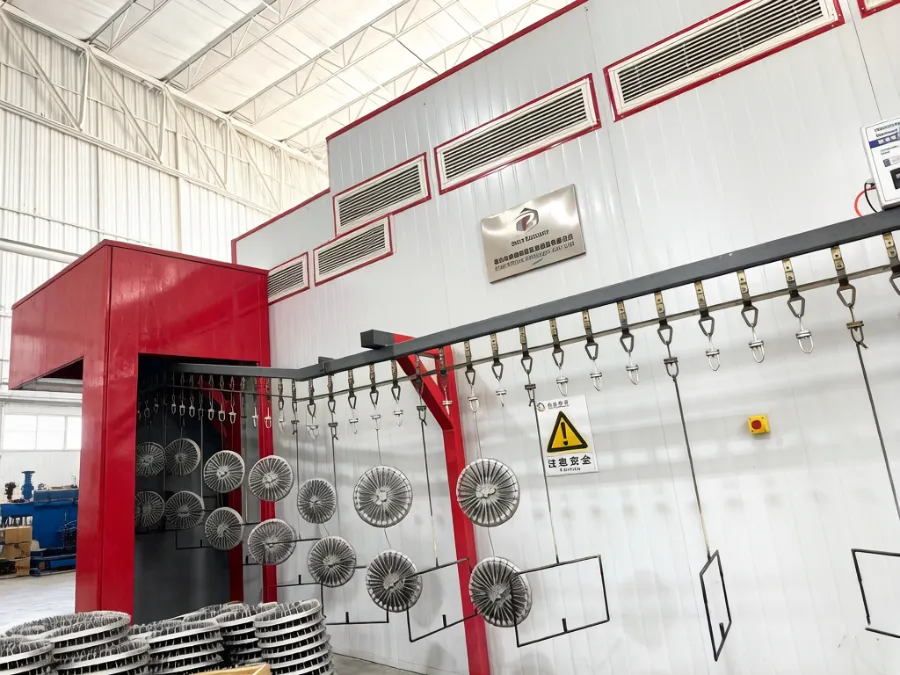
Be direct about structure, because it changes how a quote should be read. At Bian Diecast the coating lines operated in-house are powder coating and lacquer, along with the blasting and polishing stages ahead of them. E-coating, like anodizing, runs through vetted partner lines as the outsourced leg of a finishing scope. That is normal for a die caster and is not a compliance dodge. IATF 16949 treats externally provided processes as the supplier’s responsibility to control. The coating work stays coordinated inside the order rather than becoming the buyer’s separate supplier risk.
What the buyer should expect from that arrangement is the same gatekeeping used internally. That means salt-spray testing, film-thickness and color verification, and adhesion checks before shipment. It also means the traceability around them, which the controle de qualidade page maps in detail. A drawing sent through the página de contato returns a finishing-route recommendation with the evidence list attached.
Considerações Finais
Automotive e-coating earns its place because it coats the surfaces a buyer cannot see and does it with evidence a buyer can file. The selection is really three decisions stacked: polarity first, then chemistry family, then the pretreatment that makes adhesion hold on a high-silicon skin. Specify those, agree the masking list, and name the pass criteria beside every number, and the finish stops being a mystery. Send the part geometry and the test requirement together, and the right route becomes obvious on the first review.
Common Questions About E-Coating Selection
Why does automotive use cathodic e-coating instead of anodic?
Corrosion performance. In anodic systems the part is the anode and some metal enters the film, which limits barrier performance. Cathodic systems make the part the cathode and minimize metal uptake, which is why they became the automotive body-primer standard. Anodic chemistry remains where color and gloss control outrank corrosion duty.
Does e-coating change dimensional tolerances on machined castings?
Far less than a thick decorative film, because production e-coat dry film sits around 15–25 microns and builds evenly. Functional surfaces still need explicit protection, no entanto. Vedação de faces, furos de rolamento, and thread crests go on a masking list rather than relying on the thin-film argument.
Can parts with installed seals or plastic inserts be e-coated?
Usually not. The bake that crosslinks the film runs in the 140–200°C region, which is harmless to a bare casting but damages elastomers, some inserts, and plastic components. Sequence the coating before assembly, or move to a lower-cure chemistry with the trade documented and re-validated.
What salt-spray requirement is realistic for automotive e-coat?
Ninety-six hours B117 is a common commercial tier, and 240–600 hours are standard engineering asks on primer systems. Specify the hours together with pass criteria such as scribe creep and blistering class. Use a cyclic test like ASTM G85 A5 or ISO 9227 acetic fog where field life genuinely matters.