
- Todos
- Liga de alumínio
- Fundição sob pressão de alumínio
- Anodizado
- Fundição sob pressão de peças automotivas
- Revestimento transparente de conversão de cromo trivalente
- Usinagem CNC
- Liga Personalizada
- Revestimento eletrônico
- Fundição sob pressão de alta pressão
- IATF16949
- Guia da Indústria
- ISO90001
- Teste de vazamento
- Peças de iluminação fundidas sob pressão
- Liga de magnésio
- Fundição sob pressão de magnésio
- Diretório de fabricantes
- Notícias
- Polimento
- Pós-usinagem
- Pós-processo
- Revestimento em pó
- Prototipagem Rápida
- Explosão de areia
- Tiro disparado
- Ferramenta e morrer fazendo
- Materiais para ferramentas
- Elenco de matriz de vácuo
- Fundição sob pressão de zinco
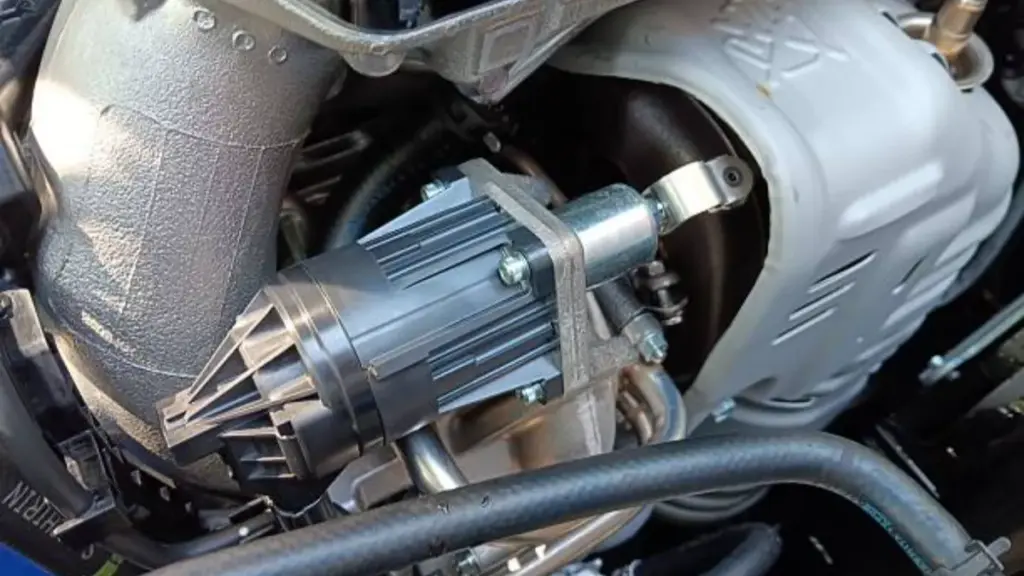
Desenvolvimento de liga de alumínio personalizada: Da especificação à produção em 8 Semanas
A319 aluminum alloy sits between stock grades and custom development. Walk the eight-week spec-to-production plan, its verification gates, and when to abort.
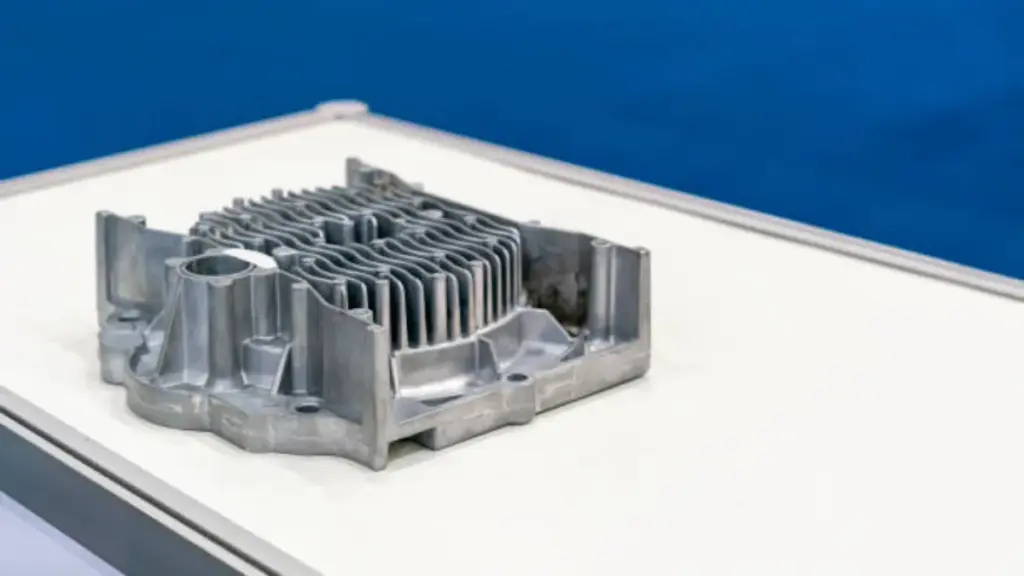
O que é uma liga personalizada e quando os compradores devem solicitá-la?
A customized alloy can mean a drawing note or a full development program. Four levels, what each element buys, and when to ask for one.
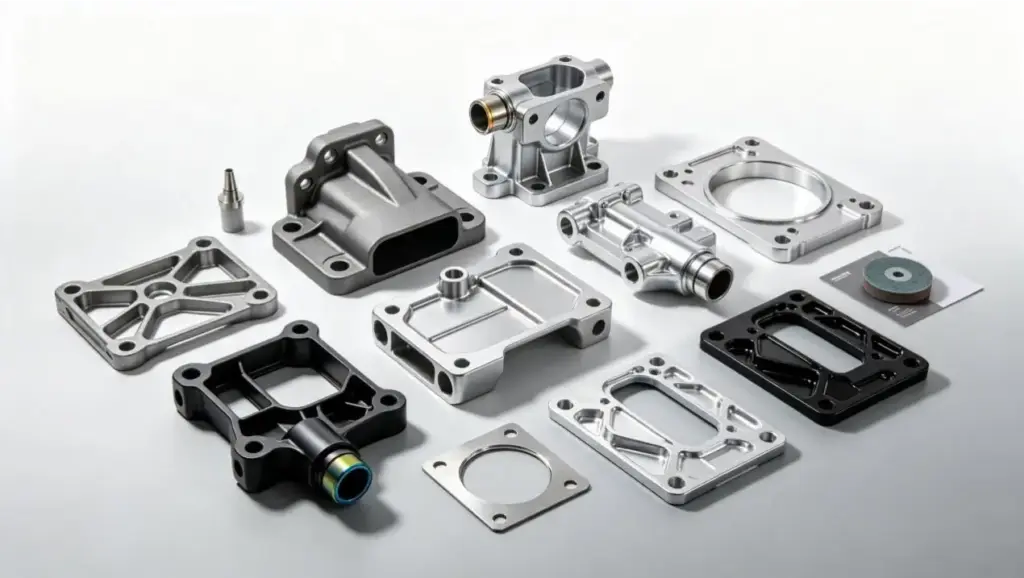
Anodização vs Revestimento em Pó: Seleção de tratamento de superfície para fundições sob pressão de alumínio
Anodizing vs powder coating for aluminum die castings: how silicon mottling, film thickness, masking and drawing calls decide the right finish.
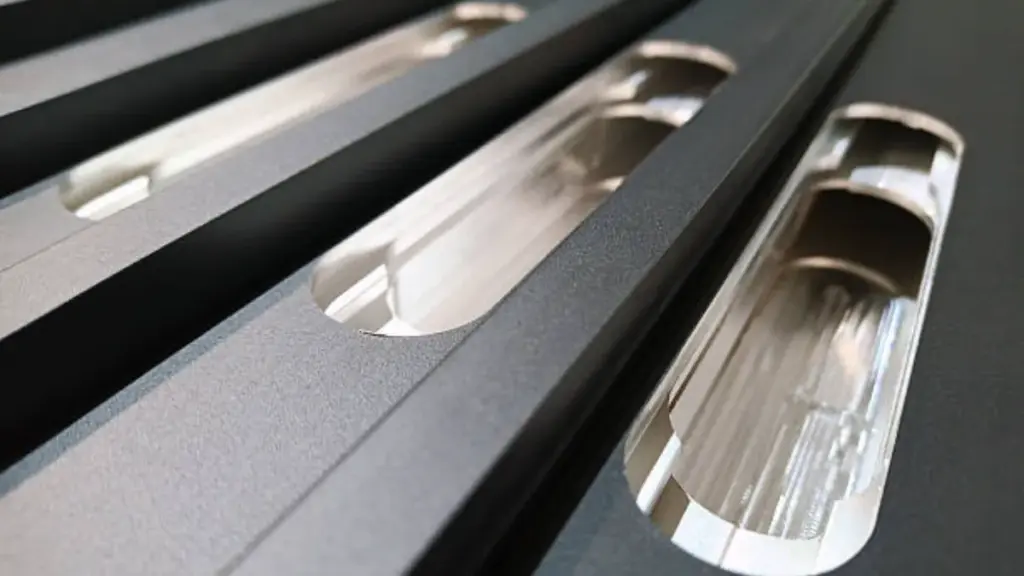
Anodização de alumínio fundido: Desafios e soluções para ligas com alto teor de silício
Why ADC12 and A380 silicon blocks anodized color on die cast aluminum, and the porosity, vedação, and alloy countermeasures that hold in production.
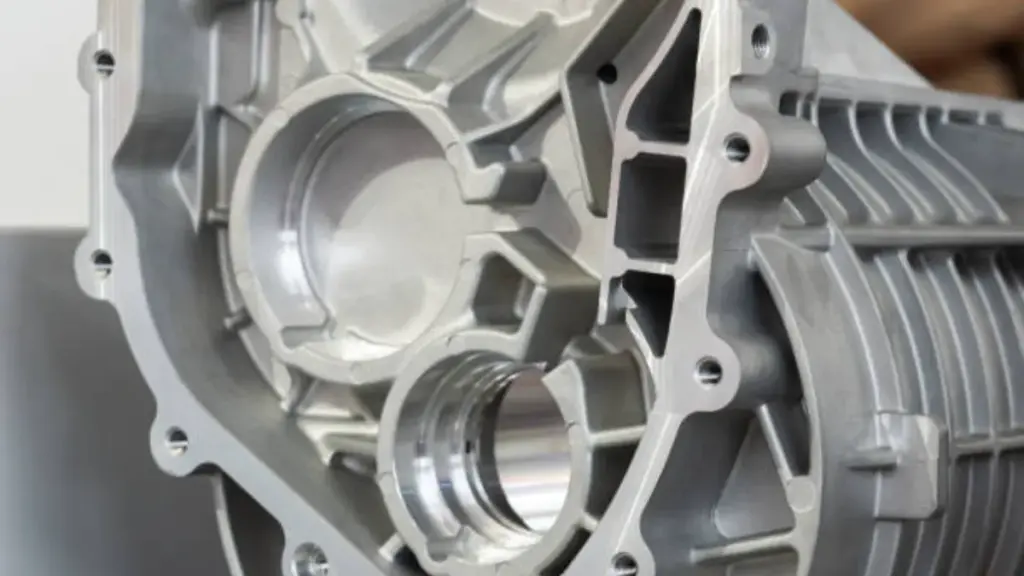
Fundição sob pressão de zinco para ferragens automotivas: IATF 16949 Requisitos que os compradores devem verificar
Verifying zinc die casting suppliers against IATF 16949 scope, PPAP, CEP, and chemistry control, the checks automotive buyers must run.
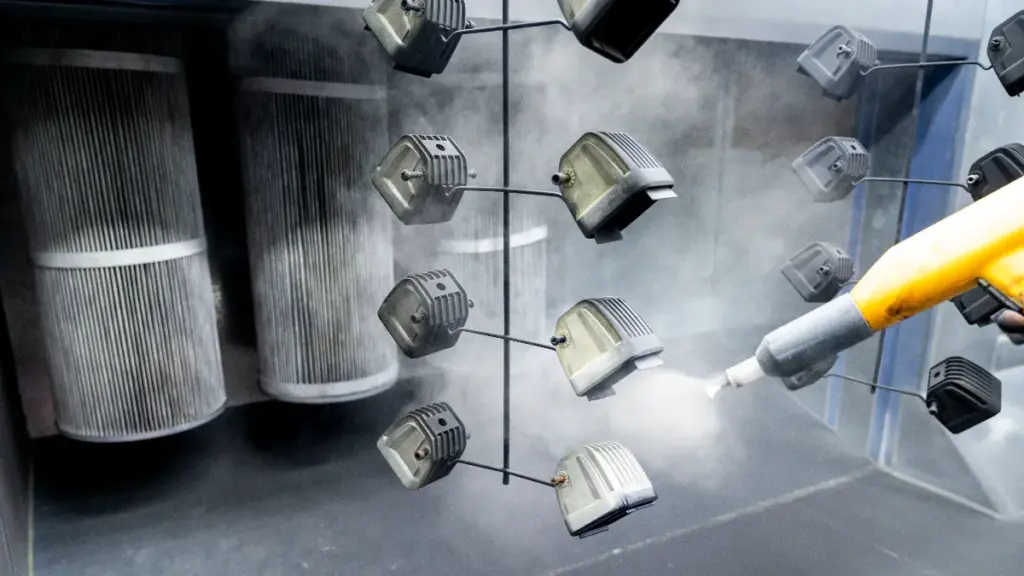
E-Coating vs Revestimento em Pó: Proteção contra corrosão e comparação de custos
E-coating vs powder coating compared on film thickness, cobertura, cor, corrosion testing, and cost drivers for aluminum die cast parts.
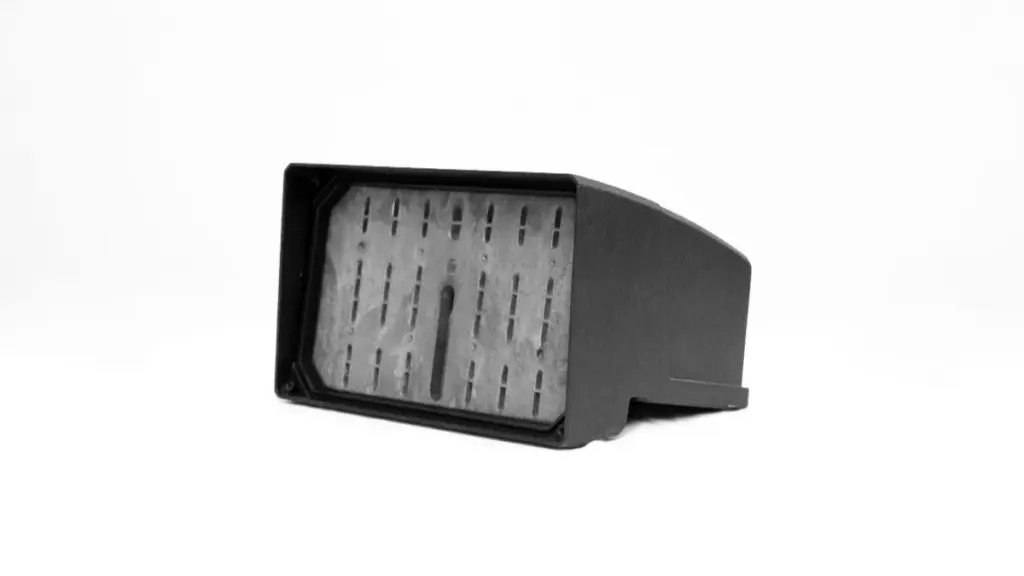
Type II vs Type III Anodizing: Hard Coat Anodize for Wear-Resistant Applications
Type II vs Type III anodizing compared on film thickness, dureza, tolerance growth, and behavior on high-silicon die-cast aluminum.
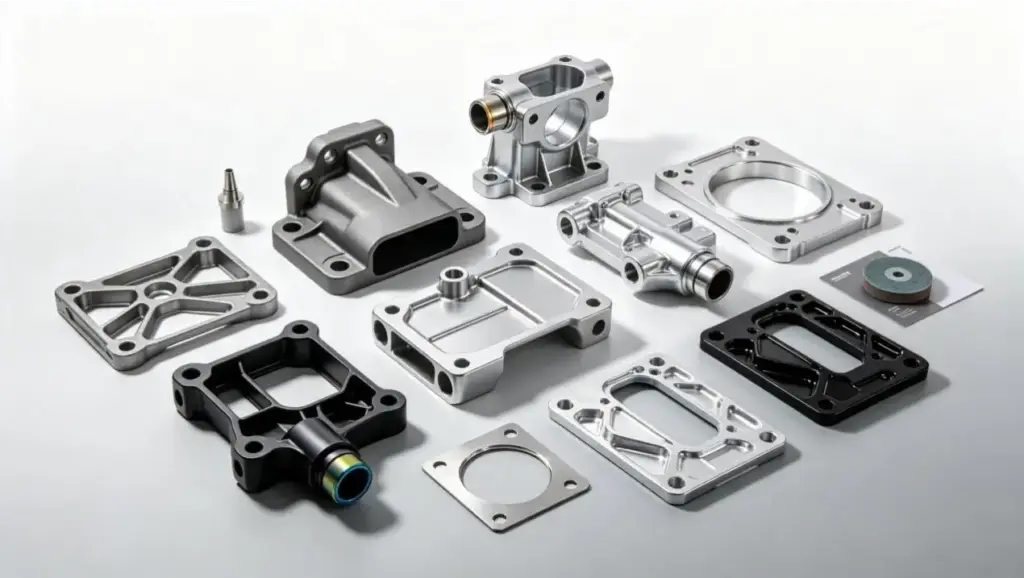
Customized Alloy Cost vs Standard Grades: ROI Analysis for High-Volume Buyers
Compare a custom alloy against standard die-casting grades on total per-piece cost. A line-by-line ROI framework and the volume crossover that decides it.
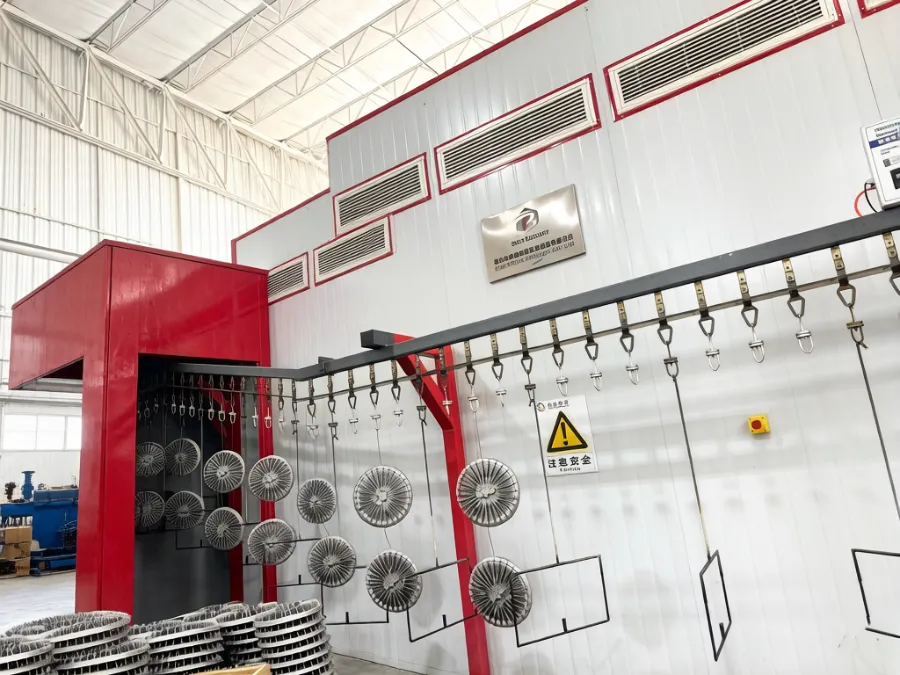
E-Coating for Automotive Die Castings: Cathodic vs Anodic Process Selection
Automotive e-coating for die cast parts: cathodic vs anodic selection, pretreatment, bake limits, and the adhesion evidence an SQE expects before the first dip.