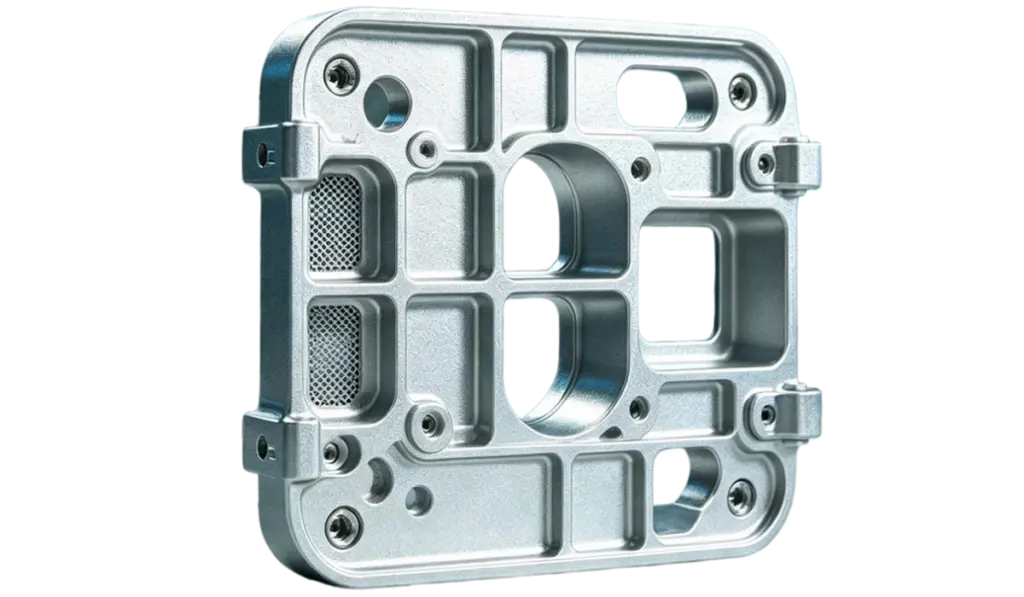
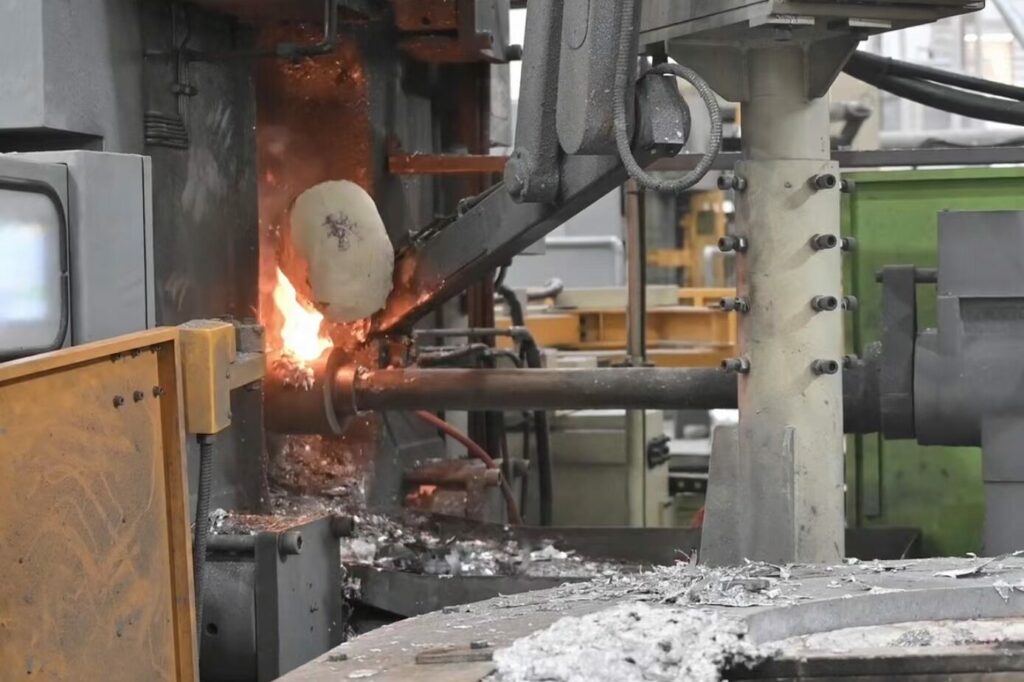
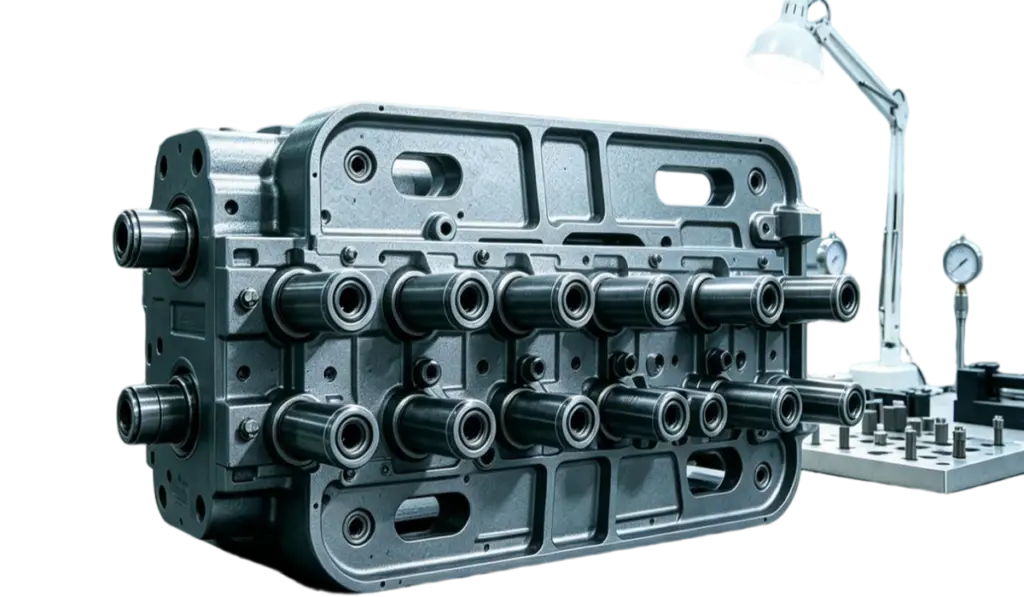
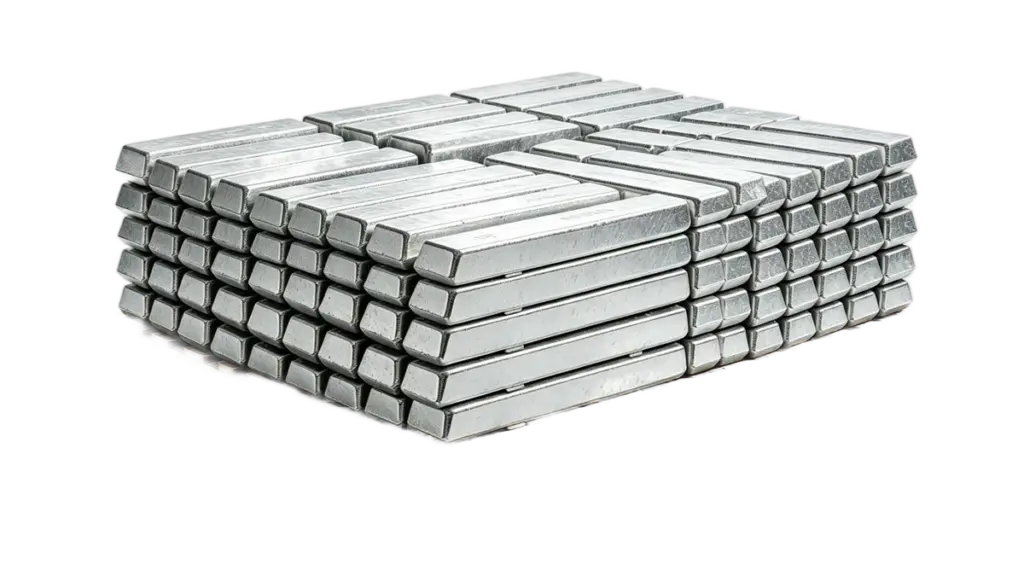
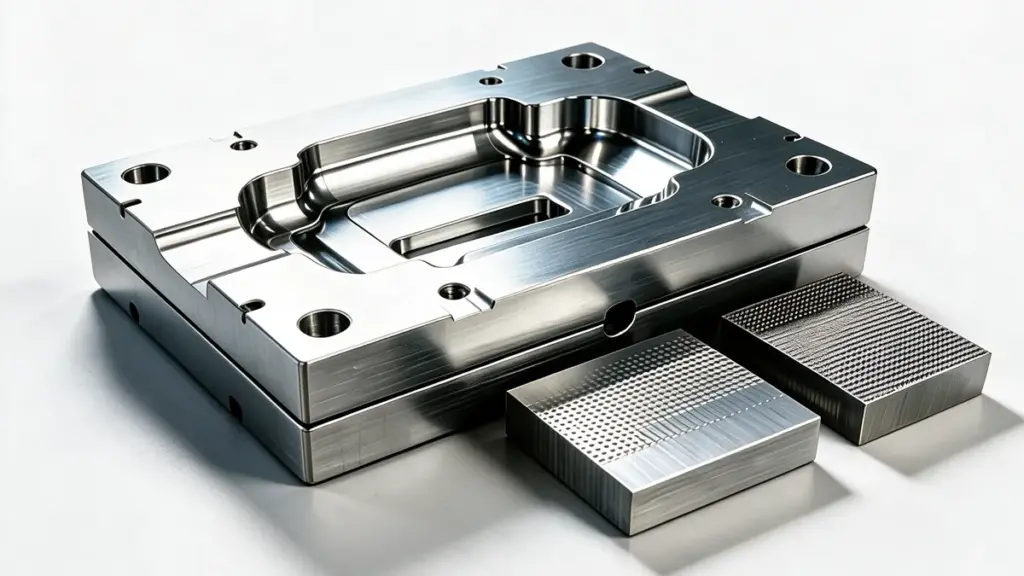
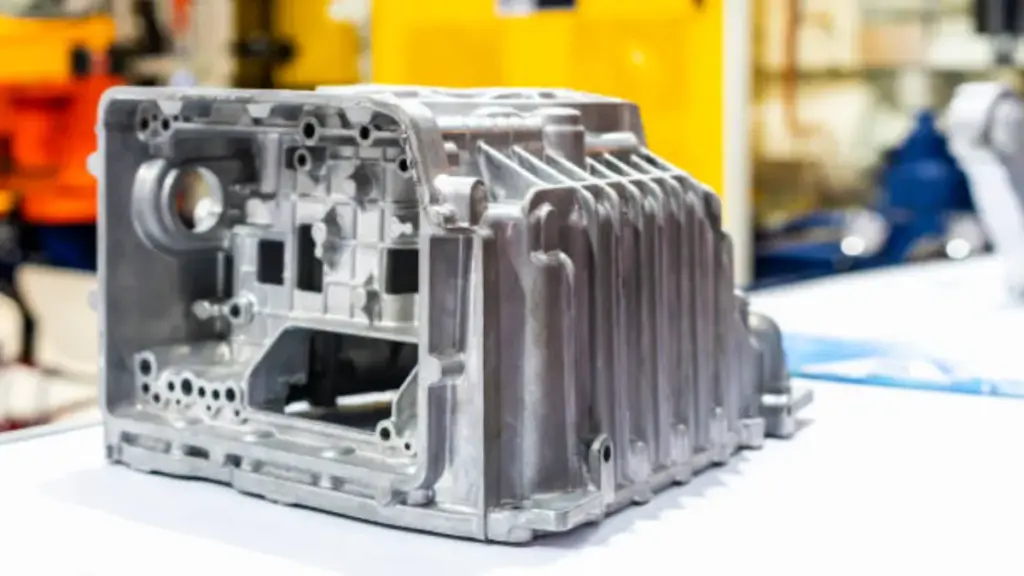
Magnesium is the lightest structural metal used in casting alloys, and die casting is the process that turns that property into thin-walled parts at volume. At identical volume, an AZ91D magnesium casting weighs about two-thirds as much as a common aluminum die casting and roughly one-quarter as much as a steel component. Unlike many lightweight alternatives, magnesium flows into thin-walled, ribbed shapes on a standard cold chamber die casting machine. That combination explains the parts where magnesium die castings already work: automotive structural and semi-structural components, power tool housings, and selected enclosures inside electric vehicles.
The same property set explains why the metal stays niche outside those families. The premium is only justified when mass, thin walls, or vibration feel sit on the requirement list.
This guide walks through the application families where magnesium die casting earns a design review. It also covers where the metal loses to aluminum, and what a buyer should verify about a supplier’s process before committing a part. The guidance stays on the buyer’s side of the table: material behavior from published data, and supplier questions worth asking in writing.
Why Design Teams Choose Magnesium at All
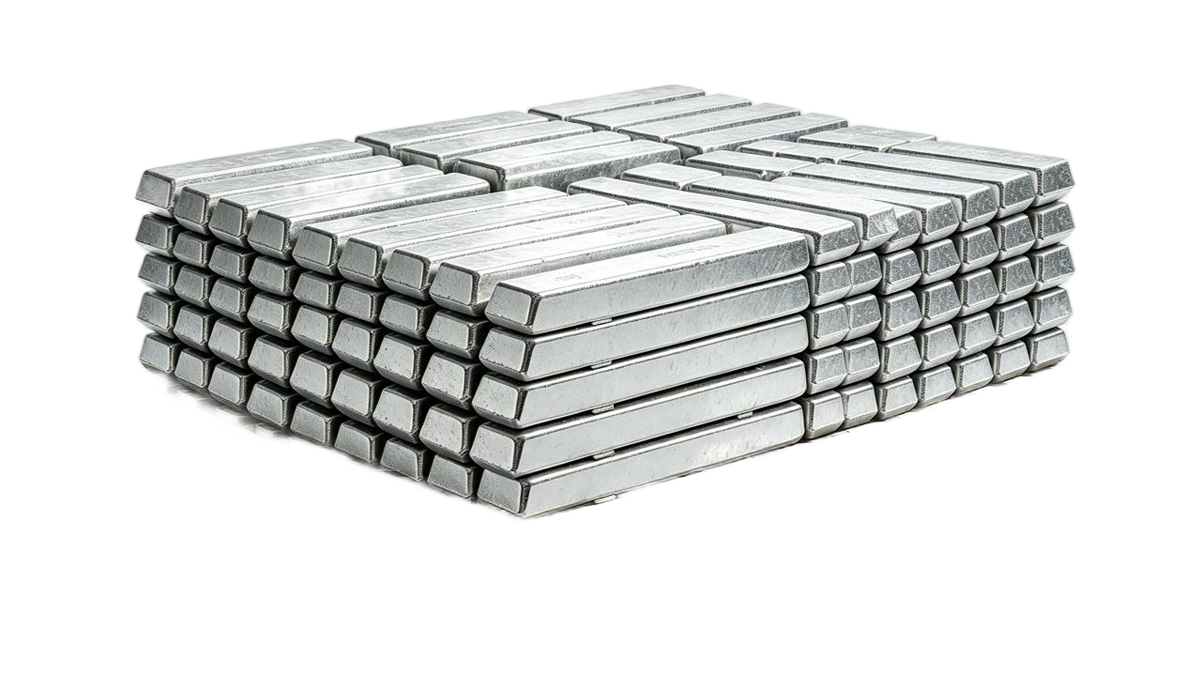
The case starts with density. AZ91D, the workhorse die casting alloy, has a density around 1.8 g/cm³. Common aluminum die casting alloys sit near 2.7 g/cm³, which is about a 33 percent mass saving at identical geometry. Because magnesium and aluminum have comparable specific stiffness, a redesigned magnesium part may retain the required stiffness through adjusted wall thicknesses and rib geometry. The final weight saving must be confirmed by structural analysis rather than assumed from density alone.
Three secondary properties decide many programs:
- Damping. Magnesium’s damping capacity is higher than aluminum’s, which helps with noise and vibration feel in handheld and carried products.
- Castability. AZ91D has a liquidus temperature of about 595 °C and a solidus temperature near 470 °C, per International Magnesium Association data. The alloy freezes over a wide range rather than at one point, which shapes gating and feeding decisions, and its fluidity supports thin walls and dense ribs.
- EMI and RFI contribution. A conductive magnesium enclosure can contribute to EMI shielding when joints, openings and grounding are properly designed.
Where magnesium loses: absolute strength, elevated-temperature creep resistance, and corrosion performance in uncontrolled environments. Corrosion is managed rather than eliminated. Die cast magnesium parts normally enter service under a conversion coating, paint or powder coat, and with isolation from less noble metals in the assembly. Those three limits define the boundary of every application below. An honest supplier conversation is about where your part sits relative to them.
Where Magnesium Already Lives on Vehicles
Automotive remains the largest home for magnesium die castings, and the parts are neither exotic nor experimental. Steering wheels, steering column housings, seat frames and adjuster housings, instrument panel beams, mirror housings, and transmission and gearbox cases are established magnesium applications in production cars. Designers choose them where mass reduction pays for the material premium. The alloy logic is settled: AZ91D where strength and corrosion margin lead, and AM50 or AM60 where ductility and crash-energy absorption matter more. Most of these parts sit in the cabin or body-backing zone, away from the hottest powertrain environments, which matches the creep limits described above.
For a buyer, the automotive trail matters because it comes with a qualification framework. Magnesium parts on cars are produced under the same IATF 16949 discipline as aluminum ones: PPAP submissions, process capability monitoring, melt chemistry control, and traceability. Ask which certificates the plant that will run your part actually holds, and for what scope. The automotive casting capabilities page on this site documents that framework in more detail.
EV Enclosures and Battery System Parts
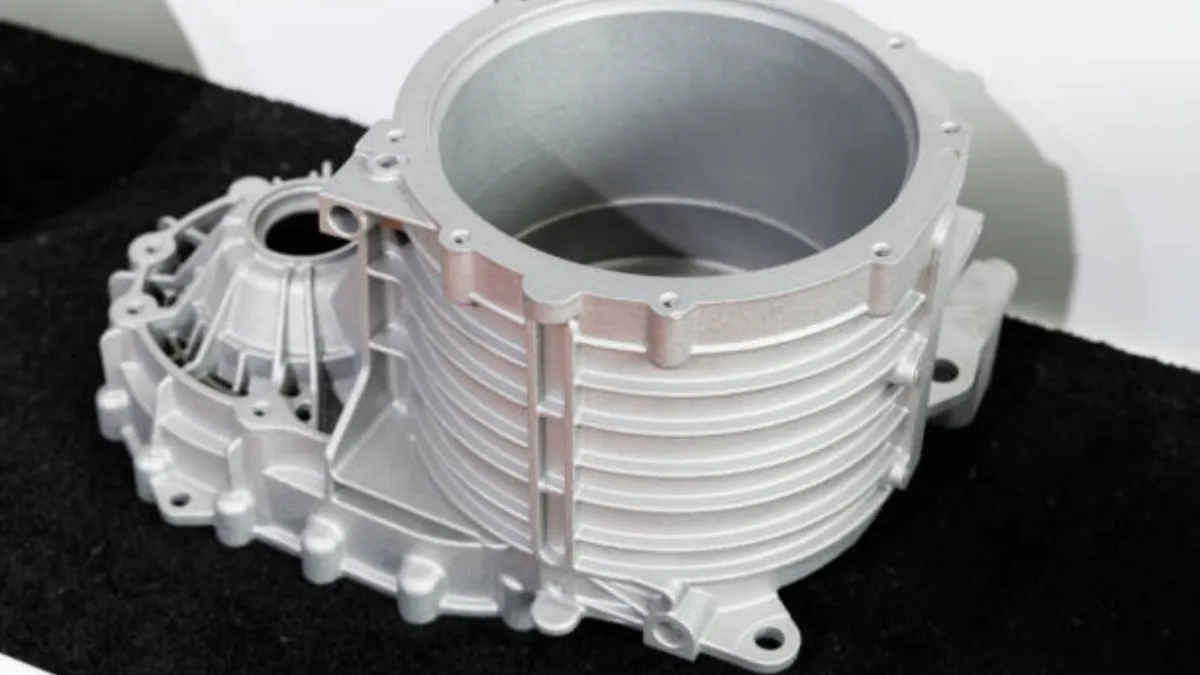
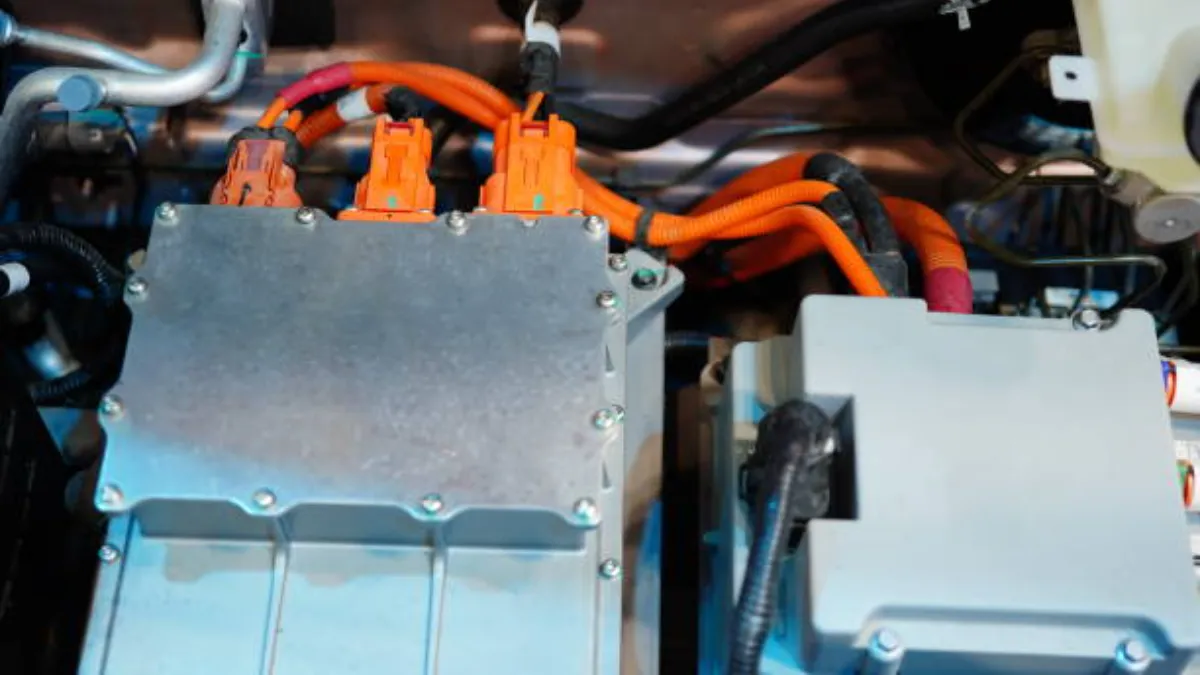
The battery is the heaviest component in an electric vehicle, and every kilogram removed from the pack is either range recovered or battery cost avoided. Magnesium is being evaluated for selected EV enclosures, electronic housings and structural battery-system components, but application maturity varies by part, vehicle platform and qualification requirements. Junction boxes, on-board charger housings, DC-DC converter cases and battery covers carry the longest magnesium production history of the group.
Trays and structural frames are a different conversation because they are crash-relevant and fire-relevant. A magnesium tray sits close to cells that carry their own thermal risk. The design must therefore address crash load paths, energy absorption, galvanic isolation from steel or aluminum fasteners, sealing to an IP rating, and fire behavior. On fire behavior, separate the forms: molten magnesium, fine chips and dust burn readily and need dedicated handling, while a finished thick-section casting is much harder to ignite. Ask for test data on the actual part geometry instead of arguing from material labels.
If a tray supplier is vague about corrosion protection design, dissimilar-metal isolation, or melt and chip handling safety, treat that vagueness as a finding. Ask how sealing integrity is proven on production parts, and how crash-relevant specifications are validated. The magnesium safety guide on this site covers the fire-risk side of processing in more detail.
Power Tools Reward Low Mass and Damping
Long before electric vehicles, magnesium die casting built the upper housings and gearcases of professional power tools. A drill or impact driver held overhead all day transmits every gram and every vibration cycle to the user’s arm, so mass and vibration both matter. Tool housings are classic thin-wall, rib-heavy, boss-rich geometry, which is exactly what die casting produces well. Magnesium’s damping characteristics can contribute to vibration and noise control, although total hand-arm vibration depends on the complete tool design.
The same logic extends to audio hardware, camera and projector bodies, and portable generators and compressors. Where the product is carried, held, or vibration-sensitive, magnesium deserves a design review; where it stays bolted down in service, aluminum usually wins on cost. Housings also carry bosses and threaded features directly in the casting, which keeps fastener counts and assembly steps down. A conductive enclosure can support EMI containment when the tool’s joint and grounding design keeps the shield path continuous.
Specialized Applications Confirm Casting Route
Magnesium appears in aircraft and motorsport hardware today, including gearbox housings, accessory cases, seat components and interior brackets in aircraft, and steering bosses, clutch covers and wheel-adjacent hardware in racing. The trade is the same one as in automotive work: mass saved high in the vehicle or airframe is worth more downstream than the material premium. The qualification burden, though, is heavier.
Flight-critical hardware has historically leaned on sand castings, permanent mold castings and forgings rather than high-pressure die casting. Ask which process route, which registered standards, and which named part history actually cover the application you are buying. Magnesium’s fatigue and creep limits also mean these parts are designed around the metal’s strengths rather than dropped in as aluminum replacements. The supplier question is not whether a shop can melt magnesium, but which aerospace or motorsport standards it holds in writing.
Magnesium or Aluminum on a Shortlist
The shortlist below frames each factor as a question about your part rather than a rule about the metals. Each cell describes conditions that tend to favor one material, and the specific alloy capability should be confirmed with the supplier before deciding.
| Decision factor | Favors magnesium | Favors aluminum |
|---|---|---|
| Mass budget | Carried, held, or range-critical part | Bolted-down part where weight is irrelevant |
| Wall geometry | Thin walls near 1.5 mm with dense ribs | Moderate walls with simple fill |
| Vibration and noise | Damping and hand-feel matter | Stiffness-dominated acoustic problem |
| Operating temperature | Service range validated for the selected magnesium alloy | Higher-temperature or creep-sensitive applications where the selected aluminum alloy performs better |
| Corrosion exposure | Coated or enclosed service with isolation design | Bare-metal outdoor service |
| Program economics | Volume justifies the alloy and finishing premium | ADC12-class material cost dominates the decision |
For the aluminum side of the comparison, the guide to die casting aluminum alloys covers ADC12, A380, A360 and the ENAC series.
What to Verify About a Magnesium Process
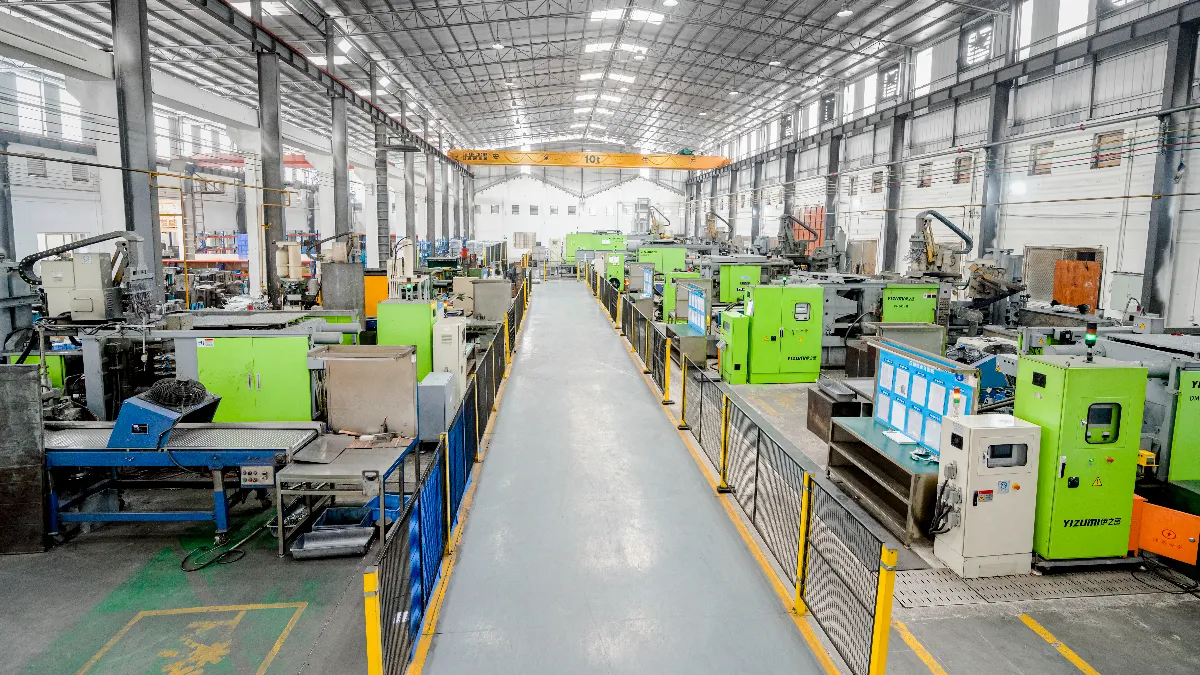
Magnesium exposes a badly managed foundry in ways that show up directly in your part quality. Four checks separate a real magnesium cell from a shop that runs one machine as a quoting prop:
- Melt protection. Molten magnesium requires a controlled protective atmosphere. Ask which cover-gas system is used, how its concentration and flow are monitored, and what safety procedures govern melting, holding and transfer. Sulfur hexafluoride was long the standard, and the EPA magnesium industry program documents the shift toward alternative cover gases because of SF₆’s greenhouse footprint.
- Chemistry control. Iron and nickel impurities degrade magnesium’s corrosion performance, which is why AZ91D specifications cap them at trace levels. Ask whether spectrographic checks cover every melt lot and incoming material, at what frequency, and request sample reports. The quality-control page on this site lists a direct reading spectrometer among its inspection equipment.
- Chip and dross handling. Machining fines and furnace dross are the genuinely flammable forms of magnesium. A plant casting magnesium should show dry, ventilated, segregated chip storage and Class-D-capable fire response. Treat this as a facility tour item, not a questionnaire item.
- Design support. Because wall thinning and rib geometry carry much of the weight saving, ask for DFM and mold-flow feedback on your CAD before tooling. Define the simulation scope and report format in the contract, and weigh the answers against the supplier audit checklist before award.
Write the RFQ so answers stay comparable between plants. Name the alloy and specification, the cover-gas system, the chemistry check frequency, inspection methods with acceptance limits, and the traceability records delivered with each shipment. Two foundries answering the same written question set are far easier to compare than two brochures.
Questions About Magnesium Die Casting Applications
How much lighter is a magnesium die casting than aluminum?
AZ91D magnesium has a density of roughly 1.8 g/cm³ against about 2.7 g/cm³ for common aluminum die casting alloys, which is around 33 percent lighter at identical geometry. Because specific stiffness is comparable, a redesigned part can keep its stiffness through thinner walls and deeper ribs. Confirm the final saving by structural analysis rather than assuming it from density alone.
Are magnesium die castings used in electric vehicle battery trays?
Magnesium is being evaluated for selected EV enclosures, electronic housings and structural battery-system components, but application maturity varies by part, vehicle platform and qualification requirements. Covers, junction boxes and charger housings have the longest production history. Structural trays are crash- and fire-relevant, so they require galvanic isolation, sealing to an IP rating, and test data on the actual part.
Why do power tools use magnesium housings?
Two physical properties do most of the work. Weight matters because a tool held overhead all day makes every gram a fatigue problem. Magnesium’s damping characteristics can contribute to vibration and noise control, although total hand-arm vibration depends on the complete tool design. A conductive enclosure can support EMI shielding when its joints and grounding are designed for it.
When should I choose aluminum over magnesium for a die casting?
Choose aluminum when the part is bolted down so weight does not matter. Choose it when operating temperature or sustained load exceeds the validated creep capability of the selected magnesium alloy. Bare-metal outdoor corrosion exposure without a coating budget also favors aluminum, as does a program where material cost dominates and volume cannot absorb the finishing premium.
Final Thoughts
Magnesium die casting is a specialist’s trade inside a die casting shop: real cells with melt protection, chemistry discipline and safety infrastructure matter more than the widest machine list. If your part is carried, held, range-critical, or thin-walled, magnesium deserves a modeled weight comparison before aluminum gets an automatic second term. Send a drawing through the contact page to start that comparison with a documented DFM assessment.