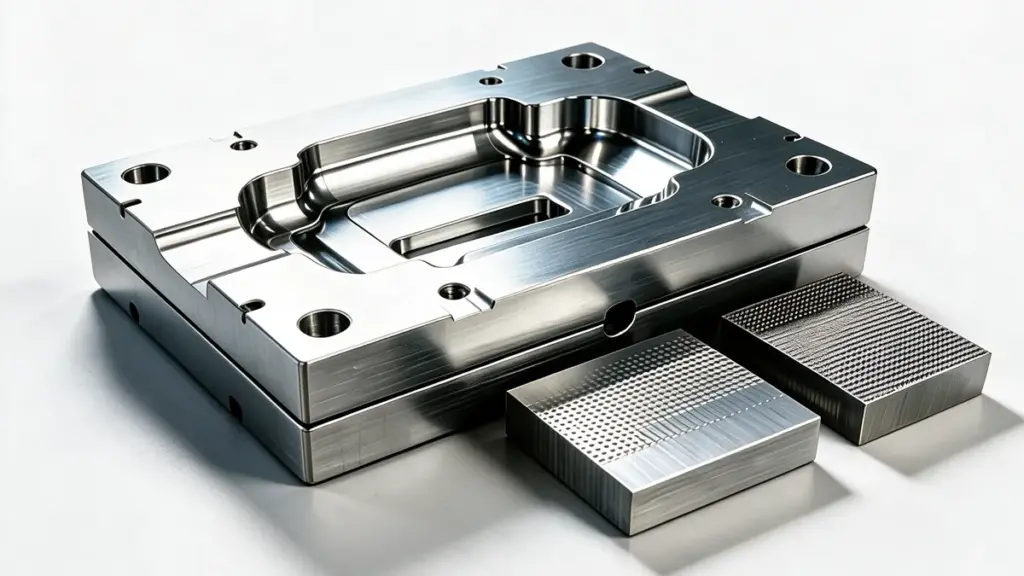
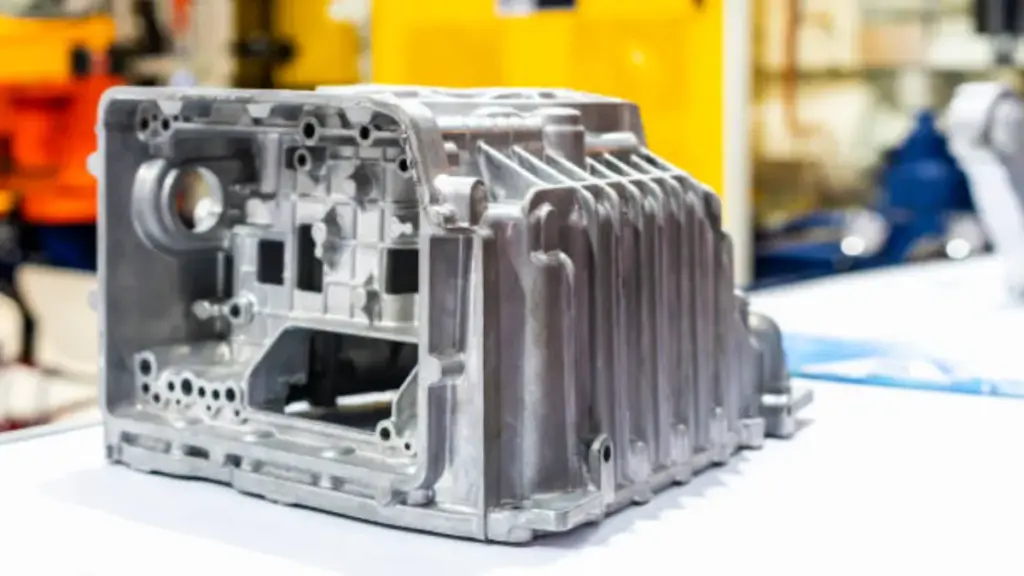
A buyer comparing an aluminum die casting service against a zinc supplier for a small precision part usually gets two different stories. One side leads with thin walls and plating. The other leads with weight and heat. Both stories are true for different parts. The wrong choice shows up in freight bills, finishing cost, and field returns rather than in the quote. Zinc versus aluminum is not a hierarchy. It is a trade register, and small precision parts are where the trade is sharpest.
This guide runs the comparison the way a die casting supplier actually quotes it. Process economics come first, then weight and strength, then tolerance and surface finish, and finally the decision rules that separate a textbook zinc part from a textbook aluminum part. The Zamak 5 versus aluminum property deep-dive on this site covers the alloy numbers in detail. This article defends the decision rules around those numbers.
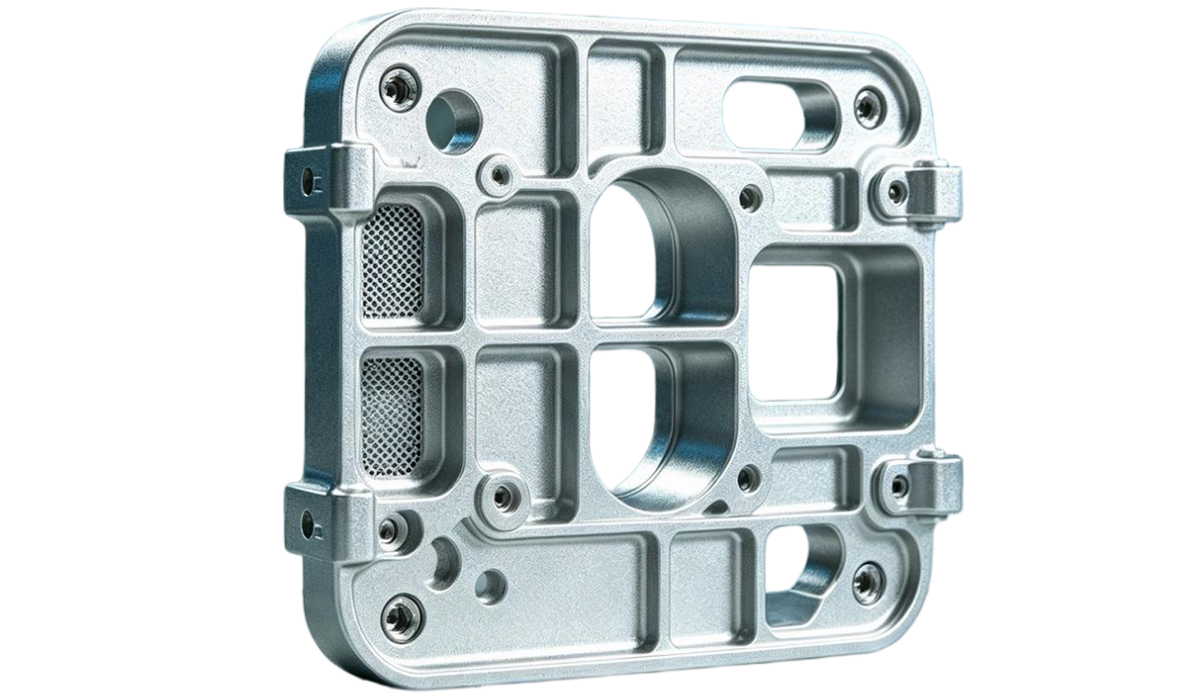
The Decision Rule, Stated Up Front
Choose zinc when the part is small, thin-walled, dense-by-design, and headed for a plated or painted cosmetic life. Hardware, latches, lock housings, fittings, small gears, connector shells. Choose aluminum when the part carries load relative to its mass, dissipates heat, or lives outdoors where a galvanic or chloride environment punishes the wrong material. Brackets that move, housings that cool, fixtures that rust-proof by oxide rather than by coating.
Think of a door handle for a commercial building. It needs weight so it feels solid in the hand, thin walls for the internal latch mechanism, and a plated surface that matches the lever next to it. That is a zinc part. Now think of a drone arm bracket. It must hold a motor mount under vibration, shed heat from the ESC, and add as little mass as possible. That is an aluminum part.
If both descriptions fit, the tiebreakers are weight and cycle economics at volume. A buyer requesting an aluminum die casting service quote for a part that could run either metal needs to look past the piece price. The real cost gap shows up in assembly, freight, and field performance. This article defends each half of that paragraph.
Hot Chamber Versus Cold Chamber
Zamak zinc alloys melt and solidify in a band just below 390 °C. The temperature is low enough that the injection mechanism can sit submerged in the melt, which is the hot-chamber process. Metal delivery is short, directly controlled, and fast. Machines cycle quickly, wear relatively gently, and are physically smaller for the shot sizes they throw. That is the structural reason zinc dominates the very small, very high-count parts. The process is built for them.
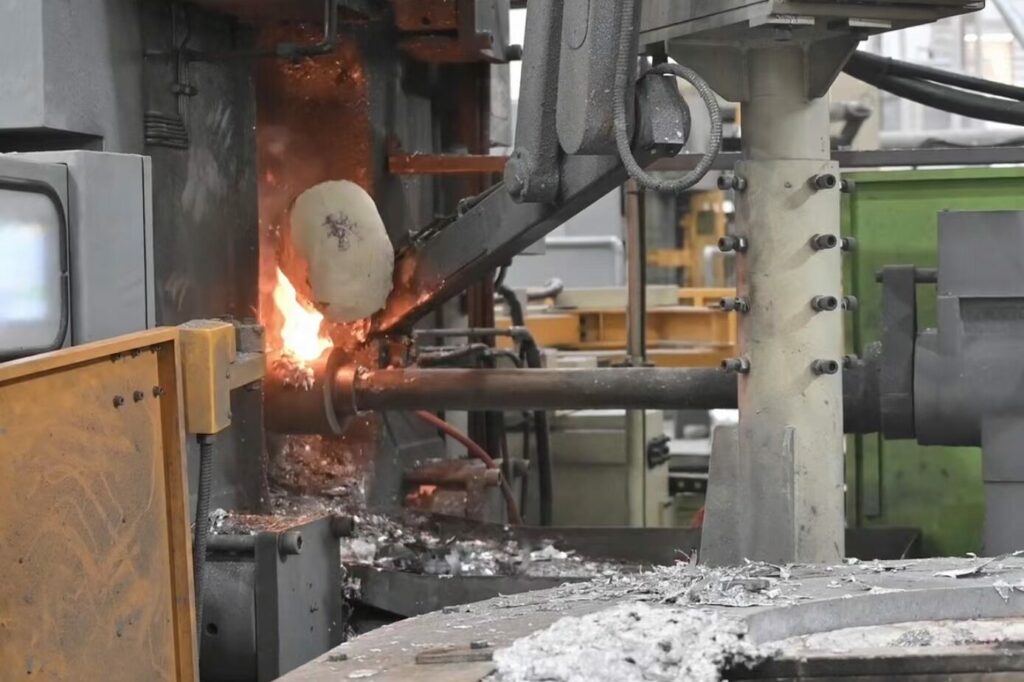
Aluminum refuses that arrangement. It is poured well above its melting point, hot enough to destroy the immersed mechanism of a hot-chamber machine. Aluminum runs cold-chamber instead. Metal is ladled into a separate shot sleeve for every cycle. Cold-chamber machines are larger, consume more energy per shot, and face the die-soldering problem. The compensations are real. A cold-chamber fleet covers a wide tonnage range, and no other route gives a lightweight structural casting at die-cast surface quality. For a broader view of how aluminum grades split the load, the aluminum alloy guide on this site covers ADC12, A380, A360, and the ENAC series.
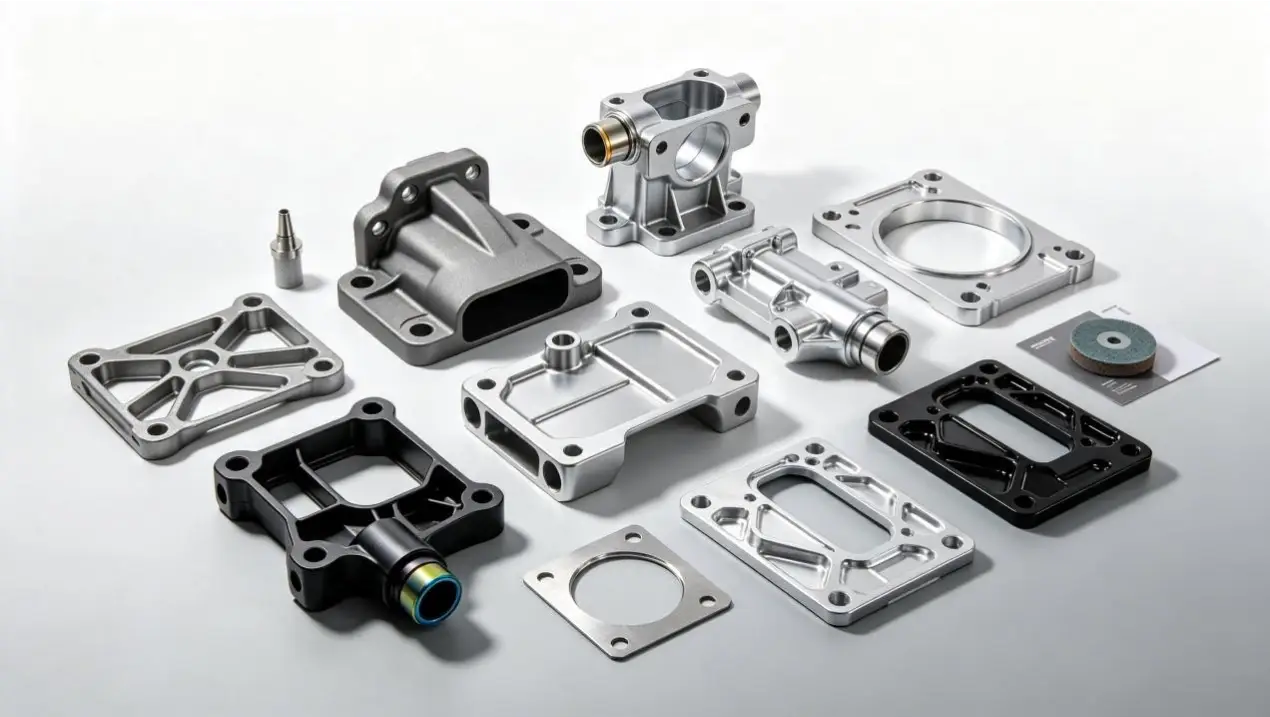
Weight Is the First Filter
Put the same small bracket on a scale as a zinc die casting and as an aluminum die casting. The zinc part will weigh roughly two and a half times more. Density is 6.6 g/cm³ against 2.7. That single number settles more material debates than any strength chart. Half the time an engineer reaches for aluminum, what the product actually needed was lightness. The other half, the part only ever needed stiffness, a thin wall, and a plateable surface at high volume.
In a handheld device, a vehicle, or a freight invoice, that density gap is paid continuously. An aluminum die casting service that quotes by piece weight will look cheap per kilo. The zinc alternative may ship fewer grams of packaging and absorb less handling damage along the way. The weight line on a drawing is quietly a cost line on a P&L statement.
Volume and the Crossover Point
A buyer requesting an aluminum die casting service quote for a hundred thousand parts a year will hear a different conversation than one ordering five thousand. At high volume, zinc hot-chamber cycle time dominates the unit cost. A hot-chamber machine throws small shots in seconds, and the tooling amortizes across a large run. Cold-chamber aluminum cycles are slower, the machines burn more energy per shot, and the shot sleeve sees wear that hot-chamber goosenecks avoid.
Both metals have a volume sweet spot. The gap narrows when the part is large enough that neither process fits comfortably on a small-tonnage press. It also narrows when annual volume drops below the threshold where tooling amortization matters more than cycle time. For a program of fifty thousand pieces, the zinc side will typically show a lower piece price. The aluminum side may still win on total cost once freight, assembly labor, and field failure rates enter the calculation. A zinc die casting service and an aluminum die casting service will quote different numbers, but the piece price is only the opening line of the comparison.
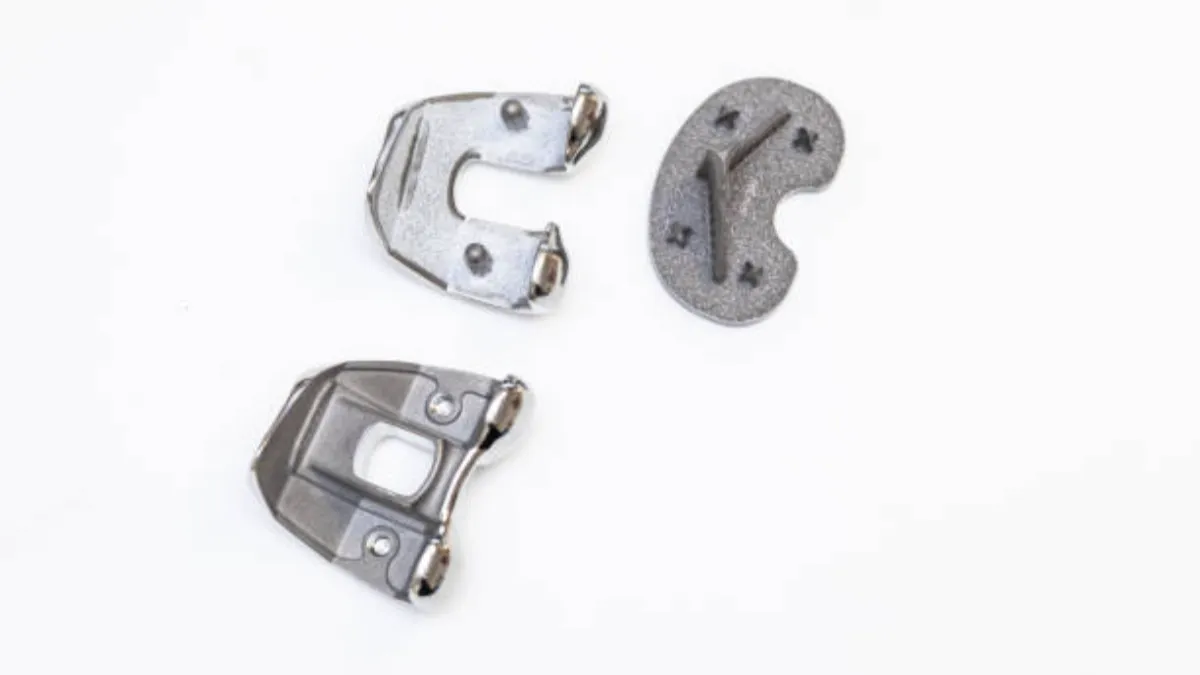
Strength Per Kilogram Not Per Part
Strength tables mislead on this decision, so compare the right columns. Die-cast Zamak 5 runs roughly 320 to 330 MPa tensile as-cast. Mainstream die-cast aluminum alloys land in a broadly overlapping band, around 310 to 340 MPa for ADC12 and A380. On raw strength the alloys are peers. Per kilogram, aluminum is the clear winner. Its density advantage means a zinc part carries its own weight about 2.4 times heavier for identical geometry. The Zamak 5 versus aluminum page on this site walks the numbers alloy by alloy for readers who need the data sheet view.
Thermal Behavior Without the Myths
A common claim is that aluminum conducts heat several times better than zinc. Published data sheets for both Zamak and commodity die-cast aluminum alloys put thermal conductivity in the same 90 to 110 W/m·K band. The real story is more interesting. Aluminum dominates LED housings for three reasons. Dedicated high-conductivity die-cast families such as AlSi8, LHB1, and HA7-S reach roughly 200 W/m·K. Lower density allows thin deep fins. And there is no creep concern at elevated temperature. The high-thermal-conductivity aluminum alloys article on this site covers the alloy selection for heat-sink duty.
Zinc mass, conversely, is a feature where heft reads as quality or where damping and density help. Above roughly 100 °C of continuous service, published Zamak data sheets flag strength loss and creep in ways aluminum does not. A casting that lives against a motor or an exhaust shield is telling you it wants aluminum. Ask the alloy data sheet for the strength-versus-temperature curve for your duty cycle rather than trusting a generic table.
Thin Walls and As-Cast Details
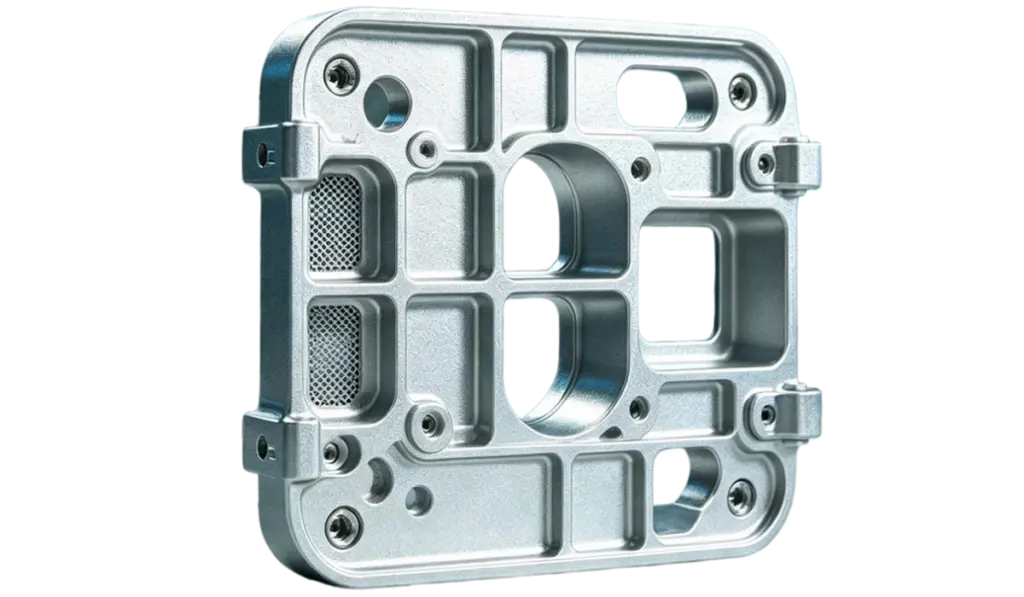
This is zinc home turf. Hot-chamber injection fills long, narrow flow paths at speed, and production practice treats walls in the half-millimeter range as castable geometry for zinc. Thin ribs, small bosses, fine external knurls. Aluminum fluidity and heat rejection make very thin walls a genuine fight. Standard practice keeps aluminum walls thicker, and the parts that must go tighter get machined instead. The zinc for precision complex components page on this site covers the geometry envelope where zinc shines.
Threaded features tell the same story. Small internal threads cast cleanly in zinc and are widely left as-cast. Aluminum threads are frequently post-machined. The site published capability list states a ±0.02 mm machining tolerance as a line item on aluminum quotations. On tolerance discipline both alloys are graded against the tolerance class named on the drawing. Small precision parts live at the top of what either can do. Zinc gentler casting temperatures give it an edge on die dimensional stability shot after shot. Where a drawing demands a precision seat, bore, or flat, the honest answer for either metal is a machining operation. The question is only how many of them you can afford to delete.
Choosing Between Plating and Anodizing
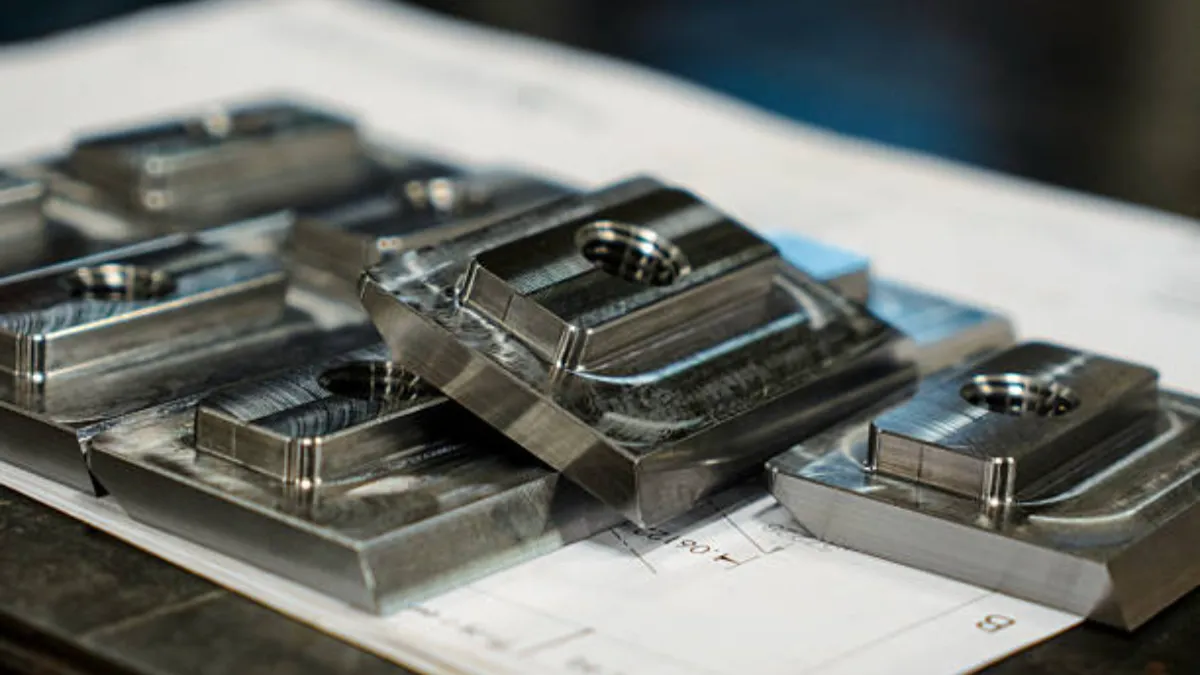
Zinc takes electrodeposition like a champion. Nickel-chrome, copper-nickel-chrome, and colored plating systems were practically designed around Zamak hardware. That is why decorative architectural fittings lean zinc. Its soft spot is bare-metal behavior in wet service. Zinc corrodes aggressively outside its protective coatings. The alloy long-term dimensional stability depends on keeping lead, cadmium, and tin impurities at the parts-per-million level specified for the family. Aluminum protects itself with its oxide, anodizes for harder skins and color, and takes powder coating well. The precision finishing for die cast parts page on this site covers the finishing stack this site advertises.
One cross-metal trap deserves a paragraph. A zinc part meeting an aluminum or steel assembly in a wet environment invites galvanic corrosion. The more anodic partner gets attacked, and coating damage at the contact point is a classic field failure. Mixed-material assemblies need an insulating plan, a coating order, and a drainage story. These are conversations to have at DFM, not at PPAP.
Side by Side Decision Table
| Dimension | Zinc (Zamak) | Aluminum (ADC12/A380 class) |
|---|---|---|
| Process | Hot chamber, submerged gooseneck, fast cycles | Cold chamber, ladled shots, larger machines |
| Density | ~6.6 g/cm³ — parts feel substantial | ~2.7 g/cm³ — mass-critical winner |
| Tensile (die cast) | Zamak 5 ≈ 320-330 MPa as-cast | Broadly overlapping band; far better per kg |
| Thin walls | Half-millimeter class is castable | Thicker nominal walls; thin = fight or machine |
| Heat | Creep above ~100 °C; low conductivity | Dedicated high-k families reach ~200 W/m·K |
| Finishing | Plating benchmark; paint well | Anodize, powder coat; self-protecting oxide |
| Cost at volume | Faster cycles, longer die life | See the aluminum cost breakdown on this site |
Questions About Zinc and Aluminum
Are zinc die castings weaker than aluminum?
Not in absolute terms. Die-cast Zamak 5 at roughly 320 to 330 MPa tensile sits in the same band as mainstream die-cast aluminum alloys. The gap appears per kilogram. Aluminum wins by a density ratio of about 2.4 to 1. Above roughly 100 °C continuous service, zinc begins losing strength to creep that aluminum resists far better.
Why is zinc usually cheaper for small high-volume parts?
Because the hot-chamber process matches those parts natively. Melting near 385 °C lets the injection system stay submerged in the melt, giving faster cycles on smaller machines with gentler die wear than aluminum cold-chamber route. The economics only invert when freight, mass, or heat in service makes the heavier metal the more expensive choice overall.
Can both metals hold tight tolerance on small parts?
Yes. The tolerance grade named on the drawing governs both, and both hit precision classes routinely. Zinc lower casting temperatures make die dimensions more stable shot to shot, so as-cast accuracy tends to favor it on small parts. Any seat, thread, or flat tighter than the tolerance table still gets machined, and good DFM deletes those features rather than grinding them in.
Which metal plates or finishes better?
Zinc is the plating benchmark. Decorative nickel-chrome hardware has been cast on Zamak for decades. Aluminum native finishes are anodizing and powder coating, backed by its self-protecting oxide. A plated cosmetic part is quietly a zinc recommendation. An outdoor structural part whose finish must survive stone chip and UV is quietly an aluminum one.
Final Thoughts
Small precision parts are where the zinc versus aluminum decision is sharpest. The part is small enough that either process can make it, and the volume is high enough that the wrong choice compounds. The honest pattern is that zinc wins on process economics and geometry while aluminum wins on environment and mass. A latch that will be plated and screwed into a furniture panel is a textbook Zamak part. A housing that will bake in sunlight and bolt to a heat-generating module is a textbook aluminum part.
The programs that get miscopied are the middle ones. A small zinc fitting spec’d for a vehicle that ran hot is a field failure waiting to happen. An aluminum cosmetic piece whose plating requirement quietly doubled its finishing cost is a margin killer. To put a drawing through a real zinc versus aluminum review, send it through the contact page for a quote. The team will return a free DFM analysis report, the services this site advertises.