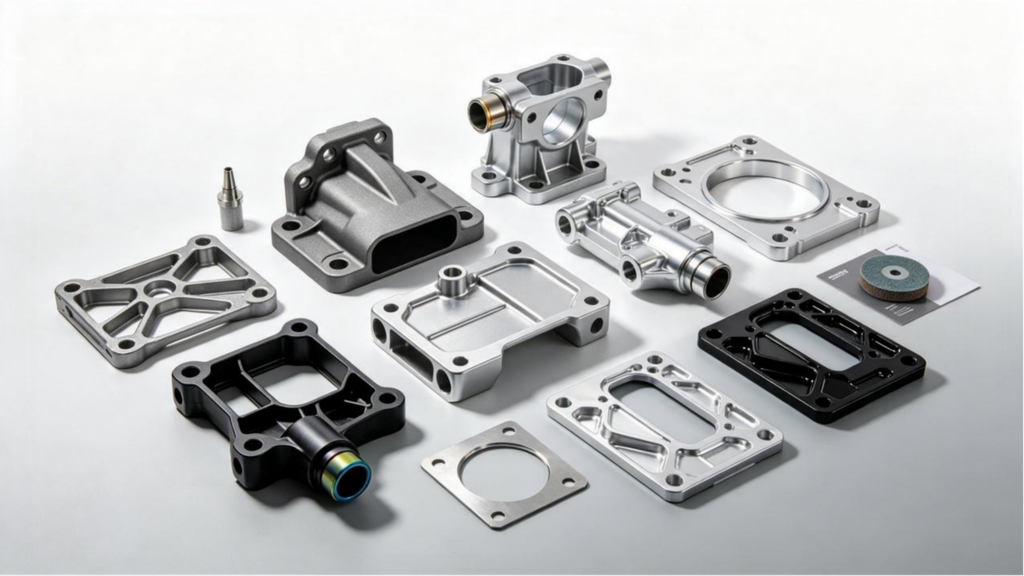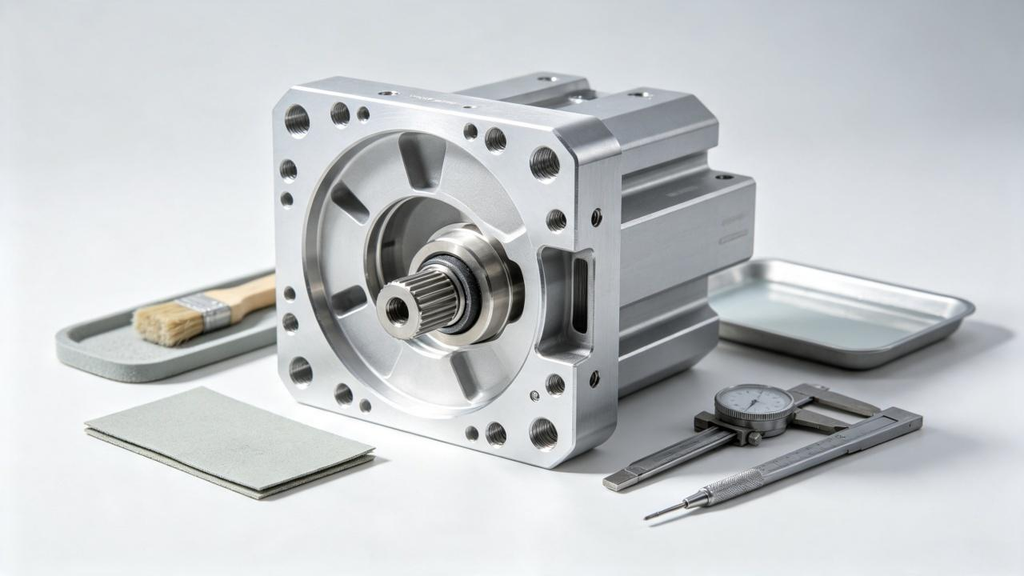
Die Wahl einer Legierung ist die erste technische Entscheidung überhaupt Druckguss aus Aluminiumlegierung Projekt, und es sichert mehr Kosten und Leistung als fast jede später getroffene Entscheidung. Wärmeleitfähigkeit, mechanische Stärke, und Gießbarkeit ziehen in unterschiedliche Richtungen, und die Legierung, die auf einer Achse gewinnt, gewinnt selten auf allen drei. Dieser Leitfaden vergleicht die leistungsstarken Gusslegierungen (ADC12, A380, A360, und AlSi10Mg) gegeneinander und gegeneinander 6061, So können Konstrukteure und technische Einkäufer das richtige Material in die engere Auswahl nehmen, bevor mit der Angebotserstellung begonnen wird.
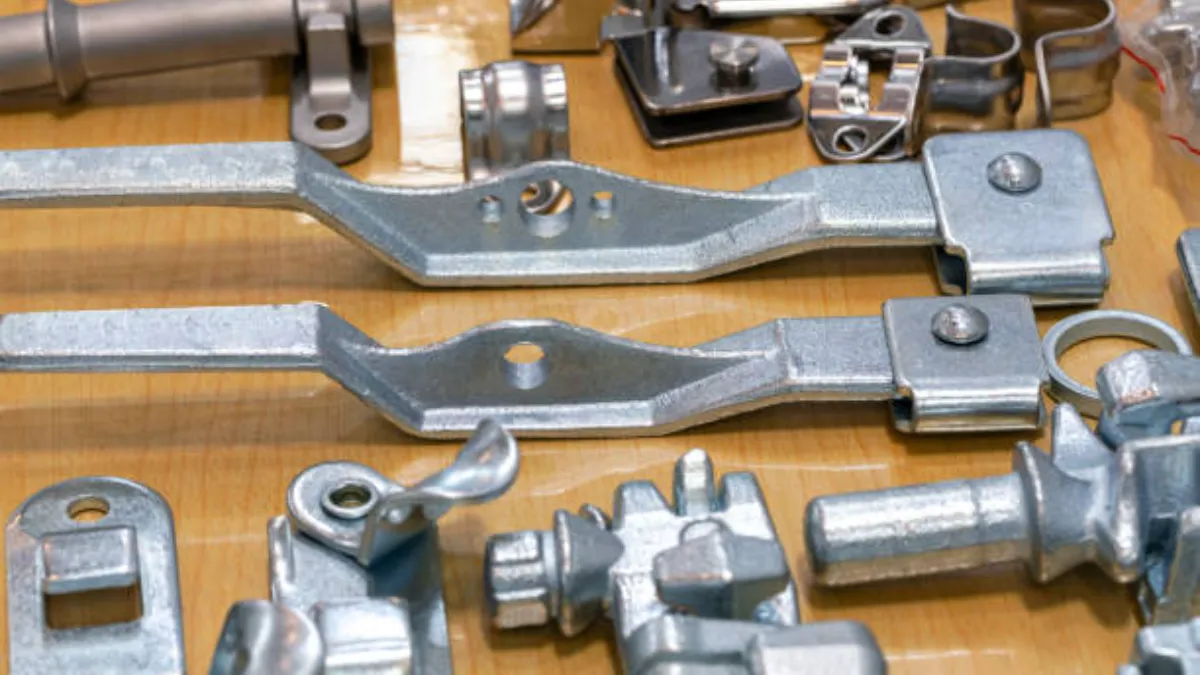
Was “Gut” Mittel aus einer Aluminium-Druckgusslegierung
Jede Legierungsauswahl ist ein Tausch zwischen vier Fragen. Kann die Legierung die Form vollständig ausfüllen? (Gussbarkeit)? Wird das fertige Teil seinen mechanischen Belastungen standhalten? (Stärke)? Wird es die Wärme dorthin transportieren, wo sie hin muss? (Wärmeleitfähigkeit)? Und kann das gesamte Paket zu Stückkosten produziert werden, die Ihr Markt akzeptiert??
Beim Hochdruck-Kokillenguss werden Legierungen mit hohem Siliziumanteil bevorzugt, denn Silizium senkt den Schmelzbereich und verbessert das Fließen in dünne Wände. Das gleiche Silizium, in der Aluminiummatrix gelöst, streut wärmetragende Elektronen und verringert die Wärmeleitfähigkeit. Die praktische Konsequenz: Die am einfachsten zu gießenden Legierungen sind selten die besten Wärmeleiter, und zu verstehen, wo Ihre Anwendung in diesem Spektrum steht, ist der Kern der Auswahl.
Für einen umfassenderen Überblick über die in diesem Leitfaden behandelten Legierungsfamilien, siehe unsere Übersicht über ADC12, A380, A360, und Legierungen der ENAC-Serie.
Wärmeleitfähigkeit: Wärme aus dem Gussstück ableiten
Die Wärmeleitfähigkeit entscheidet darüber, wie schnell Wärme einen LED-Treiber verlässt, ein Motorgehäuse, oder eine Batterieplatte. Zu den gängigen Gusslegierungen, Die Leitfähigkeit sinkt, wenn Silizium und Kupfer ansteigen. A360, mit etwa 9–10% Silizium und minimal Kupfer, leitet etwa 110–115 W/m·K im Gusszustand. ADC12 und A380, mit mehr Kupfer und breiteren Verunreinigungsfenstern, sitzen Sie tiefer, nahe 90–100 W/m·K.
Spezielle siliziumarme Gusslegierungen verschieben die Decke deutlich nach oben. Legierungen wie AlSi10Mg (mit kontrollierten Verunreinigungen) ungefähr erreichen 150 W/m·K, und spezielle hochleitfähige Druckgusssorten wie AlSi8, LHB1, und HA7-S können sich nähern 200 W/m·K in der Produktion. Diese Qualitäten sind bei LED-Leuchtengehäusen und EV-Thermoplatten am wichtigsten, wobei jedes zusätzliche Watt an Leitung die Sperrschichttemperatur senkt und die Lebensdauer verlängert.
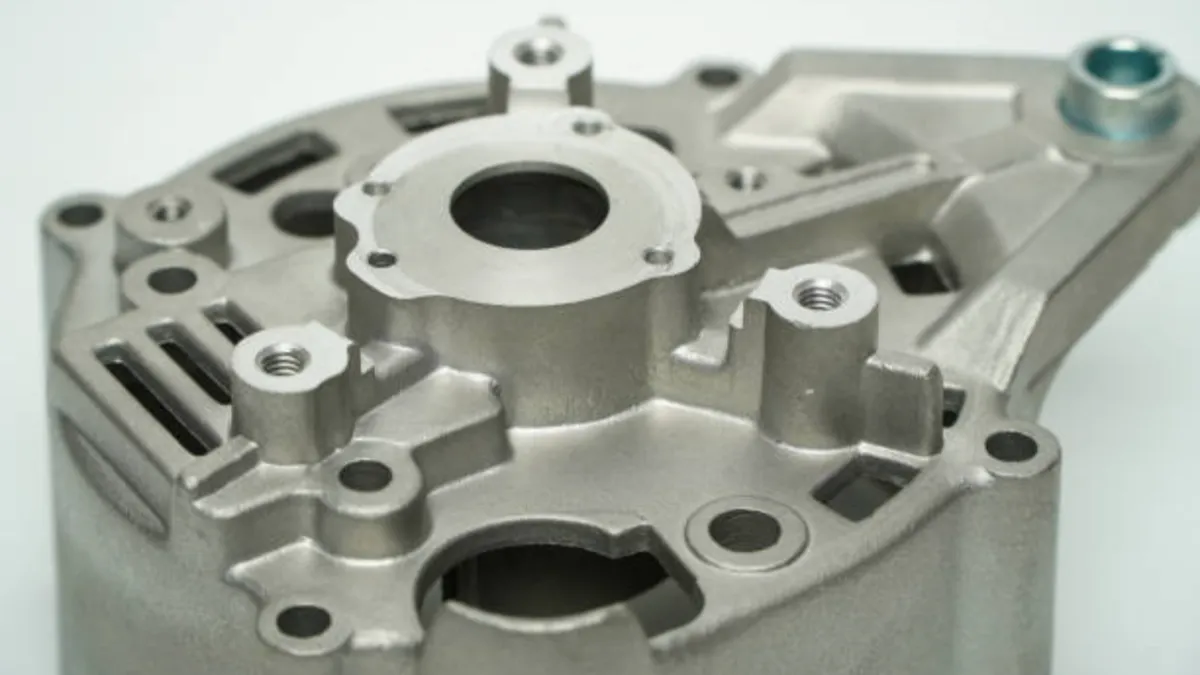
Mechanische Festigkeit: A380, ADC12 und A360 im Vergleich
Auf Stärke, Die gängigen Legierungen liegen näher beieinander, als die Marketingliteratur vermuten lässt. Die typische Zugfestigkeit im Gusszustand liegt bei etwa 300–330 MPa für ADC12, A380, und A360 gleichermaßen, mit Streckgrenzen im 150er Bereich–170 MPa-Band. Die Dehnung bleibt bei allen siliziumreichen Gusslegierungen im niedrigen einstelligen Bereich, Daher sollten Teile so konstruiert sein, dass sie Belastungen durch Druck und Scherung standhalten, anstatt sich auf Duktilität zu verlassen.
Die Unterschiede, auf die es ankommt, sind zweitrangiger Natur. A380 bietet eine gute Balance zwischen Festigkeit und Lückenfüllfähigkeit, Aus diesem Grund bleibt es in den nordamerikanischen Spezifikationen die Standardlegierung für allgemeine Zwecke. A360 bietet eine etwas bessere Duktilität und die beste Korrosionsbeständigkeit der Gruppe, das für hydraulische und flüssigkeitsberührte Teile geeignet ist. ADC12 bietet Festigkeit bei niedrigsten Schmelzkosten, Dies erklärt seine Dominanz in asiatischen Lieferketten und großvolumiger Verbraucher- und Telekommunikationshardware.
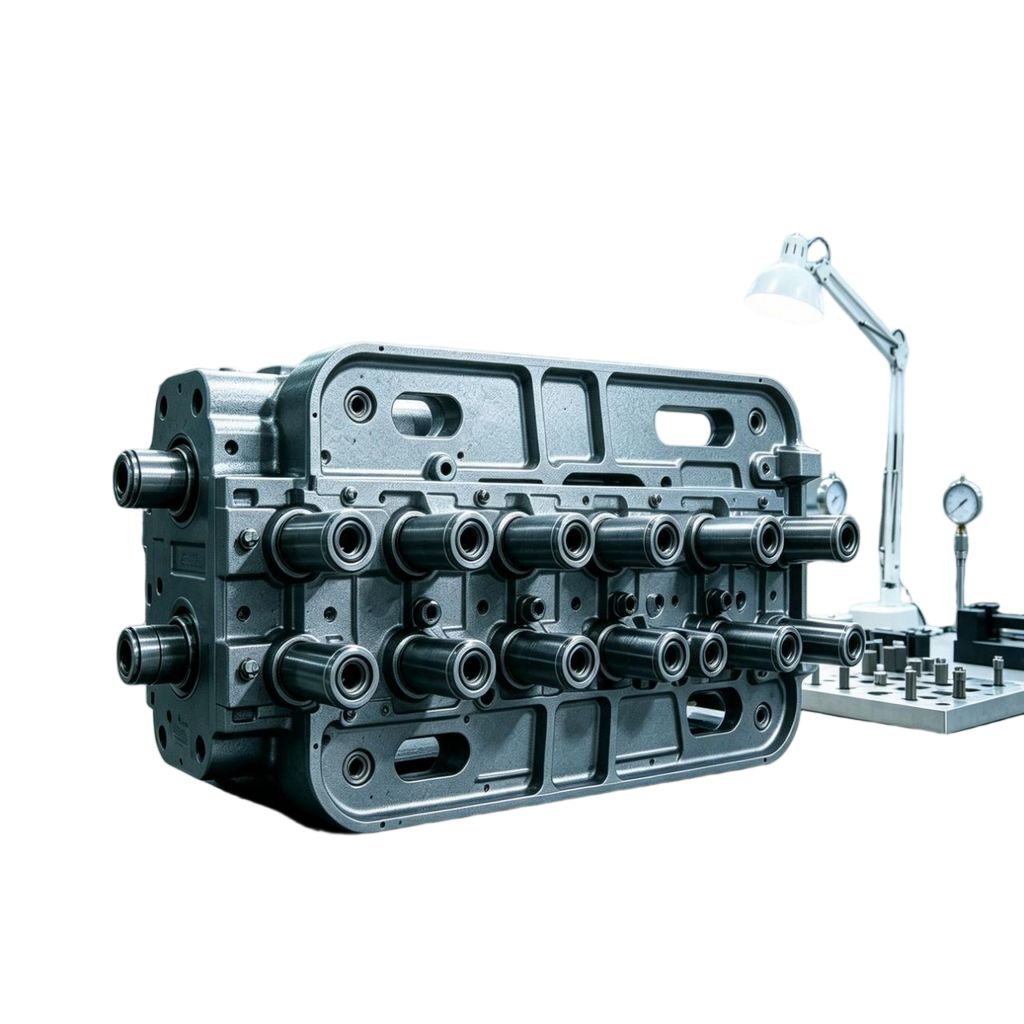
Wo ein Projekt eine wirklich höhere Festigkeit erfordert, Die Antwort ist normalerweise nicht eine andere Gusslegierung, sondern zusätzliche Rippen, lokale Verdickung, oder Nachbearbeitung auf kritische Abmessungen nach dem Guss. Unser Qualitätskontrollprozess Verifiziert die endgültigen Abmessungen der KMG-Ausrüstung, damit diese Konstruktionstoleranzen in der Produktion eingehalten werden.
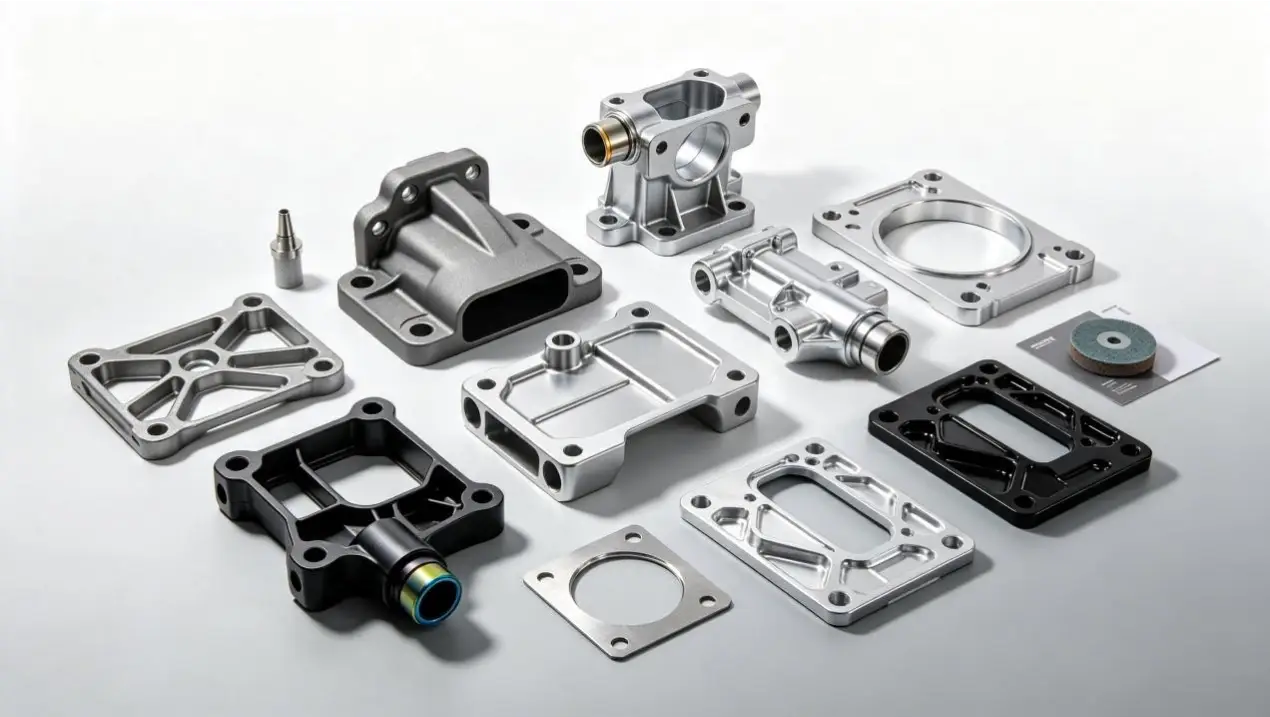
Gießbarkeit: Warum Siliziuminhalte den Prozess vorantreiben
Die Gießbarkeit ist der ruhige Faktor, der darüber entscheidet, ob ein Design überhaupt hergestellt werden kann. Siliziumgehalt etwa oben 9% schärft die Fließfähigkeit, verringert die Heißrissneigung, und schrumpft den Erstarrungsbereich, All dies ermöglicht dünnere Wände, längere Kerne, und weniger Porositätsausschuss. Deshalb ADC12 (9.6–12.0% Und) und Legierungen der A413-Familie füllen komplexe LED-Gehäusegeometrien, die mit Legierungen mit niedrigem Siliziumgehalt nicht möglich sind.
Kupfer verbessert die Festigkeit und Bearbeitbarkeit, erweitert jedoch den Gefrierbereich und erhöht das Risiko von Heißrissen, daher wird es bei Gussqualitäten moderat gehalten. Eisen muss in einem engen Fenster kontrolliert werden: genug, um dem Chip-Löten zu widerstehen, aber nicht so sehr, dass es spröde Blutplättchen bildet, die die Ermüdungslebensdauer verkürzen. Diese Chemiefenster sind der Grund für die Schmelzdisziplin eines Lieferanten, nicht nur der nominelle Name der Legierung, bestimmt die Konsistenz dessen, was Sie erhalten.
Wo 6061 Passt — und wo nicht
6061 ist die Legierung, die die meisten Ingenieure am besten kennen, und seine Wärmeleitfähigkeit beträgt ca 167 W/m·K (T6-Temperament) setzt einen bekannten Maßstab. Es ist, Jedoch, eine Knetlegierung. Es kann nicht im Hochdruckgussverfahren hergestellt werden: Sein Erstarrungsbereich führt zu Heißrissen, und seine Fließfähigkeit wird dünne Wände nicht füllen. Wenn ein 6061 Eigenschaftssatz ist erforderlich, Die Herstellungswege sind Extrusion und maschinelle Bearbeitung, oder spezielle Verfahren wie Squeeze Casting.
In der Praxis, viele Teams geben vor 6061 aus Gewohnheit, wenn eine Druckgusslegierung besser funktionieren würde. Wenn die Geometrie komplex ist, Die Wände sind dünner als 3 mm, oder die jährliche Menge übersteigt einige Tausend Stück, Eine Gusslegierung wie A360 oder eine Gusssorte mit hoher Leitfähigkeit erreicht das thermische Ziel typischerweise zu geringeren Stückkosten. Unser vollständige Leistungsliste deckt beide Strecken ab, Daher wird der Prozess für das Teil ausgewählt und nicht umgekehrt.
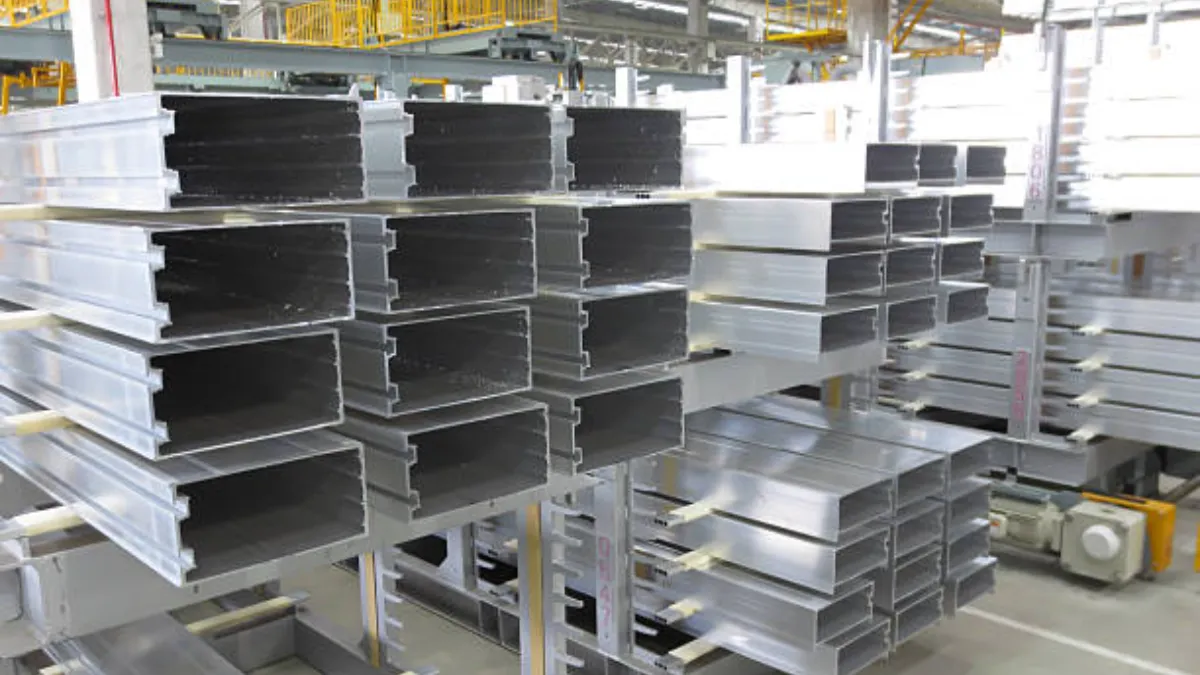
Legierungsauswahlmatrix für gängige Anwendungen
Die folgende Tabelle fasst die Kompromisse in einer First-Pass-Shortlist zusammen. Bei den Werten handelt es sich um typische Bereiche im Gusszustand; Die genauen Zahlen variieren je nach Temperatur und Spezifikation, und wir bestätigen sie durch Spektrometeranalyse bei jeder Schmelze.
| Legierung | Schlüsselelemente | Wärmeleitfähigkeit (ca.) | Zugfestigkeit (ca.) | Gießbarkeit | Typische Verwendung |
|---|---|---|---|---|---|
| ADC12 | Und 9.6–12.0%, Cu 1,5–3.5% | ~90–100 W/m·K | ~310–330 MPa | Exzellent | Verbraucher, Telekommunikation, Allgemeine Gehäuse |
| A380 | Und 7,5–9.5%, Cu 3,0–4.0% | ~96–110 W/m·K | ~320–330 MPa | Sehr gut | Allgemeiner Zweck, Klammern, Abdeckungen |
| A360 | Und 9,0–10.0%, Cu ≤0.6% | ~110–115 W/m·K | ~310–320 MPa | Sehr gut | Flüssige Teile, Korrosion ausgesetzte Gehäuse |
| AlSi10Mg | Und 9,0–10.0%, Mg 0,2–0.45% | ~150 W/m·K | ~260–300 MPa | Gut (strenge Kontrolle der Chemie) | LED-Treiber, Thermoplatten |
| 6061-T6 (gewirkt) | Und 0,4–0.8%, Mg 0,8–1.2% | ~167 W/m·K | ~310 MPa | Nicht druckgussfähig | Extrusionen, Bearbeitete Blöcke |
Benutzen Sie es als Filter, kein Urteil: Die richtige Antwort hängt von der Wandstärke ab, Anforderungen an die Abdichtung, und Jahresvolumen, Genau dafür ist eine DFM-Rezension da.
Wie wir Legierungsentscheidungen unterstützen: DFM zur Lieferung
Die Legierungsauswahl scheitert am häufigsten an der Lücke zwischen Ziehen und Matrize. Wir schließen diese Lücke mit einer DFM-Überprüfung, bevor wir mit der Werkzeugbereitstellung beginnen: Unsere Ingenieure prüfen Wandübergänge, Entwurf, und Füllsequenz in der Strömungssimulation von Cast-Designer, und kennzeichnen Sie Kaltschließ- oder Schrumpfrisiken, die mit der Kandidatenlegierung verbunden sind. Für Teams, die neu im Casting sind, Diese Überprüfung erfolgt parallel zu Ihrem Entwicklungszyklus und nicht danach.
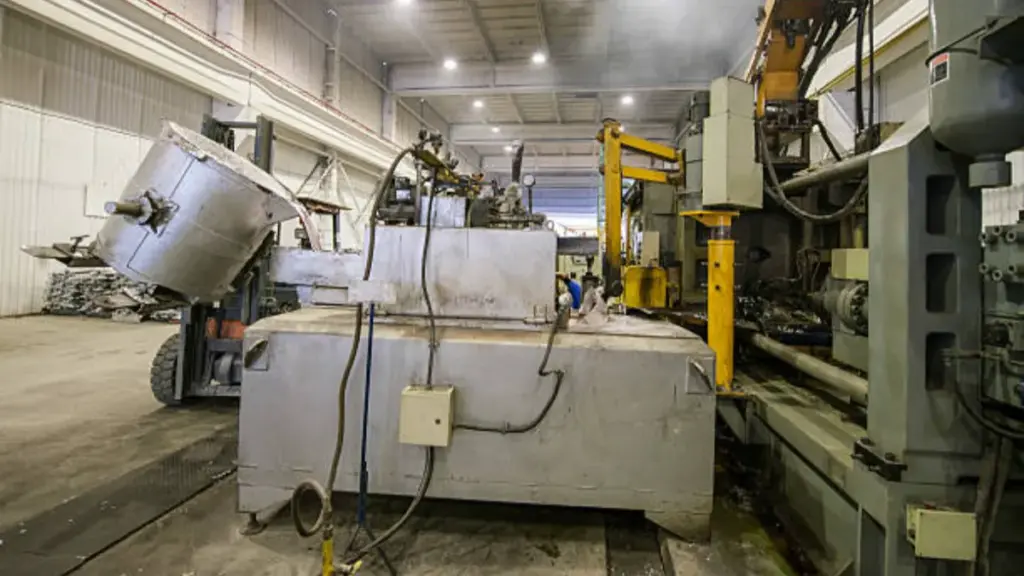
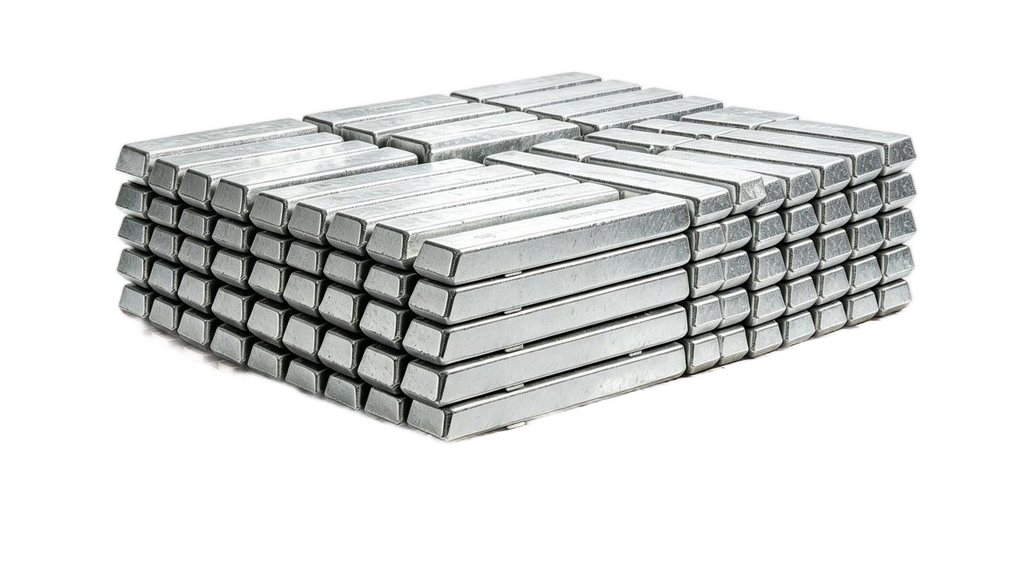
In Produktion, Schmelzdisziplin schützt die von Ihnen ausgewählten Eigenschaften. Unsere Gießerei betreibt einen zentralen Schmelz- und Veredelungsofen, überprüft die Chemie mit einem direkt ablesbaren Spektrometer, verifiziert geschmolzenen Wasserstoff mit einem Dichtetest, und wiederholt alle zwei Stunden die Überprüfung der Prozesschemie. Rohmaterial-Testberichte werden kostenlos mit den Teilen geliefert, So kann Ihre Eingangskontrolle die leitfähigkeitsrelevante Chemie anhand der Spezifikation überprüfen.
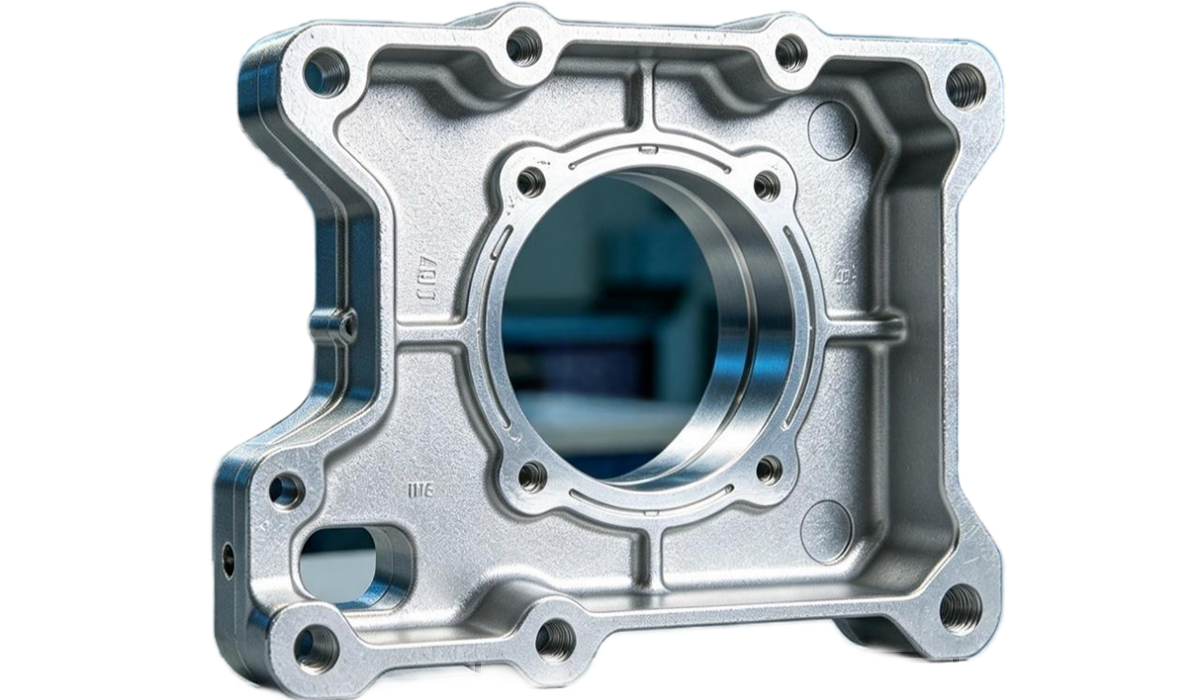
Wenn Sie zwei Legierungen für ein neues Gehäuse oder eine neue Thermoplatte abwägen, Schicken Sie uns die Zeichnung. Ein kurzer DFM-Austausch, einschließlich einer ehrlichen Empfehlung, wo eine billigere Legierung stillschweigend mehr kosten würde, ist Teil von ein Angebot anfordern von unserem Engineering-Team.
FAQ
Welche Aluminium-Druckgusslegierung hat die beste Wärmeleitfähigkeit??
Unter den Mainstream-Klassen, A360 führt mit etwa 110–115 W/m·K, mit ADC12 und A380 nahe 90–100 W/m·K. Für Anwendungen, die mehr benötigen, spezielle Gusssorten mit niedrigem Siliziumgehalt wie AlSi10Mg (~150 W/m·K) und spezielle Legierungen mit hoher Leitfähigkeit wie AlSi8, LHB1, und HA7-S (bis zu ~200 W/m·K) sind druckgussfähige Optionen, die der Leistung einer Knetlegierung nahekommen.
Ist ADC12 stärker als A380??
Ihre typische Festigkeit im Gusszustand ist nahezu gleichwertig (beide ungefähr 310–330 MPa Zugfestigkeit). ADC12 hat in der Regel einen leichten Härtevorteil, während A380 einen kleinen Vorteil bei der Dehnung und Lückenfüllung bietet. Die praktische Wahl folgt normalerweise dem Spezifikationssystem, anhand dessen Ihr Kunde prüft: ASTM/ASTM-abgeleitete Projekte verwenden standardmäßig A380, und von JIS abgeleitete Projekte verwenden standardmäßig ADC12.
Kannst du sterben? 6061 Aluminium?
NEIN. 6061 ist eine Knetlegierung, deren breiter Erstarrungsbereich beim Hochdruck-Druckgussverfahren zu Heißrissen und schlechter Formfüllung führt. Wenn Sie Leitfähigkeit oder Festigkeit der Stufe 6061 benötigen, Die realistischen Routen sind Extrusion und Bearbeitung, Squeeze-Casting, oder eine hochleitfähige Druckgusslegierung, die entwickelt wurde, um eine ähnliche thermische Leistung mit komplexer Geometrie zu erreichen.
Wie soll ich die Leitfähigkeit ausgleichen?, Stärke, und Gießbarkeit?
Beginnen Sie mit dem Fehlermodus, der am wichtigsten ist: wenn das Teil überhitzt, Priorisieren Sie die Leitfähigkeit und akzeptieren Sie Designänderungen, die die Festigkeit wiederherstellen (Rippen, Filets, lokale Verdickung); wenn das Teil Last trägt, Wählen Sie eine bewährte Strukturqualität und lösen Sie Wärme mit Geometrien wie Rippen. Überprüfen Sie dann die Geometrie anhand der Gießbarkeitsgrenzen, bevor Sie das Design einfrieren — Eine DFM-Überprüfung mit Ihrem Casting-Partner deckt Konflikte auf, während sie noch kostengünstig zu beheben sind.