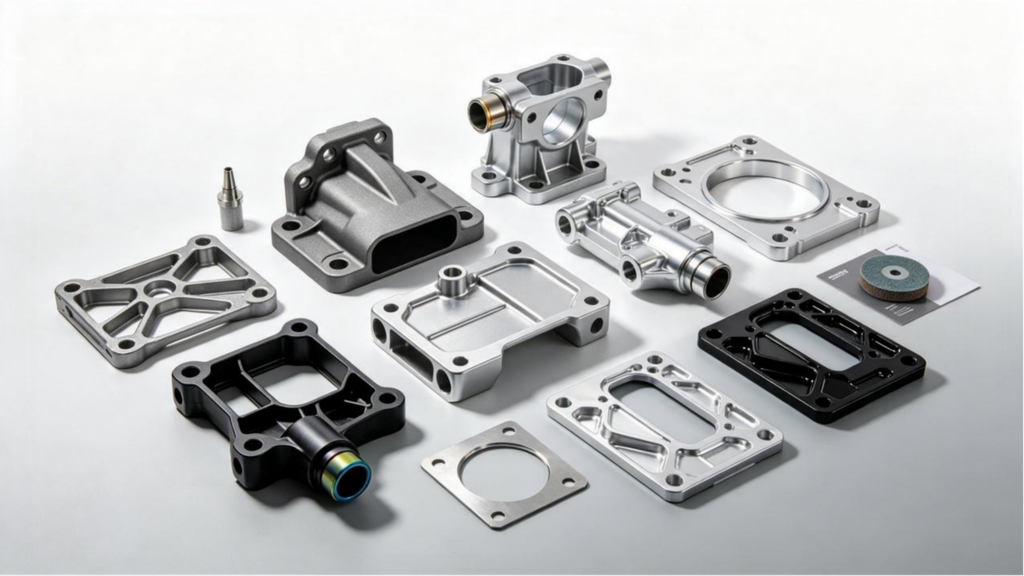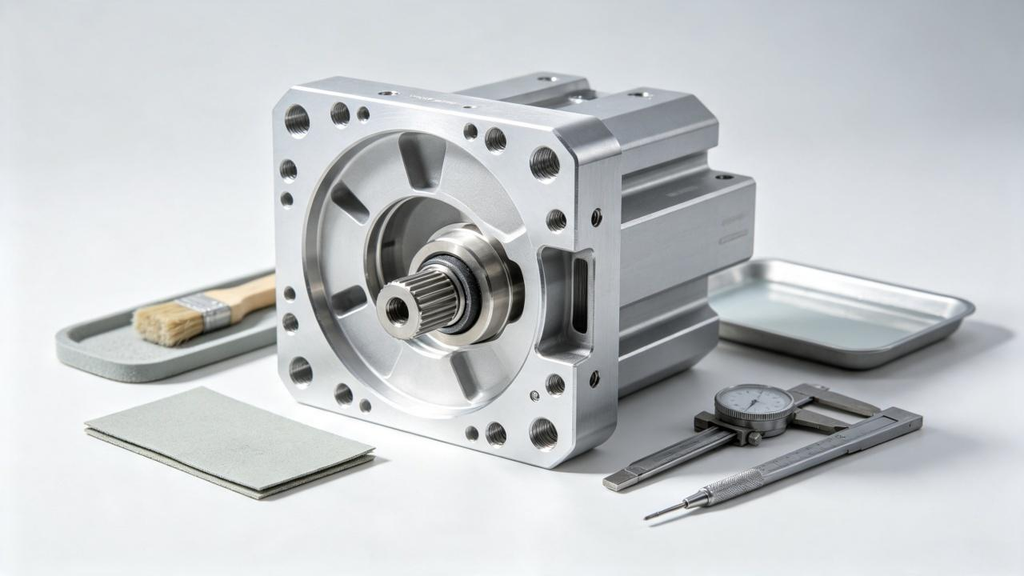
Выбор сплава – это первое инженерное решение в любом литье под давлением из алюминиевого сплава проект, и он обеспечивает большую стоимость и производительность, чем любой другой выбор, сделанный позже.. Теплопроводность, механическая прочность, и бросковость тянут в разные стороны, а сплав, который выигрывает по одной оси, редко выигрывает по всем трем. В этом руководстве сравниваются литейные сплавы «рабочей лошадки». (АЦП12, А380, А360, и АлСи10Мг) друг против друга и против 6061, чтобы инженеры-конструкторы и технические закупщики могли составить список подходящих материалов до начала ценового предложения..
Что “Хороший” Средства в алюминиевом сплаве для литья под давлением
Выбор каждого сплава — это ответ на четыре вопроса.. Может ли сплав полностью заполнить форму? (литейность)? Выдержит ли готовая деталь механические нагрузки? (сила)? Будет ли он перемещать тепло туда, куда ему нужно? (теплопроводность)? И может ли весь пакет быть произведен по цене за единицу, приемлемой для вашего рынка??
Литье под высоким давлением предпочитает сплавы с высоким содержанием кремния., потому что кремний снижает диапазон плавления и улучшает течение в тонкие стенки. Тот самый кремний, растворен в алюминиевой матрице, рассеивает электроны-теплоносители и снижает теплопроводность. Практические последствия: самые простые в отливке сплавы редко оказываются лучшими проводниками тепла., и понимание того, где ваше приложение находится в этом спектре, является основой выбора..
Для более широкого ознакомления с семействами сплавов, представленными в этом руководстве., см. наш обзор АЦП12, А380, А360, и сплавы серии ENAC.
Теплопроводность: Отвод тепла из отливки
Теплопроводность определяет, как быстро тепло покидает светодиодный драйвер., корпус двигателя, или аккумуляторная пластина. Среди распространенных литейных сплавов, проводимость падает по мере роста кремния и меди. А360, примерно с 9–10% кремний и минимум меди, проводит около 110–115 Вт/м·К в литом состоянии. АЦП12 и А380, с большим количеством меди и более широким окном примесей, сидеть ниже, около 90–100 Вт/м·К.
Специальные литейные сплавы с низким содержанием кремния поднимают потолок намного выше. Сплавы, такие как AlSi10Mg. (с контролируемыми примесями) достигать примерно 150 Вт/м·К, и специальные марки для литья под давлением с высокой проводимостью, такие как AlSi8., LHB1, и HA7-S может приблизиться 200 Вт/м·К в производстве. Эти классы имеют наибольшее значение для корпусов светодиодных светильников и тепловых пластин для электромобилей., где каждый дополнительный ватт проводимости снижает температуру перехода и продлевает срок службы.
Механическая прочность: А380, Сравнение ADC12 и A360
По силе, основные сплавы ближе, чем предполагает маркетинговая литература. Типичная прочность на разрыв в литом состоянии составляет около 300.–330 МПа для АЦП12, А380, и А360 одинаково, с пределом текучести в 150–170 диапазон МПа. Удлинение остается в пределах одной цифры для всех литейных сплавов с высоким содержанием кремния., поэтому детали должны быть спроектированы так, чтобы выдерживать нагрузки при сжатии и сдвиге, а не полагаться на пластичность..
Различия, которые действительно имеют значение, являются второстепенными.. A380 предлагает хороший баланс прочности и способности заполнять пробелы., вот почему он остается сплавом общего назначения по умолчанию в спецификациях Северной Америки.. A360 обеспечивает немного лучшую пластичность и лучшую коррозионную стойкость в группе., подходит для гидравлических деталей и деталей, контактирующих с жидкостью. ADC12 обеспечивает прочность при минимальных затратах на плавку., что объясняет его доминирование в азиатских цепочках поставок и в крупных объемах потребительского и телекоммуникационного оборудования..
Там, где проекту требуется действительно более высокая прочность, ответ обычно не в другом литейном сплаве, а в добавлении ребер, местное утолщение, или пост-литьевая обработка до критических размеров. Наш процесс контроля качества проверяет окончательные размеры оборудования КИМ, чтобы эти допуски на проектирование сохранялись при производстве.
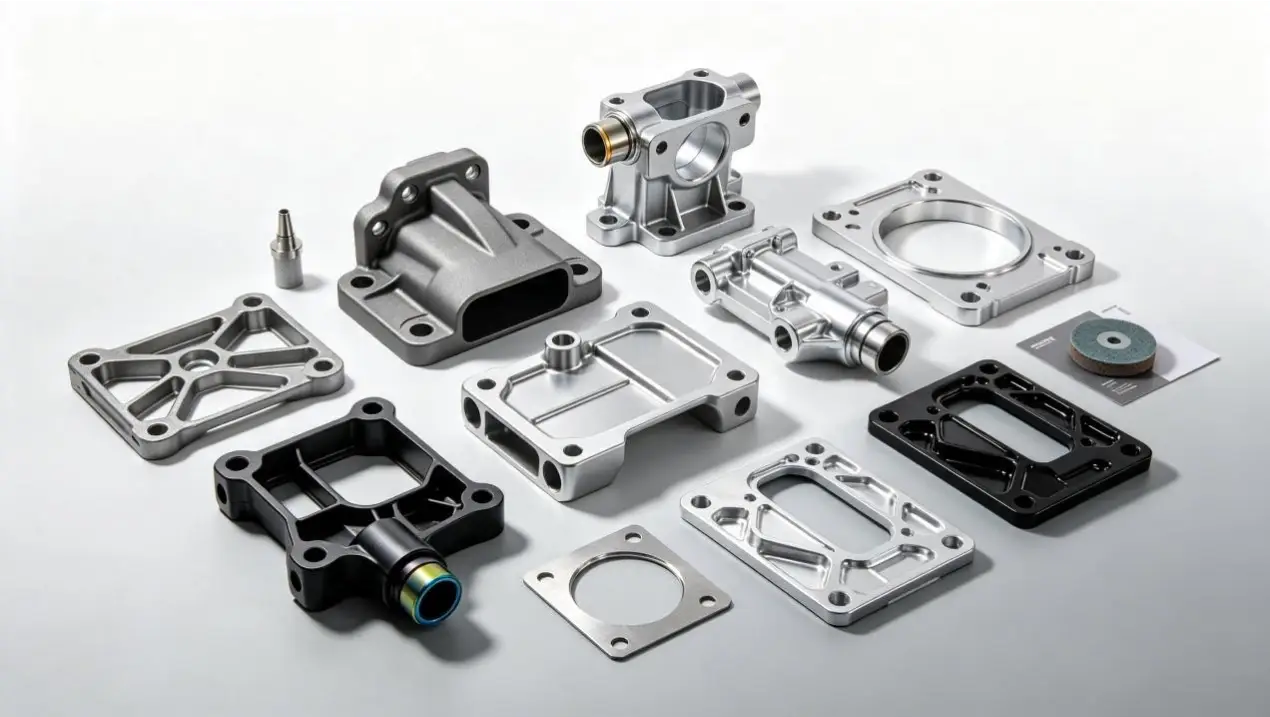
Литейность: Почему содержание кремния стимулирует процесс
Литье — это тихий фактор, который решает, можно ли вообще создать конструкцию.. Содержание кремния примерно выше 9% обостряет плавность, уменьшает склонность к горячим разрывам, и сужает диапазон затвердевания, все это позволяет сделать стенки тоньше, более длинные ядра, и меньше брака по пористости. Вот почему АЦП12 (9.6–12.0% И) и сплавы семейства A413 заполняют корпуса светодиодов сложной геометрии, чего не могут сделать сплавы с низким содержанием кремния..
Медь улучшает прочность и обрабатываемость, но расширяет диапазон замерзания и повышает риск горячего разрыва., поэтому он остается умеренным в литейных классах. Утюг необходимо контролировать в узком окне: достаточно, чтобы противостоять пайке штампом, но не настолько, чтобы образовывать хрупкие тромбоциты, сокращающие усталостную долговечность. Именно эти химические окна объясняют дисциплину поставщика в плавке., не просто номинальное название сплава, определяет последовательность того, что вы получаете.
Где 6061 Подходит — и где этого нет
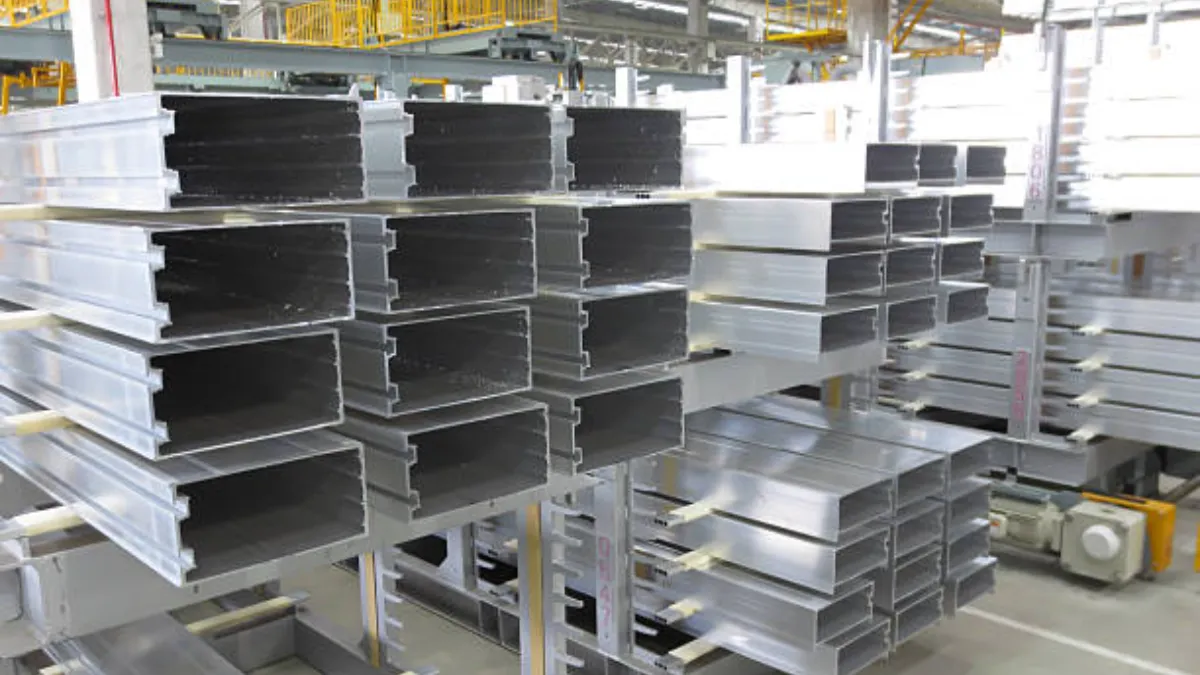
6061 это сплав, который большинство инженеров знают лучше всего, и его теплопроводность примерно 167 Вт/м·К (Т6 закал) устанавливает знакомый стандарт. Это, однако, деформируемый сплав. Это не может быть литье под высоким давлением.: его диапазон затвердевания вызывает горячий разрыв, и его текучесть не заполнит тонкие стенки. Когда 6061 Требуется набор свойств, производственные маршруты: экструзия плюс механическая обработка, или специализированные процессы, такие как литье под давлением.
На практике, многие команды указывают 6061 по привычке, когда сплав для литья под давлением служил бы лучше. Если геометрия сложная, стены тоньше, чем 3 мм, или годовой объем превышает несколько тысяч штук, литейный сплав, такой как A360, или литейная марка с высокой проводимостью обычно достигает заданной температуры при более низкой себестоимости изделия.. Наш полный список возможностей охватывает оба маршрута, поэтому процесс выбирается для части, а не наоборот.
Матрица выбора сплава для общих применений
В таблице ниже компромиссы сведены в короткий список для первого прохода.. Значения представляют собой типичные диапазоны после отливки.; Точные цифры зависят от плавки и технических характеристик., и мы подтверждаем их спектрометрическим анализом каждой плавки.
| Сплав | Ключевые элементы | Теплопроводность (ок.) | Предел прочности (ок.) | Литейность | Типичное использование |
|---|---|---|---|---|---|
| АЦП12 | И 9,6–12.0%, Cu 1,5–3.5% | ~90–100 Вт/м·К | ~310–330 МПа | Отличный | Потребитель, телекоммуникации, общие корпуса |
| А380 | И 7,5–9.5%, Ку 3.0–4.0% | ~96–110 Вт/м·К | ~320–330 МПа | Очень хороший | Общее назначение, скобки, обложки |
| А360 | И 9.0–10.0%, Cu ≤0.6% | ~110–115 Вт/м·К | ~310–320 МПа | Очень хороший | Жидкостные части, подверженные коррозии корпуса |
| АлСи10Мг | И 9.0–10.0%, мг 0,2–0.45% | ~150 Вт/м·К | ~260–300 МПа | Хороший (строгий химический контроль) | Светодиодные драйверы, тепловые пластины |
| 6061-Т6 (выполненный) | И 0,4–0.8%, Мг 0,8–1.2% | ~167 Вт/м·К | ~310 МПа | Не литье под давлением | Экструзии, обработанные блоки |
Используйте его как фильтр, не приговор: правильный ответ зависит от толщины стены, требования к уплотнению, и годовой объем, именно для этого и нужен обзор DFM.
Как мы поддерживаем решения по сплавам: DFM для доставки
Выбор сплава чаще всего терпит неудачу в промежутке между волочением и штампом.. Мы устраняем этот пробел с помощью проверки DFM до начала работы с инструментами.: наши инженеры проверяют переходы стен, черновик, и последовательность заливки в моделировании потока Cast-Designer, и отмечать риски холодного закрытия или усадки, связанные с предполагаемым сплавом. Для команд, впервые участвующих в кастинге, эта проверка происходит во время вашего цикла разработки, а не после него..
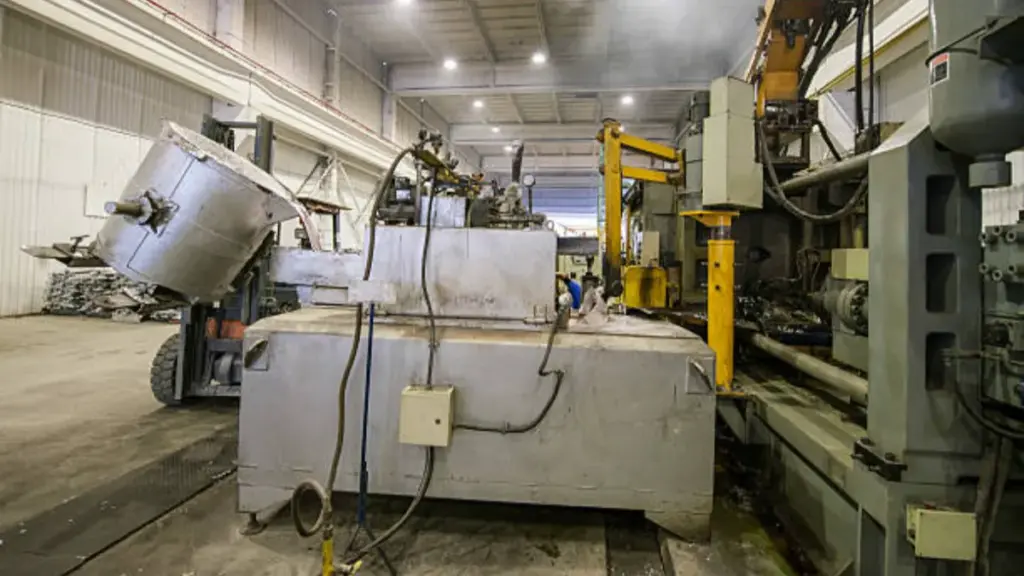
В производстве, Дисциплина плавления защищает свойства, которые вы выбрали для. На нашем литейном заводе имеется центральная плавильно-рафинировочная печь., проверяет химию с помощью спектрометра прямого считывания, проверяет расплавленный водород с помощью теста плотности, и повторяет химические проверки процесса каждые два часа. Отчеты об испытаниях сырья поставляются вместе с запчастями бесплатно., чтобы ваша входная проверка могла проверить соответствие химических веществ, связанных с проводимостью, спецификациям..
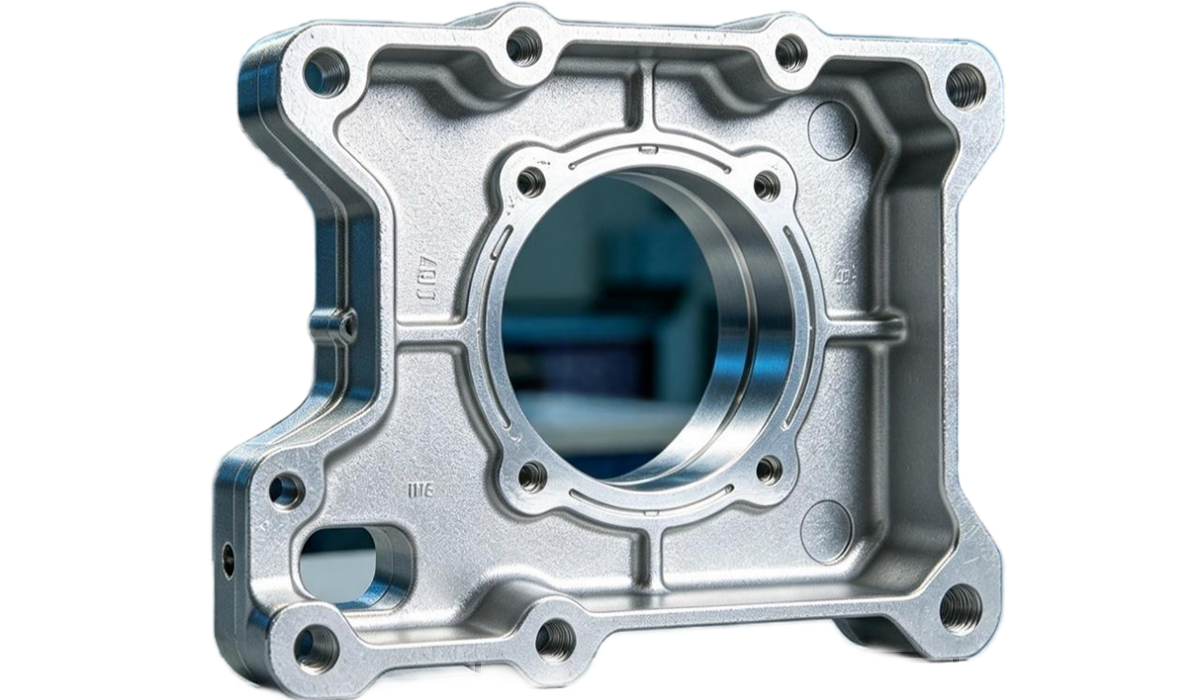
Если вы взвешиваете два сплава для нового корпуса или термопластины, пришлите нам рисунок. Короткий обмен DFM, включая откровенную рекомендацию о том, где более дешевый сплав будет стоить вам дороже., является частью запрос ценового предложения от нашей инженерной команды.
Часто задаваемые вопросы
Какой алюминиевый сплав для литья под давлением имеет лучшую теплопроводность?
Среди основных классов, A360 лидирует примерно на 110–115 Вт/м·К, с ADC12 и A380 около 90–100 Вт/м·К. Для приложений, которым требуется больше, специальные литейные марки с низким содержанием кремния, такие как AlSi10Mg (~150 Вт/м·К) и специальные сплавы с высокой проводимостью, такие как AlSi8., LHB1, и HA7-S (до ~200 Вт/м·К) представляют собой варианты литья под давлением, которые приближаются к характеристикам кованого сплава.
ADC12 сильнее A380??
Они почти эквивалентны по типичной прочности в литом состоянии. (оба примерно 310–330 МПа растяжение). ADC12 обычно немного опережает по твердости, в то время как А380 имеет небольшое преимущество в удлинении и заполнении пробелов. Практический выбор обычно следует системе спецификаций, которую проверяет ваш клиент.: Проекты на основе ASTM/ASTM по умолчанию имеют значение A380., и проекты, основанные на JIS, по умолчанию используют ADC12..
Можете ли вы умереть брошенным 6061 алюминий?
Нет. 6061 это деформируемый сплав, широкий диапазон затвердевания которого приводит к горячим разрывам и плохому заполнению матрицы в процессе литья под высоким давлением.. Если вам нужна проводимость или прочность уровня 6061, реалистичные маршруты — экструзия плюс механическая обработка, выжимное литье, или сплав для литья под давлением с высокой проводимостью, разработанный для достижения аналогичных тепловых характеристик со сложной геометрией..
Как мне сбалансировать проводимость, сила, и литейность?
Начните с наиболее важного режима отказа: если деталь перегреется, уделяйте приоритетное внимание проводимости и принимайте изменения в конструкции, которые восстанавливают прочность (ребра, филе, местное утолщение); если деталь несет нагрузку, выберите проверенный конструкционный класс и решите проблему нагрева с помощью геометрии, например ребер. Затем проверьте геометрию на соответствие пределам литейности, прежде чем заморозить конструкцию. — просмотр DFM с вашим партнером по кастингу выявляет конфликты, пока их еще дешево исправить.