>

アルミニウム合金の選定ガイド: 熱伝導率 vs 強度 vs 鋳造性

アルミニウム合金の選定ガイド: 熱伝導率 vs 強度 vs 鋳造性

目次

Choosing an alloy is the first engineering decision in any aluminum alloy die casting project, and it locks in more cost and performance than almost any choice made later. 熱伝導率, 機械的強度, and castability pull in different directions, and the alloy that wins on one axis rarely wins on all three. This guide compares the workhorse casting alloys (ADC12, A380, A360, and AlSi10Mg) against each other and against 6061, so design engineers and technical buyers can shortlist the right material before quoting starts.

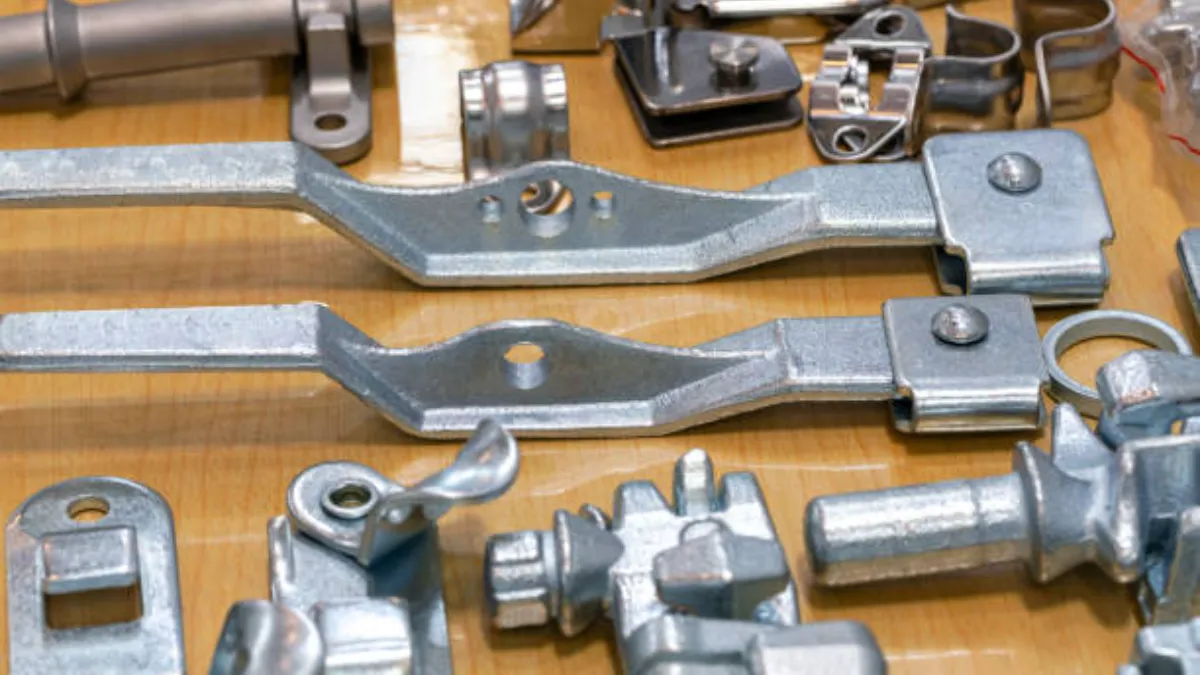
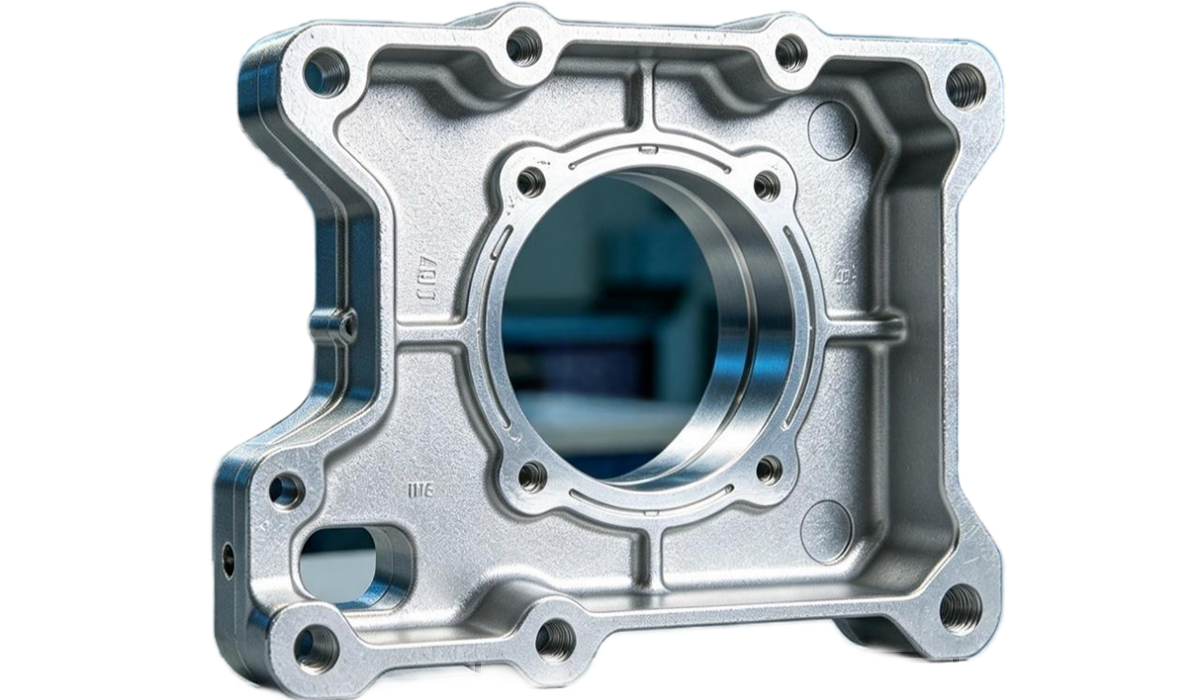
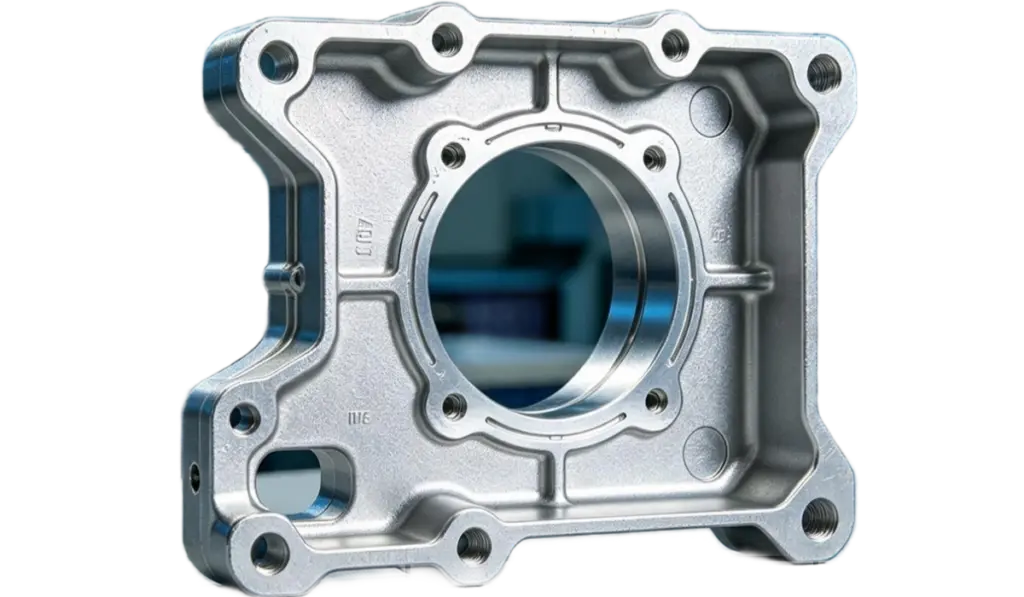
ADC12 aluminum die casting components

What “良い” Means in an Aluminum Die Casting Alloy

Every alloy selection is a trade among four questions. Can the alloy fill the mold completely (キャスタビリティ)? Will the finished part survive its mechanical loads (強さ)? Will it move heat where it needs to go (熱伝導率)? And can the whole package be produced at a unit cost your market accepts?

High-pressure die casting favors alloys with high silicon content, because silicon lowers the melting range and improves flow into thin walls. That same silicon, dissolved in the aluminum matrix, scatters heat-carrying electrons and reduces thermal conductivity. The practical consequence: the easiest alloys to cast are rarely the best heat conductors, and understanding where your application sits on that spectrum is the core of selection.

For a broader tour of the alloy families covered in this guide, 私たちのを参照してください overview of ADC12, A380, A360, and ENAC series alloys.

熱伝導率: Moving Heat Out of the Casting

Thermal conductivity decides how quickly heat leaves an LED driver, a motor housing, or a battery plate. Among common casting alloys, conductivity falls as silicon and copper rise. A360, with roughly 9–10% silicon and minimal copper, conducts approximately 110–115 W/分·K in the as-cast state. ADC12 and A380, with more copper and broader impurity windows, sit lower, near 90–100 W/分·K.

Specialty low-silicon casting alloys move the ceiling much higher. Alloys such as AlSi10Mg (with controlled impurities) reach roughly 150 W/分·K, and dedicated high-conductivity die casting grades such as AlSi8, LHB1, and HA7-S can approach 200 W/分·K in production. Those grades matter most in LED luminaire housings and EV thermal plates, where every extra watt of conduction reduces junction temperature and extends service life.

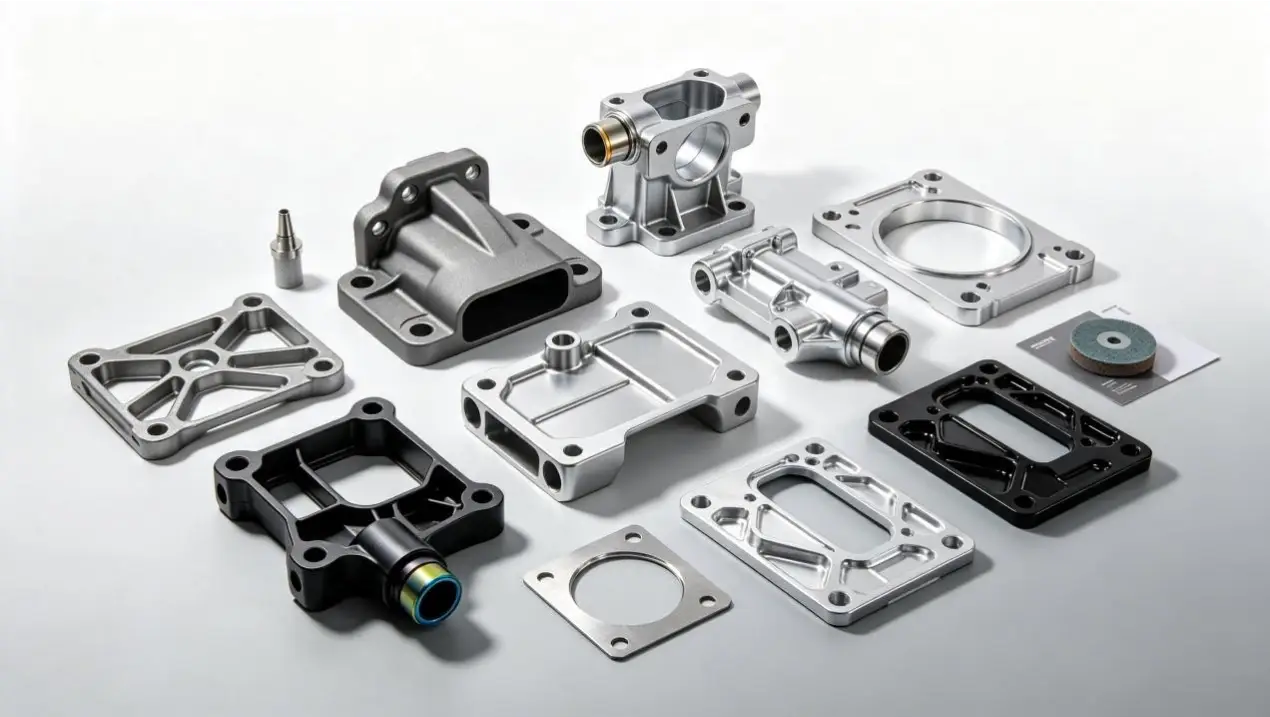
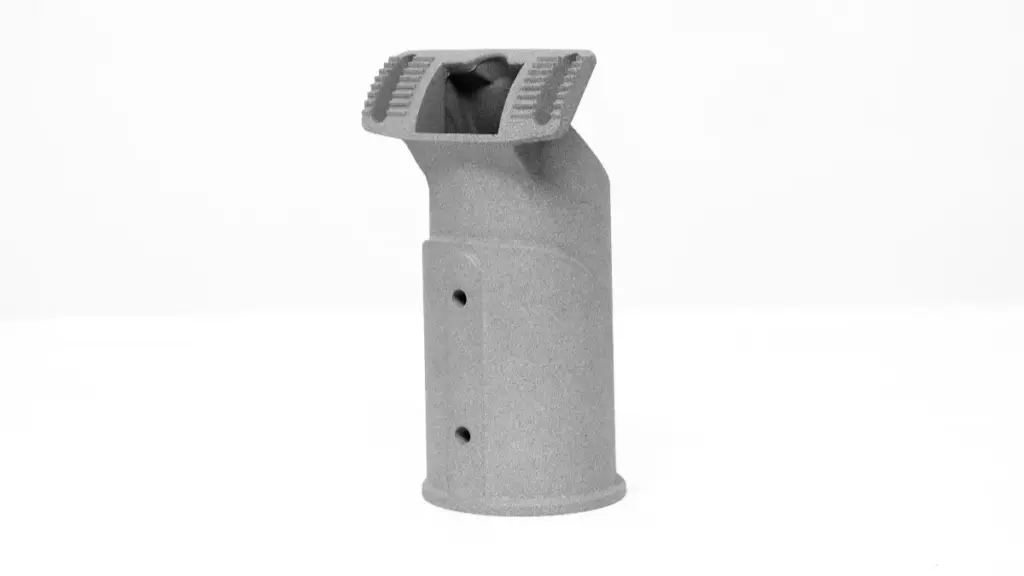
AlSi10Mg material properties chart for high conductivity castings

機械的強度: A380, ADC12 and A360 Compared

On strength, the mainstream alloys are closer than marketing literature suggests. Typical as-cast tensile strength lands around 300–330 MPa for ADC12, A380, and A360 alike, with yield strengths in the 150–170 MPa band. Elongation stays in low single digits for all silicon-rich casting alloys, so parts should be designed to carry loads in compression and shear rather than relying on ductility.

The differences that do matter are second-order. A380 offers a good balance of strength and gap-filling ability, which is why it remains the default general-purpose alloy in North American specifications. A360 provides slightly better ductility and the best corrosion resistance of the group, which suits hydraulic and fluid-contact parts. ADC12 delivers strength at the lowest melt cost, which explains its dominance in Asian supply chains and high-volume consumer and telecom hardware.

Where a project needs genuinely higher strength, the answer is usually not a different casting alloy but added ribs, local thickening, or post-casting machining to critical dimensions. 私たちの quality control process verifies final dimensions on CMM equipment so those design allowances hold in production.

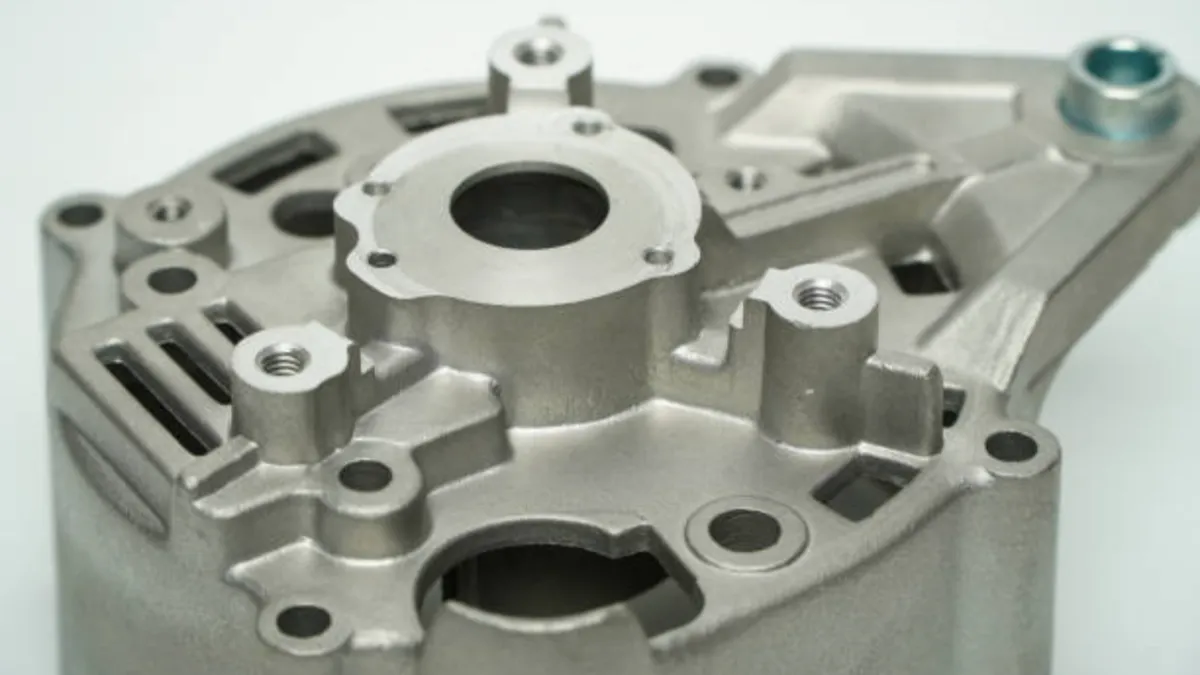
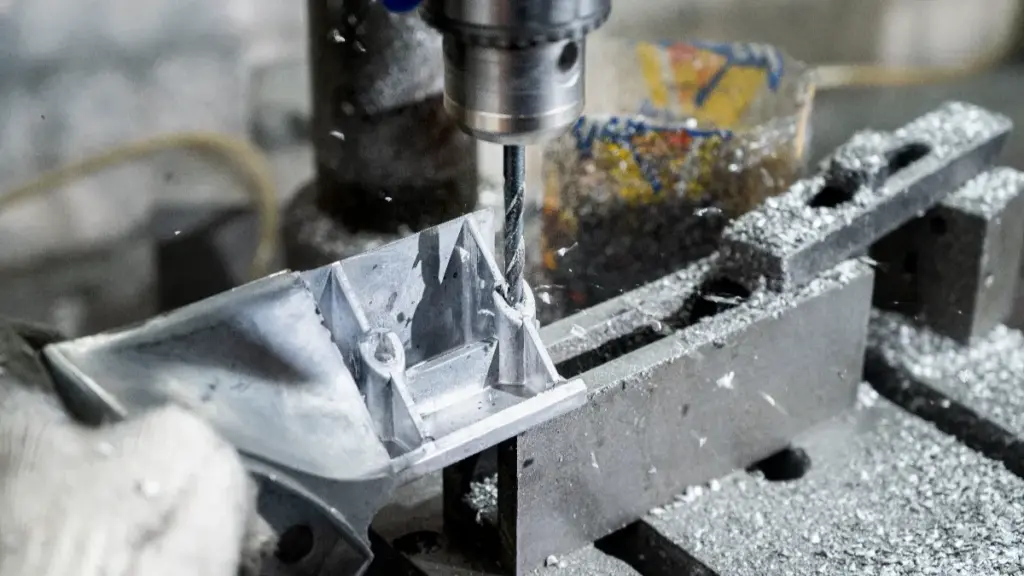
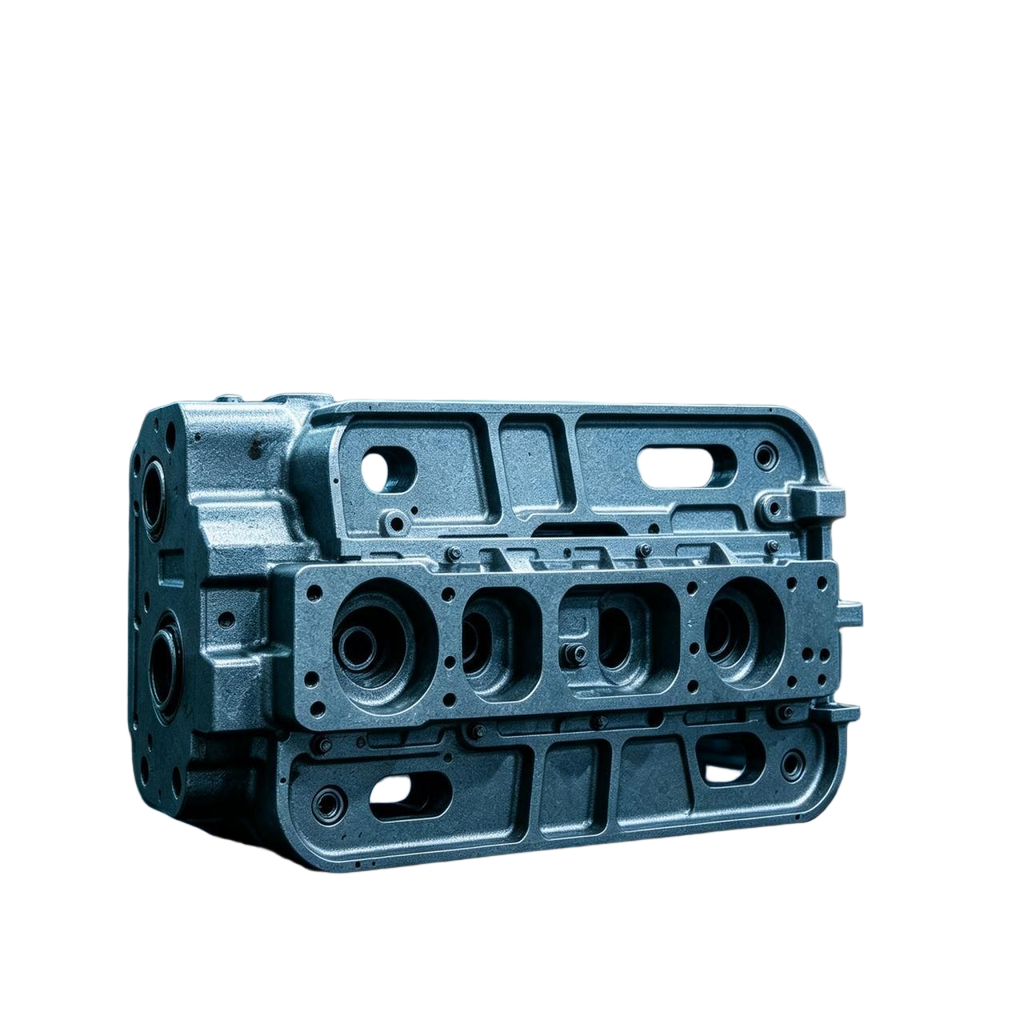
Precision machined aluminum die casting parts with tight tolerances

キャスタビリティ: Why Silicon Content Drives the Process

Castability is the quiet factor that decides whether a design can be produced at all. Silicon content above roughly 9% sharpens fluidity, reduces hot-tearing tendency, and shrinks the solidification range, all of which allow thinner walls, longer cores, and fewer porosity rejects. This is why ADC12 (9.6–12.0% そして) and A413-family alloys fill complex LED housing geometries that low-silicon alloys cannot.

Copper improves strength and machinability but widens the freezing range and raises hot-tearing risk, so it is kept moderate in casting grades. Iron must be controlled in a narrow window: enough to resist die soldering, but not so much that it forms brittle platelets that cut fatigue life. These chemistry windows are why a supplier’s melt discipline, not just the nominal alloy name, determines the consistency of what you receive.

Where 6061 Fitsand Where It Doesn’t

6061 is the alloy most engineers know best, and its thermal conductivity of roughly 167 W/分·K (T6 焼き戻し) sets a familiar benchmark. それは, しかし, a wrought alloy. It cannot be high-pressure die cast: its solidification range causes hot tearing, and its fluidity will not fill thin walls. When a 6061 property set is required, the manufacturing routes are extrusion plus machining, or specialized processes such as squeeze casting.

実際に, many teams specify 6061 out of habit when a die casting alloy would serve better. If the geometry is complex, the walls are thinner than 3 んん, or the annual volume exceeds a few thousand pieces, a casting alloy such as A360 or a high-conductivity casting grade typically reaches the thermal target at a lower piece cost. 私たちの full capability list covers both routes, so the process is chosen for the part rather than the other way around.

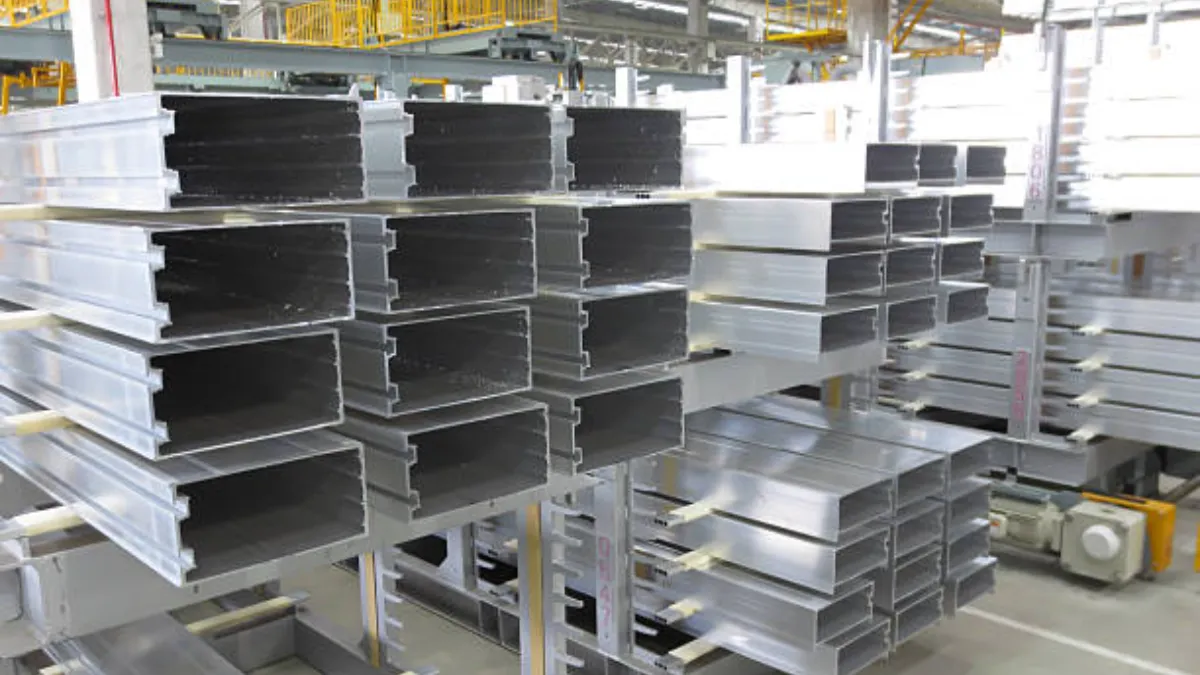
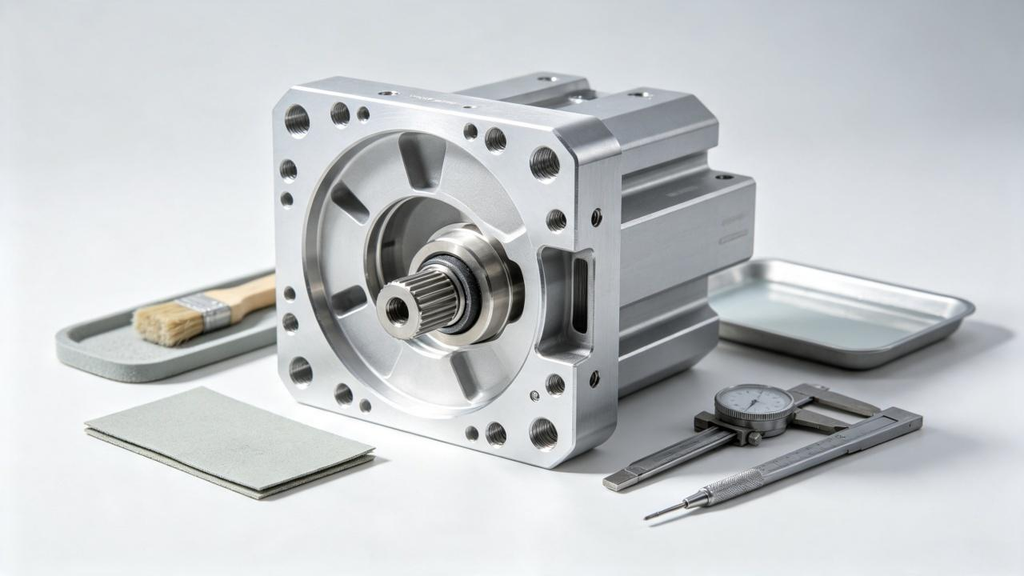
6061 aluminum alloy billet compared with die casting alloys

Alloy Selection Matrix for Common Applications

The table below condenses the trade-offs into a first-pass shortlist. Values are typical as-cast ranges; exact figures vary by heat and specification, and we confirm them with spectrometer analysis on every melt.

合金 Key Elements 熱伝導率 (約。) 抗張力 (約。) キャスタビリティ 一般的な使用方法
ADC12 Si 9.6–12.0%, Cu 1.5–3.5% ~90–100 W/分·K ~310–330 MPa 素晴らしい Consumer, 電気通信, general housings
A380 Si 7.5–9.5%, Cu 3.0–4.0% ~96–110 W/分·K ~320–330 MPa とても良い General purpose, 括弧, カバー
A360 Si 9.0–10.0%, 銅 ≤0.6% ~110–115 W/分·K ~310–320 MPa とても良い Fluid parts, corrosion-exposed housings
AlSi10Mg Si 9.0–10.0%, Mg 0.2–0.45% ~150 W/m·K ~260–300 MPa 良い (tight chemistry control) LEDドライバー, サーマルプレート
6061-T6 (wrought) Si 0.4–0.8%, Mg 0.8–1.2% ~167 W/m·K ~310MPa Not die castable Extrusions, machined blocks

Use it as a filter, not a verdict: the right answer depends on wall thickness, sealing requirements, and annual volume, which is exactly what a DFM review is for.

How We Support Alloy Decisions: DFM to Delivery

Alloy selection fails most often in the gap between drawing and die. We close that gap with a DFM review before tooling starts: our engineers check wall transitions, 下書き, and fill sequence in Cast-Designer flow simulation, and flag cold-shut or shrink risks tied to the candidate alloy. For teams new to casting, that review happens alongside your development cycle rather than after it.

In production, melt discipline protects the properties you selected for. Our foundry runs a central melting and refining furnace, checks chemistry with a direct-reading spectrometer, verifies melt hydrogen with a density test, and repeats process chemistry checks every two hours. Raw material test reports ship with parts at no charge, so your incoming inspection can verify conductivity-relevant chemistry against the spec.

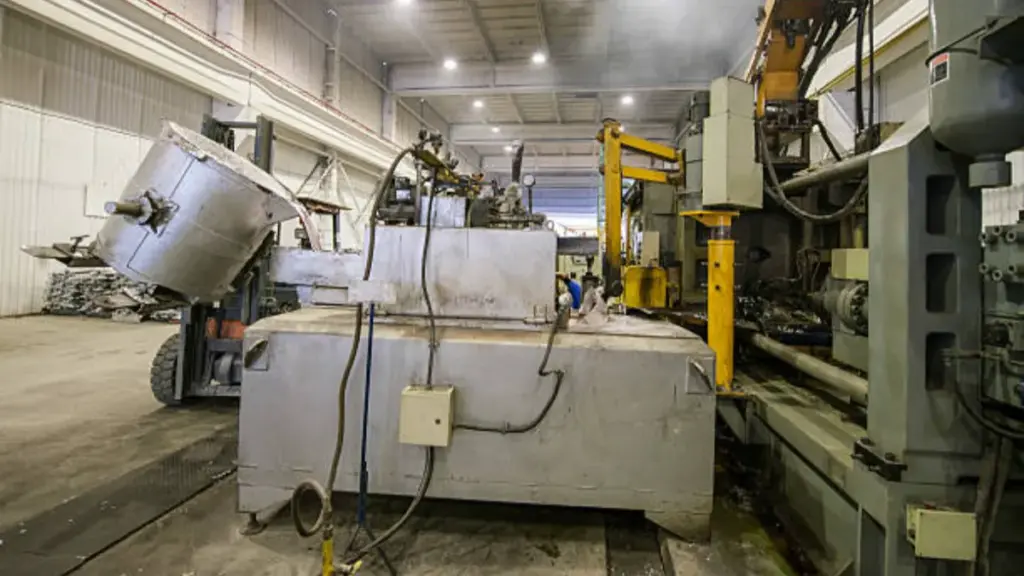
Aluminum die casting production with a cold chamber machine

If you are weighing two alloys for a new housing or thermal plate, send us the drawing. A short DFM exchange, including a candid recommendation on where a cheaper alloy would quietly cost you more, is part of requesting a quote from our engineering team.

よくある質問

Which aluminum die casting alloy has the best thermal conductivity?

Among mainstream grades, A360 leads at roughly 110–115 W/分·K, with ADC12 and A380 near 90–100 W/分·K. For applications that need more, specialty low-silicon casting grades such as AlSi10Mg (~150 W/m·K) and dedicated high-conductivity alloys like AlSi8, LHB1, とHA7-S (最大 ~200 W/m·K) are die-castable options that approach wrought-alloy performance.

Is ADC12 stronger than A380?

They are nearly equivalent in typical as-cast strength (both roughly 310–330 MPa tensile). ADC12 usually edges slightly ahead in hardness, while A380 holds a small advantage in elongation and gap-filling. The practical choice usually follows the specification system your customer audits against: ASTM/ASTM-derived projects default to A380, and JIS-derived projects default to ADC12.

Can you die cast 6061 アルミニウム?

いいえ. 6061 is a wrought alloy whose wide solidification range causes hot tearing and poor die filling in the high-pressure die casting process. If you need 6061-level conductivity or strength, the realistic routes are extrusion plus machining, squeeze casting, or a high-conductivity die casting alloy engineered to reach similar thermal performance with complex geometry.

How should I balance conductivity, 強さ, and castability?

Start from the failure mode that matters most: if the part overheats, prioritize conductivity and accept design changes that restore strength (肋骨, フィレ, local thickening); if the part carries load, pick a proven structural grade and solve heat with geometry such as fins. Then check the geometry against castability limits before freezing the designa DFM review with your casting partner catches conflicts while they are still cheap to fix.

共有:

サイモン・フー

私はビアン・ダイキャストの創設者です, 高性能金型と高品質アルミダイカスト部品の両方に特化した精密ダイカストソリューションプロバイダー. オーバーで 100 成功したプロジェクトを世界中に配信 15+ 国, 金型の設計と最適化から大規模な鋳造生産に至るまで、バリューチェーン全体にわたって深い専門知識をもたらします。. 今日, 私たちは誇りを持って中国のトップ企業への戦略的サプライヤーとしての役割を果たします 5 EVブランド, DC/DCC/OBC/PTC/EVCCコンバータハウジングや構造部品などの重要なダイカスト部品の製造. 工場のスマート化に役立つ実践的な洞察を共有します, より確実な調達決定 - カスタム金型が必要か、すぐに取り付けられる鋳物が必要か. 次のプロジェクトには専門家の製造サポートが必要です? 話しましょう.

私達にメッセージを送ります

目次

ワッツアップ
×