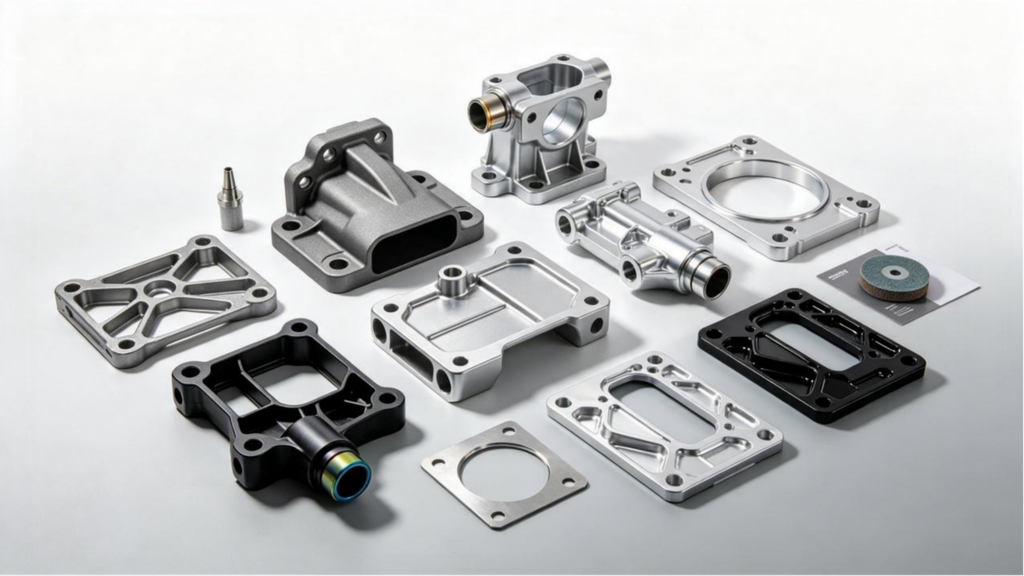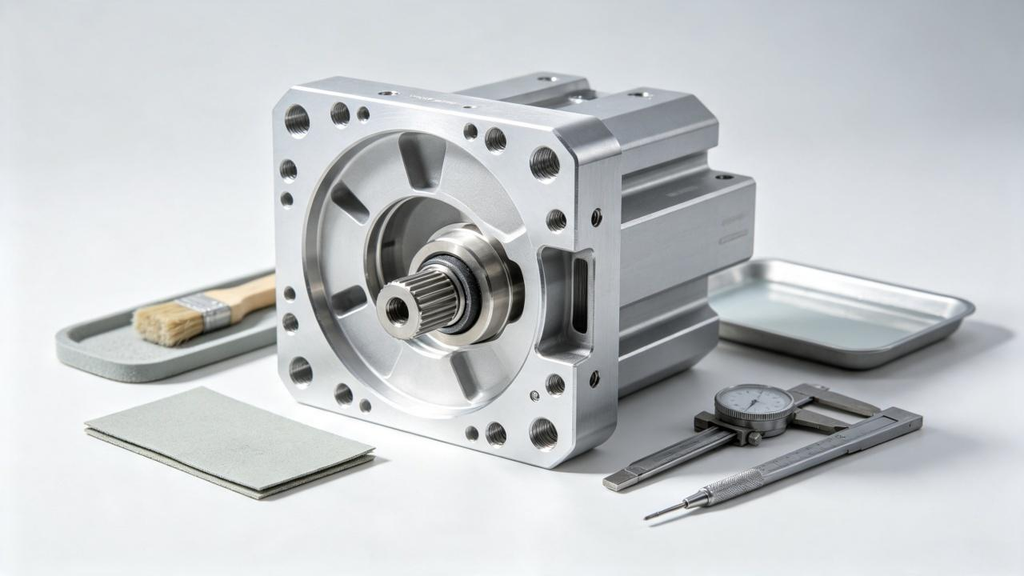
Die Auswahl eines Aluminium-Druckgusslieferanten allein aufgrund des Preises ist der teuerste Fehler, den ein Einkaufsteam machen kann. Das Zitat ist ein Versprechen; Beim Audit erfahren Sie, ob die Fabrik dahinter dieses Versprechen halten kann. Die gute Nachricht ist, dass Sie kein Qualitätsingenieur sein müssen, um eine seriöse Gießerei mit einer Broschüre von einem Handelsbüro zu trennen — Sie brauchen eine strukturierte Checkliste und die Disziplin, nach Beweisen statt nach Zusicherungen zu fragen. Diese 12-Punkte-Checkliste basiert auf unseren eigenen Fragen Lieferant von Aluminium-Druckguss Audits-Antwort, und es funktioniert sowohl als Schreibtisch-Audit-Skript als auch als Walk-Through-Agenda vor Ort.
Die 12-Punkte-Audit-Checkliste im Überblick
Drucken Sie diese Tabelle aus und bewerten Sie jedes Element 0 Zu 2 während des Besuchs. Alles, was mit Null bewertet wird, führt nicht automatisch zur Disqualifikation, aber zwei oder mehr Nullen in den Prozesskontrollzeilen sollten Ihre Beschaffungsentscheidung ändern.
| # | Was zu überprüfen ist | Wie gut aussieht |
|---|---|---|
| 1 | Zertifizierungsumfang | IATF 16949 oder ISO 9001 wobei Druckguss ausdrücklich im Geltungsbereich liegt |
| 2 | Materialrückverfolgbarkeit | Hitze- und Parzellenrekorde; Rohstoffprüfberichte, die mit den Lieferungen ausgestellt werden |
| 3 | Schmelzpraxis | Zentraler Schmelzofen mit hauseigener Veredelung des Rückmaterials |
| 4 | Qualitätskontrollen der Schmelze | Die Zusammensetzung des Spektrometers wird alle paar Stunden überprüft; Wasserstoffdichteprüfung |
| 5 | Werkzeugfähigkeit | Eigenentworfene und geschnittene Formen; Strömungssimulation vor dem Schneiden von Stahl |
| 6 | DFM-Engagement | Feedback zu Entformungsschrägen, Wandstärke und porösitätskritische Merkmale bereits im Angebotsstadium |
| 7 | Maschinenpark-Match | Tonnagebereich, der Ihr Teil abdeckt; Kühlkammer für Strukturaluminium, Wärmekammer für kleine, komplizierte Teile |
| 8 | Prozessüberwachung | Überwachung der Schussparameter und MES-Aufzeichnungen für jeden Schuss |
| 9 | Inspektionsausrüstung | Röntgen, CMM, Dichtheitsprüfung, Salzsprühnebel, Metallographie und Sauberkeitsextraktion vor Ort |
| 10 | Teilerückverfolgbarkeit | Lasermarkierte Codes auf Teilen, die mit Produktionsaufzeichnungen verknüpft sind |
| 11 | Sekundäroperationen | CNC-Bearbeitung, Schweißen und Endbearbeitung unter einem Dach |
| 12 | Kommerzielle Transparenz | Aufgeschlüsselte Angebote, klare Eigentumsbedingungen für Werkzeuge, realistische Mindestbestellmengen |
Zertifikate und Materialrückverfolgbarkeit (Punkte 1–2)
Beginnen Sie mit Papier, weil Papier günstig zu fälschen und leicht zu überprüfen ist. Fordern Sie die Kopie des Zertifikats an, nicht das Logo: Vergleichen Sie die Zertifikatsnummer mit der Datenbank der ausstellenden Stelle, und lesen Sie die Scope-Zeile — Ein Betrieb, der nur für die Montage zertifiziert ist, sollte Ihre Strukturteile nicht gießen. IATF 16949 auch außerhalb der Automobilbranche von Bedeutung, weil die Prüfungsdisziplin dahinter steckt (Prozessansatz, Fehlersicherung, vielschichtige Rezensionen) lässt sich direkt auf jede anspruchsvolle Anwendung übertragen; ISO 9001:2015 ist der akzeptable Boden, und Erfahrung mit der CE- oder UL-Kennzeichnung ist für Teile wichtig, die auf regulierte Endmärkte gelangen müssen.
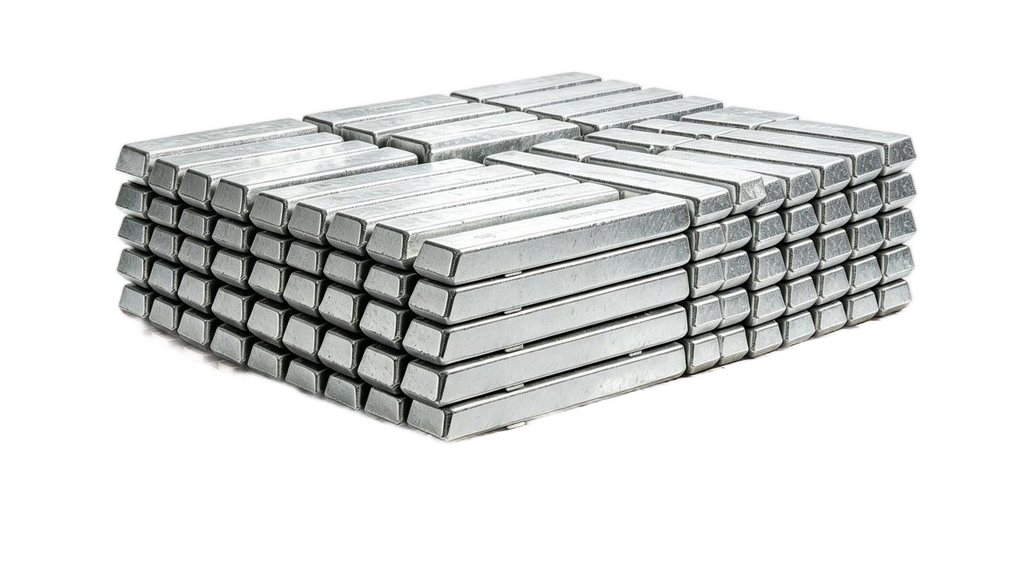
Verfolgen Sie dann das Metall selbst. Eine Gießerei, die nicht nachweisen kann, woher ein Barren stammt, kann nicht nachweisen, woraus Ihr Teil besteht. Fragen Sie nach einem Rohmaterial-Testbericht und den Hitzeaufzeichnungen, die eine Verbindung zwischen einer Schmelzcharge und den daraus gegossenen Schroten herstellen. Wir stellen zu jeder Lieferung einen kostenlosen Materialtestbericht aus, denn Käufer sollten sich nicht auf Chemie verlassen müssen — und wenn ein potenzieller Lieferant diese Anfrage als ungewöhnlich behandelt, das sind Prüfdaten.
Schmelzen und Schmelzkontrolle (Punkte 3–4)
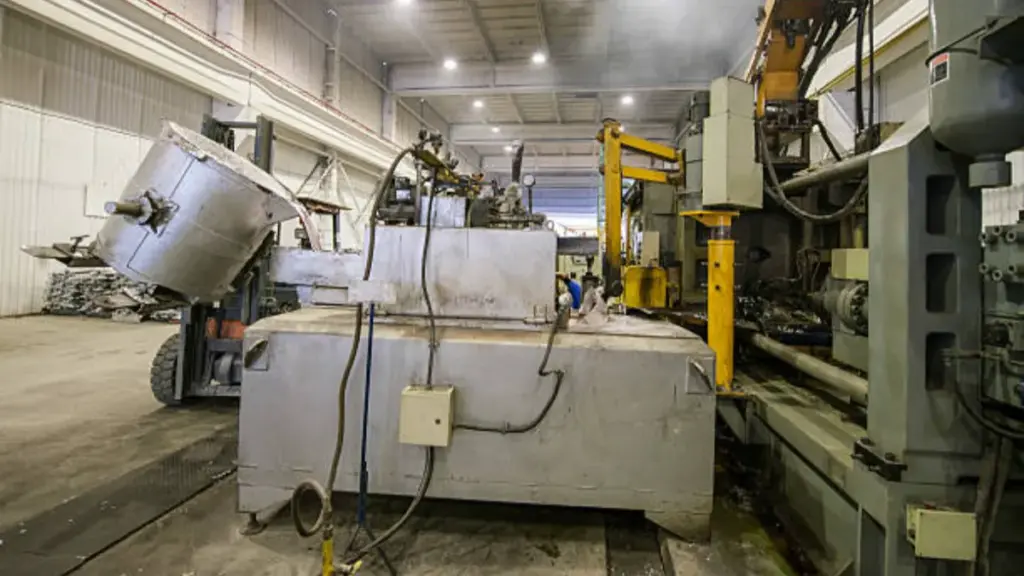
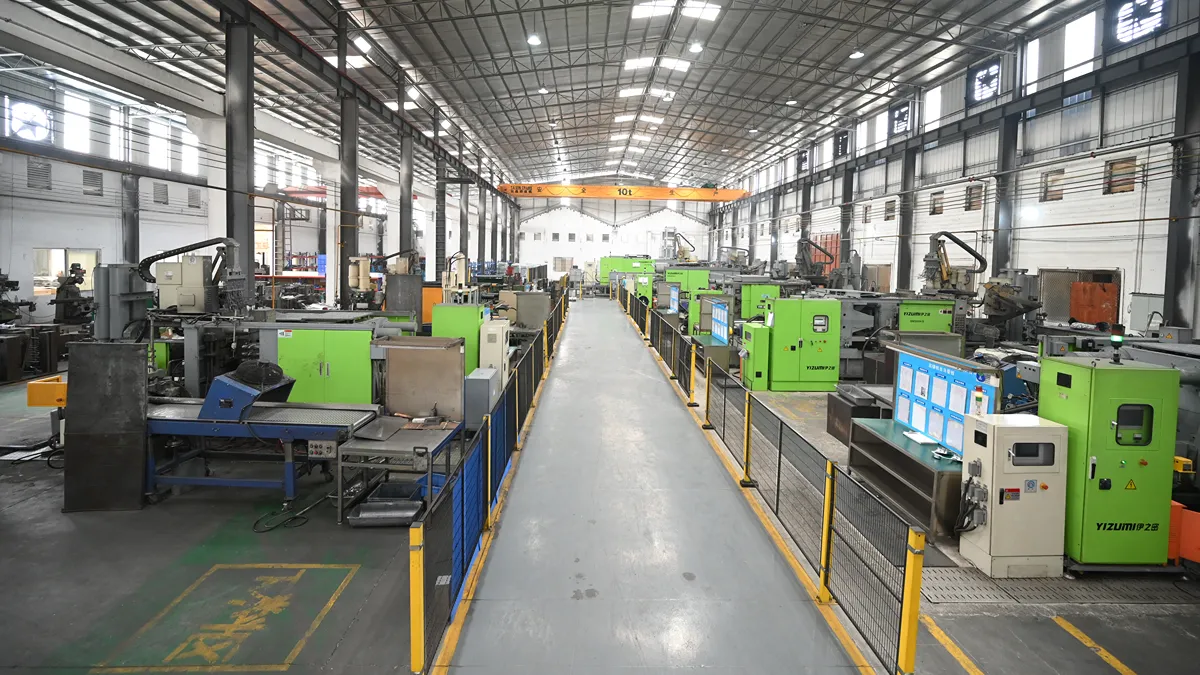
Porosität, Einschlüsse und inkonsistente mechanische Eigenschaften entstehen am Ofen, lange bevor sich eine Form schließt. Auf dem Rundgang, Suchen Sie nach einer zentralen Schmelz- und Warmhalteanlage statt einer Reihe kleiner Tiegel, und fragen Sie, wie viel Prozent des Rücksendematerials — Läufer, Überlauf, Ausschuss — wieder eingeschmolzen wird und wie es raffiniert wird, bevor es wieder in die Produktion geht. Kontrolliertes Recycling senkt Kosten und Abfall; nachlässig gemacht, es degradiert stillschweigend jeden Teil stromabwärts.
Fragen Sie, wie oft die Schmelzchemie gemessen wird. Eine direkt ablesbare Spektrometerprobenahme alle zwei Stunden, wie es in unserer Schmelzerei praktiziert wird, fängt Treibgut auf, bevor es zu Schrott wird; Eine wöchentliche Kontrolle bringt nichts. Wasserstoff ist der andere stille Killer — gelöstes Gas, das beim Erstarren in Porosität übergeht — Fragen Sie also nach, welche Dichte- oder Unterdruckprüfung sie durchführen und wie oft. Ein Lieferant, der beide Fragen ohne Rücksprache mit irgendjemandem beantworten kann, zeigt Ihnen einen lebendigen Prozess, keine bemalte Wand.
Werkzeug- und Engineering-Engagement (Punkte 5–6)
Die Form ist der Ort, an dem Qualität entworfen oder erhofft wird. Finden Sie heraus, ob der Lieferant die Formen selbst entwirft und schneidet oder sie an Subunternehmer vergeben lässt, denn hausinterne Werkzeuge verkürzen die Korrekturschleife, wenn ein Gussstück Lötstellen oder Maßabweichungen aufweist. Fragen Sie nach Simulationsarbeiten: moderne Strömungs- und Erstarrungsanalyse, laufen, bevor der Stahl geschnitten wird, sagt Füllmuster voraus, Lufteinschlüsse und Verfestigungs-Hotspots, während Änderungen immer noch kostenlos sind. Unser Werkzeugbau bearbeitet den Formstahl nach der Strömungssimulation von Cast-Designer im eigenen Haus, und diese Kombination ist ein fairer Maßstab für jeden Lieferanten, der komplexe Teile anbietet.
Ebenso aufschlussreich ist das Verhalten des Lieferanten in der Angebotsphase. Ein seriöses Ingenieurteam lehnt Ihre Zeichnung ab — Entformungswinkel, die das Auswerfen verhindern, Wandstärken, die ein Sinken garantieren, ein Vorsprung, der dort positioniert ist, wo bei der Bearbeitung Porosität auftritt. Dieses DFM-Feedback, geliefert, bevor Sie sich verpflichten, ist mehr als einen Randpunkt vom Angebot wert, und sein Fehlen ist ein Warnsignal, das die Fabrik zuerst aussenden und später argumentieren will.
Maschinenpark, Prozessüberwachung und Rückverfolgbarkeit (Punkte 7–8)
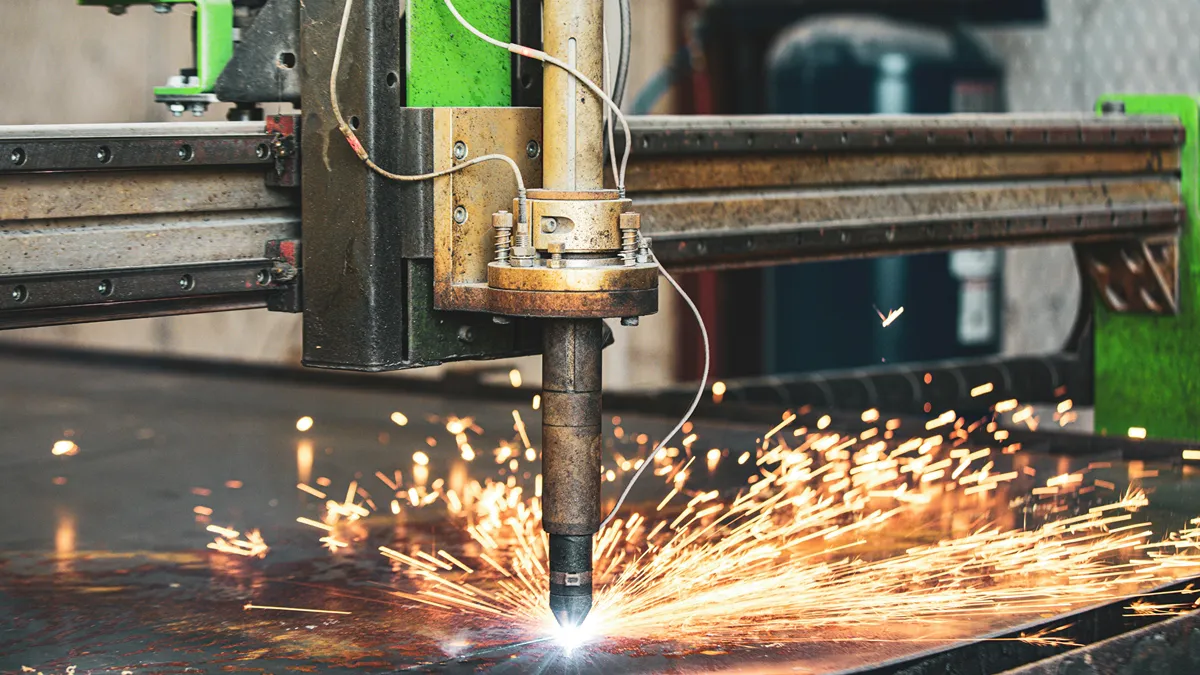
Passen Sie den Maschinenpark an Ihr Teil an, nicht zur Broschüre. Ein Lieferant, dessen Kühlkammerflotte etwa eine Spanne umfasst 160 Zu 1250 Tonnen können alles von kleinen Halterungen bis hin zu großen Strukturgehäusen ohne Dehnung gießen; Heißkammermaschinen dienen kleinen Mengen, kompliziert, Großserienteile; Die Magnesiumfähigkeit ist für gewichtskritische Programme wichtig. Fragen Sie nach der für Ihr Teil vorgesehenen Maschine und ihrem Zustand — Holmbeanspruchung, Der Plattenverschleiß und die Wartung des Schusssystems verraten Ihnen mehr als nur das auf dem Typenschild angegebene Jahr.
Dann fragen Sie, was die Maschinen aufzeichnen. Moderne Zellen protokollieren Schusskurven — Einspritzgeschwindigkeit, Verstärkungsdruck, Metalltemperatur — für jeden Schuss, und ein prozessorientierter Lieferant überprüft diese Kurven, anstatt bei der Endkontrolle Probleme zu entdecken. Rückverfolgbarkeit schließt den Kreis: Teile, die mit Codes lasermarkiert sind, die mit dem MES-Datensatz verknüpft sind, ermöglichen es jedem von Ihnen, sie zu rekonstruieren, Jahre später, genau welche Maschine, welche Schmelze und welche Schicht ein bestimmtes Teil erzeugte. Ohne diese Kette, Eine Feldbeschwerde wird zu einem unbeantwortbaren Argument; unser Druckgussfähigkeit Seite listet die Flotte hinter dieser Disziplin auf.
Das Inspektionslabor und Teilebeweis (Punkte 9–10)
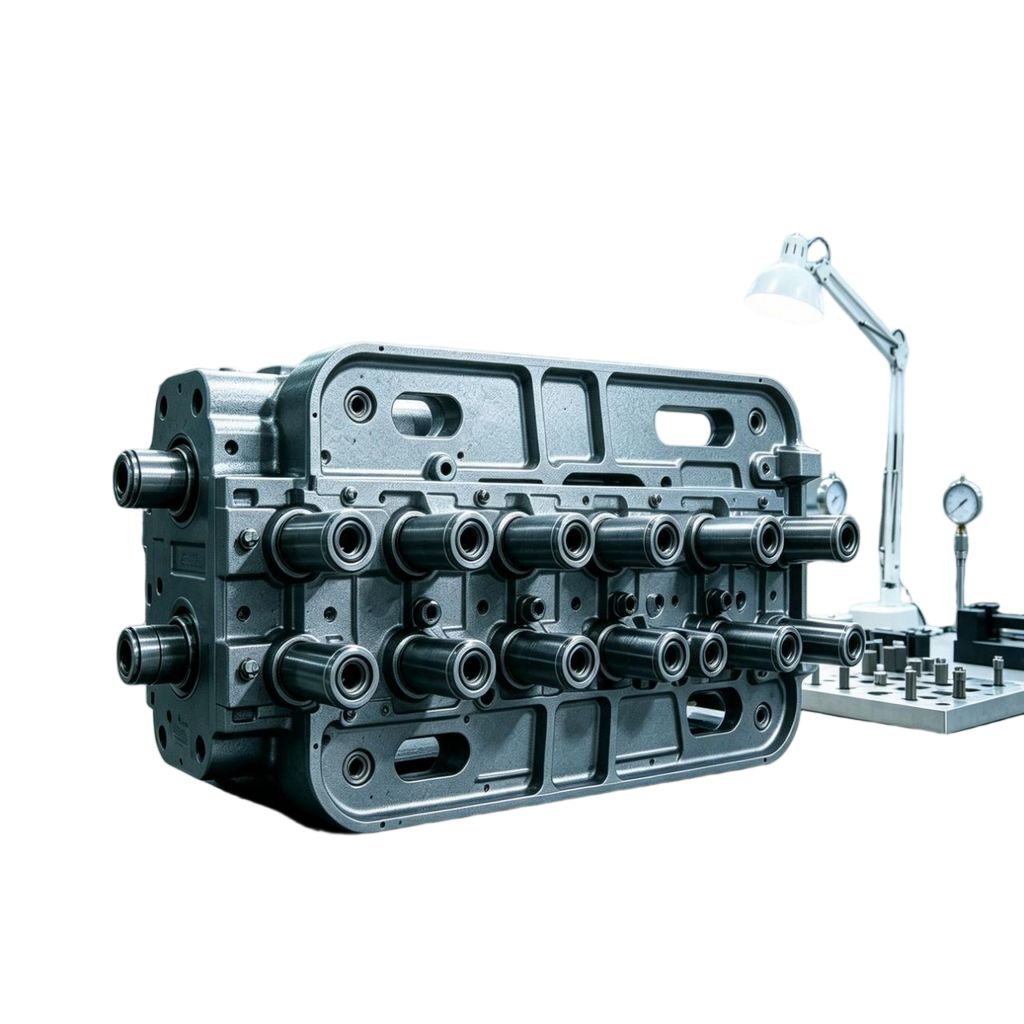
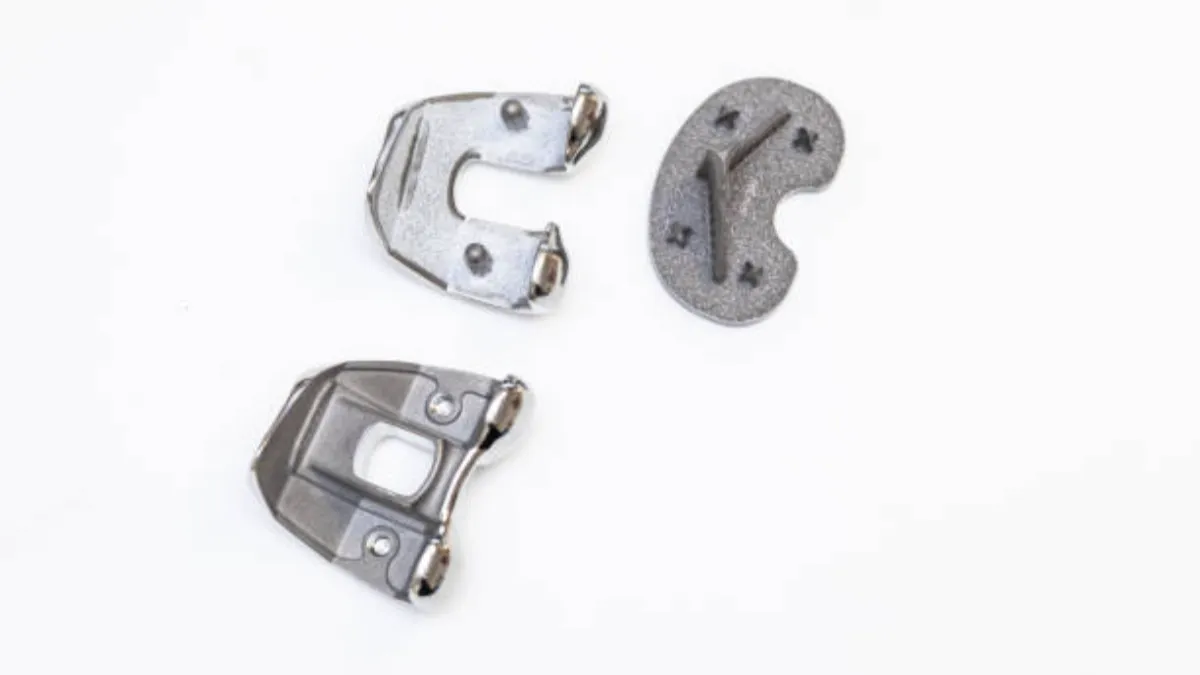
Ein Inspektionslabor ist das schnellste ehrliche Interview, das Sie mit einer Fabrik führen können. Gehen Sie diesen Schritt und suchen Sie nach Instrumenten, die zu Ihrem Risikoprofil passen: Röntgen auf innere Porosität, ein KMG für dimensionale Wahrheit, Dichtheitsprüfung für Dichtungsteile, Salzsprühkabinen für Korrosionsanforderungen, Metallographie für Mikrostruktur, und Sauberkeitsextraktion, wenn es um Kraftstoff- oder Flüssigkeitssysteme geht. Durch Subunternehmer vergebene Tests führen nicht zur Disqualifikation, Aber die Fähigkeit vor Ort verändert die Häufigkeit, mit der Tests tatsächlich durchgeführt werden — Die Labore am Ende des Korridors gewöhnen sich daran; Labore in der ganzen Stadt werden übersprungen.
Bitten Sie um Einsicht in Prüfprotokolle für ein Teil mit ähnlicher Komplexität wie Ihres — ein dünnwandiges Sicherheitsgehäuse mit Verzahnung, Zum Beispiel, verlangt weit mehr als eine dicke unkritische Halterung. Sie suchen Erstmusterprüfberichte, Kontrollpläne, die sich auf reale Instrumente beziehen, und Kalibrierungsaufkleber mit Datum. Ein Zulieferer, der Sicherheitsteile für die Automobilindustrie mit diesem Dokumentationsgrad liefert, wird keine Schwierigkeiten haben, Ihre Industriekomponente zu kontrollieren; Der umgekehrte Handel funktioniert nie. Schauen Sie sich genauer an, wie diese Instrumente organisiert sind, Überprüfen Sie die des Lieferanten Qualitätskontrolle System vor dem Besuch.
Sekundäre Operationen unter einem Dach (Punkt 11)
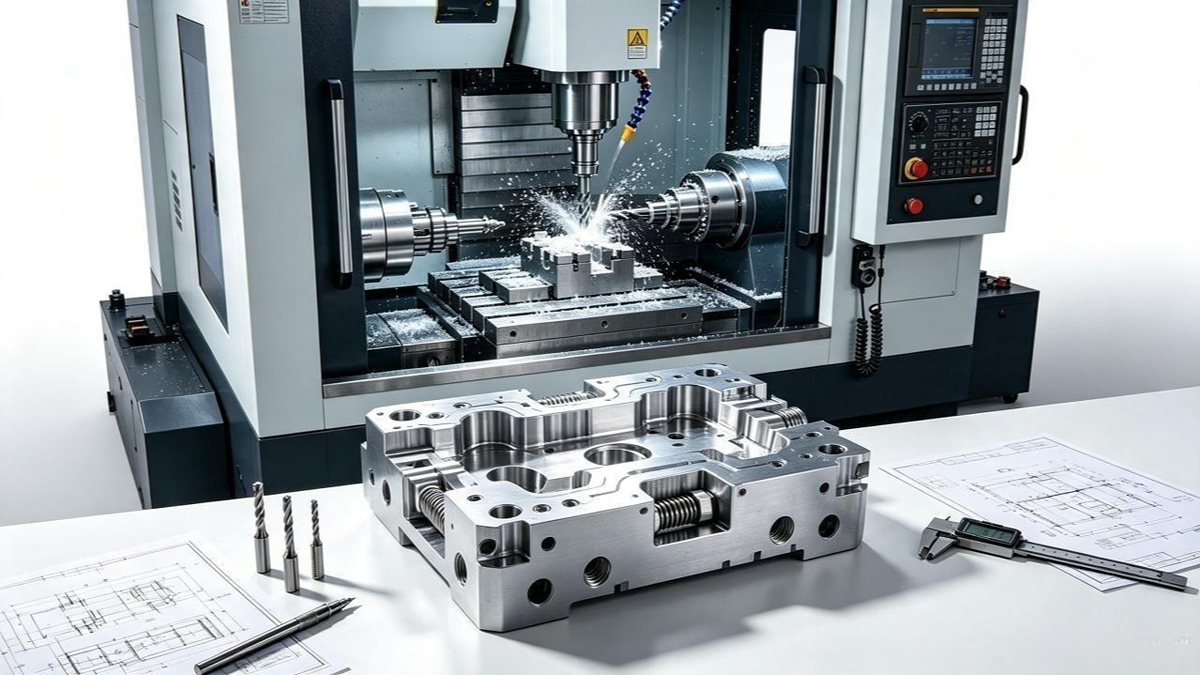
Jede Übergabe zwischen Anbietern ist eine neue Chance, etwas zu verdienen, Rost, oder die Toleranz verlieren. Prüfen Sie, was der Lieferant intern erledigt: CNC-Bearbeitungstiefe (Wie viele 3-, 4- und 5-Achsen-Zentren, und mit welcher Toleranz), Auslaufsicheres Schweißen wie Reibrührschweißen für große Batterie- oder Kühlgehäuse, und Oberflächenveredelung. Eine Werkstatt mit zwanzig CNC-Zentren, die Toleranzen im Hundertstel-Millimeter-Bereich einhalten, mit Reibrührschweißzellen neben der Gießlinie, können den Kreislauf vom Barren bis zum fertigen Gehäuse schließen, ohne dass Ihre Teile die Stadt durchqueren müssen — Und Ihre Qualitätsvereinbarung mit einer Partei statt mit drei ist allein bei der Streitvermeidung echtes Geld wert.
Kommerzielle Transparenz und Warnsignale (Punkt 12)
Der letzte Punkt betrifft das Verhalten des Lieferanten, wenn es um Geld geht. Ein detailliertes Angebot — Metall, Werkzeuge, Konvertierung, Abschluss — lädt zur Ingenieurpartnerschaft ein; Eine einzelne Nummer lädt vierteljährlich zu Neuverhandlungen ein. In den Werkzeugbedingungen sollte klar angegeben sein, wem die Matrize gehört und was damit passiert, wenn die Auflage endet. Realistische MOQ-Stufen signalisieren eine Fabrik, die an Käufer unterschiedlicher Größe und nicht an eine flache Barriere gedacht hat; Zitieren Sie die Wende im Inneren 24 Stunden signalisieren eine Organisation, in der Vertrieb und Technik tatsächlich zusammenarbeiten.
Behandeln Sie diese als Warnsignale, keine Disqualifizierer: Weigerung, die Legierungsquelle zu nennen, Keine Rückverfolgbarkeitskennzeichnung um jeden Preis, Inspektionsausrüstung, die Sie nicht sehen dürfen, Zertifikate, deren Geltungsbereich das Gießen ausschließt, und ein Angebot, das unglaublich schnell eintrifft, ohne dass Zeichnungsfragen gestellt werden müssen. Eines davon verdient einen zweiten Besuch; Drei verdienen einen anderen Lieferanten. Wenn Sie diese Checkliste lieber an jemanden weitergeben möchten, der darin bereits gute Ergebnisse erzielt hat?, Senden Sie Ihre Zeichnung über unser Angebotsanfrage und wir senden Ihnen ein detailliertes Angebot mit den Audit-Antworten im Anhang zurück.
FAQ
Ist IATF 16949 notwendig, wenn ich keine Autoteile kaufe?
Nicht unbedingt, aber es ist das stärkste verfügbare Einzelsignal. IATF 16949 Die Zertifizierung zwingt ein Druckgusswerk dazu, Prozessaudits durchzuführen, Fehlersicherung und mehrschichtige Überprüfungen dieser ISO 9001 allein verlangt nicht. Käufer außerhalb des Automobilbereichs profitieren von dieser Disziplin kostenlos, Aus diesem Grund betrachten es viele industrielle Einkäufer eher als bevorzugtes Pluskriterium denn als Anforderung.
Kann ich einen Aluminium-Druckgusslieferanten aus der Ferne auditieren??
Ja, in zwei Etappen. Ein Desk-Audit umfasst Zertifikate mit Umfangsüberprüfung, das Qualitätshandbuch, Mustermaterialtestberichte, ein Beispiel für eine Erstmusterprüfung und ein Live-Video-Rundgang durch das Schmelzen, Guss und das Prüflabor. Reservieren Sie das Vor-Ort-Audit für großvolumige oder sicherheitskritische Programme, oder lösen Sie es aus, wenn eine Desk-Audit-Antwort langsam eintrifft oder Inkonsistenzen aufweist.
Welche Unterlagen sollte ich vor dem Audit anfordern??
Fragen Sie nach: Beglaubigungskopien mit sichtbarer Geltungsbereichslinie; B. das Qualitätshandbuch oder das Prozessablaufdiagramm; ein Muster-Rohstoff-Testbericht; ein Muster-Erstmusterprüf- und Kontrollplan; den Kalibrierungsplan für Schlüsselinstrumente; und das Organigramm des Qualitätsteams. Langsame oder unvollständige Antworten auf diese Liste sind selbst Prüfungsfeststellungen — Sie zeigen, wie sich der Lieferant verhält, nachdem Sie den Auftrag vergeben haben.
Wird mir ein gut geprüfter Lieferant tatsächlich einen niedrigeren Preis anbieten??
Oft ja, wenn auch selten auf der ersten Seite. Eine starke Schmelzekontrolle und Prozessüberwachung erhöhen die Ausbeute im ersten Durchgang, und die Ausschusszulage ist in jedem Angebot enthalten. Stabile Qualität eliminiert auch versteckte Kosten, die im Angebot nie auftauchen: Sortierung, nacharbeiten, beschleunigte Fracht- und Feldreklamationen. Käufer, die ein Audit durchführen, stellen in der Regel fest, dass die Gesamtkosten des geprüften Lieferanten im zweiten Jahr unter dem günstigsten Angebot für das erste Jahr liegen.