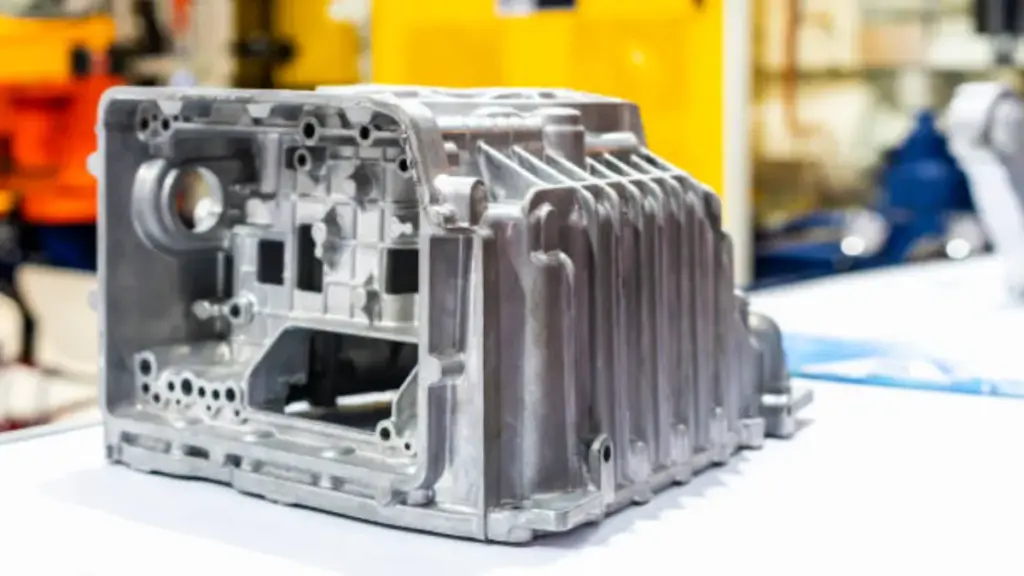
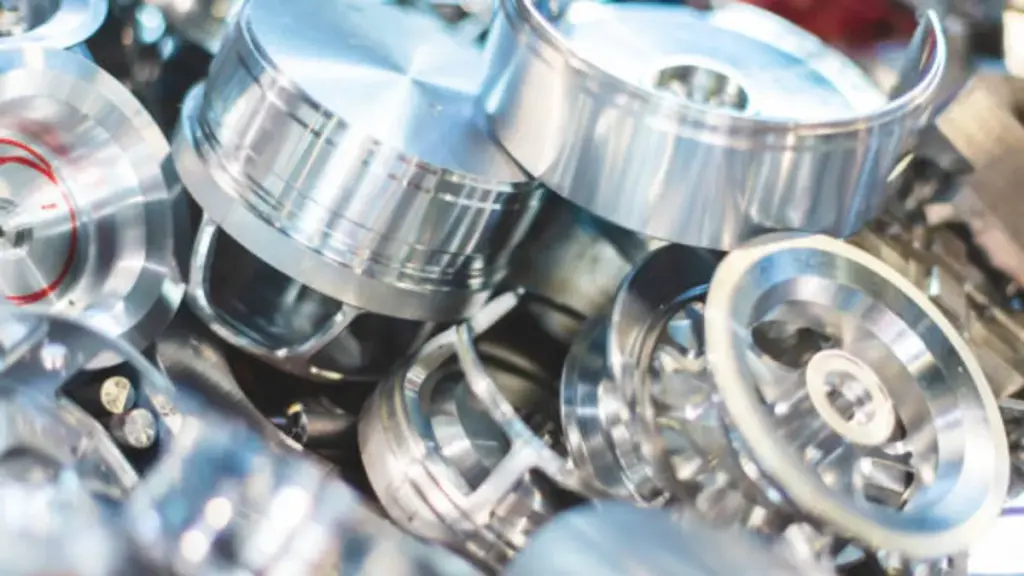
A startup hardware team sending out an RFQ for 2,000 magnesium housings usually gets one of two answers. Either a polite decline, or a unit price that quietly assumes 50,000 पार्ट्स. Both answers mean the supplier solved the wrong equation. Custom die casting parts made of magnesium are not inherently expensive or cheap at low volume. Cost is a function of tooling amortization, the machine actually engaged, melt discipline, and how much of the design was frozen before the die was cut.
This guide breaks down where magnesium die casting money goes, why minimum order quantities are set the way they are, and which early decisions move the unit price most. It also reads the published policy on this site carefully, because MOQ is where supplier claims most often drift from what a foundry actually commits to on paper.
Where the Money Goes in a Magnesium Program
Every magnesium quote splits into five stacks: the die, the shot, the metal, the finishing, and the compliance overhead of running the alloy safely. The die is a one-time number divided by lifetime volume. The other four repeat on every part. That single distinction explains most low-volume pricing behavior. पर 50,000 टुकड़े, tooling of any reasonable size shrinks to noise inside the unit price, and the repeating stacks dominate. पर 1,000 या 2,000 टुकड़े, the tool can be more than half the unit price, and the repeating stacks move to second place.
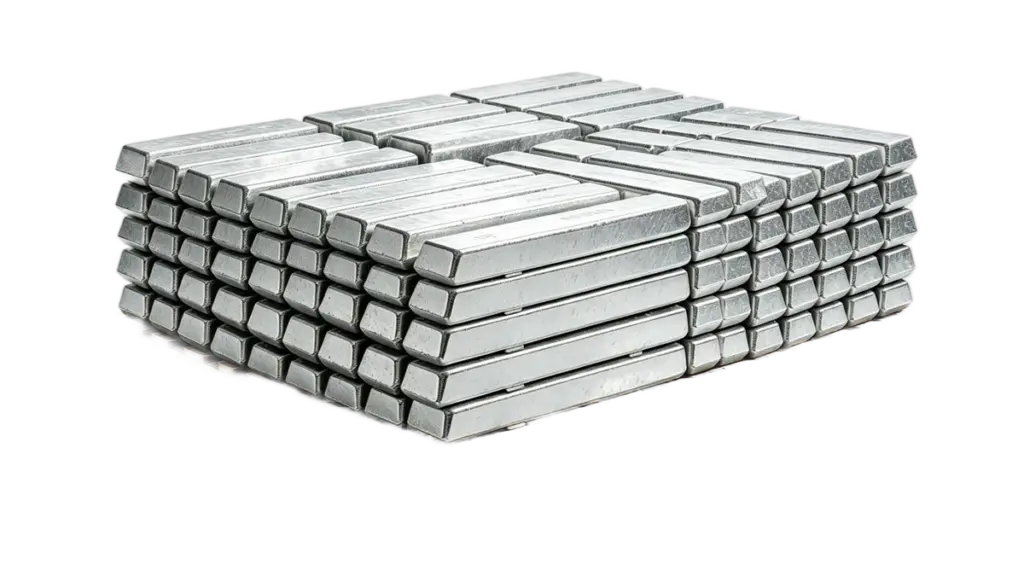
Material is where magnesium surprises first-time buyers on both sides of the ledger. Magnesium ingot usually carries a price premium per kilogram over aluminum. Yet AZ91D castings weigh roughly a third less than the same geometry in aluminum, के बारे में 1.8 g/cm³ against 2.7. Metal cost per part lands closer to parity than the per-kilogram sticker suggests. The lighter metal is part of why मैग्नीशियम डाई कास्टिंग shows up in weight-critical housings at all.
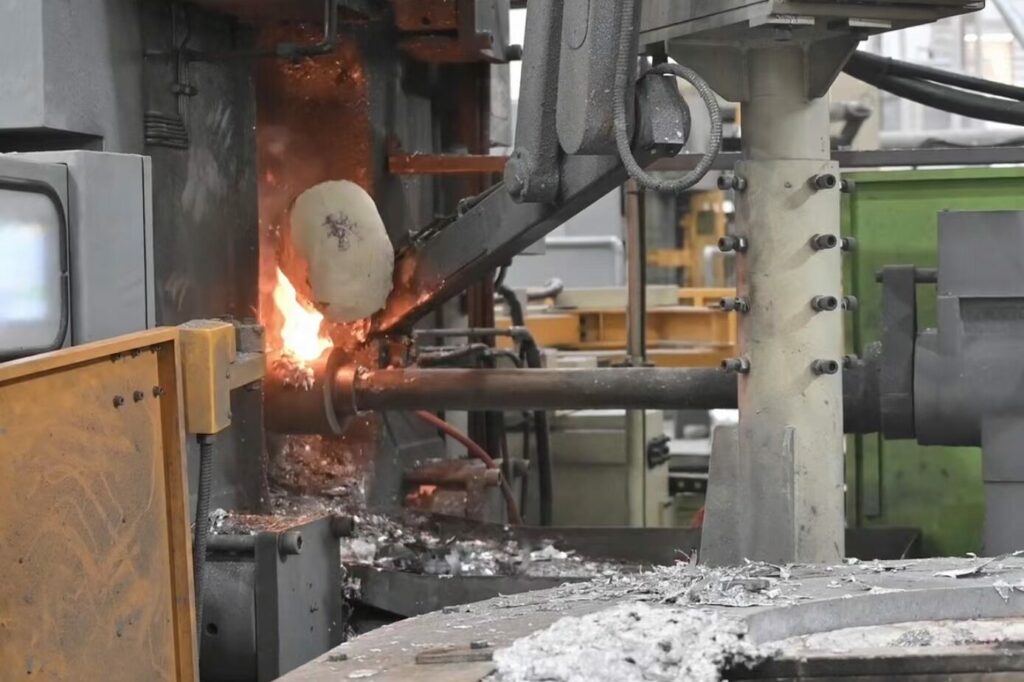
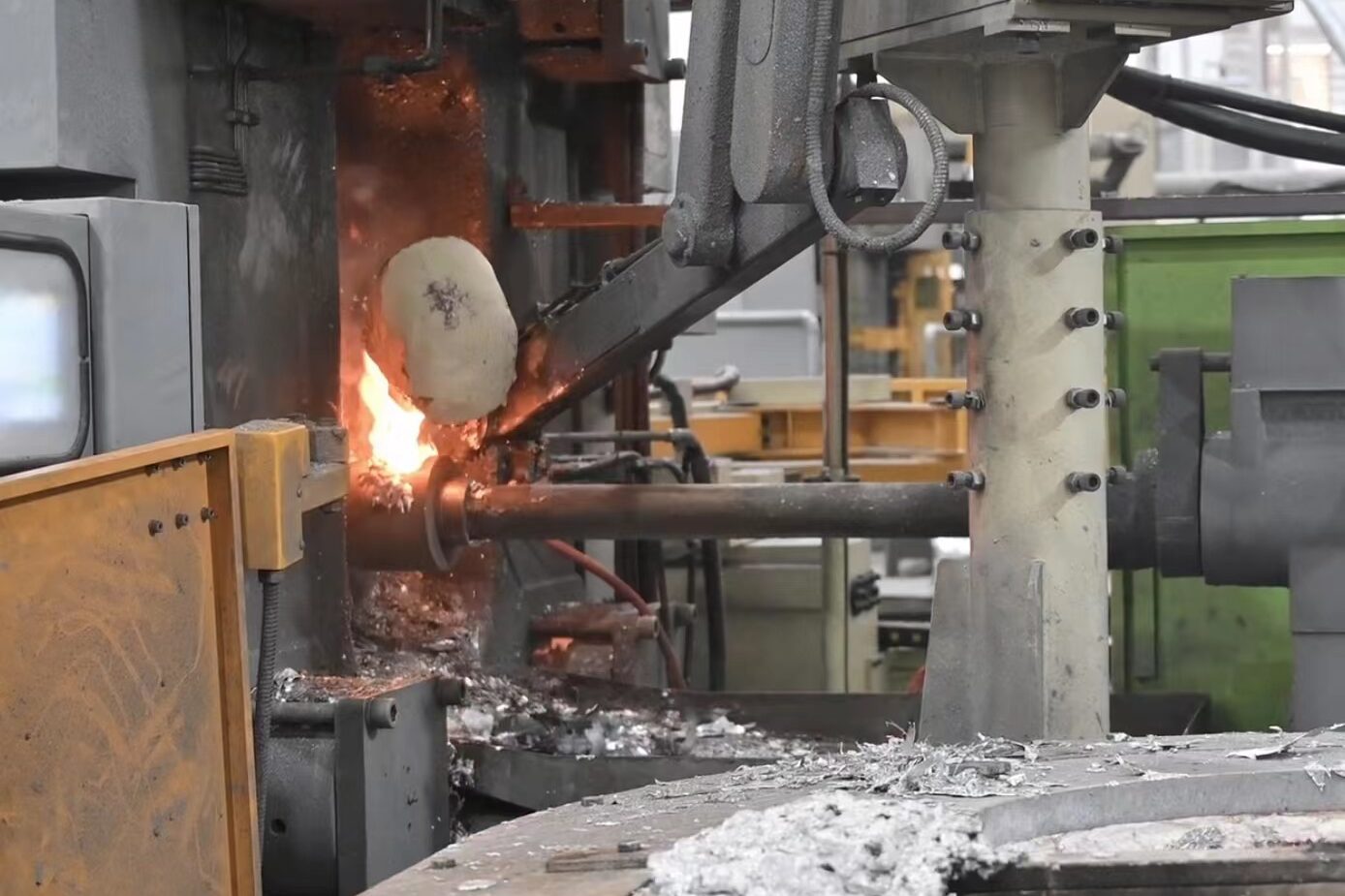
The bigger magnesium-specific line is melt handling. Molten magnesium needs a protective furnace atmosphere and disciplined dross and chip handling. Those costs are real and they do not shrink with order size. They are the reason serious magnesium work belongs to foundries that run it continuously rather than shops that improvise it once a year. The मैग्नीशियम सुरक्षा गाइड covers what that infrastructure looks like from an auditor’s chair.
The Tooling Line and What Drives It
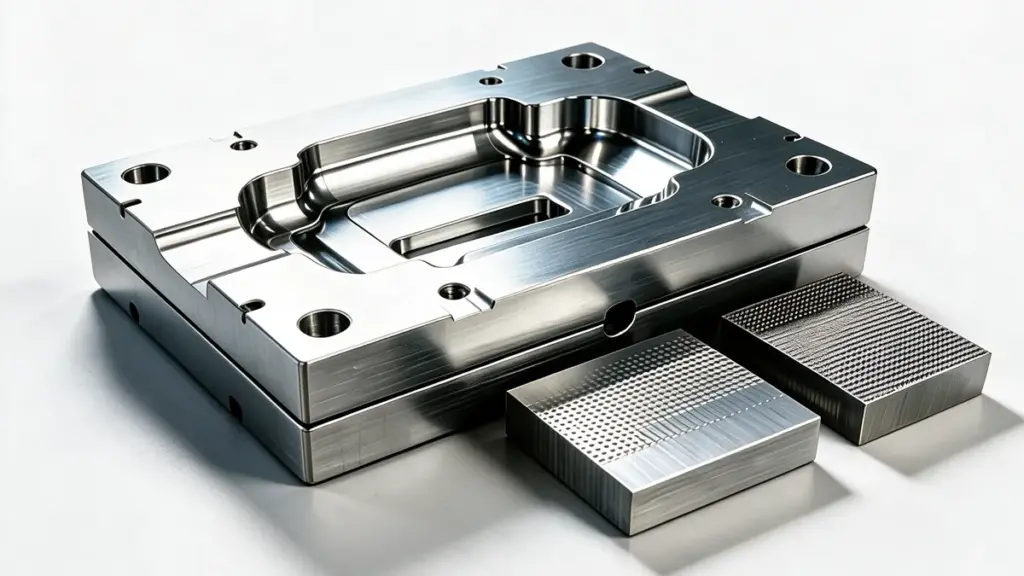
Die cost is driven by steel mass, गुहा गिनती, and the number of moving parts in the tool. Slides, lifters, and collapsible cores for undercuts each add steel and add a maintenance item that shows up later in per-part price. A single-cavity die for a simple bracket is a modest object. The same part with three side actions and a threaded insert becomes a different conversation. This is why the DFM pass before the die is cut is the highest-leverage window in the whole program.
Ask a supplier what its mold room does in-house and what it subcontracts, because that split sets both the tooling price and the revision cost after a design change. On this site the published workshop pages list in-house tooling with milling and EDM capability, and mold flow analysis such as Cast-Designer used during the research and development phase. Treat each of those as a question to confirm for your specific geometry rather than a promise that every set of custom die casting parts inherits it.
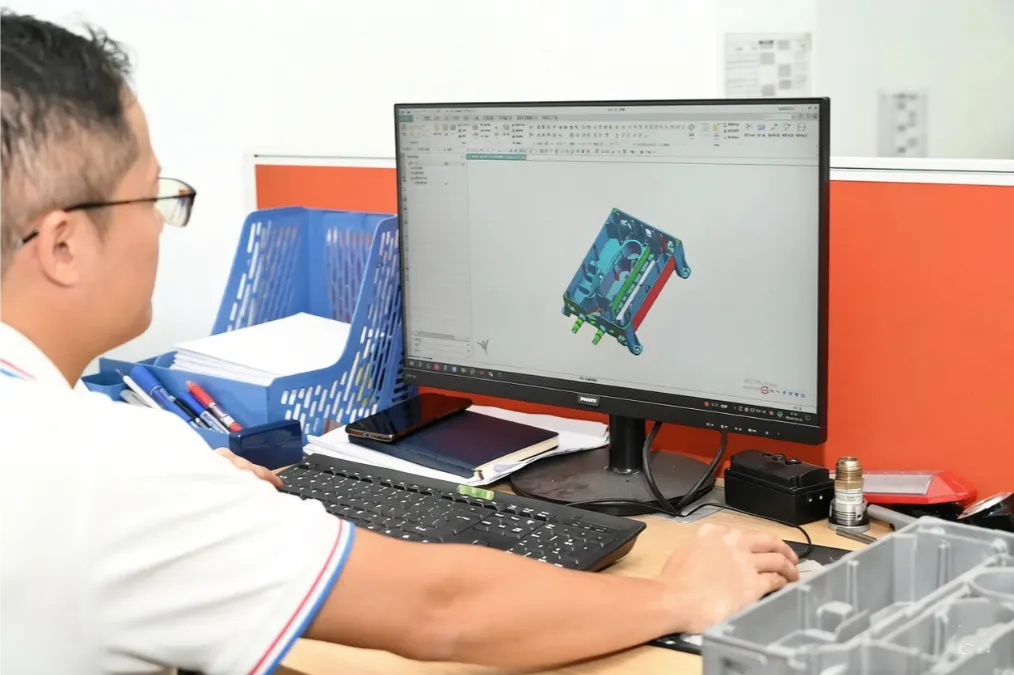
Two timeline facts matter for budgeting. This site advertises a quote in two days and a free DFM report in three days. It also lists tooling at 35 days and production at 20 को 25 days for a typical program. The published FAQ adds a delivery band of 25 को 35 days after sample approval, with extra time for unconventional or complex tooling. A low-volume magnesium program can therefore move from STEP file to shipped parts in roughly two months. That schedule looks slow next to 3D printing and fast next to most other casting processes.
Reading a Magnesium Quote Without Flinching
A clear quote should let you separate tooling from per-shot conversion, धातु, परिष्करण, और पैकेजिंग, rather than presenting one unexplained unit number. You do not need a supplier to hand over its cost model. You do need each stack named so you can see which lines are movable when you change the design. On a small program, the movable lines sit almost entirely on the conversion and finishing side.
| Cost stack | What drives it | Movable at low volume? |
|---|---|---|
| Die tooling | Steel mass, गुहिकायन, slides and cores for undercuts | हाँ, through DFM and single-cavity choices |
| Shot conversion | Machine tonnage engaged, समय चक्र, setup share | आंशिक रूप में, by right-sizing the machine and batching setups |
| धातु | Ingot price, गोली का वजन, runner and overflow mass | हाँ, through runner and gating design |
| परिष्करण | Coating system, masking, fixture count per batch | हाँ, by specifying only what the part needs |
| अनुपालन | Melt handling, chemistry checks, lot traceability | Rarely, and it protects the part, so budget it |
One honest warning about the compliance row. If a quote for custom die casting parts arrives with no magnesium melt-handling cost visible anywhere in it, ask how the shop intends to run the alloy. Either the line is hidden or the parts will be cast the way aluminum is cast. Both answers predict quality problems later.
How Minimum Order Quantities Actually Work
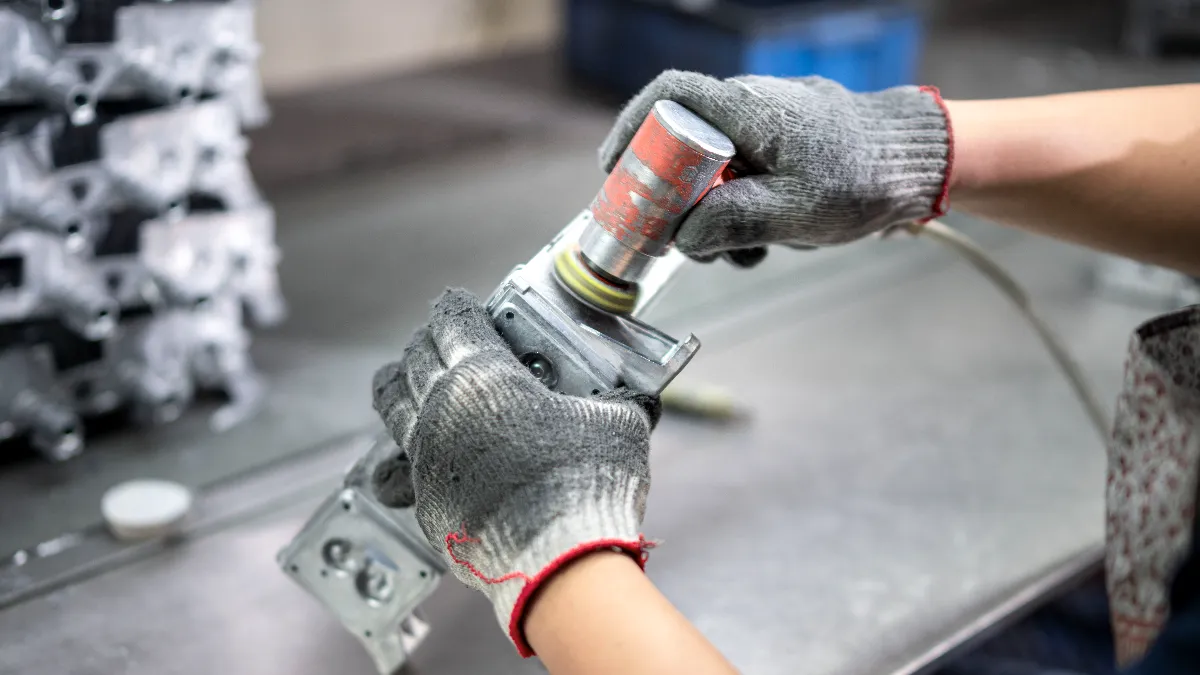
Minimum order quantities exist because die casting is a setup-driven process. Melting, die preheat, parameter qualification, first-article checks, and line changeover all happen once per production campaign regardless of how many parts follow. A foundry pricing a 300-piece order is quoting that setup against three hundred units, and nobody wins that arithmetic. Magnesium adds fixed overhead of its own through dedicated melt handling, which makes sensible batch sizes more important, not less.
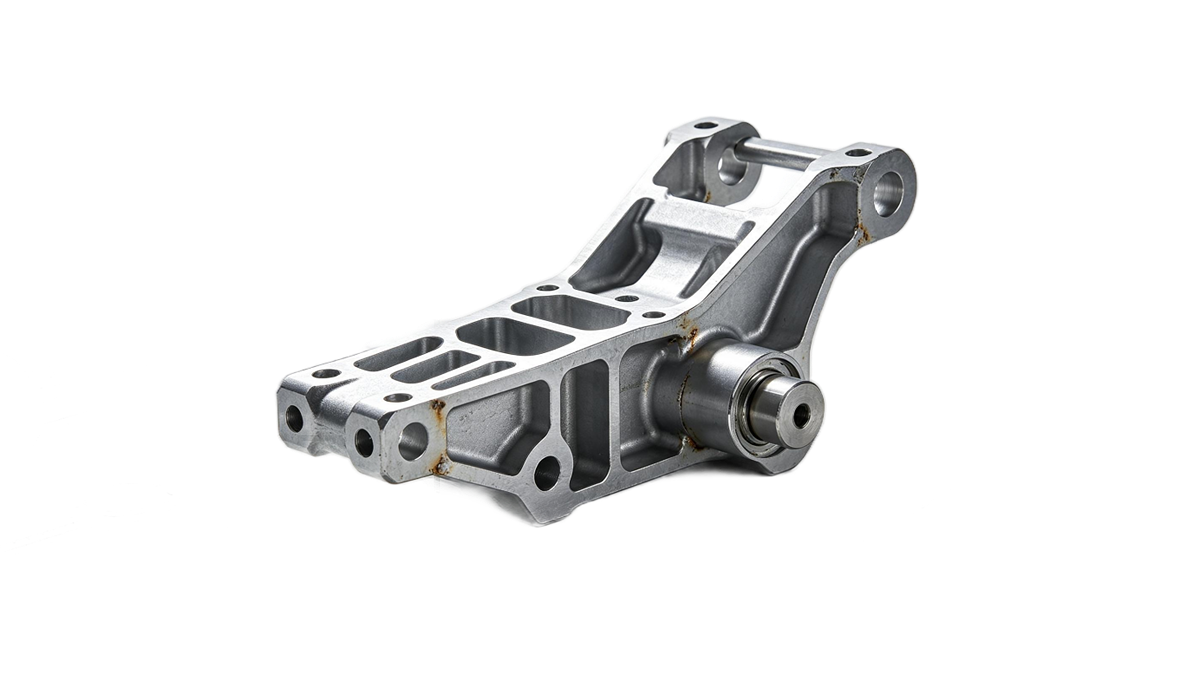
The published MOQ policy on this site is friendlier to a small first program than the weight-tier myth suggests. It states no minimum order quantity for the first three orders, so a team can test fit and market response before committing volume. After those trial batches, it lists 500 pieces for normal products and 1,000 pieces for small-size products. Read that as a real on-ramp: the barrier is the first order, not a standing floor that punishes a pilot of custom die casting parts.
Two cautions belong here. पहला, an MOQ printed on the FAQ page is not the same as one a planner will honor on a busy line. Confirm the current number in writing for your alloy and part size. दूसरा, compare the policy against how the supplier answers a genuinely small enquiry. A foundry that quotes 300 magnesium parts with a straight face and a clear setup line is telling you something different from one that refuses to engage below five figures.
Five Levers That Cut Low Volume Cost
Freeze the design before the die, then hold the freeze. Every post-cut revision is charged twice, in steel and in schedule. If the geometry is genuinely uncertain, buy prototype parts by CNC machining first and move to the die only when the design is boring and stable. The site lists 3-, 4-, and 5-axis machining with tolerances down to ±0.02 mm for exactly this kind of bridge work.
Simplify undercuts in DFM, not in steel. Each slide or collapsible core adds tool cost and a maintenance item. A draft-angle change or a split-and-fasten design often deletes an entire action. Stop over-specifying tolerances. Die casting holds near-net shape well, and every dimension that must be machined after casting adds a fixture, a program, and an inspection. Tighten only the mating surfaces and let the rest ride as-cast.
Design for metal economy. Runner, अतिप्रवाह, and biscuit mass leaves the quote when you shrink it. Buy the tool once and use it across batches. Amortization punishes a new die per pilot. Plan the product family around one tool where you can, and sequence volume so the same die feeds batch after batch instead of sitting idle between runs.
A Worked Shape Without Invented Prices
Walk the shape of a decision on custom die casting parts without making up figures. Take an 800-gram AZ91D housing. Under the published policy that is well inside a normal-product band, so a first-order pilot can start small and a follow-on batch can settle at the stated floor. The quote will be dominated by tooling amortization across the pilot units, followed by shot conversion on a mid-tonnage cold-chamber machine, with metal cost comparatively small. The property figures behind that weight advantage are published in the International Magnesium Association physical properties टेबल.
The two moves that change the number most sit on the tooling side. Delete a side action through a parting-line change. Choose single-cavity now with a written path to two-cavity when the program scales, rather than paying for cavitation the pilot volume does not use. The finishing stack is the third lever. A powder-coated housing and an as-cast-with-deburr housing can differ meaningfully per unit, and teams often find late that the cosmetic requirement applied to the sample, not the product.
Compare the same drawing in aluminum and the magnesium part usually wins on weight-driven downstream cost, roughly a third lighter at comparable wall thickness. It loses slightly on per-kilogram metal and on supplier availability. थर्मल प्रबंधन के लिए, aluminum’s far higher conductivity keeps it the right answer, और यह aluminum cost breakdown covers that equation when heat, not mass, is the constraint.
Before You Send the RFQ
The cheapest mistakes are the ones caught in the file you send. A complete magnesium enquiry carries a 3D model in STEP, आईजीएस, or X_T and a 2D drawing. That drawing should separate the tolerance demands that matter from the ones that do not. Add an honest annual volume band, coating intent, and the regulatory context. Automotive programs engage an IATF 16949 path, and everything else does not need to pay for automotive ceremony.
If your team has not cast before, say so in the email. The suppliers worth using treat that admission as a DFM invitation, and the rest will quote your drawing exactly as badly as it was drawn. The alloy choice behind most of these parts is covered in the AZ91D vs AM60B comparison.
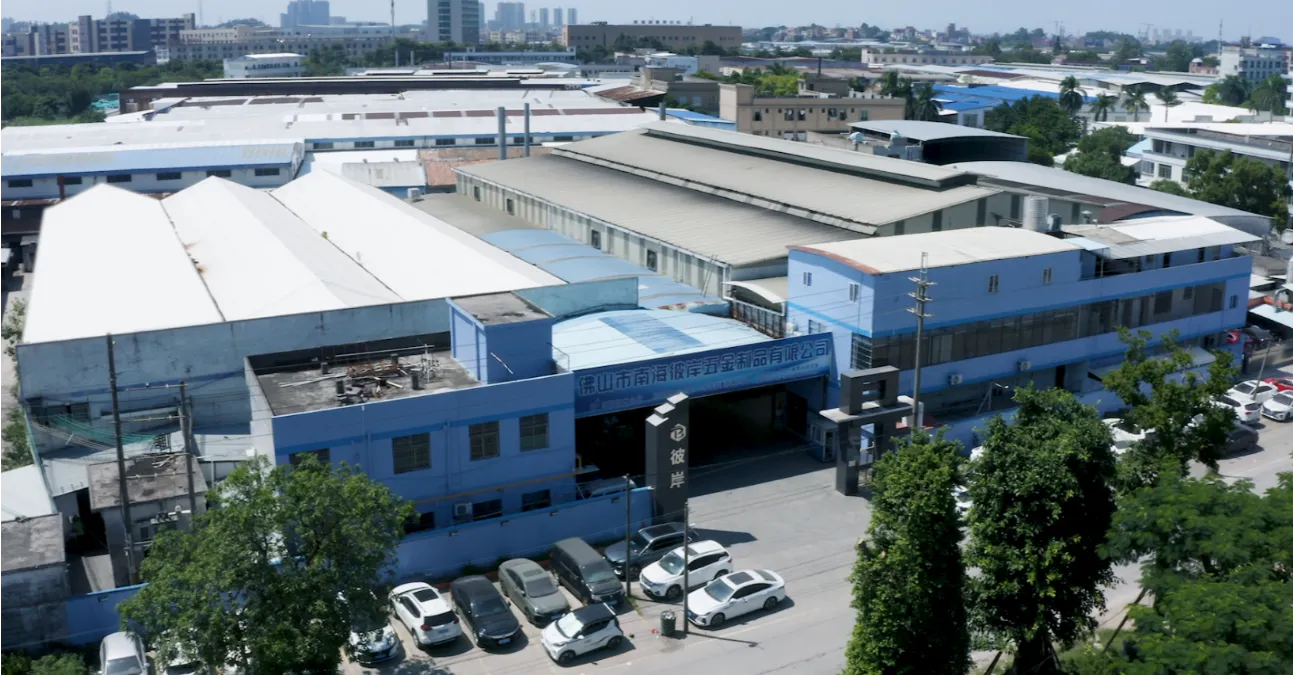
To put a drawing through a real cost-versus-MOQ review, send it through the संपर्क पृष्ठ एक उद्धरण और एक निःशुल्क डीएफएम विश्लेषण रिपोर्ट के लिए, यह साइट जिन सेवाओं का विज्ञापन करती है.
Questions About Magnesium Cost and MOQ
Is magnesium die casting cheaper than aluminum per part?
Per kilogram, magnesium ingot usually costs more. Per part, the gap narrows or flips because AZ91D at about 1.8 g/cm³ uses roughly a third less metal than aluminum at 2.7 for the same geometry. The dominant low-volume difference is tooling amortization, not metal, plus whether the supplier runs magnesium continuously enough to quote it fairly.
What is a realistic MOQ for custom magnesium die castings?
Setup cost per campaign, not part count alone, drives any sensible minimum. This site’s published policy lists no MOQ for the first three orders, then 500 pieces for normal products and 1,000 for small-size products. Confirm the current figure in writing for your alloy and size, because a page and a busy production planner can disagree.
Can I prototype magnesium parts before paying for tooling?
हाँ, and you should ask for one as long as the design can still move. CNC-machined prototypes from the same alloy billet validate fit, thread engagement, and finishing acceptance without committing die steel. The alternative, a soft or aluminum-insert tool, saves calendar but multiplies surprises when production steel cuts against a design that prototypes would have frozen.
Why does tooling dominate die casting cost on small orders?
A die is a fixed cost and low volume is a fixed denominator, so the whole tool price divides across fewer parts. A 2,000-piece order can carry more tooling per unit than metal, परिवर्तन, and finishing combined. That arithmetic is why DFM simplification, a single-cavity strategy, and one die reused across batches matter most on a small program.
अंतिम विचार
Low-volume magnesium is a scheduling and amortization problem wearing a materials costume. The metal is light and the alloy choice is settled work. The money and the risk in custom die casting parts live in the tool, the setup, and a melt-handling overhead that does not scale down. Read the supplier’s published MOQ and lead-time policy against what it actually quotes for a small pilot. Freeze the design before the steel is cut. Then the 2,000-piece program stops being a charity case and becomes a scheduled job.