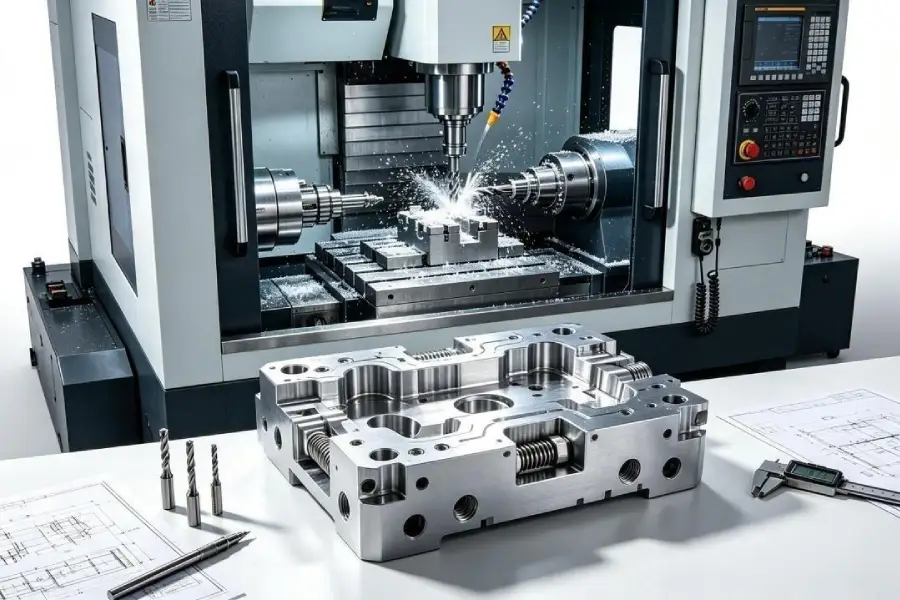
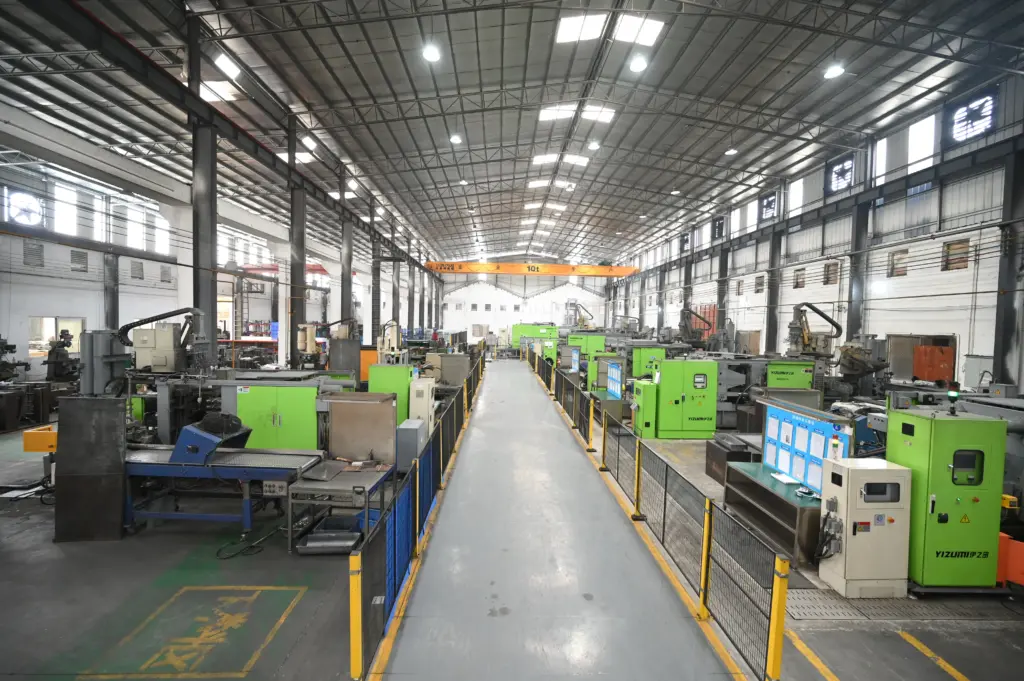
Porosity is the defect family that defines high pressure die casting. Molten aluminum forced into a die at high speed is susceptible to gas entrapment, and solidification shrinkage leaves voids wherever feeding runs out. For brackets and lamp housings, dispersed microporosity may be acceptable when it does not affect the specified function. For structural parts that carry loads, get welded, or are X-rayed to a print, porosity often decides whether the part ships or scrapes.
Controlling it is a layered engineering problem. The layers are the melt, the die design, the injection parameters in the fractions of a second that matter, and the inspection plan. This guide walks each layer of HPDC porosity control, including vacuum assist and the parameters that move X-ray results. It also separates published equipment capability from the process records a buyer should request.
Gas and Shrinkage Porosity Are Different Problems
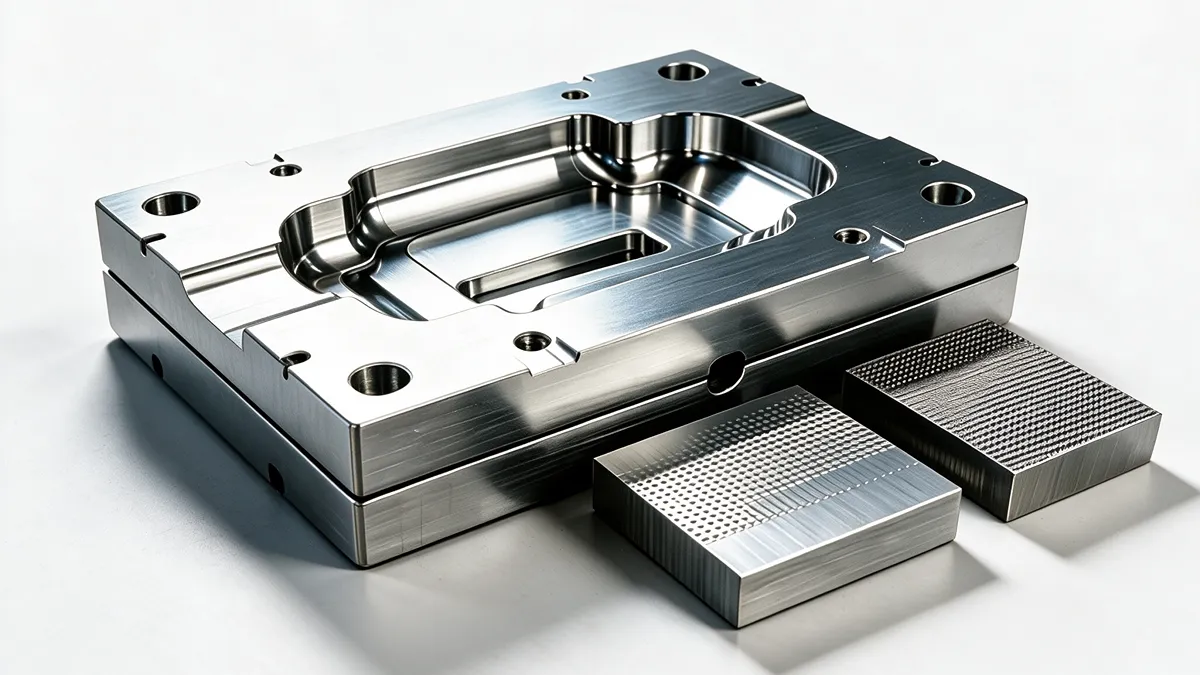
Every porosity conversation starts with one distinction. Gas porosity appears as round, smooth-walled bubbles, usually fine and widely dispersed. It comes from air entrained during the shot and from dissolved hydrogen that precipitates as the metal freezes. Shrinkage porosity looks different: irregular, angular, branched voids concentrated at hot spots, 두꺼운 부분, and wall junctions. It comes from the volume contraction every aluminum alloy undergoes during solidification.
The distinction matters because the remedies point in different directions. Gas porosity responds to melt quality, shot profile control, 환기, and vacuum. Shrinkage porosity responds to feeding design, thermal balance, wall uniformity, and intensification timing. Applying a vacuum system to a shrinkage problem, or slowing the shot to cure entrained air from a dirty melt, spends money on the wrong layer and moves nothing. 우리의 porosity explainer follows the same distinction through a lighting housing.
Gas Porosity Begins in the Melt
Hydrogen dissolves readily in liquid aluminum and almost none of it survives into the solid. As the casting freezes, the excess has to go somewhere, and it goes into pores. The inputs that raise melt hydrogen are unglamorous: damp or oily charge material, humid weather, dirty returns, and dross carried into the transfer ladle. Control is equally unglamorous: dry and clean charge, skimming discipline, and rotary degassing with inert gas where the melt sits for long periods.
Measurement closes the loop. Foundries gauge melt quality with reduced-pressure density tests and, in better-equipped plants, instruments at the furnace. Mag-cast’s quality control page lists a direct-reading spectrometer for composition analysis and an electronic density meter for melt checks. What those instruments cannot settle from a catalog is cadence. How often chemistry is verified on your alloy, and what records accompany shipments, are questions the supplier should answer in writing.
Entrained Air and the Shot Profile
The second gas source is mechanical: air swept into the metal as it moves. A high pressure die casting shot runs in phases, and each phase exists to manage air. The slow shot phase advances the plunger gently through the shot sleeve so the metal wave stays flat. A wave that crests and folds early drags air into the metal before it reaches the die. The fast shot phase drives metal through the gate at high velocity, typically tens of meters per second, to fill thin walls before they freeze. After the cavity fills, intensification pressure rises and compacts the solidifying casting, feeding shrinkage as long as the gate is still liquid.
Every one of those settings is a trade. Fill too slowly and thin sections cold-shut; fill too fast and the metal atomizes against the die wall, entraining more gas and inviting die soldering. Intensification that arrives after the gate freezes does nothing at all. This is why mature cells run on documented parameter windows per die, with adjustments recorded and tied to inspection results. Hero tuning on individual machines is how a plant gets lucky on Monday and scrap-heavy on Friday.
Die Design Decides Where the Air Goes
Before any parameter is set, the die has already made half the porosity decisions. Gating is laid out to sweep air in front of the metal toward vents placed at the last-fill areas. Overflows catch the first metal through the gate, which arrives coldest and carries the most oxide. Vent cross-sections are sized so the air can actually leave in the milliseconds available. On the shrinkage side, the same drawings decide where hot spots live. Uniform walls, ribs instead of solid bosses, and generous radii at junctions keep the solidification front from trapping isolated liquid pools that must shrink into voids.
Simulation is how those decisions are checked before tooling steel is cut. Mag-cast’s company profile lists mold flow analysis software such as Cast-Designer among its development tools. Whether a specific die is simulated, and how the model was validated against trial shots, should be confirmed at quotation. A die that reaches the machine with its venting wrong will fight its porosity scrap rate for the life of the program.
What Vacuum Assist Changes and Does Not
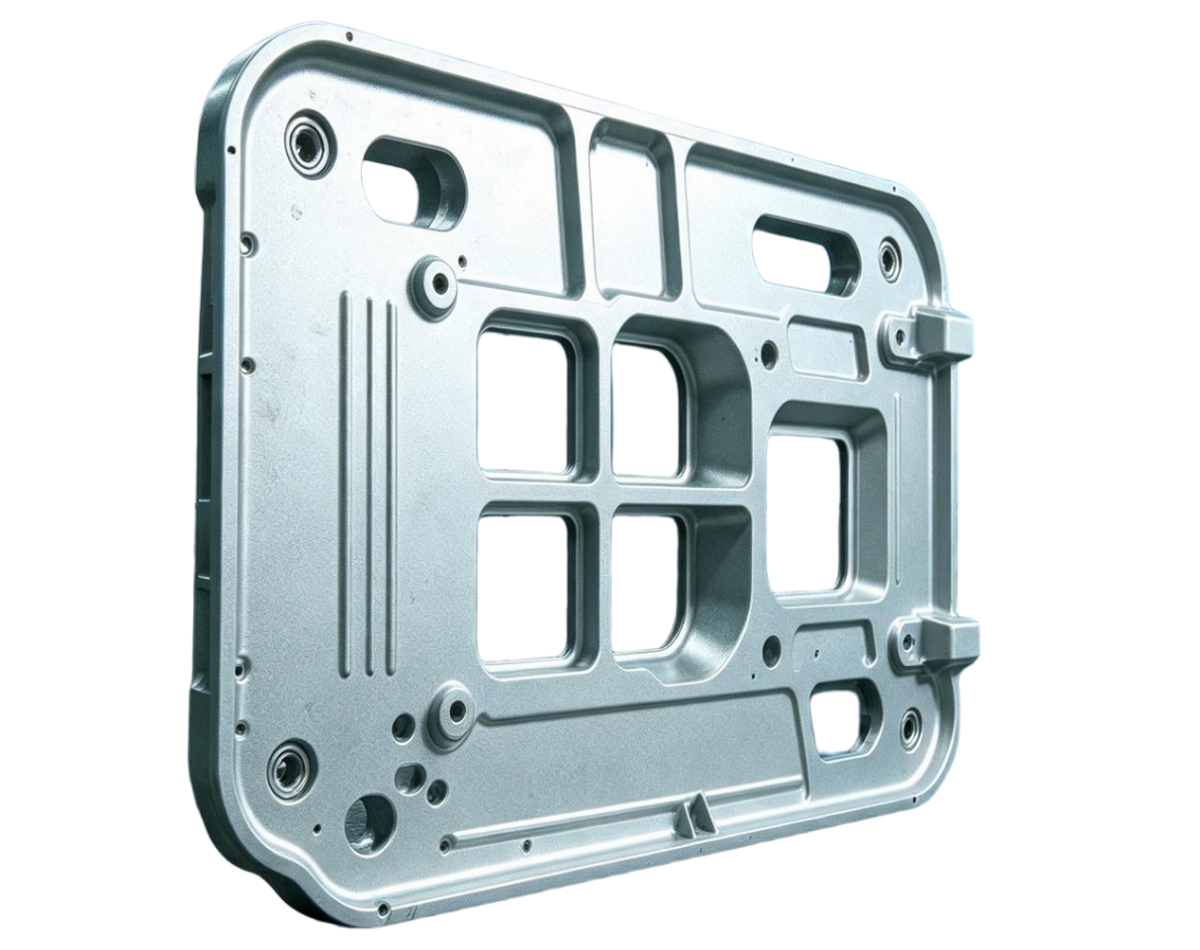
Vacuum die casting lowers the pressure in the cavity so less air remains to be entrained. 실제로, the system evacuates the cavity before and during filling, and the vacuum valve closes when the advancing metal reaches the valve location. The documented result is substantially less entrained-gas porosity and better pressure tightness. Low-gas vacuum die castings may be suitable for welding or selected heat-treatment routes, 합금에 따라, casting design and validated process. Full solution heat treatment should not be assumed from vacuum use alone.
Vacuum levels are worth knowing as a buyer, with one caution: equipment makers define the figure at different measurement points, times, and pressure references. Conventional vacuum die casting commonly reaches roughly 100–300 mbar in the cavity. High vacuum works around 50 mbar or below. The tightest structural applications, such as megacasting-class EV body parts, target under 30 mbar. These values are indicative rather than universal; buyers should confirm where and when cavity pressure is measured.
The price is real: sealed die elements, chill-vent or check-valve hardware that must survive thousands of shots, and added maintenance. Whether evacuation lengthens the full cycle depends on how the pumping step overlaps with other machine motions and on the equipment configuration. And the honest limit stands: vacuum removes entrained air, not solidification shrinkage. A vacuum cell casting a poorly fed, non-uniform wall will produce beautifully vacuum-assisted shrinkage porosity.
Where a drawing genuinely requires vacuum-grade porosity, the right conversation is specific. Ask what vacuum level the cell actually achieves, how it is monitored per shot, and what the X-ray results show against the severity class on the print. 우리의 진공 다이캐스팅 가이드 covers that route in more detail.
그만큼 automotive parts category shows the structural families where these specifications bite hardest.
Process Parameters That Move the Numbers
The table below summarizes the parameters most commonly tuned for porosity outcomes, and how each one fails when set wrong. They interact: melt temperature changes what gate velocity is safe, and die temperature changes what intensification can still feed. That is the argument for tuning them as a window, not a set of independent dials.
| 매개변수 | What it governs | Failure mode when wrong |
|---|---|---|
| Melt temperature | Fluidity and fill completeness | Too high: more gas and shrinkage; too low: cold shuts and flow lines |
| Die temperature | Fill pattern and solidification direction | Cold die: flow lines and early freezing; hot die: 납땜, slower cycles |
| Slow-shot velocity | Air entrainment in the shot sleeve | Too fast: the metal wave folds and traps sleeve air |
| Gate velocity | Fill speed through the gate | Too slow: 콜드 셧; too fast: atomized fill, extra gas, die soldering |
| Intensification pressure and timing | Feeding of solidification shrinkage | Arrives after gate freeze: limited ability to reduce shrinkage porosity |
None of these parameters is exotic. What separates consistent plants from lucky ones is that the window is written down, monitored, and tied to the inspection data. When porosity scrap moves, the cause is found in the records instead of guessed at the machine.
Inspection Specs Buyers Can Actually Write
Porosity that is not measured is not controlled. The inspection stack for structural die castings is mature and worth specifying directly on drawings. Internal porosity is commonly verified by X-ray graded against ASTM E505, the standard reference radiographs for inspection of aluminum and magnesium die castings. E505 supplies the comparison images; it does not automatically set acceptance limits for every product.
The enforceable version of a porosity print names four items: discontinuity type, severity level, inspection area and acceptance criteria, agreed between buyer and supplier on the drawing or inspection specification. A print that says “low porosity” is not enforceable; one that names those four items is. ASTM B85/B85M covers aluminum-alloy die casting grades and compositions, and it supports the drawing without replacing part-specific porosity acceptance criteria.
On the equipment side, the quality control page lists an X-ray non-destructive testing system for internal porosity inspection, 기밀 시험 장비, and vacuum-chamber helium leak detection for sealing parts. One nuance belongs in every buyer’s toolkit: X-ray images reveal internal density anomalies. Whether a void formed from gas or shrinkage is inferred from process data rather than the film alone.

Cadence and traceability are contract questions, not catalog facts. Ask which sampling plan follows first-article X-ray, and how often melt chemistry is verified on your alloy. Ask whether X-ray findings can be tied to a melt lot and shot parameters, and what records accompany shipments. Plants that hold those records answer easily, and the answers belong in the supplier agreement.
What Honest HPDC Porosity Control Looks Like
Layered is the operative word. Melt discipline removes gas before the shot. Die design and simulation route the remaining air to vents and feed shrinkage where it forms. Parameter windows keep every shot inside the qualified fill, and inspection proves the result against written severity classes. Skip a layer and the next layer pays for it — the classic pattern being a plant that buys vacuum hardware to compensate for a melt line nobody controls.
구매자를 위한, the practical advice is to buy to function. State the X-ray severity class the part must meet, the leak rate for sealing applications, and any machined-surface porosity limits. Then ask the supplier to show the verification data behind the claim. The plants that can show it, from melt logs and simulation files to X-ray films and leak results, are the ones whose HPDC porosity control is engineering rather than advertising. When a drawing is ready for that conversation, 그만큼 연락처 페이지 reaches the engineers who answer with records.
Questions About HPDC Porosity Control
What causes porosity in high pressure die casting?
Two mechanisms, with different fixes. 가스 다공성, round dispersed bubbles, comes from air entrained during the shot and hydrogen precipitating at solidification. It responds to melt quality, shot profile, 환기, and vacuum. 수축 다공성, irregular voids at hot spots and thick junctions, comes from solidification contraction. It responds to feeding design, wall uniformity, and intensification timing.
What vacuum level counts as high vacuum die casting?
Definitions differ between equipment makers, so treat figures as indicative. Conventional vacuum die casting commonly reaches roughly 100–300 mbar in the cavity. High vacuum works around 50 mbar or below, and megacasting-class structural work targets under 30 mbar. Confirm where and when the cavity pressure is measured, and how long the valve stays open during fill.
Can vacuum-assisted die castings be heat treated or welded?
Reduced gas removes one barrier, not all of them. Conventional HPDC avoids full solution treatment because entrained gas expands and blisters the surface at T6 temperatures. Low-gas vacuum die castings may be suitable for welding or selected heat-treatment routes, 합금에 따라, casting design and validated process. Full solution heat treatment should not be assumed from vacuum use alone.
How should porosity be specified on a drawing?
Name the enforceable items: discontinuity type, severity level, inspection area and acceptance criteria, graded against ASTM E505 reference radiographs. Add a stated leak rate for sealing surfaces and explicit limits for machined features. ASTM B85/B85M defines alloy grades for die castings, so it supports the drawing without setting your porosity limits. “Low porosity” alone is not a specification.
최종 생각
HPDC porosity control rewards buyers who work in layers: melt first, die design second, parameter windows third, and written acceptance criteria from day one. Each layer has a floor, and vacuum hardware at the top cannot rescue a process that skips the layers below it.
Treat every capability claim, including the ones on this page, as a question to verify against records: simulation files, trial reports, X-ray grades, and leak results on parts like yours. Programs that specify porosity by function, and verify it by data, stop paying for it in the scrap bin later.