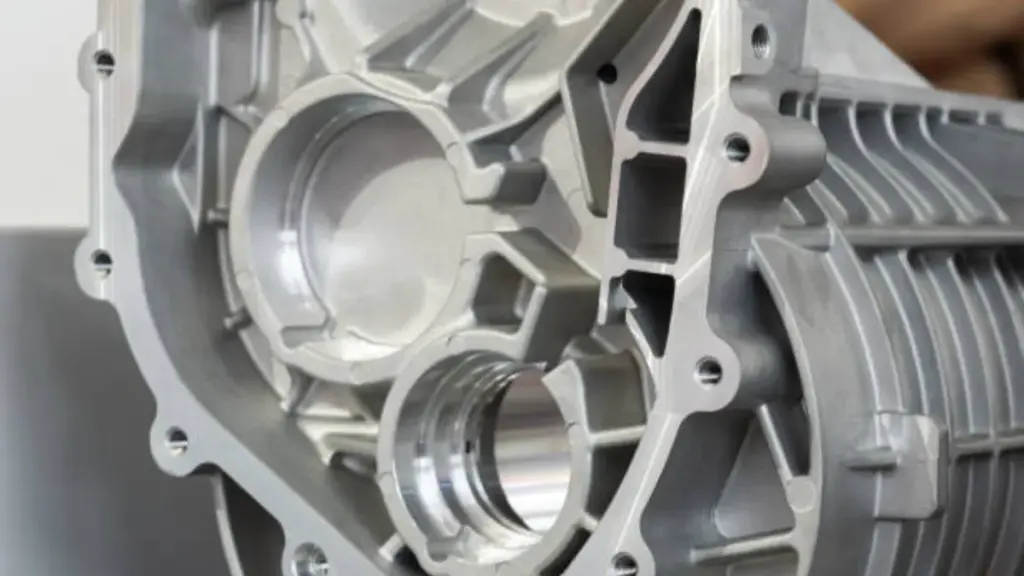
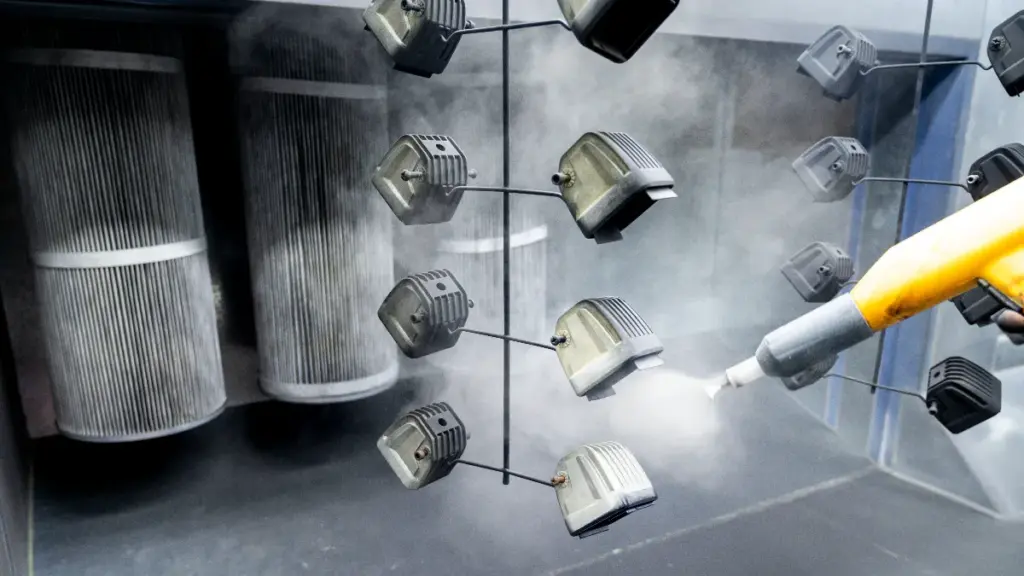
A zinc die casting mold is one of the longest-lived tools in a foundry. It is also one of the most commonly abused. The same H13 die block that a disciplined cell runs past one million shots will, in a sloppier shop, come down with heat checking at a fraction of that life. It gets pulled for emergency weld repair, then scrapped for a gate erosion crater nobody noticed until parts began shedding metal.
The difference is rarely the alloy, the machine, or the price paid for the tool. It is maintenance cadence and process discipline, applied boringly, shift after shift. Buyers who understand where die life actually goes negotiate better tooling agreements, lower per-part cost at volume, and far fewer surprise stoppages mid-campaign.
This guide covers what kills zinc dies and the maintenance intervals that keep them alive. It also weighs how much of a die casting tooling life extension claim is real arithmetic rather than vendor optimism. It closes with the tooling questions that belong in the RFQ.
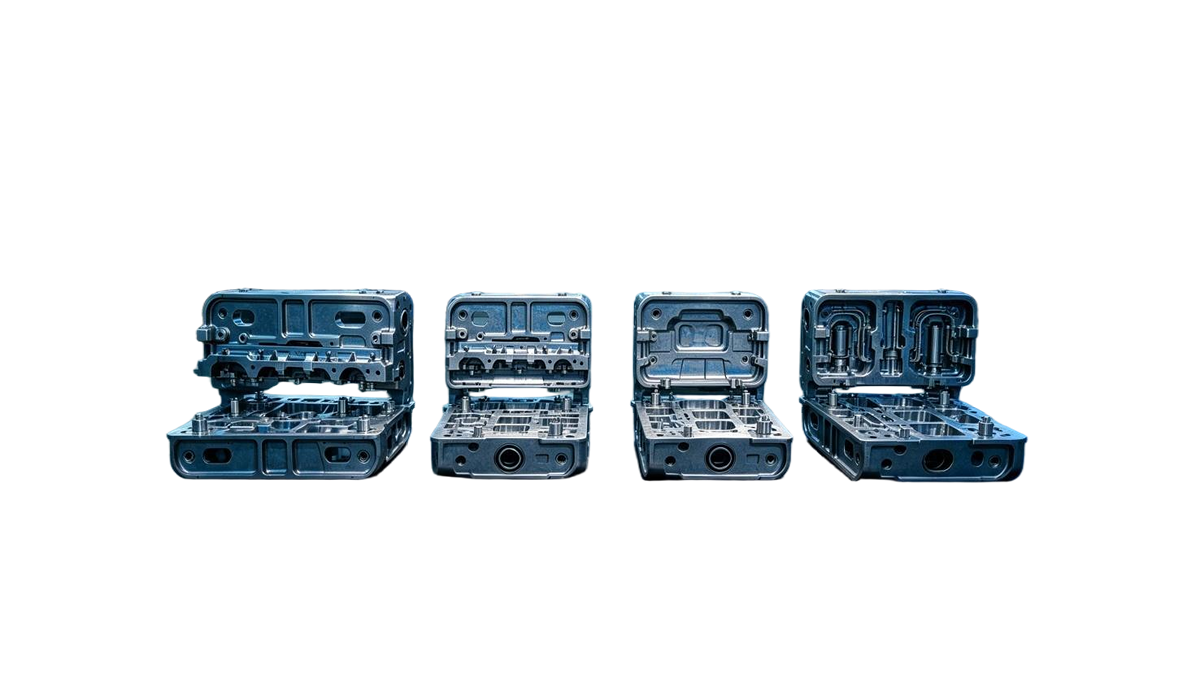
Why Zinc Dies Outlive Aluminum Dies
Zinc runs hot-chamber at roughly 380 to 430 °C. Aluminum cold-chamber pours sit in the 650 to 720 °C band. At those temperatures aluminum dissolves iron from the die face. That dissolution is the root cause of the die soldering and severe heat checking that caps many aluminum dies in the low hundreds of thousands of shots. Zinc does not attack tool steel anywhere near as aggressively. The hot chamber die casting guide on this site covers the process behind that temperature gap.
That metallurgical head start is what makes careless operation so costly. Standard die-casting references, such as Elsevier’s ScienceDirect die-casting overview, put reusable steel dies at roughly a hundred thousand shots for aluminum and past a million for zinc. A zinc die is therefore built to survive a long campaign. Premature teardowns usually trace back to preventable causes rather than to the steel itself. The common ones are thermal shock from an unpreheated die, zinc build-up left on the cavity, and a die run far past its stress-relief window because pulling it looked expensive.
What Actually Kills a Zinc Die
Four failure modes account for most zinc die terminations, and each leaves a different signature on the tool.
Heat checking. This is the fine network of surface cracks that eventually sheds small flakes of steel into the casting. It is driven by repeated thermal cycling and accelerated by cold starts, over-aggressive water cooling, and skipped die preheat. It is the leading die-life limiter across die casting generally, and the reason refurbishment intervals exist.
Erosion and wash at the gate. Metal entering the cavity at excessive velocity cuts the steel like a slow water jet. The first sign is a bright, polished-looking depression near the sprue or runner cut-in. The casting consequence is flash, metal carry-over, and drifting dimensions.
Zinc build-up and soldering. Zinc does not eat tool steel the way aluminum does, but it plates onto it. Unremoved zinc residue on the cavity acts as an insulator, distorts cavity dimensions, and can tear steel from the die when it sheds into the shot.
Mechanical wear. Slides, lifters, parting-line faces, and ejector pins take the abuse. Wear alone rarely ends a die. Worn parting lines plus ignored build-up plus unchecked heat checking end campaigns together.
Tool Steel Selection and Initial Temper
The default die material for zinc hot-chamber work is chromium-molybdenum-vanadium hot-work steel: H13 in the US system, 1.2344 in the European one, and SKD61 in the Japanese grade. Zinc cavities typically run around 46 to 52 HRC. That is hard enough to resist wear and build-up adhesion, and tough enough that thermal cycling does not propagate surface cracks.
Two foundation decisions matter before the die sees molten metal. First, hardness should be verified on the finished insert rather than taken from a mill certificate. Second, the die should receive an initial stress-relief temper after machining. EDM-affected and hardened layers carry residual stress that thermal cycling will grow into cracks. Skipping that first temper is how a well-made die develops early heat checking nobody can explain at teardown.

Maintenance Cadence That Pays for Itself
Extending die casting tooling life is mostly a scheduling problem. The intervals in the table below are typical working ranges for hot-chamber zinc tooling. The right numbers depend on cavity count, part geometry, and shot size, and should be agreed in writing before the tool is cut. A supplier who will not commit to an interval in writing is telling you the die life is not being managed.
| Practice | Typical interval | Targets | Failure mode prevented |
|---|---|---|---|
| Clean cavity and lubricate slides each shift | Every shift | Zinc film, seizure | Build-up, mechanical wear |
| Inspect gate and runner cut-ins | Every few thousand shots | Early wash | Gate erosion |
| Stress-relief tempering | Every 5,000 to 15,000 shots | Accumulated residual stress | Heat checking |
| Remove build-up, polish cavity, re-treat surface | First check-network or per campaign plan | Micro-cracks, adhesion | Check growth and soldering |
| Full insert refurbishment or replacement | End of campaign | Dimensional drift | All four, reset to baseline |
The tempering interval draws the most argument because it costs production time. It is also the highest-leverage item on the list. Stress relief repeatedly recovers surface toughness that thermal cycling is eating away, and dies kept inside the window delay the crack network that forces a rebuild. A buyer should ask which interval the supplier commits to in writing.
Machine-Side Controls That Protect the Die
A die that leaves the tool room perfect can still be destroyed by the cell it lands in. Four machine-side controls carry most of the load.
Pot and sleeve temperature. Zinc held too hot accelerates build-up and thermal loading. The working band on the gooseneck and crucible is tight. Idle-time temperature management, dropping sleeve heat during breaks instead of baking the steel, is part of the discipline.
Die preheat. Cold-starting a zinc die thermal-shocks the cavity from the first shot. Preheat is cheap; the check network it prevents is not.
Cooling strategy. Water lines that run on idle dies or flood cold steel shock the cavity. Die temperature control should hold the working surface in its designed band, stable rather than cold.
Cycle-time stability. A drifting cycle changes how much heat the die holds between shots. Keeping cycle variation inside a tight tolerance is as much a die-life control as a productivity one.
Design Choices That Add Shots Early
Die life is partly specified before the steel is cut. Gate velocity limits respected in runner design protect the cavity from wash. Generous radii at stress-concentrating corners keep cracks from having somewhere to start. Insert-able wear sections around gates and slides turn a future rebuild into a part swap rather than a new die. The zinc die cast material guide on this site covers the geometry decisions that shape both the part and the tool.
Cavity count is the honest trade. More cavities mean more output per press-hour and more heat-check area to maintain, so single- and double-cavity designs stay the default for tooling meant to run for years. Mold-flow analysis belongs in this conversation. Filling simulation on the actual geometry shows where the die will see hot spots, entrainment, and erosive flow before any of it is machined into expensive steel.
The Arithmetic Behind the Extra Shots
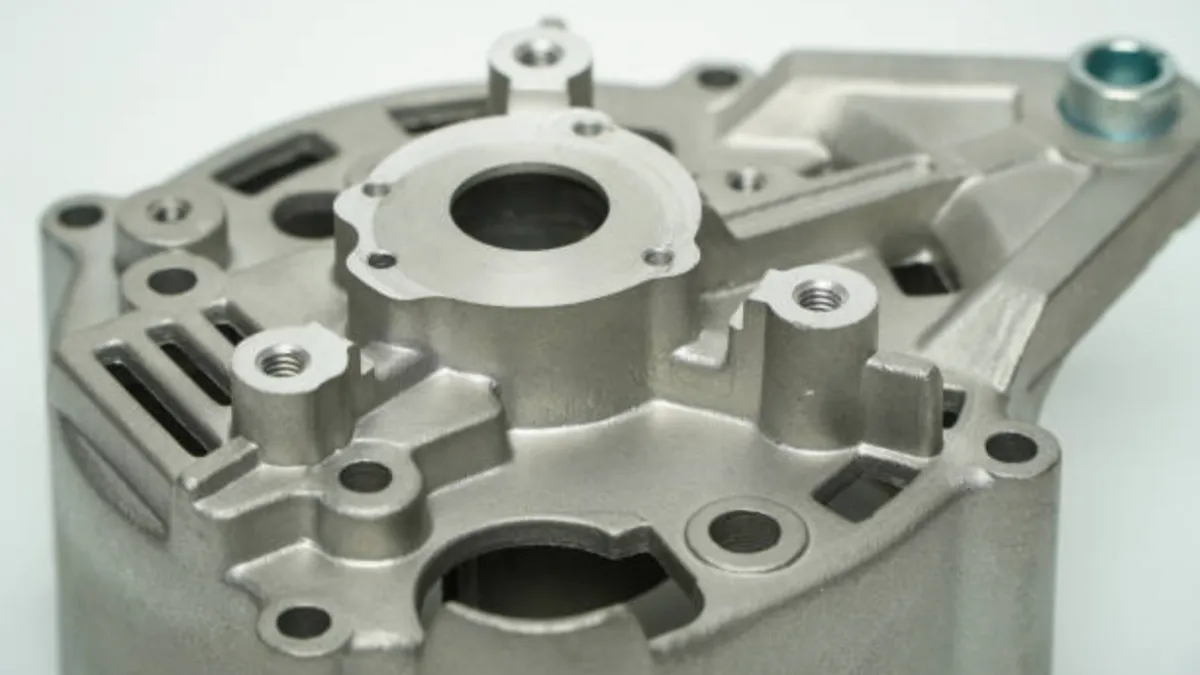
Claims to extend die casting tooling life by a fixed percentage deserve deconstruction rather than a swallow. The arithmetic is simple once the failure modes are understood. A die pulled at the first visible check network, instead of run to flaking, recovers the refurbishment window. Refurbishable cavities return to service after polishing and re-tempering, while dies run past that window go to scrap.
A die kept inside the tempering window delays the network in the first place. A die with clean build-up discipline and honest preheat avoids the two accelerants that halve the interval between checks. Stack those three practices against a baseline cell that does them late or not at all, and a double-digit gain in shots is realistic rather than promotional. The overstated claims are the ones promising the same gain on tooling already running the practices properly.
The buyer-side lever is a tooling agreement that names the maintenance intervals, keeps a shot counter on the die, and makes refurbishment a planned line item rather than an emergency. The math on cost per part is unforgiving. Running the same die thirty percent longer spreads the tooling cost across thirty percent more parts, cutting amortized tooling cost per part by roughly a quarter. That is the entire business case, and it is arithmetic rather than optimism.
Buying Tooling That Earns Its Life
If you are sourcing zinc die castings, the tooling questions belong in the RFQ. Ask for the die steel grade and verified hardness, the committed tempering interval, the refurbishment responsibility and cost split, and the shot-count record the supplier will keep. These four items decide most of the difference between a die that reaches its rated life and one that dies early.
The precision mold making pages on this site describe in-house tool design and build, which is what lets refurbishment turn on internal scheduling rather than an outside vendor queue.
The workshop pages show the production and tooling lines that run the dies, so a buyer can see the cells the maintenance plan has to hold.
A plan agreed before the first shot beats a repair negotiated during a stoppage. When the drawing is ready and the tooling-life plan is not, send it through the contact page. The DFM pass prices the die, the cavitation, and the maintenance schedule together.
Questions About Die Casting Tool Life
How long should a zinc die casting mold last?
A well-maintained H13 hot-chamber die for zinc is commonly specified for campaigns past one million shots, and refurbishable dies continue beyond that after cavity rework. The variables that decide it are thermal discipline through preheat and cooling, timely build-up removal, and stress-relief tempering done inside the agreed window rather than after cracks appear.
What is die tempering and why does it extend mold life?
Tempering is a controlled low-temperature heat treatment that relieves stress built up in the cavity steel from machining, EDM, and thermal cycling. Done on a defined shot interval, it restores toughness at the surface and delays heat checking, the crack network that ends most campaigns. A die that skips tempering keeps running while its micro-cracks grow unseen.
Why do zinc dies outlive aluminum dies?
Zinc is poured around 380 to 430 °C and does not dissolve iron out of tool steel. Aluminum, at 650 to 720 °C, chemically attacks the die face and causes soldering plus aggressive heat checking. That metallurgical difference is why zinc tooling is specified for million-shot campaigns while aluminum dies typically reach a fraction of that.
Should I pay more for die steel on a zinc project?
Pay first for verified H13 with documented hardness and a correct initial temper, before paying for exotic upgrades. At zinc temperatures, maintenance cadence and thermal discipline usually beat premium steel variants on cost per shot. Reserve upgraded materials and surface treatments for the hot spots a mold-flow study identifies, such as inserts and gates, rather than the whole block.
Final Thoughts
Zinc die casting tooling is a durable asset that most programs either plan for or pay for. The steel, the process temperature, and the metallurgy already favor zinc; the losses come from skipped preheat, ignored build-up, and tempering deferred one campaign too long. The practices that add shots are unglamorous and cheap next to a new die.
The buyer’s job is to make die life a written term rather than a hope. Name the intervals, keep the shot counter, split refurbishment cost up front, and let the tooling agreement carry the arithmetic. A die that runs a third longer cuts per-part tooling cost by roughly a quarter. That gap is decided in the maintenance plan rather than in the steel order.