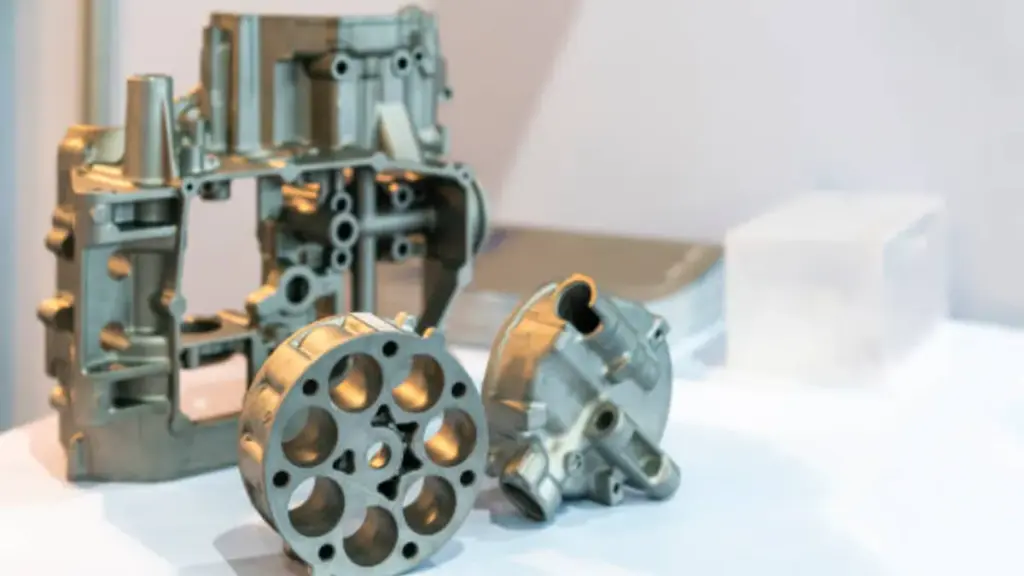
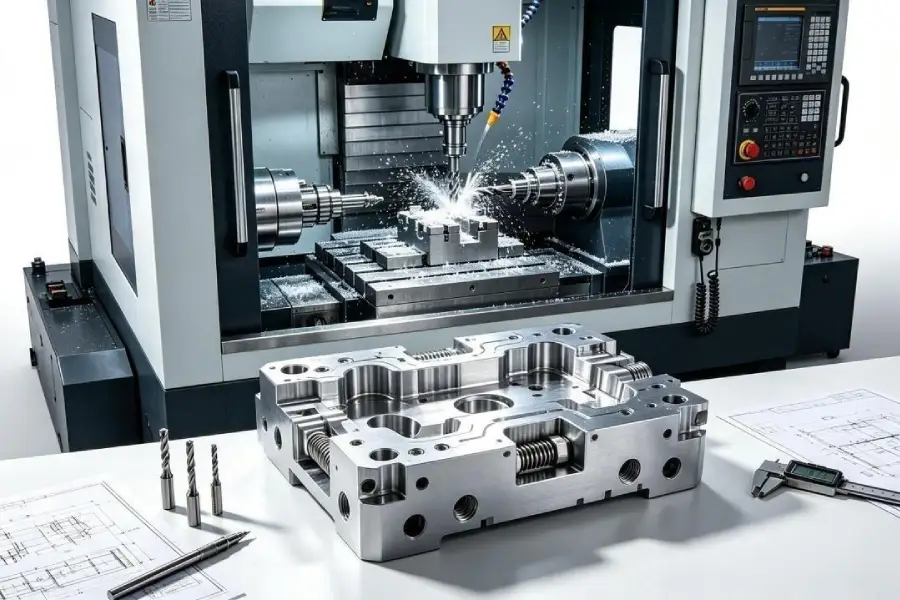
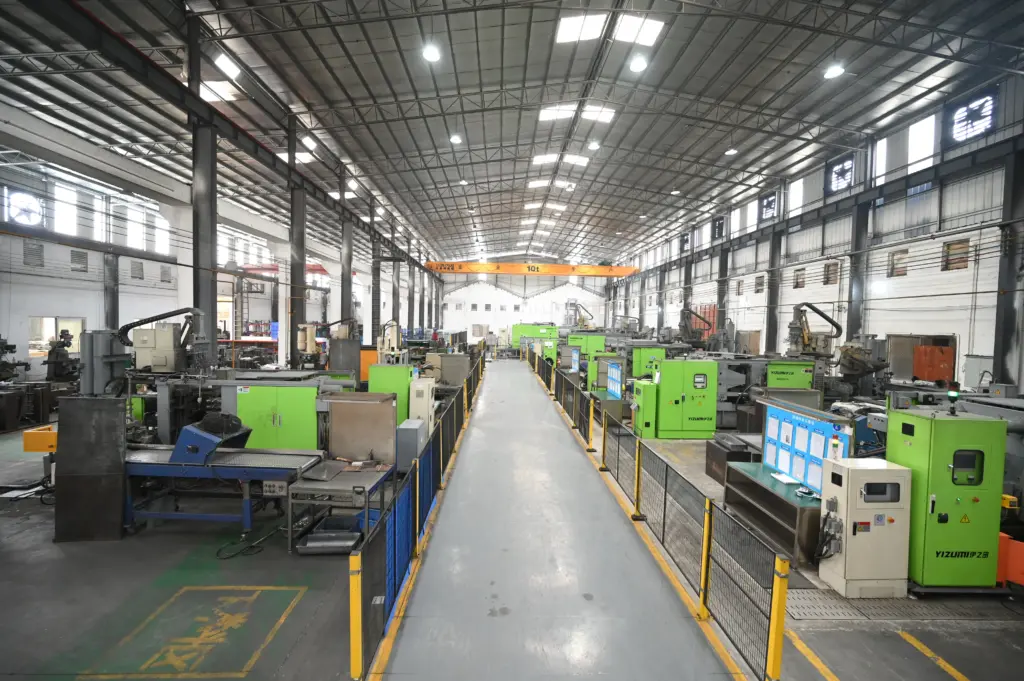
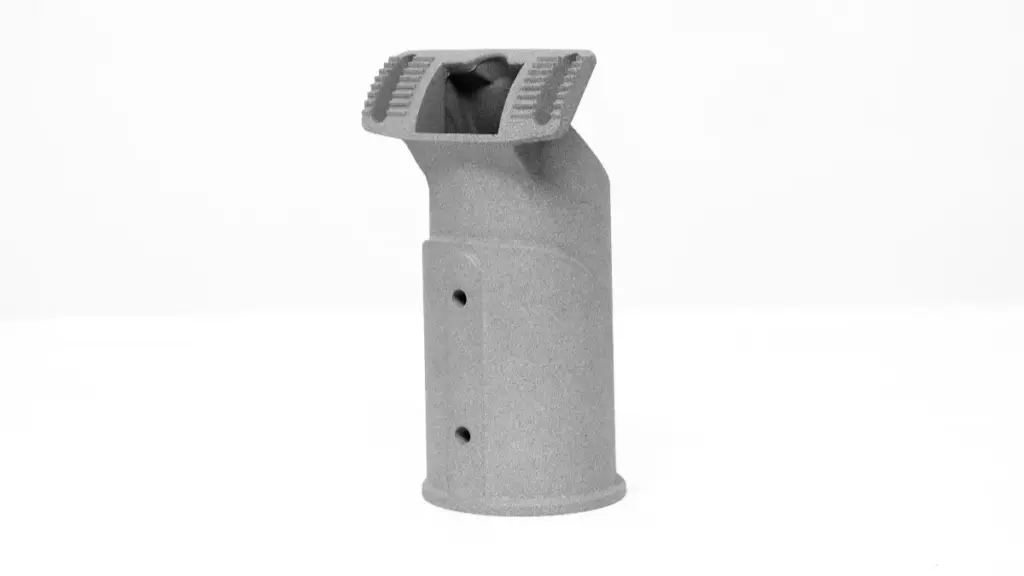
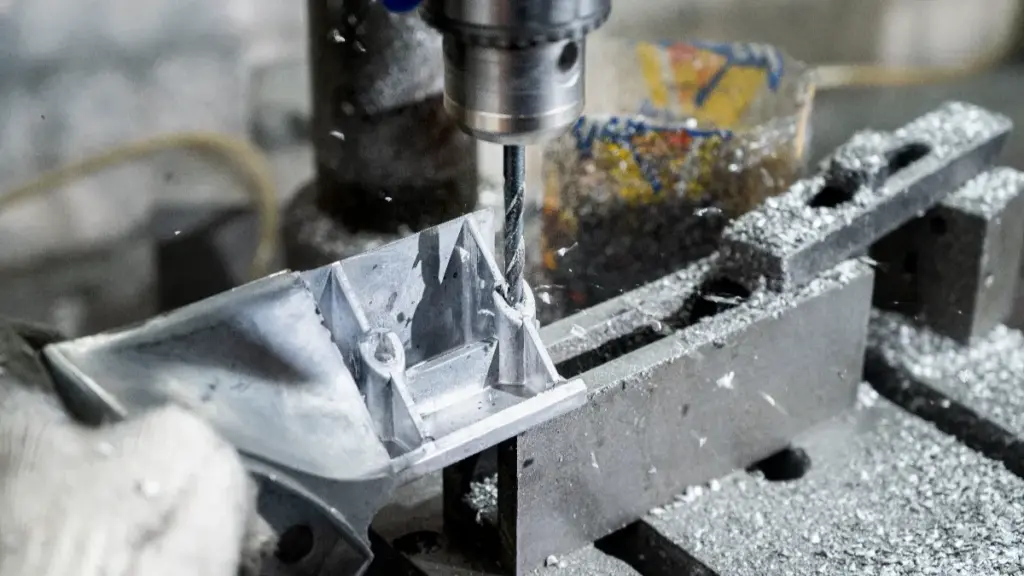
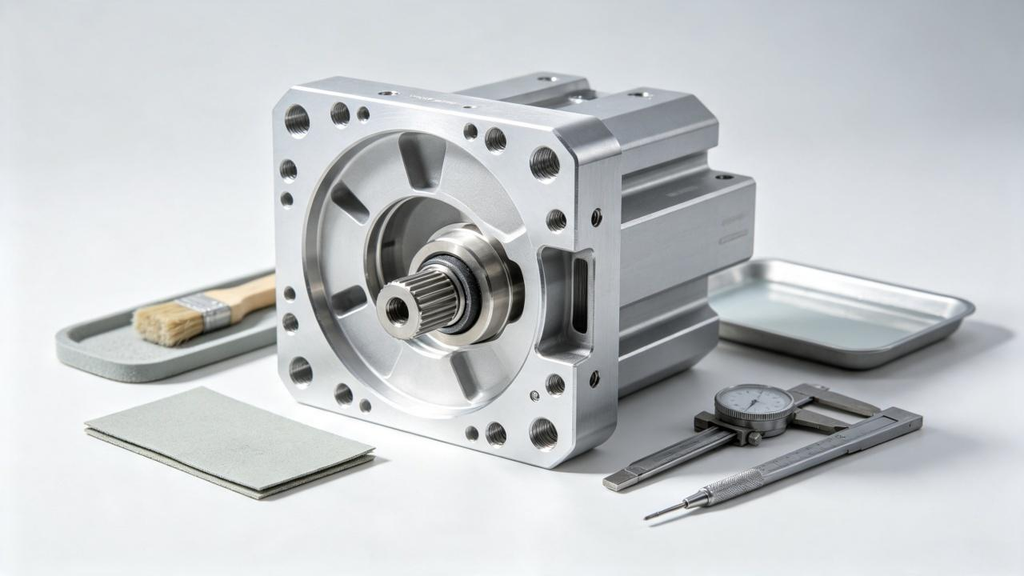
Two processes share the name “다이캐스팅” and almost nothing else. High pressure die casting shoots molten aluminum into a steel die at high speed and pressure, producing thin-walled parts at volume. Low pressure die casting pushes metal upward into the die gently, under much lower pressure, trading cycle speed for a more controlled fill. Choosing between them is one of the earliest decisions in a casting program. The wrong choice surfaces months later as porosity in an X-ray or blisters in a paint oven.
This guide compares the two processes on the dimensions that decide selection: fill mechanics, internal soundness, alloy behavior, and cost structure. The comparison is conditional by design. Which process fits a part depends on the alloy, the required properties, the achievable porosity level, and the verification results. That is why each section ends with what a buyer should confirm rather than a verdict.
How the Two Processes Fill the Die
The names describe the filling stage. In high pressure die casting (HPDC), a shot sleeve and plunger inject molten aluminum into the die cavity. Injection pressures commonly range from tens to over one hundred megapascals, and cavity fill completes in milliseconds. The speed is the point: metal freezes against the die wall almost instantly, which is how thin walls and fine surface detail become possible at short cycle times.
In low pressure die casting (LPDC), the die sits above a sealed furnace of molten aluminum. Gas pressure of roughly 20–100 kPa is applied to the melt surface, and metal rises steadily through a stalk (riser tube) into the cavity from below. Fill takes tens of seconds rather than milliseconds. The two pressure figures are measured at different points of different machines, so they should not be reduced to a single ratio.
The slow fill is the LPDC advantage: it is a controlled, low-turbulence filling method. Solidification is designed to proceed directionally from the far end of the part back toward the stalk, which stays molten and feeds shrinkage. Whether a given part actually achieves a low-turbulence fill depends on gating, riser, and process design. Treat it as an engineering target the foundry should demonstrate rather than an assumed outcome.
How High Pressure Die Casting Earns Its Volume
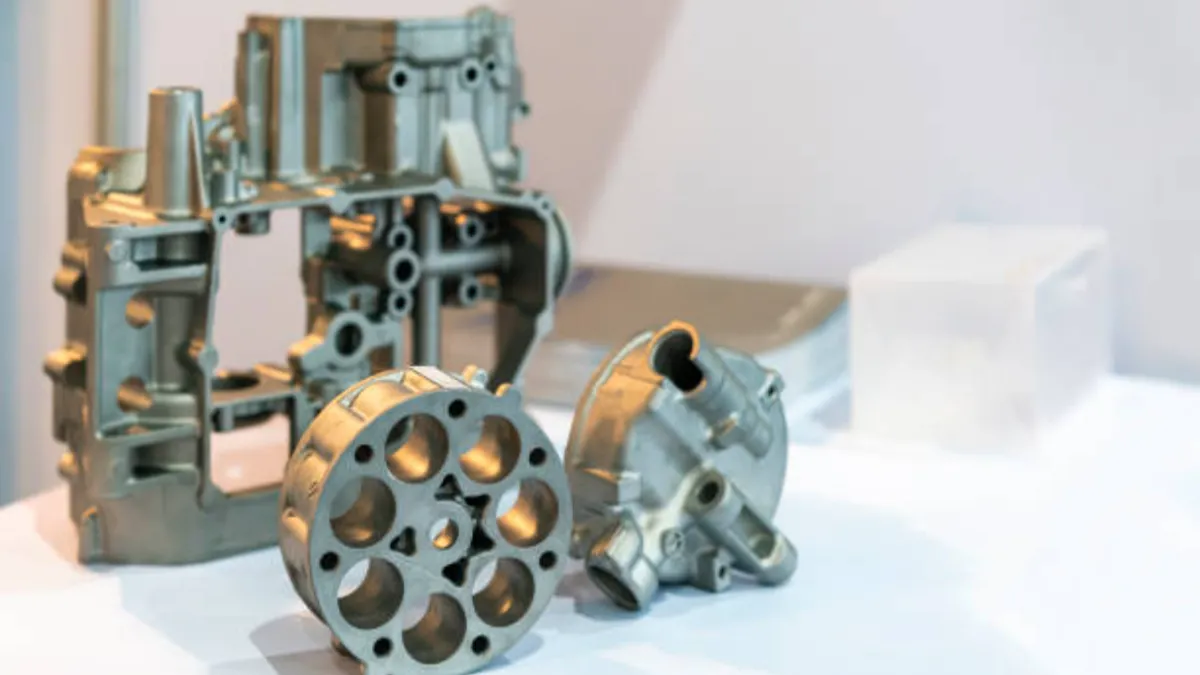
HPDC is the economics engine of the aluminum casting world. A cold-chamber machine cycles quickly for medium parts: inject, cool, open, extract, spray, close. Multi-cavity dies multiply that output, so per-part cost at volume is hard for other metal-forming routes to approach. HPDC can produce a good as-cast surface finish, but painting or powder coating still requires suitable cleaning, pretreatment and surface acceptance checks.
The trade-off lives inside the metal. The high-velocity shot entrains a small amount of air as fine dispersed porosity. Whether that porosity matters depends on where the voids sit, how large they are, and what the part must do, not on the product name. Many housings, 괄호, 커버, and heat sinks serve for years with dispersed porosity; 내하중, 압력이 없는, or heat-treatable applications need the level quantified and verified.
Porosity also limits heat treatment. Trapped gas expands and blisters the surface at solution-treatment temperatures, which is why conventional HPDC alloys are used as-cast or with paint-cycle baking. Where HPDC parts need T6-level properties or specified tightness, vacuum-assisted and squeeze variants change what the process can reach. 우리의 진공 다이캐스팅 가이드 covers that route, 그리고 porosity explainer covers how voids form and how they are inspected.
How Low Pressure Die Casting Buys Integrity
LPDC inverts the priorities. Metal rises from below in a controlled, low-turbulence manner, and the stalk remains a liquid feed path. The casting therefore solidifies under continuous pressure feeding, the same principle as a riser in sand casting but repeatable under process control. The result is a denser structure with good elongation, which is why LPDC is often chosen for parts that see fatigue loading or must survive heat treatment. 바퀴, 서스펜션 구성 요소, and structural brackets are classic examples.
Alloy practice follows the process. HPDC typically runs eutectic-rich alloys such as A380 and ADC12 for fluidity and die life. LPDC commonly runs heat-treatable alloys such as A356, because much of the process value is unlocked by a T6 temper that low-porosity metal can receive. An alloy designation does not dictate the process, 그렇지만. A356 is also sand and gravity cast, and the route still has to be chosen from the part’s requirements.
The costs are time and section. Filling over tens of seconds and solidifying directionally means LPDC cycles run minutes rather than seconds, and very thin walls are harder to fill reliably. The achievable wall range depends on alloy, gating design, and the foundry’s track record, so confirm it against sample castings instead of a generic band.
Compare the Processes on Key Dimensions
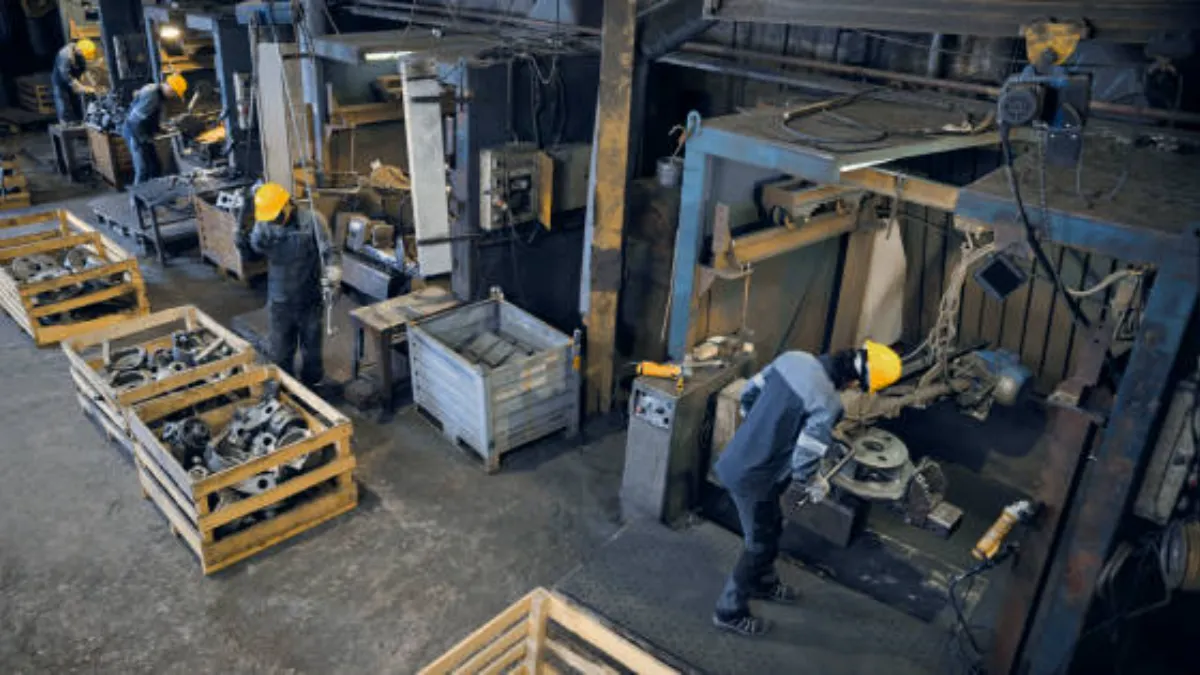
Compare the two processes using the factors below, then confirm the proposed conditions and acceptance criteria for your part.
| Dimension | 고압 다이캐스팅 | Low Pressure Die Casting |
|---|---|---|
| Fill pressure | Tens to 100+ MPa, millisecond fill | About 20–100 kPa, fill over tens of seconds |
| 채우는 행동 | High-velocity shot; air entrainment to manage | Controlled, low-turbulence rise; directional solidification |
| Internal soundness | Dispersed gas porosity; vacuum assist for tight specs | Feed-controlled structure, generally lower porosity |
| 열처리 | Usually avoided; blistering risk at solution temperature | T6 routine on heat-treatable alloys |
| 벽 두께 | Thin-wall capable; limit set by shot and alloy | Thicker sections typical; confirm achievable range |
| Cycle length | Seconds to a couple of minutes for medium parts | Minutes, set by fill and solidification of your part |
| Cost drivers | Tooling amortizes over cavities and volume | Cycle time and furnace practice drive piece cost |
| Typical part examples | 하우징, 커버, 방열판, thin-wall enclosures | 바퀴, suspension parts, fatigue-loaded sections |
Read the last two rows as mechanisms, not verdicts. Which route is cheaper for your part is a quotation question with a part-specific answer, and the examples column is a record of common practice, not an eligibility list. A comparison that ends in two itemized quotations is more useful than one that ends in a rule of thumb.
How to Choose Between the Two Processes
Start from function and verification, not from habit. A part that sees fatigue loading, must pass X-ray or pressure-tightness specs, or is specified in a heat-treatable temper should bring LPDC into the comparison early. It does not automatically exclude HPDC: vacuum-assisted high pressure processes serve structural parts, and die-casting machine builders such as Bühler list structural and megacasting applications among their process segments. Decide with the alloy, the required mechanical properties, the achievable porosity level, and first-article verification results in hand.
Ask both routes to quote the same drawing at your real batch quantities. Tooling price, modification behavior, and lead time differ with each die design, so request those terms from each supplier rather than assuming which process is cheaper to tool. Once the integrity requirement is met on both sides, minimum wall capability, cosmetic surface expectations, and the supplier’s proven experience with the geometry become the practical tie-breakers.
One honest note from a high pressure shop: Mag-cast’s production lines are built around HPDC. When a drawing calls for A356-T6 structural integrity, expect that to be flagged at quotation stage rather than quietly forced into the wrong machine. A supplier’s willingness to name its own boundary is part of what makes its recommendation usable.
Details That Decide Quality in Both Processes
Whichever process you choose, three details decide whether the casting meets print. 첫 번째, gas management: HPDC dies need venting and overflow design sized to the shot profile, plus vacuum systems where porosity specs are tight. LPDC needs clean, dry melt and stable pressurization, because pressure spikes can reintroduce turbulence. Ask which of these controls appear in the supplier’s process documentation for your tooling.
두번째, 열 관리: die temperature control governs the solidification pattern in both processes, and hot spots are where shrinkage porosity nucleates. Ask how die temperature is monitored and what the foundry does when a thermal imbalance shows up in production. 제삼, 용융 품질: ask how often furnace chemistry is verified by spectroanalysis, what records accompany shipments, and how alloy changes are revalidated, because chemistry drift moves fluidity and feeding behavior.
Simulation supports all three. Filling and solidification models help predict where air entrapment and hot spots are likely before steel is cut. Ask whether simulation is standard for your die, what it covers, and how trial-shot results are compared against the predictions. A process selection validated in simulation and confirmed by first-article inspection is a selection that survives production; a model report alone is not.
If you are still early in process selection, our explainer on aluminum die casting covers the family of processes in one place. 그만큼 alloy guide explains why A380, ADC12, and A356 behave differently in the die. For parts already committed to HPDC, the die casting product category shows typical geometries and finishes. When you are ready to put a drawing in front of engineers, 그만큼 연락처 페이지 is the fastest route to a process recommendation and a quote.
Questions About HPDC and LPDC Selection
What is the main difference between high pressure and low pressure die casting?
How the metal enters the die. High pressure die casting injects molten aluminum at tens to over one hundred megapascals in milliseconds, enabling thin walls and very fast cycles. Low pressure die casting raises metal into the die from a sealed furnace over tens of seconds. The aim is directional solidification and a denser, heat-treatable casting.
When should I compare low pressure die casting against HPDC?
Bring both routes into the comparison when the part sees fatigue loading, must pass strict X-ray or leak tests, or requires a T6 temper in an alloy such as A356. Do not stop at the default: vacuum-assisted HPDC also serves structural parts. Decide from alloy, required properties, porosity limits, and verification results on the actual geometry.
Why can’t high pressure die castings usually be T6 heat treated?
The high-velocity shot entrains fine gas porosity inside the metal. At solution-treatment temperatures that gas expands and blisters the surface. Low pressure castings solidify under continuous feeding with less entrained gas, so they tolerate T6 routinely. Where HPDC parts need heat treatment or welding, vacuum-assisted or squeeze-casting variants are the usual workaround.
Which process costs less per part?
There is no universal answer for die casting cost. Piece price follows tooling amortization, cavitation, cycle length, furnace practice, and your batch quantities, and those values differ by part. Ask both routes to quote the same drawing at real volumes, then compare the line items rather than the headline totals.
최종 생각
High pressure die casting and low pressure die casting solve different problems, and the boundary between them moves with vacuum technology, alloy practice, and the evidence a supplier can show. Treat every process claim, in this article or in a quotation, as a hypothesis to verify against your part. The porosity level, the temper, the achievable wall, and the cost at your real batch all need part-specific confirmation.
Compare both routes on the same drawing, ask for the confirmation items listed above, and let first-article results close the decision. Choosing a suitable process early, then validating the tooling and production controls, helps reduce the risk of porosity-related rejects and finishing defects.