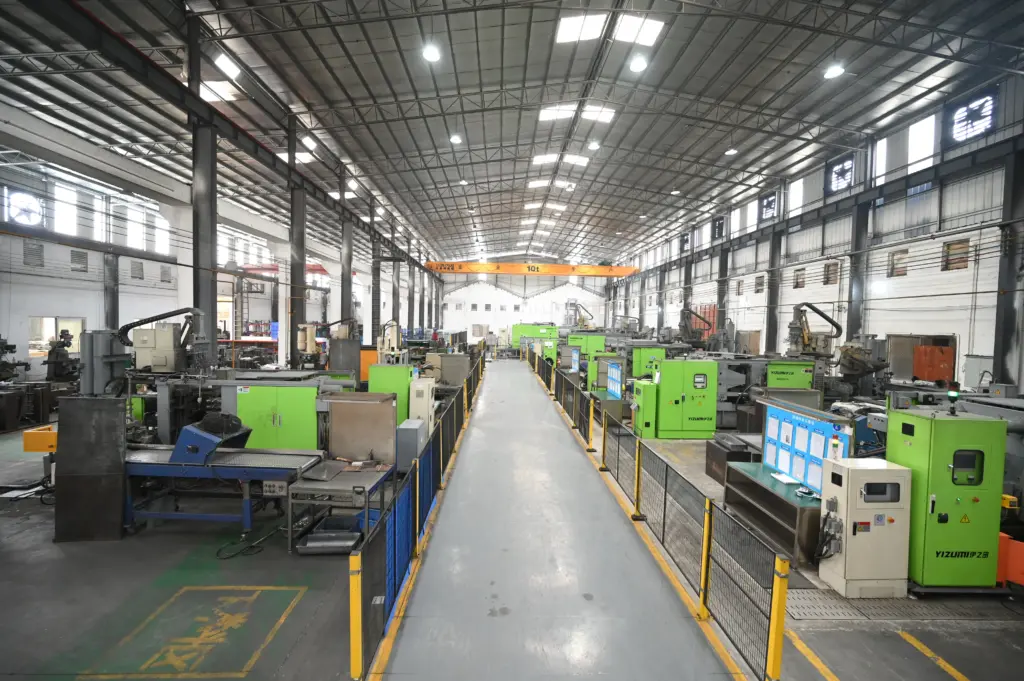
Ask three suppliers for the same machined die cast part and you will get three different prices. The gap is rarely dishonesty. Quotation scope, batch definition, and acceptance requirements differ between suppliers, and the same drawing can sit inside very different assumptions about how it will be made.
CNC machining cost is not a single number. It is the sum of machine minutes, setup events, inspection passes, and the design decisions that quietly multiply all three. Buyers who understand the buckets negotiate better; buyers who understand the levers design cheaper parts. This guide breaks the cost structure down the way quoting engineers see it, then shows what a buyer should compare across quotes for post-machining on die cast parts.
What Actually Drives CNC Machining Cost per Part
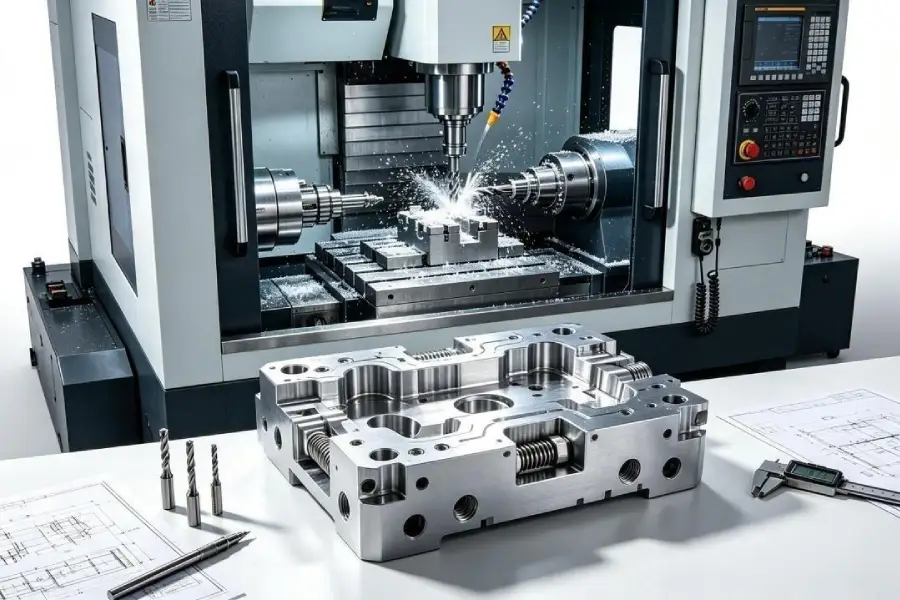
CNC machining cost depends on cycle time, setup charges, and inspection and finishing requirements. Compare quotes against the same drawing revision, batch quantity and acceptance criteria. You can review the full capabilities list to see machining, acabamento, and testing services side by side.
| Cost Item | What Affects It | What to Confirm in the Quote |
|---|---|---|
| Machine time | Machine rate, material removal, tool changes and cycle time | Proposed machine type, estimated cycle time and operations included |
| Initial engineering and tooling | Fixture design, programming and initial process validation | Charges listed separately or included in the piece price, and the quantity used to spread them |
| Recurring batch setup | Changeover, fixture alignment and setup verification | Which charges repeat for each batch and the batch size assumed |
| Inspection and finishing | Measurement methods, sampling, reports, deburring and surface requirements | Checks and finishing operations included, plus any separately quoted services |
A machine with more axes may carry a higher hourly rate while reducing setups or cycle time. Compare the total machining cost using our 3-eixo, 4-eixo, e guia de 5 eixos.
Illustrative setup-cost calculation: If a $600 one-time charge is spread across the stated quantity:
- 50 peças: $12 per part.
- 5,000 peças: $0.12 per part.
These figures illustrate cost allocation, not supplier prices. Confirm whether initial charges will be billed separately or recovered through the piece price, and how repeat orders or design changes affect them.

Design Moves That Cut Machine Minutes
The cheapest minute of machine time is the one you do not spend. Tolerance discipline is the biggest lever. A tight callout on a non-mating surface can force a finishing pass, a slower feed rate, and an inspection step the part does not need. Reserve tight tolerances for features that mate, selo, or rotate, and let everything else sit under a general as-cast tolerance. Nosso machining checklist covers how to mark that split on the drawing.
Tool accessibility is the second lever. Deep pockets with small corner radii demand long slender tools that must run slowly. Opening an internal corner radius, where function allows, lets the shop use a shorter, stiffer cutter that removes material faster. Ask your supplier to compare cycle time before and after the change rather than trusting any rule of thumb.
Hole depth works the same way, but the outcome is not decided by depth-to-diameter ratio alone. Drill type, coolant delivery, material, and chip evacuation all influence whether a given hole drills in one pass or needs pecking. The same caution applies to any geometry change. Radii and hole depth also affect stiffness, vedação, and assembly behavior. Confirm function, força, and fit with engineering before the change reaches a quote.
The third lever is datum planning. Machining datums designed into the casting, such as dedicated pads, give the shop a reliable reference for clamping. Whether one setup can reach every feature still depends on tool access, fixture design, and machine capability. Treat fewer setups as a likely benefit to verify, not a promise. Improvised datums tend to add setups, and each added setup carries handling and positioning questions of its own.
Casting Design Choices That Shrink the Machining Bill
Die casting’s economic strength is near-net-shape: the mold forms most of the geometry, and machining only touches what must be precise. That forming is not free. Its cost appears in the tooling price, the casting cycle, and the yield you accept, and it buys the reduction in machining content. The closer the casting sits to final form within those limits, the smaller the machining bill.
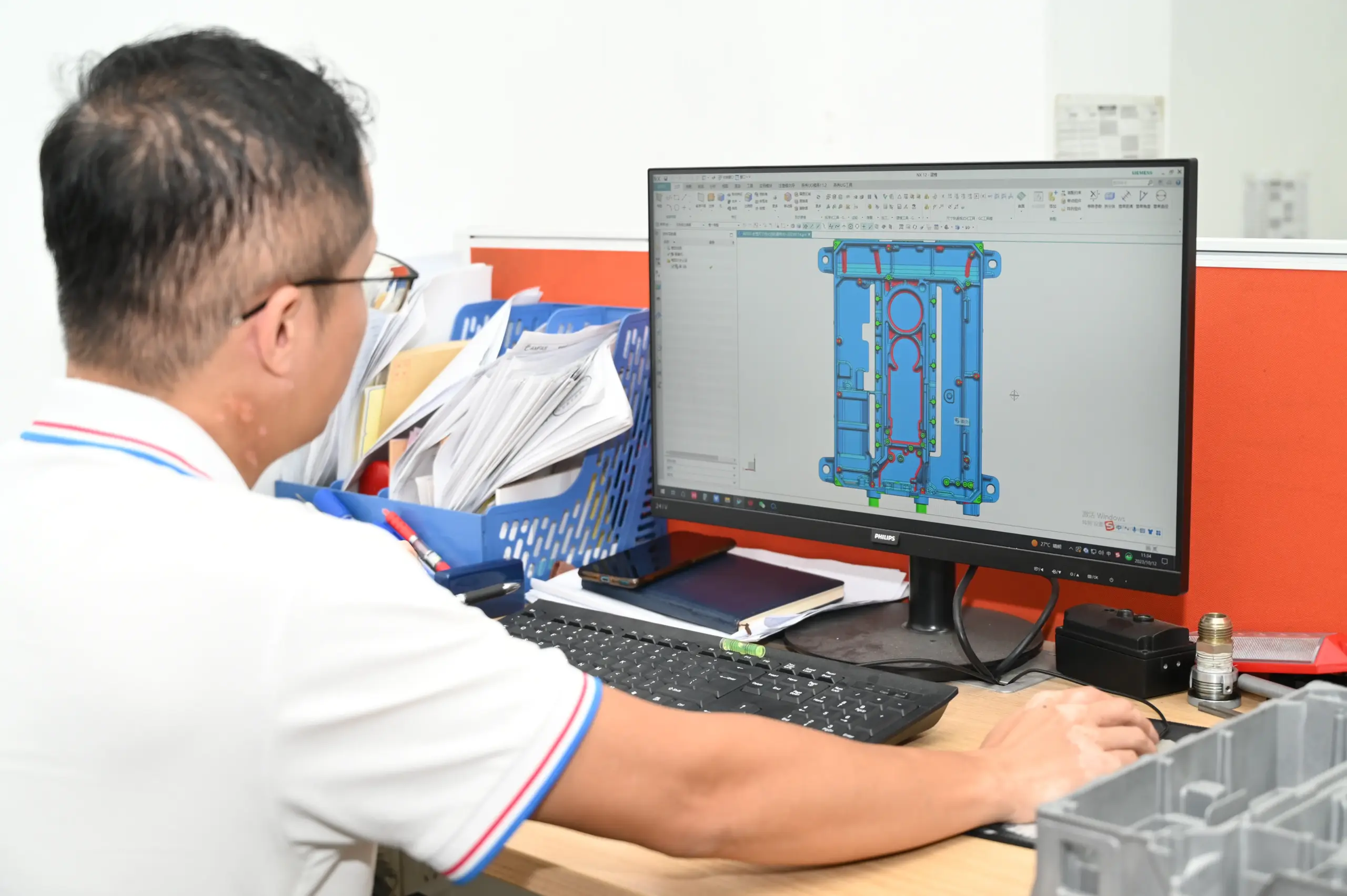
Espessura da parede, generous draft, and ribs instead of thick bosses all reduce the material the CNC machine must remove later. The specific values depend on alloy, tamanho da peça, and the die, so settle them in the DFM exchange rather than copying a generic band. Nosso lista de verificação DFM pré-cotação lists what to raise before tooling starts.
Simulation supports these choices. Filling and solidification analysis helps identify where flow and shrinkage risks sit relative to later machining faces. The result still needs trial shots and inspection to confirm, because a predicted sound face is a plan, not a measurement.
Gate and overflow placement matter too. Gates leave witness marks; if a gate lands on a future sealing face, that face may need extra stock and an extra machining pass to clean up. Moving a gate during mold design is a real engineering change: it can alter filling behavior, runner layout, and die structure, so weigh it against the cleanup cost it avoids. The question to put to the foundry is whether gate positions were chosen with the machined faces in mind.
Setups, Fixturing, and Batch Sizing Multiply Cost
Three multipliers hide in most quotes. The first is setup count: every additional machining setup adds fixture handling, re-indication, and fresh positioning risk. When a supplier proposes more setups than you expected, ask what each one buys and whether a datum or fixture change would remove it. The second is fixturing strategy. Soft jaws contoured to the as-cast skin cost more to build once, but they protect thin walls from clamp distortion. That protection avoids scrap and rework that dwarf fixture cost at volume.
The third is batch sizing against your demand pattern. Larger batches cut amortized setup cost but raise inventory carrying cost and freeze design revisions. Programs with stable demand benefit from scheduled larger batches; programs still evolving should keep batches small until the drawing freezes, then renegotiate. The right batch size depends on your revision risk, so ask the supplier to price the same part at two or three batch quantities and show the curve.
Finishing and logistics belong in the same conversation. Revestimento em pó, tiro, or anodizing add per-part cost but also add handling. Consolidating casting, usinagem, and finishing with one supplier can remove inter-vendor freight and re-inspection. The size of that benefit depends on how much of the chain the supplier actually performs in-house. Ask which processes are internal at each facility and which are subcontracted before treating consolidation as a saving. Nosso packaging and logistics page shows how finished parts are protected and staged for export.
What to Compare Before You Send the RFQ
Run this list before requesting quotes. It gives you a common frame, so a fair comparison of CNC machining cost starts from the same buckets before anyone negotiates.
| Checklist Item | Cost Mechanism | What to Ask the Supplier |
|---|---|---|
| Tight tolerances only on mating features | Fewer finishing passes and inspection steps | Which features still require machining at this tolerance? |
| Larger internal radii where function allows | Mais curto, stiffer cutters and faster pocketing | Can a shorter, more rigid tool reach this pocket? |
| Machining datums designed into the casting | Repeatable clamping with fewer positioning questions | How many setups would this datum scheme remove? |
| Gates kept off future machined faces | May reduce gate-removal work; machining allowance still depends on the feature requirements | Does the gate position balance filling with post-machining? |
| Batch size matched to revision risk | Amortization without obsolete inventory | How do unit price and inventory cost shift by batch size? |
Normalize every quote into the same three buckets before you rank suppliers. A low piece price with high recurring changeover can lose to a higher piece price with one-time setup once your real batch quantities are applied. The same exercise exposes scope gaps: a quote that quietly skips deburring, wash, or final inspection looks cheaper only because someone else will pay for it later. This is where CNC machining cost stops being a mystery number and becomes a set of decisions you can argue about line by line.
Send your STEP file and target volume through the página de contato and ask for a combined casting-plus-machining quote. Mag-cast fornece um relatório de análise DFM gratuito, with quotes in two days and DFM in three days per our published service terms..
Questions About Machining Cost on Die Cast Parts
What drives CNC machining cost per part the most?
The main driver depends on the part and order quantity. Initial engineering and batch setup can dominate small orders, while cycle time, inspection and yield become more important at larger volumes. Compare these items using the same scope and quantities.
When does a tighter tolerance raise the price?
Not automatically. A tighter callout can add finishing passes, slower feeds, and extra inspection, which raise cost, and that is the usual direction. A change that stays inside the supplier’s proven process capability may add little, though. Ask which specific operations a callout triggers before assuming every tenth of a millimeter carries a price.
Should one supplier handle casting, usinagem, e acabamento?
Consolidation can remove inter-vendor freight, duplicate incoming inspection, and blame-shifting between casting and machining vendors. The benefit depends on what the supplier actually performs in-house, so ask which processes are internal and which are subcontracted before treating a single purchase order as a saving. One team owning the final dimension is an advantage only when the chain is genuinely connected.
How do I compare quotes that differ by setup charges?
Rewrite each quote into the same three buckets: tempo de máquina, setup and amortization, and inspection and finishing. Ask every supplier to mark which charges are one-time and which repeat per batch, then price your actual quantities. Two totals that look far apart often converge once the assumptions are visible, and the remaining gap becomes a comparison you can negotiate.
Considerações Finais
Cost per part is a design outcome wearing a purchasing label. The quote you receive is a set of assumptions priced out. The buyer’s leverage lies in making those assumptions explicit. Write down machine class and cycle time, one-time versus recurring setup charges, inspection content, and the batch quantities behind each number.
Compare quotes in the same buckets, ask suppliers to show the mechanism behind every claimed saving, and let the design carry only the precision that function requires. Programs that win on price are the ones that treated the quote as a conversation between engineers, not a number pulled from a table. Clear assumptions help buyers compare total cost and judge whether a quoted saving is credible.