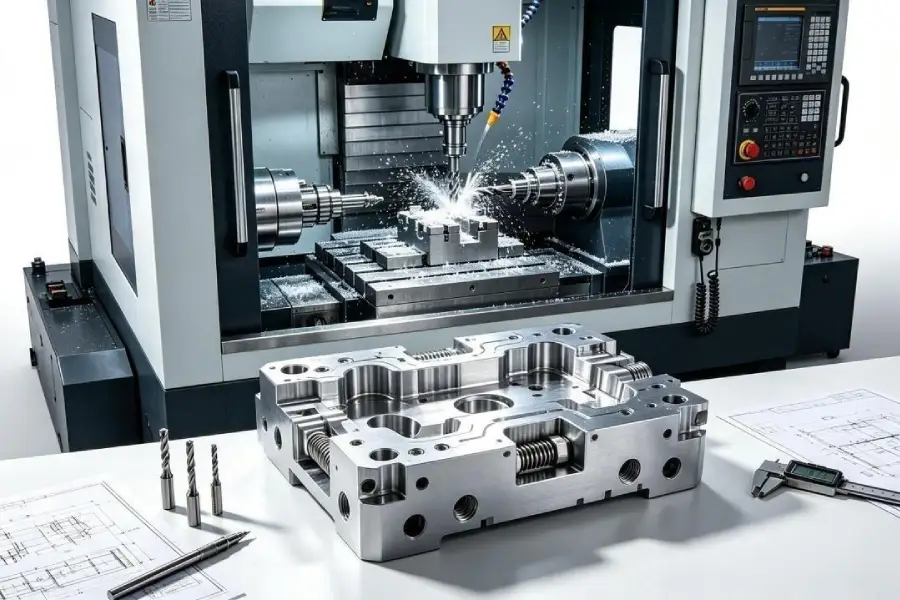
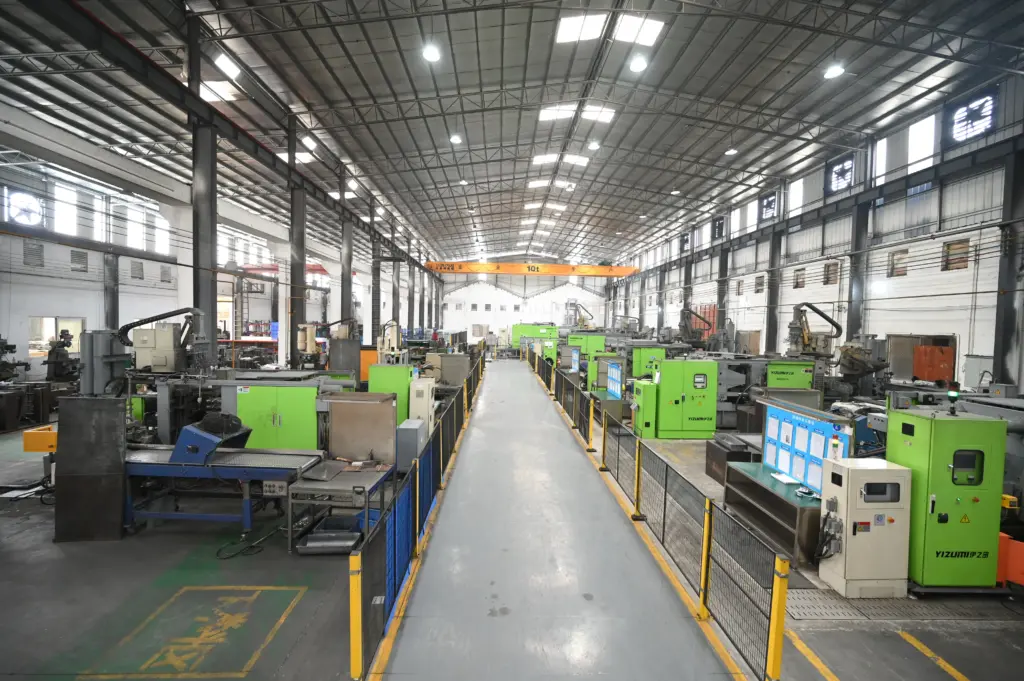
In high volume die casting, the price of a part is mostly arithmetic. It is the cost of running the cell for an hour, divided by the good parts that hour produces. HPDC cycle time is the denominator of that division. This guide follows the line from stage timings, to good output, to cost per part, and flags which numbers are arithmetic on stated assumptions rather than promises.
It breaks down where the seconds in a high pressure die casting cycle actually go, which levers genuinely cut them, and which shortcuts quietly convert saved time into scrap. Every process claim here is paired with the record or trial a buyer should ask for, because cycle time is decided in your cell, not in a published table.
The Anatomy of an HPDC Cycle
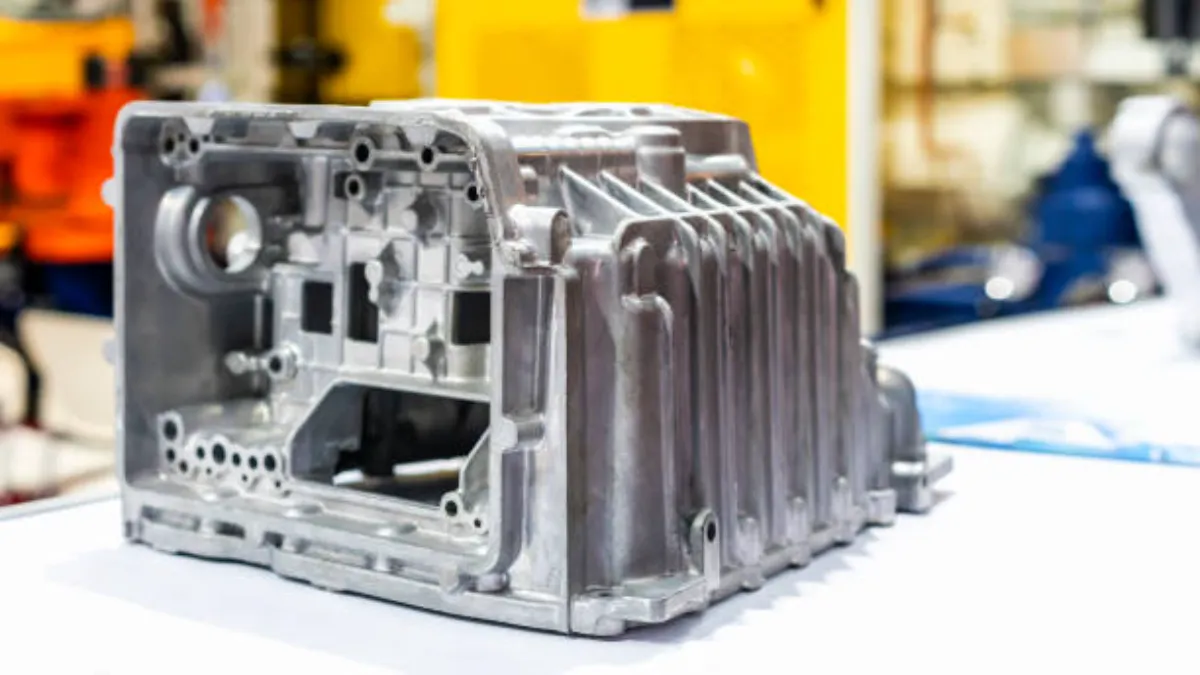
One full cycle runs from the start of one shot to the start of the next. The die closes, molten aluminum is ladled into the shot sleeve, and the plunger injects the metal. The casting freezes under pressure, o dado abre, and the part is ejected and extracted. The die halves are sprayed with release agent, then close again.
The counterintuitive part is how little of that time is casting. Cavity fill completes in a fraction of a second, and everything that prices the part happens after the metal stops moving: solidificação, extraction, spraying, and machine motion. Measuring HPDC cycle time stage by stage is the first optimization step, because plants differ in where their seconds actually go.
The table below maps each stage to its levers and its verification risks. Use it as an audit sheet against your own timing log.
| Cycle stage | Influencing factors and optimization levers | Risks to verify |
|---|---|---|
| Fill and injection | Gate design, shot profile, plunger size, sleeve fill ratio | Turbulence and entrapped air at higher fill speeds |
| Solidification dwell | Alloy freezing range, hot spots, cooling circuits, die temperature | Hot tears and distortion if die opens too early |
| Open, eject, extrair | Machine motion speed, robot path, part stick condition | Ejection damage on hot, thin sections |
| Die spray | Targeted nozzles, multi-circuit spray tools, agent dilution | Soldering and galling if the die gets too little agent |
| Close and ladle | Auto ladling timed against die closing, spray overlap | Cold metal and inconsistent shot weight from slow ladling |
| Pós-processamento | Trim die design, CNC layout, queue time between operations | A downstream bottleneck re-prices the fast cell |
For the process context behind these stages, nosso aluminum die casting explainer covers the full cycle from melt to finished part.
Balancing Solidification and Die Temperature
The die must stay closed until the casting is solid enough to eject without warping or cracking. How long that takes depends on the alloy freezing range, the location of local hot spots, die temperature control, and cooling circuit design. Wall thickness influences the answer, but it does not decide it alone. Treat any published table that maps wall thickness to a fixed dwell band as folklore rather than physics.
The reliable number comes from die trials. Instrumented shots, staged ejection tests, and inspection of early castings for hot tears and distortion are what qualify a dwell time. When a supplier quotes seconds of open-die timing, ask which trials produced that figure and what the first-article results showed.
Uniform, thin walls still shorten the average cycle, because the die waits for its last section to freeze and one local heavy boss taxes every shot. Where strength, dissipação de calor, and assembly requirements allow, a DFM review that thins and uniformizes walls is the cheapest cycle-time program available before tooling steel is ordered. Thin-wall lighting housings are the classic example, and our lighting parts category shows the geometry involved.
Die temperature is the other half of the same system. The die must be warm enough for the metal to fill without cold shuts, and cool enough to pull heat out of the casting quickly. Cooling circuits near heavy sections carry most of that load, and the water-based release agent sprayed between shots cools by evaporation as well as lubricates. Control loops with heaters, thermocouples, and flow balancing keep the system on its set point so the cycle stays stable hour after hour.
Conformal cooling channels follow the contour of the casting instead of running in straight drilled lines. They can shorten solidification and reduce spray time, at the price of higher tooling investment. They are worth specifying when volume is committed and sections resist uniform thinning. Where mold flow simulation is used during development, it can predict hot spots before steel is cut; ask whether simulation results were compared against trial shots.
The Spray and Extraction Budget
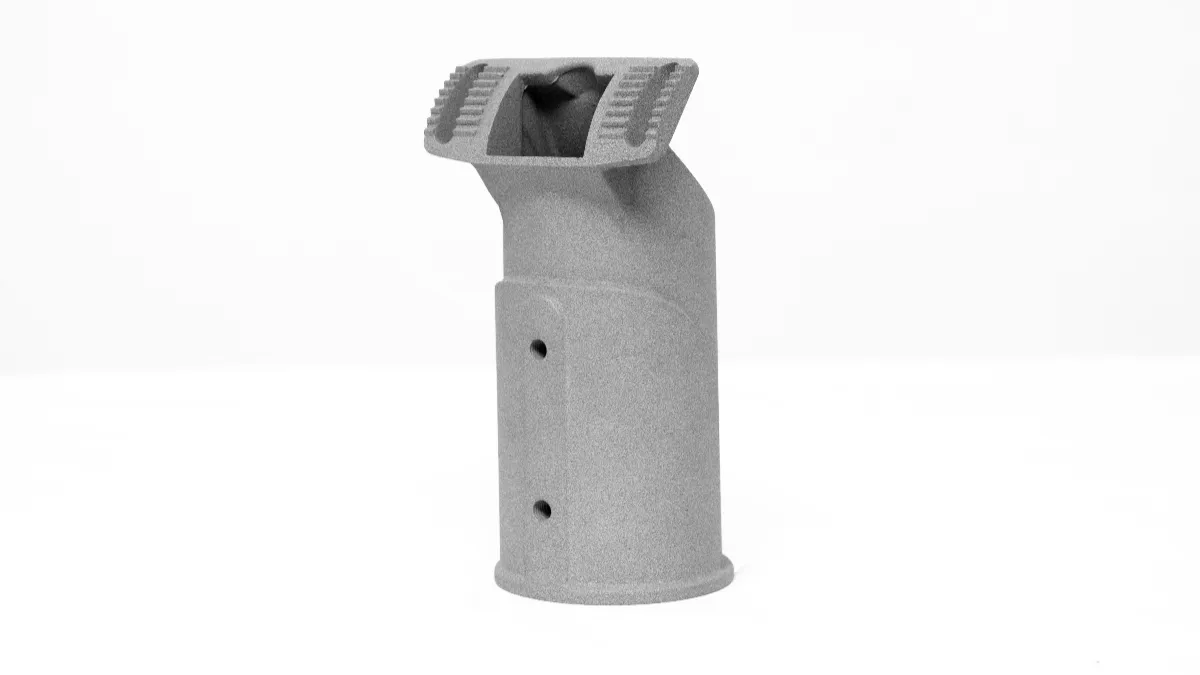
Once the die opens, the cycle continues on the non-casting seconds: ejeção, robot extraction, die spray, and die closing. How long these stages take depends on part size, die complexity, and cell automation, so measure them in your own cell rather than assuming a fixed share of the clock.
Spray deserves attention because it does three jobs at once: it prepares the surface for release, cools the die, and clears residue. Equipment makers engineer spray units specifically to shorten spraying times and lift overall productivity, and Bühler’s BuhlSpray product page is one public example of that design focus. Targeted nozzles that wet only the areas needing agent beat hosing the whole die face.
The verification risk sits in surface quality. Too little agent invites soldering and galling, and die repair downtime costs far more than the spray seconds were worth. Ask how spray coverage is checked and how often die maintenance records show surface wear on comparable tools.
Automation pays fastest in these seconds. Auto ladles meter the shot while the die is still closing, and extraction robots pull parts on a fixed beat. Automated cells make it easier to hold a repeatable rhythm shot after shot. They do not guarantee optimum timing on every shot, because the process still needs monitoring, qualification, and periodic re-trials.
Downstream of the machine, trimming, Deburrendo, perfuração, and CNC operations each set their own pace. A bottleneck in post-processing re-prices the part even when the casting cell is fast. Ask a supplier to describe its downstream capacity and typical queue times, not just the presses on its floor.
Cavitation Buys Time with Steel
The other structural lever is the number of cavities. Each shot produces several parts, so machine time per part divides by that count. A four-cavity die on a 60-second cycle yields a theoretical 240 partes por hora, and eight cavities on the same cycle yield 480. A sixteen-cavity die on a 45-second cycle reaches a theoretical 1,280 partes por hora. These are theoretical output examples, not delivery promises: actual good output depends on yield and uptime.
The limits are physical and economic. Every added cavity adds projected area, so clamping force must cover the whole layout. Cavities must fill in balance, or scrap rises and erases the gain. And the die cost only amortizes when volume is committed, which is why automotive and lighting programs plan cavitation together with cycle time from day one.

Melt Discipline Keeps the Cycle Stable
Melt work happens off the clock, until it fails to. A furnace that holds temperature and chemistry steady keeps fill behavior identical shot to shot. Metal that drifts in chemistry changes fluidity and freeze range, and every cold shut or short shot is a cycle that produced nothing.
Buyers should ask for the records rather than take assurances. How often is furnace chemistry verified by spectrometer? What traceability accompanies shipments? How are alloy changes revalidated, and what has the scrap rate been over the last quarter? These documents show whether the process window a quoted cycle assumes is actually being held.
Stability is speed. A plant that runs low, documented scrap finishes effectively faster than one that shaves seconds and reworks castings, because the second plant pays its cycle twice.
The Cost Math Behind Every Second
The arithmetic is worth writing down. Call the cell’s all-in hourly cost the rate R, covering machine depreciation, labor, energy, and consumables. Two formulas then turn HPDC cycle time into per-part cost:
Theoretical output (parts/hour) = 3,600 × parts per shot ÷ cycle time (segundos).
Cell cost per theoretical part = hourly cell cost × cycle time ÷ (3,600 × parts per shot).
These calculations assume continuous running and that every casting is good. Actual cost per part should use the same period’s operating cost and good-part count, and must include downtime, scrap, and rework. The theoretical figure is a planning ceiling; the good-part figure is what the invoice reflects.
The comparison also needs a unit. UM 10% shorter cycle cuts the machine-time share of piece cost by 10%, on every part, for the life of the program. That is a proportional saving. Whether a two-second cut beats a five-second cut depends on which cycles they shorten and what the cell costs per hour. Compare percentages, or compare absolute money with cavitation and yield held equal.
Scrap multiplies the same math in reverse. A scrapped casting consumes its full cycle and produces negative value, plus the inspection and rework minutes around it. Optimizing cycle time without holding first-pass yield transfers cost from the stopwatch to the scrap bin.
What Cycle Optimization Cannot Fix
Every lever above has a floor, and pretending otherwise is how plants ship cracks. Solidification physics sets a minimum dwell for each geometry and alloy. Opening the die early produces hot tears, distorção, and ejection damage that scrap the very seconds the schedule saved.
The popular claim that solidification is always the longest stage is a habit, not a measurement. In some cells dwell dominates; in others spray, extraction, or machine motion does. The correct sequence is to log stage timings over a full shift, find the largest measured block, and attack that one first. That is how HPDC cycle time reduction targets real seconds instead of assumed ones.
Vacuum assist is a deliberate trade, not a free upgrade. Whether evacuation adds seconds to the full cycle depends on whether the pumping step overlaps with other machine motions and on the equipment configuration. Where a specification calls for low internal porosity, the time cost is paid for quality, and the buyer should ask which shots it applies to.
The honest optimization target is total cost per good part, tracked over weeks rather than one good shift. Ask a supplier for that trend, alongside the maintenance cadence that keeps cycle times from drifting as the die ages. If you want a cycle-time expectation against a specific drawing, o página de contato reaches the engineers who quote them.
Questions About HPDC Cycle Time
What is a typical cycle time for aluminum high pressure die casting?
Cycles for mid-size aluminum parts commonly run from tens of seconds to a few minutes, set by part size, wall sections, die complexity, and cell automation. Cavity fill itself takes only a fraction of a second. The reliable number for your part comes from measured stage timings during die trials, not from a published band.
Which part of the HPDC cycle takes the longest?
There is one honest answer: measure first. Solidification dwell is often the largest block, and dwell rises with heavy sections and slow-freezing alloys, but spray, extraction, and machine motion can dominate in some cells. Log each stage over a full shift and optimize the largest measured block, not the assumed one.
How does a multi-cavity die reduce cycle time cost?
Each shot produces several parts, so machine time per part becomes cycle time divided by cavity count. A four-cavity die on a 60-second cycle yields a theoretical 240 partes por hora, and eight cavities yield 480. Total projected area grows with each cavity, and unbalanced cavities raise scrap, which erases the gain.
What records show that a quoted cycle time is stable?
Ask for spectrometer verification frequency on the melt, traceability records accompanying shipments, first-pass yield over several weeks, and the die maintenance schedule. Together these show whether the process window behind the quoted HPDC cycle time is held in production rather than only during trials.
Considerações Finais
HPDC cycle time optimization is a measurement discipline before it is a speed obsession. The line runs from stage timings, through good output, to cost per part, and every shortcut that skips a step shows up later as scrap, retrabalhar, or die downtime.
Treat each number in this guide as arithmetic on stated assumptions or as a question for your supplier. Programs that measure their seconds, verify their yield, and price the result per good part are the ones that keep the saving.