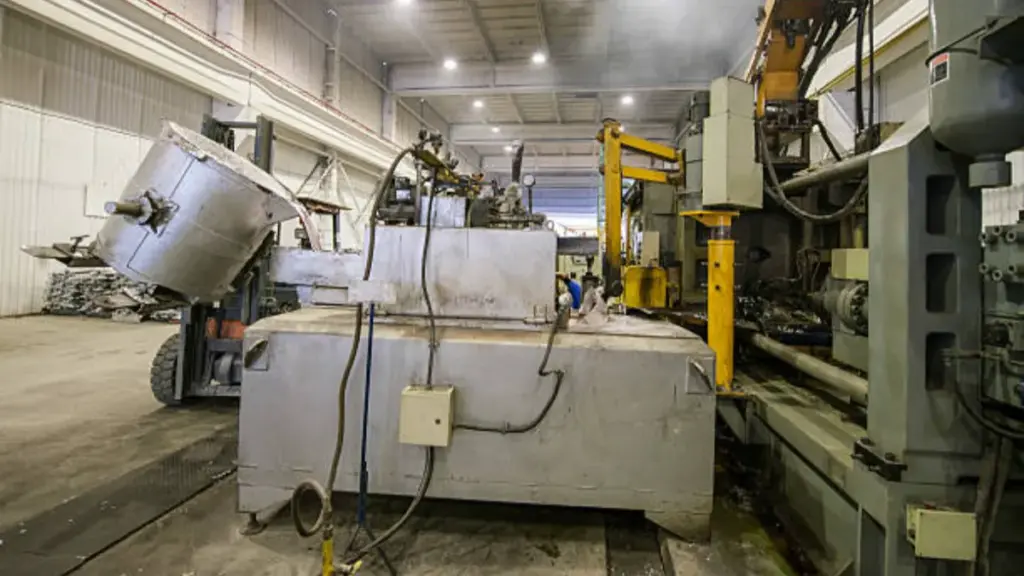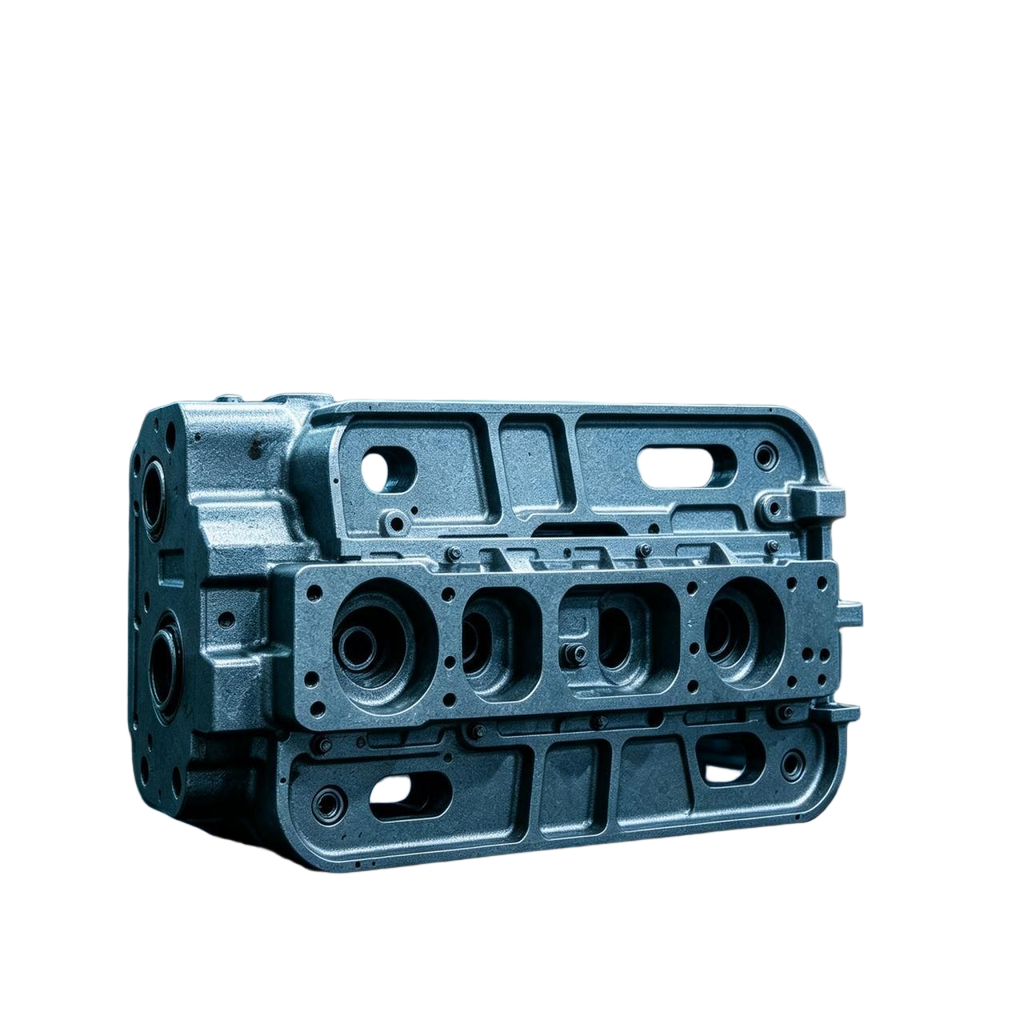
Die casting delivers the near-net geometry of an aluminum part; CNC machining delivers the dimensions the die cannot hold. के लिए हमारा मार्गदर्शक कास्टिंग बनाम मशीनिंग compares the two processes and the hybrid route, and our post machining services page shows how the shop floor runs the work. This article is the buyer’s half: what to write into drawings and acceptance requirements so post-casting machining is quoted, made and inspected the way you mean it. Which features get cut, how datum faces and allowance are planned, and how machined features prove out before shipment.
Which Features Get Machined After Casting
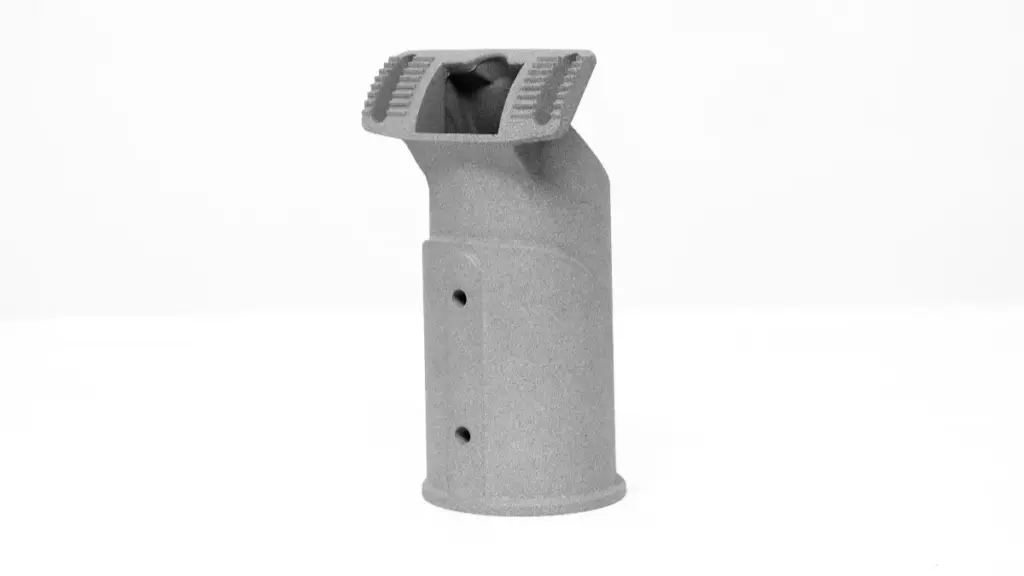
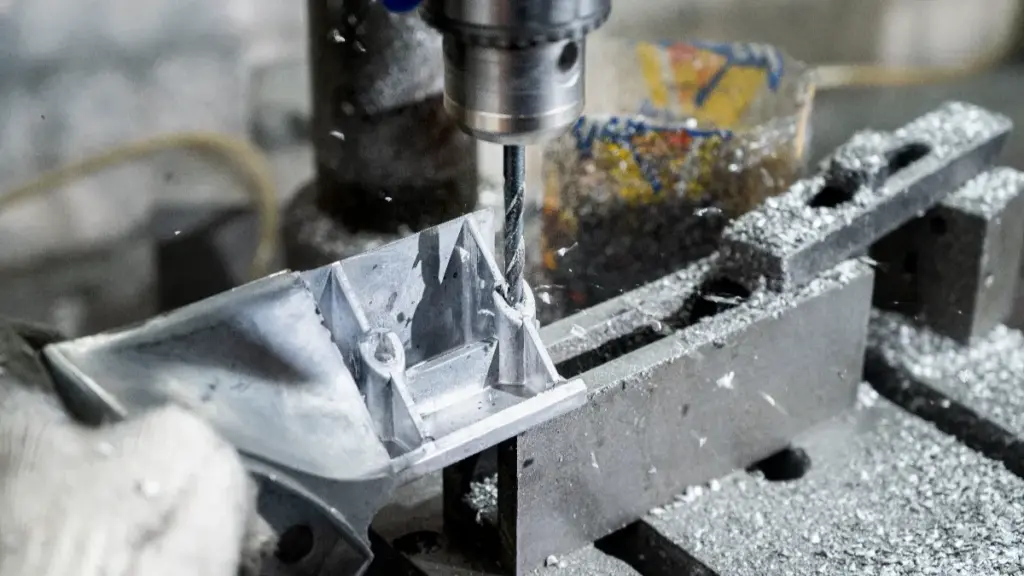
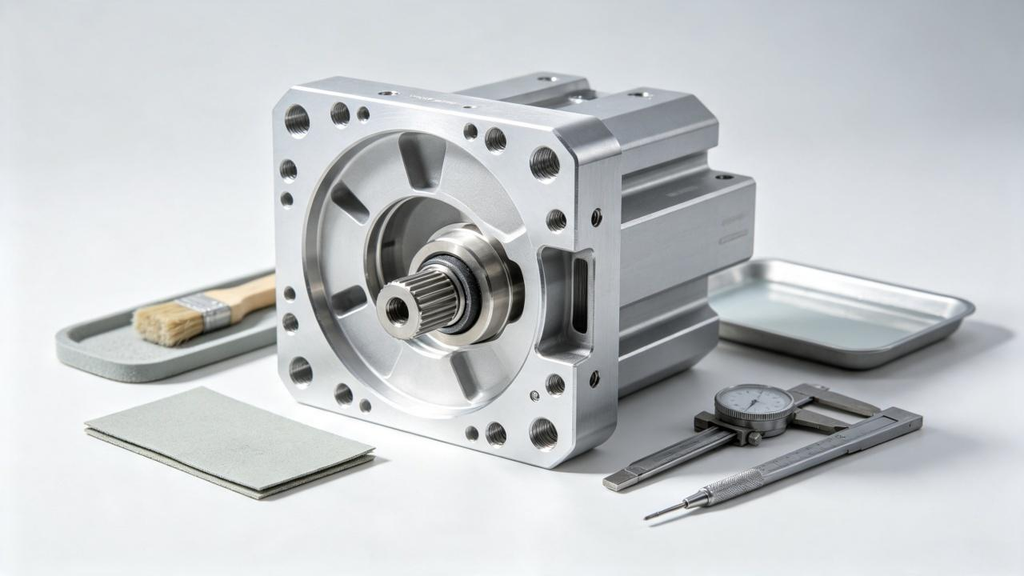
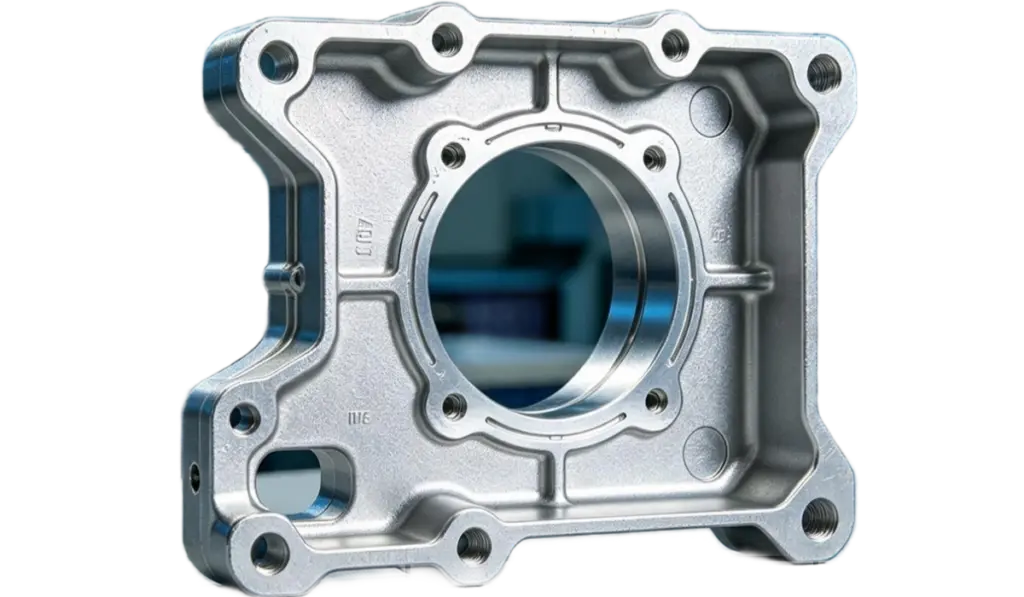
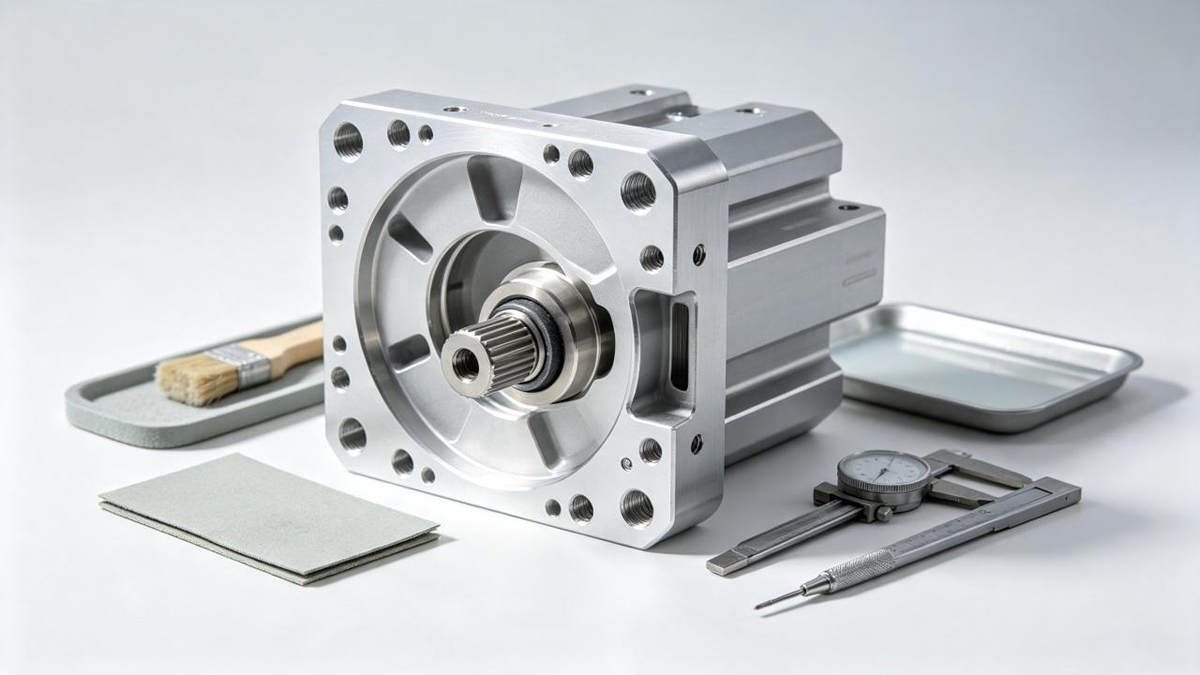
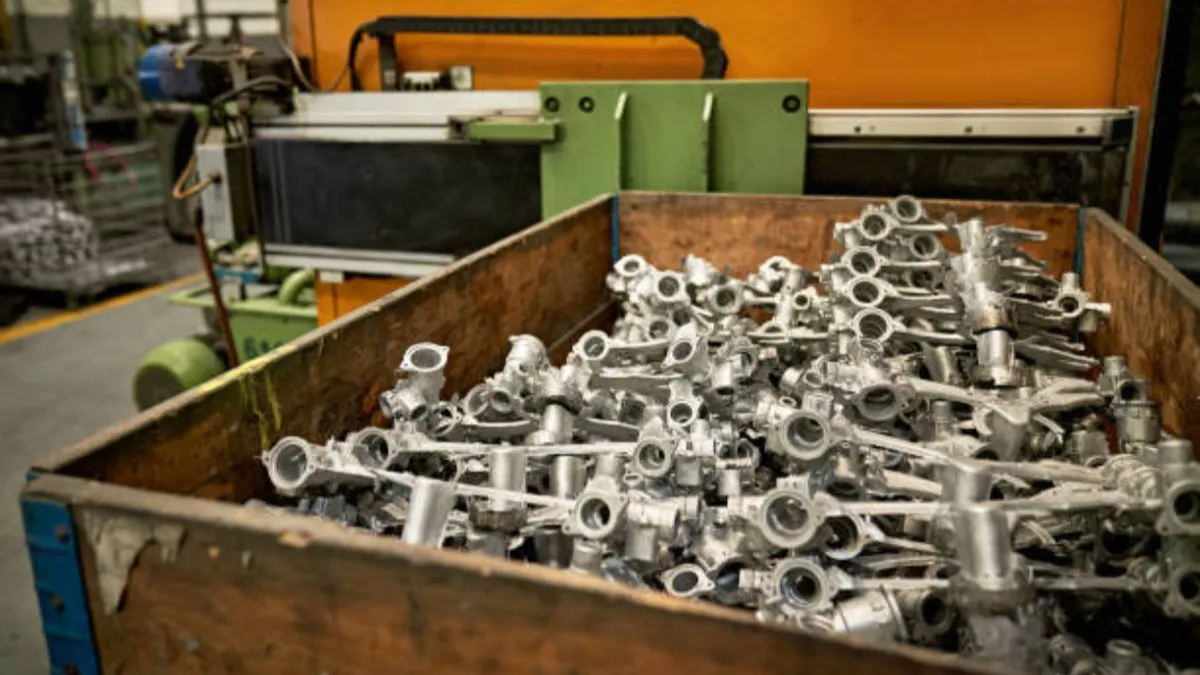
Die casting creates the overall shape; CNC machining finishes features whose dimensional or surface requirements exceed the agreed as-cast capability. Common examples include:
- Bearing and dowel bores: machined to meet fit and alignment requirements.
- Sealing faces and O-ring grooves: finished to the specified geometry and surface roughness.
- पिरोया हुआ छेद: drilled and tapped where required by the selected thread route.
- Mounting pads and cover faces: machined when flatness, position or assembly requirements cannot be met as-cast.
Features that meet the drawing requirements as-cast can remain unmachined. Bian Diecast lists tolerances down to ±0.1 mm for casting and ±0.02 mm for CNC machining, but suitability must be confirmed for each feature at quotation.
Clearly identify machined surfaces, सहिष्णुता, surface roughness and any minimum remaining wall thickness on the drawing. Also specify cosmetic surfaces, permitted tool marks and deburring requirements so the quotation covers the required finished condition.
Datum Faces and Fixturing Start at the Die
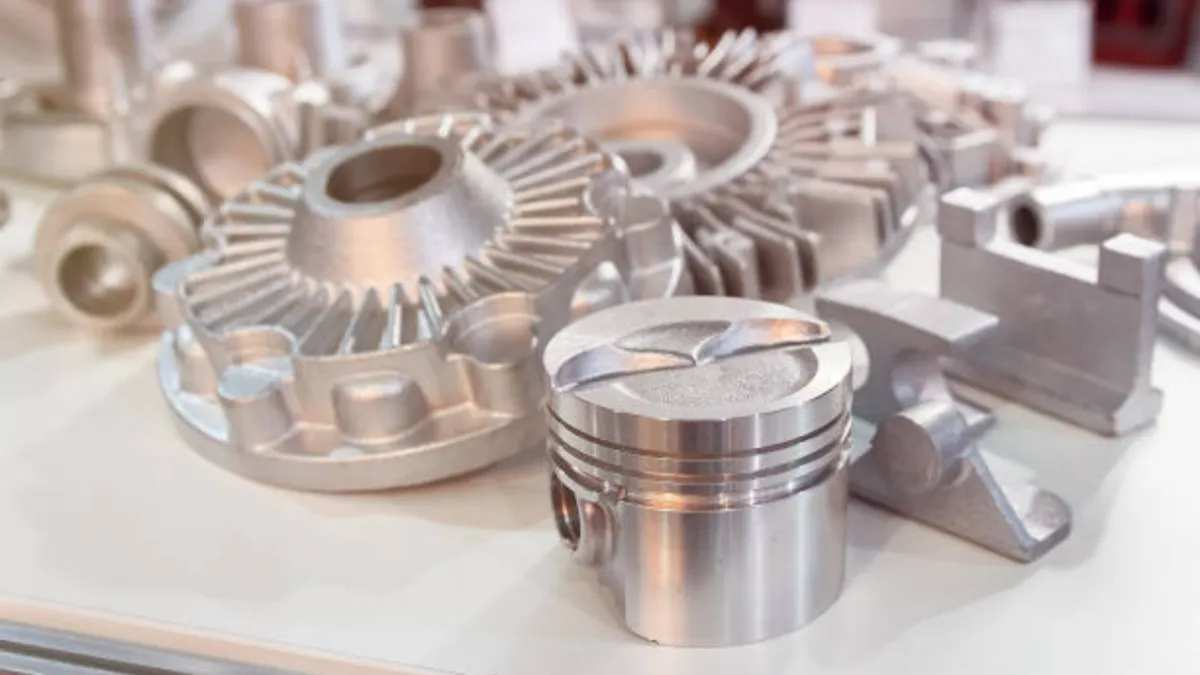
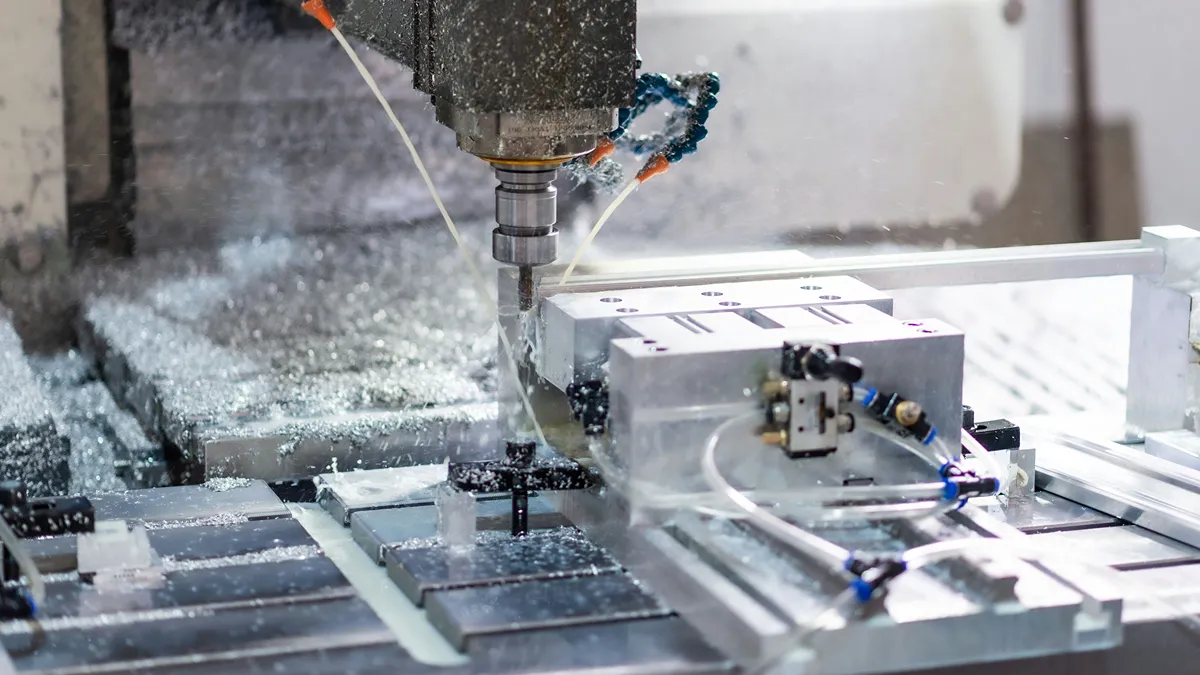
Machining accuracy begins before the first cut. A casting must seat in the fixture the same way every time. That means the drawing needs unambiguous locating datums: cast pads or lands, flat enough and large enough for the clamps to repeat their grip. A part that seats differently in each setup will not hold tolerance no matter how capable the machine is.
The practical consequence is that datum decisions belong to the die design, not to the machining schedule. When the datum scheme is agreed during the design for manufacturability (डीएफएम) review, the mold produces the locating faces the downstream process needs. When it is left until after T1 samples, teams often find that the only flat surfaces are cosmetic, and the fix is a fixture workaround that costs rigidity. हमारा उपकरण और डाई बनाना guide explains how early mold decisions carry through production.
Clamping deserves the same attention. Thin-wall castings can deflect under clamp force, so support positions, clamp loads and the sequence of cuts need review on the fixture plan. Roughing and finishing in separate passes, with the clamp forces landing on solid material, keeps spring-back from showing up in the bore you care about. A supplier who runs both the die and the machining centers sees this trade-off while it can still be designed around.
Machining Allowance Planning for Cast Faces
Machined features need stock to cut, and the honest answer about quantity is that there is no universal number. The right allowance depends on which faces will be machined, इजेक्शन के बाद भाग कैसे विकृत हो जाता है, the clamping strategy and the tolerance the feature must hold. Confirm it with supplier engineering at quotation, because the answer is a fixture plan, अंगूठे का नियम नहीं.
Both directions of error cost money. Too much stock leaves long cycle times, tool wear and heat in the cut, all of which inflate the piece price of post-casting machining. Too little stock leaves the cutter unable to finish a sound, in-tolerance surface on the feature. How porosity behaves once the cut breaks the skin is the next section’s problem. The table below lists what a machining plan should settle before the mold is cut.
| Plan Item | Define on the Drawing | यह क्यों मायने रखती है |
|---|---|---|
| Datum Faces | Identify drawing datums and agree on suitable locating surfaces for machining. | Repeatable positioning supports consistent dimensional control. |
| Machined Feature List | Identify the bores, faces and grooves requiring machining. | Defines machining scope, cycle time and inspection requirements. |
| Allowance per Face | Specify machining stock agreed with supplier engineering. | Allows for casting variation, विरूपण, fixturing and final tolerances. |
| Thread Route | Specify thread requirements and agree on tapping, inserts or another suitable production route. | Route selection affects tooling, secondary operations and inspection. |
| Sealing and Leak Requirements | Identify sealing features and specify test methods, conditions and acceptance limits. | Machining can expose internal porosity that affects leak performance. |
| Inspection Scope | Specify critical dimensions, drawing datums and inspection methods; agree on sampling and reporting requirements. | Confirms acceptance against the drawing and defines how machining setup references relate to inspection datums. |
One line on the drawing deserves special care: the step between a cast wall and a machined face. Where a cover seals against a machined land, the flatness of the assembly depends on both the cast wall height and the cut depth. Buyers who tolerance the machined face alone often still get a leaky cover. State the relationship, not just the number.
Porosity and Sealing Surfaces After Machining
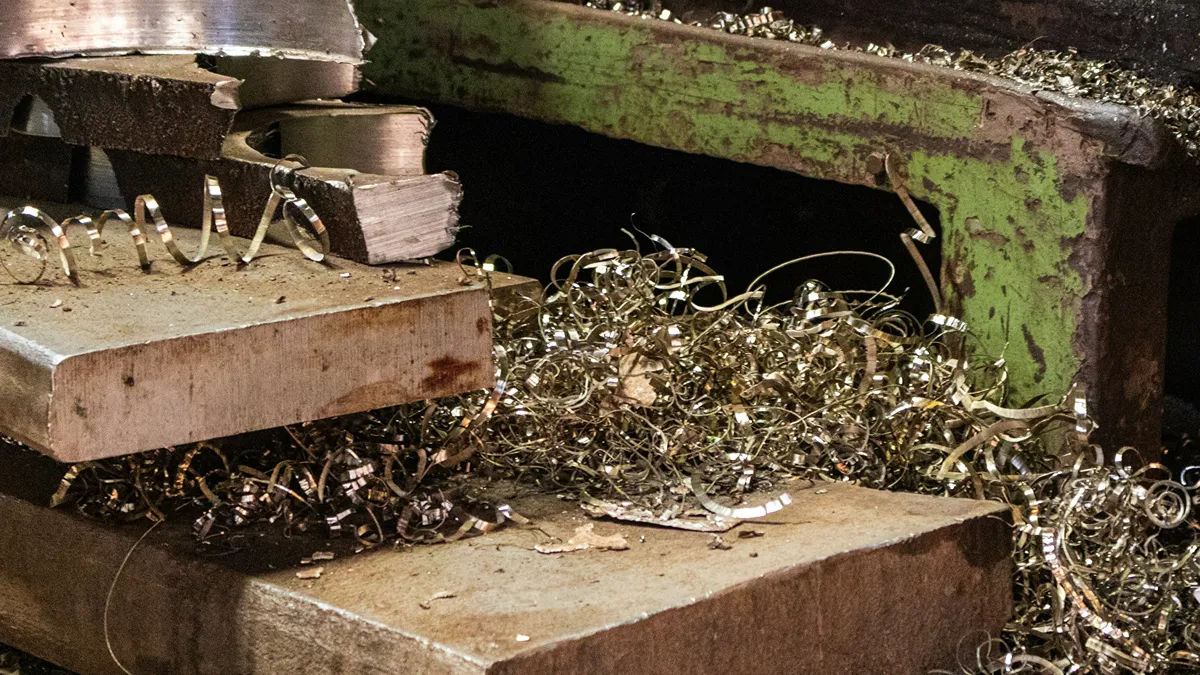
Here is the consequence buyers most often miss. Die castings develop a dense skin at the mold surface, and gas or shrink porosity sits beneath it. Machining cuts through that skin, so a bore or sealing face that looked sound as-cast can emerge showing the interior. This is why leak requirements must be evaluated together with the machining plan, not after it.
For pressure-tight parts, spell out the sealing feature, the leak test and its acceptance limit on the drawing, and ask the supplier how porosity will be handled. Impregnation may be suitable for approved micro-porosity leakage, but it does not correct dimensional errors or make structurally unacceptable castings acceptable. Dynacast’s surface finish guidance describes sealing porosity to create watertight components (डायनाकास्ट: selecting the right die casting surface finish). Treat that article as general process background, not as evidence that any specific part design is automatically leak-tight or certified.
The design-side move is to keep enough local machining allowance and structural support behind sealing bores. Avoid isolated thick sections around them, do not let a critical face skim a cored pocket, and say which holes matter for sealing. Those notes let the die engineer route the gate and the fixture engineer choose the stops around the same problem. When you specify the test, name the method and the limit you will actually accept, such as a decay rate on a sealed bore. An untested leak requirement is a hope, not a specification.
Inspecting Machined Features on Die Cast Parts
Agree on inspection methods, sampling and required records before production. Check machined features against the drawing datums, and include relevant as-cast dimensions and appearance requirements in the inspection plan.
| Inspection Item | What to Confirm |
|---|---|
| Dimensions and Datums | Measure against the drawing datums using suitable equipment. If machining uses different locating surfaces, document their relationship to the inspection datums. |
| Threads | Specify the thread size, tolerance class and applicable gauge checks. Bore diameter alone cannot confirm thread acceptance. |
| Bearing and Press-Fit Bores | Define diameter, surface roughness and relevant form tolerances, such as roundness. |
| Sealing Features | Agree on the leak-test method, test conditions and acceptance limit where required. |
| Sampling and Records | Set inspection frequency, sample size and reporting requirements according to feature risk and the agreed control plan. |
Confirm the documentation package at quotation: a first-article report, material certification and applicable leak or functional test records. Also agree on batch traceability, record retention and reinspection after design or process changes.
Keeping Casting and Machining in One Workflow
Splitting casting and machining across vendors is workable, but it adds interfaces. There is a freight leg, a second incoming inspection, and a gap where a machining reject must be traced through a separate caster’s records. Integrated production helps here because problem investigation and responsibility stay with one team. When a datum drifts or a bore shows porosity, the people who cut the mold, poured the metal and ran the fixture are in the same conversation.
Machining also changes how lots move and when they ship. A cast lot that waits in a separate vendor’s queue for fixture time delays every downstream date, and the part schedule hides the gap. Ask, before awarding tooling, how machined lots release after casting inspection, and what happens when a bore rejects. Post-casting machining should sit in one timeline, not two competing ones.
Bian Diecast keeps मेटल सांचों में ढालना, सीएनसी मशीनिंग and finishing among its in-house capabilities, with quotations listed on the homepage in 2 दिन और डीएफएम रिपोर्टें 3 दिन. Before the quote goes out, put the machined feature list, the datums and the leak tests into drawing notes the whole supply chain can sign off on.
Questions Buyers Ask About Post-Casting Machining
कास्ट सतहों पर मुझे कितना मशीनिंग भत्ता छोड़ना चाहिए??
कोई सुरक्षित सार्वभौमिक संख्या नहीं है. भत्ता इस बात पर निर्भर करता है कि किन चेहरों पर मशीनीकरण किया जाएगा, इजेक्शन के बाद भाग कैसे विकृत हो जाता है, क्लैम्पिंग रणनीति और सहनशीलता जिसे आपको बनाए रखने की आवश्यकता है. ड्राइंग पर मशीनीकृत चेहरों को चिह्नित करें और कोटेशन स्तर पर आपूर्तिकर्ता इंजीनियरिंग के साथ स्टॉक की पुष्टि करें.
Can machining expose porosity in a die casting?
यह, because the cut breaks through the dense skin into the interior where gas and shrink porosity sit. Parts with sealing faces or leak requirements should plan the test and any porosity treatment, such as impregnation, together with the machining scope at DFM review.
Do all aluminum die cast parts need CNC machining?
नहीं. कोष्ठक, covers and decorative housings often work entirely as-cast, with trim, blasting and coating as the only post-steps. Parts with sealing faces, bearing bores, precision threads or press-fits may require machining on those features to meet the specified tolerances and surface requirements. The goal is to machine only where function pays for it.
Is it risky to split die casting and machining between suppliers?
It is workable, but it adds a freight leg, a second incoming inspection and an interface where responsibility gets argued. If you do split the work, pin the locating datums, allowance and leak requirements in drawing notes both suppliers confirm in writing before tooling starts.
अंतिम विचार
The die decides what a part looks like; the machining plan decides what it does. Bearing bores, चेहरों को सील करना, तारीख, allowance and inspection are all settled more cheaply on paper during DFM than in steel and cycle time afterward. Plan post-casting machining as one conversation with your supplier. Which features get cut, how the part locates, what the sealed surfaces must pass, and what the reports will prove. Those four answers move through quotation, tooling and production together.
If you are preparing a part that combines cast geometry with machined functions, start from the बियान डायकास्ट capability pages. Or send the drawing through our संपर्क पृष्ठ with the machining plan items above marked. Ask the supplier to confirm in the quotation which features are priced as-cast and which as machined.